Indoor industrial filming and buyer-planning brief
Quick answer
- Do not treat a DJI Avata 2, its sensing features or its propeller guards as a promise that an indoor industrial flight will avoid contact or meet a specific inspection need.
- Begin with the actual site: the task, people, surfaces, obstacles, lighting, dust, moving equipment, communications, access and a ground-only alternative all shape the decision.
- For a pre-owned kit, verify the exact aircraft, controller, batteries, serial, visible condition, accessories and ordinary operation together before payment.
- If the proposed operation is not suitable after the site review, change the method. A purchase should support a workable plan, not pressure a team into a confined flight.

What should an indoor industrial team decide before buying or flying?
| Decision layer | Evidence to gather | Practical action | Do not assume |
|---|---|---|---|
| Task | The object or area to document, the required images and the non-aircraft alternative | Decide whether an aerial perspective adds real value | A drone is necessarily the right inspection method |
| Site | Walk-through notes for obstacles, surfaces, lighting, dust, ventilation, traffic and people | Define a conservative operating area and stop point | An indoor space is predictable because it is enclosed |
| People and access | Site contact, work activity, visitors, access rules and communication path | Keep the operator, spotter and site lead aligned | Property access alone settles every operating question |
| Aircraft kit | Actual aircraft, controller, batteries, serial, included accessories and condition record | Ask for a same-kit normal-operation demonstration | A model name proves the condition of a used unit |
| Contingency | Ground camera, pole camera, manual inspection or a rescheduled operation | Keep an alternative ready before the work begins | A close indoor flight is required to complete the job |

What can an indoor obstacle decision actually tell a team?
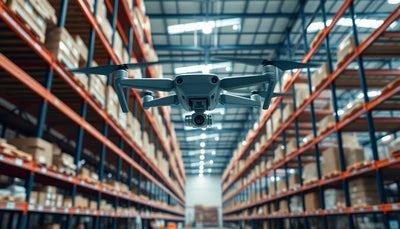
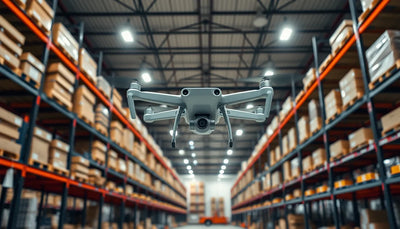
It can help a team decide whether an aircraft belongs in a particular task. It does not remove contact risk or settle whether a flight is suitable in a warehouse, sawmill, plant room or other working interior. Indoor surfaces, beams, cables, shelving, dust, changing light, moving equipment and people can each alter what a careful operator should do.
Keep the question practical: what must be documented, from where, with whom nearby and with what fallback? When the answer can be delivered from the ground, from a fixed camera or by another inspection method, an indoor aircraft flight should remain optional rather than becoming the only plan.
How should a timber warehouse or sawmill be assessed before a flight?
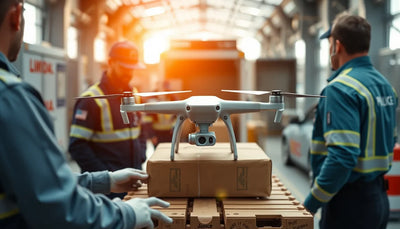
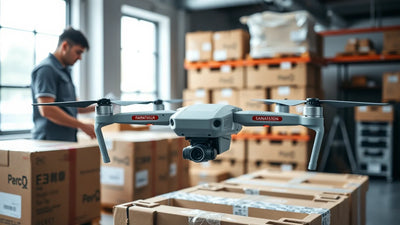
Treat a timber or industrial facility as a site-specific environment. Walk the intended route with the site lead and record overhead structure, racks, machinery, workers, airflow, dust, lighting changes, narrow openings and the points where a recovery or grounded alternative could work. Do not copy a route from a video or assume that an apparent open bay stays clear during operations.
The team should decide when the site is quiet enough for the proposed work, how people will be kept outside the operating area and how a stop will be communicated. If those choices cannot be made clearly, use the ground alternative and revisit the brief. This is a planning decision, not a product-performance failure.
- Map the task, not a generic indoor flight path.
- Confirm who controls access to the work area and who can pause activity.
- Keep a conservative recovery point and a clear no-flight decision.
- Use the current local, property and operating routes for the exact plan.

Is an Avata 2 model name enough to choose an inspection method?
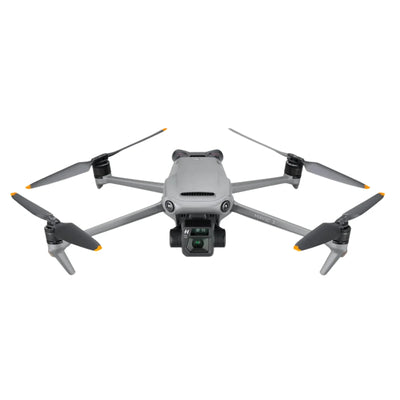
No. The model information can help a buyer understand the camera and control category, but it does not prove that the individual aircraft is ready for a confined work environment or that the proposed task should be flown. DJI's own product material describes operating conditions and sensing limits; those details should be treated as boundaries to verify, not as a replacement for a site assessment.
Use the Drone Wiki and comparison resources to understand the model family, then return to the exact assignment. A team may decide that a camera on the ground, a manual inspection, a specialist service or a different method is the better answer. The useful result is an honest method decision, not a claim that one model is suitable everywhere indoors.
What should a pre-owned buyer verify before using a kit for indoor work?
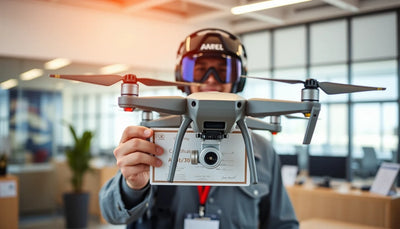
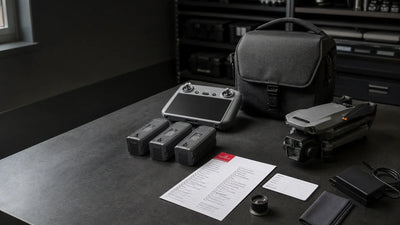
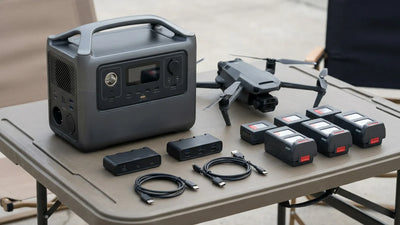
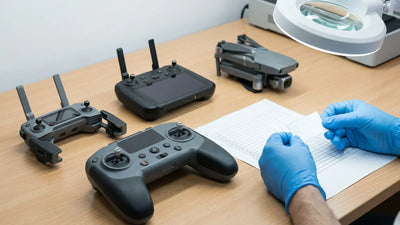
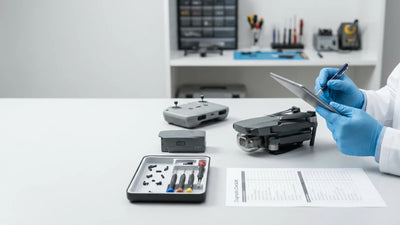
Ask to see the actual aircraft, controller, batteries, charging equipment, storage media, propeller guards if included, serial and visible condition as one matched kit. Request a normal-operation demonstration that shows the same equipment pairing. Keep the seller identity, invoice, payment record and any condition or repair disclosure with the purchase file.
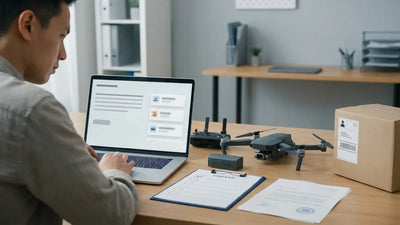
A buyer should separate condition evidence from future operating approval. A documented kit can reduce the risk of substitution or an unsupported listing claim, but it does not grant a site, aviation, insurance or client approval. Read any warranty or repair terms for the specific purchase and keep them separate from a proposed industrial assignment.

When should an indoor team stop instead of improvising a flight?
Stop when the operating area, people, task, site access or communication plan is unresolved. It is better to protect the work with a ground method than to make an event, maintenance task or facility visit depend on an improvised close flight. The team should be able to tell the site contact what changes would make a later operation easier to assess.
Write the decision into the job record: the task, the site constraints, the proposed aircraft role, the operator, the site contact and the alternative method. This makes a later review more useful and keeps the buying decision connected to a realistic operational role.
How does this site review lead to a better purchasing decision?
Choose a documented pre-owned kit only after the team can describe the task it will serve and the limits it must respect. The model comparison and Wiki resources help narrow the category; seller, serial and grading resources help verify the individual unit. Neither set of pages should be read as a promise of a particular indoor result.
A good decision preserves options. It gives the operator a verified kit when an assessed flight is appropriate and gives the client a credible ground alternative when it is not. That is more valuable than a broad obstacle-avoidance or indoor-test claim.
Use the Drone Wiki for model and compatibility context, then return to the action path above.
Keep exploring
Further reading
From The Reboot Hub Chronicle
From Drone Guides