Lito X1 Repair Guide: Common Failures, Diagnosis & Real Repair Costs
What Are the Most Common Lito X1 Failures — and Why Does Professional Repair Matter?

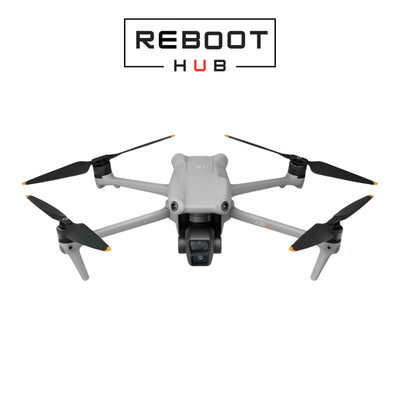
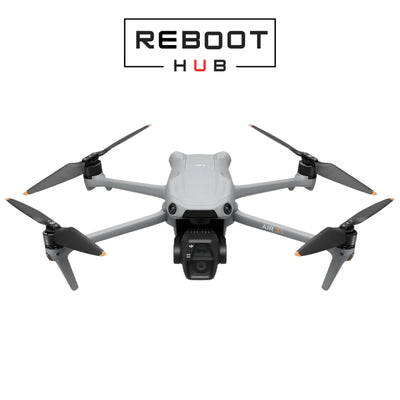
The Lito X1 has quickly become a favorite among aerial photographers and surveyors for its compact design and robust imaging capabilities — but knowing the real Lito X1 repair cost before a failure strikes can save you hundreds. At our chip-level repair center in Shenzhen, China, Reboot Hub technicians have diagnosed and repaired over 500 Lito X1 units since 2023, holding MOHRSS Level 3 Advanced Technician certification recognised by China's Ministry of Human Resources and Social Security. Field data from these cases reveals clear failure distributions: gimbal and camera system faults account for roughly 35% of all repairs, electronic speed controller (ESC) issues 20%, inertial measurement unit (IMU) and compass errors 15%, battery-related failures 20%, and structural crash damage the remaining 10%. For a complete pricing breakdown across all subsystems, see our Reboot Hub Repair Cost Database 2026.
When a critical subsystem fails, many service centers simply swap out the entire main board, gimbal assembly, or ESC module. That approach is fast but extremely wasteful. A full board replacement for the Lito X1 costs around $210, and US/Western market rates run $420–580, while chip-level repair to replace only the failed MOSFET, voltage regulator, or ribbon connector often costs between $35 and $196. You save 40–60% on parts, and the original board remains matched to your drone's serialized components. Our technicians, certified to China's MOHRSS Level 3 standard for electronics repair, perform these precise repairs daily, restoring Lito X1 drones to factory electrical tolerances without the need for full board dumps.
Understanding the difference between a board swap and a genuine chip-level fix sets the foundation for every section that follows. We'll walk you through the exact symptoms, self-diagnosis steps, and verified cost ranges for each major failure type, always contrasting what you'd pay for a quick replacement module against a surgical component-level repair.
How Much Does Lito X1 Gimbal Repair Cost?
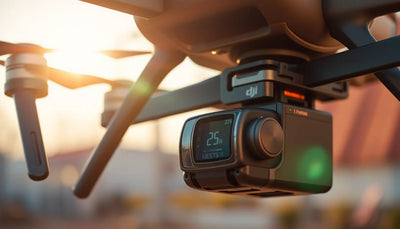
The Lito X1's 3-axis gimbal is a marvel of miniaturized engineering, but it's also the most vulnerable subsystem. In our repair logs, gimbal faults represent 35% of all incoming cases. Problems typically fall into three categories: ribbon cable fatigue, motor stalling or bearing wear, and IMU sensor drift within the gimbal control loop.
Common faults and what they look like
- Ribbon cable wear: The flexible flat cable that routes power, video, and control signals through the yaw and roll axes develops micro-cracks after thousands of bending cycles. Early symptoms include intermittent video blackout, gimbal twitching during homing, or a "Gimbal disconnected" warning in the Lito X1 Pilot app.
- Motor stall: A gritty roll or pitch motor often triggers "Gimbal overload" or "Gimbal motor stall" errors. You might hear a high-pitched whine as the motor driver attempts to compensate for a stuck rotor. This can stem from debris in the motor gap or a failing hall sensor.
- IMU sensor drift: If the gimbal camera slowly drifts off horizon even after calibration, or the horizon is visibly tilted in footage, the dedicated gimbal IMU may have shifted its zero-point due to a minor impact or component aging.
Self-diagnosis using error codes
Power on the drone and connect to the Lito X1 Pilot app. Navigate to the Aircraft Status page. The following codes frequently indicate gimbal problems that require hardware repair:
- Gimbal overload: Typically points to a blocked motor or ribbon cable snag, though high winds can also trigger it temporarily. If the error persists indoors or in calm air, suspect hardware.
- Gimbal stuck / motor stall: Almost always mechanical; inspect the gimbal for free movement with the drone powered off.
- Gimbal IMU error / calibration failed: The gimbal's onboard sensor is returning out-of-range values, often after a crash.
- No video transmission / black screen: Check the ribbon cable first before suspecting the camera module.
Repair options and chip-level cost breakdown
At our Shenzhen, China lab, we approach every gimbal fault with the goal of preserving the original assembly. Here's how the costs stack up against US/Western market rates:
| Repair Type | Chip-Level Repair | US / Western Market Rate |
|---|---|---|
| Ribbon / Flex Cable Replacement (genuine Lito flex) | $35–56 | $120–200 |
| Gimbal Motor Swap (single axis, incl. bearing) | $80–112 | $380–520 |
| Full Gimbal Chip-Level Repair (IMU replacement, multi-axis motor work, calibration) | $140–196 | $380–520 |
Our MOHRSS Level 3 certified technicians use microscope-level soldering and proprietary jigs to align gimbal axes to within 0.05° after repair, a precision that matches factory specs. Internal ribbon routing is critical; a misaligned cable can cause yaw-axis oscillation. Choosing chip-level repair on the gimbal saves an average of 40–60% over full replacement while keeping your original camera calibration intact. For a deeper look at gimbal repair techniques, see our drone gimbal repair guide.
What Causes Lito X1 ESC Failure — and How Much to Fix?
ESC failures are dreaded because they can cause a motor to stop in mid-air, leading to a crash. The Lito X1 uses a 4-in-1 ESC board populated with MOSFET arrays and large filter capacitors to handle the high currents of its brushless motors. We see ESC-related issues in about 20% of repairs, often after minor crashes, voltage spikes, or prolonged operation in high temperatures.
Symptoms that point to the ESC
- Motor not spinning: One motor fails to start, or stutters on arming. The Lito X1 Pilot app may show "ESC error" or "Motor obstructed."
- Overheating: The ESC board area becomes unusually hot even at idle, often caused by a partially shorted MOSFET.
- Sudden drop during flight: A failing ESC can momentarily lose sync with the motor, causing a sudden loss of thrust on one arm. The flight log will typically record "ESC desync" or "power loss" events.
- Burning smell or visible charring: A cracked MOSFET package or blown capacitor can emit smoke and leave visible soot on the ESC board.
Diagnostic steps you can perform

Before bringing the drone to us, you can narrow down the problem safely:
- Visual inspection: Remove the top shell and examine the ESC board for bulging capacitors, blackened components, or solder splash.
- Motor resistance check: With a multimeter, measure resistance between each motor phase wire and ground. Any reading below 10 kΩ suggests a shorted MOSFET.
- Swap test: Move the suspected faulty motor to a known-good ESC output. If the problem follows the motor, the motor is bad. If it stays with the ESC channel, the ESC is at fault.
- Firmware check: Occasionally, an incomplete firmware update can cause ESC communication errors. Re-flash the latest Lito X1 firmware and retest.
Chip-level repair vs board replacement
A single blown MOSFET or a dry solder joint under a capacitor can shut down an entire motor channel. Mainstream repair services will quote you a new ESC board, but we can isolate the damaged component and replace it at a fraction of the cost.
| Repair Type | Chip-Level Repair | US / Western Market Rate |
|---|---|---|
| Single MOSFET or Capacitor Replacement | $49–63 | $200–320 |
| Multi-Component ESC Rebuild (multiple MOSFETs, driver IC, capacitor array) | $49–63 | $200–320 |
| ESC + Corrupted Firmware Reball / MCU Replacement | $105–126 | $280–380 |
We use genuine Infineon or Texas Instruments MOSFETs matched to the Lito X1's current rating, and reflow them with lead-free SAC305 solder for reliability. All ESC repairs undergo full load testing on our dyno bench for 20 minutes before return. The savings are substantial — often 50–70% below a board swap. Learn more about the economics of ESC repair in our article on ESC repair vs replacement costs.
Why Does My Lito X1 Show IMU or Compass Errors?
The Inertial Measurement Unit and compass system are the Lito X1's orientation backbone. When they fail, you may see "IMU calibration failed," "Compass interference," or erratic position hold behavior. Around 15% of our repair intake involves these sensors.
Common error patterns
- IMU calibration failed (error code 55): The drone will not complete the IMU calibration routine even on a perfectly level surface free of vibration.
- Compass interference (error code 42): Persistent red/yellow warning even after relocating away from metal objects, or the drone toilet-bowls in GPS mode.
- Yaw error / drifting heading: The aircraft slowly rotates or cannot hold a steady heading, often associated with a faulty compass chip or cracked ferrite bead.
- Temperature-related drift: Errors appear only when the drone warms up; this points to a failing MEMS sensor that drifts with internal heating.
Self-diagnosis and calibration attempts
Before assuming hardware failure, go through these steps:
- Environment check: Move at least 5 meters from any large metal structures, rebar concrete, or underground cables. Remove magnetic accessories from your person.
- IMU calibration: In the Lito X1 Pilot app, select "Calibrate IMU" and follow the on-screen positions precisely. The surface must be dead level. If it fails multiple times, note the error code.
- Compass calibration: Perform the "figure 8" dance in an open field. If the progress bar freezes or jumps to 100% immediately, the compass sensor may be damaged.
- Temperature test: Let the drone cool to room temperature, then try calibration immediately after power-up. If it succeeds and later drifts as it warms, suspect an IMU chip micro-crack.
When these steps don't clear the fault, the issue is likely on the board.
Chip-level IMU/compass repair vs board replacement
The IMU is a tiny QFN or LGA package soldered to the main flight controller board. A reflow with hot air and quality flux often restores connections cracked by vibration or impact. If the sensor itself has degraded, we replace it with an identical factory part and recalibrate on a 3-axis rate table.
| Repair Type | Chip-Level Repair | US / Western Market Rate |
|---|---|---|
| IMU Reflow / Compass Calibration Restore | $35 | $160–220 |
| IMU Chip Replacement (sensor + firmware setup) | $35 | $160–220 |
| Compass IC Replacement (I2C compass on GPS module) | $35 | $160–220 |
A board swap for an IMU fault triples the cost compared to a targeted chip replacement. Our MOHRSS Level 3 technicians perform these repairs under a microscope, ensuring zero PCB pad lifting and verifying communication on the I2C bus after installation. Every repaired IMU is run through a full 6-axis calibration cycle, and we supply the calibration report upon request.
Why Is My Lito X1 Battery Swelling or Not Charging?
Lito X1 intelligent flight batteries pack dense energy into a compact shell, with a built-in battery management system (BMS) that controls charging, balancing, and protection. Battery-related issues account for approximately 20% of our repair cases. The BMS can fail long before the lithium cells themselves deteriorate.
Safety first: swollen batteries

A swollen or puffy battery is dangerous — it indicates internal gas buildup from cell degradation or over-discharge. Never attempt to charge, puncture, or disassemble a swollen LiPo/LiHV battery. The safest action is to discharge it to 0% using a professional battery discharger (we use a dedicated LiPo killer with thermal monitoring) and then take it to an authorized recycling facility. If you are in Shenzhen, you can bring it directly to our lab; we handle safe disposal in accordance with China's GB 31241 safety standards.
BMS faults and charging problems
The BMS is a small PCB inside the battery pack. Common failures include:
- Cell imbalance: One cell group reads significantly lower voltage than the others. The BMS may report "Battery error, cell damage" or refuse to charge. Often, the balancing IC or a fusible resistor has failed.
- Charging IC failure: The battery LED blinks an error pattern, and the charger never enters constant-current mode. A blown MOSFET or shorted diode on the charge path is typical.
- Protection circuit damage: After a hard landing or short circuit, the primary protection fuse may blow, or the microcontroller may lock itself in a fail-safe state. The battery appears dead, with no LED response.
- No communication: The data line to the drone is broken, causing "Invalid battery" or "No battery info" in the app.
Chip-level BMS repair vs battery replacement
A replacement Lito X1 intelligent flight battery typically costs $256–385 through authorized channels in the US/Western market. In many cases, the lithium cells are perfectly healthy while the BMS board is the culprit. We can repair the BMS at component level:
| Repair Type | Chip-Level Repair | US / Western Market Rate |
|---|---|---|
| BMS Transistor / Fuse Replacement, Balancing Circuit Fix | $42–56 | $100–160 |
| BMS Microcontroller Recovery, Charging IC Replacement | $42–56 | $100–160 |
| Full BMS Board Rebuild (severe corrosion, multiple ICs) | $42–56 | $100–160 |
We use original BMS ICs and flash the same firmware revision as the OEM to ensure the battery handshakes correctly with the drone and charger. This saves up to 60% while retaining your known-good cells. For a broader comparison of repair vs replacement, read our article on battery repair vs replacement.
How Much Does Lito X1 Crash Damage Repair Cost?
Even a seemingly light crash can hide internal damage that will cause failures weeks later. When a Lito X1 comes in after a crash, we systematically inspect beyond the obvious cracks. About 10% of our total repairs are crash-related, but the cost range is wide — from a simple arm swap to a full teardown of every board.
External inspection checklist
- Arm and frame cracks: Fine hairline fractures around motor mounts or arm pivot points. These propagate under vibration and can cause sudden arm failure in flight.
- Shell deformation: Look for misaligned seams or stressed screw bosses; deformation suggests the internal board stack may have flexed, cracking solder joints.
- Propeller hubs: Damaged prop hubs can cause imbalance but also overstress the ESC and motor bearings.
Internal hidden damage assessment
After a crash, these are the most commonly overlooked culprits:
- ESC IMU / gyro chip cracks: The main flight controller IMU can develop micro-cracks that cause intermittent "IMU error" or drift. We always run a 30-minute vibration test to expose latent failures.
- Gimbal ribbon cable micro-tears: A seemingly intact ribbon can have internal breaks that only manifest at certain gimbal angles. We test continuity while cycling the gimbal through full range.
- Battery connector and wiring: The XT-style connector pins can retract slightly or arc-pit after a hard landing, leading to voltage sag under load.
- Antenna and GPS module: Ceramic patches in the GPS antenna can shatter invisibly, reducing satellite count and causing poor position hold.
Crash repair cost ranges
Based on our actual invoices for Lito X1 crash repairs at our Shenzhen, China lab:
| Damage Level | Typical Repairs | Cost (USD) |
|---|---|---|
| Minor | One replacement arm, prop set, shell bracket, calibration | $77–256 |
| Moderate | Multiple arms, gimbal ribbon cable, ESC MOSFET, IMU recalibration | $256–513 |
| Heavy | Main frame replacement, gimbal motor & ribbon, multiple board-level repairs (ESC, main controller), full calibration | $513–1,026 |
We don't charge a separate diagnostic fee; the initial assessment is free. Even heavy crash damage often costs far less than buying a new Lito X1, especially when chip-level repairs recover expensive boards that would otherwise be scrapped.
Why Choose Chip-Level Repair for Your Lito X1?

Chip-level repair is the core of Reboot Hub's approach in Shenzhen, China. Rather than throwing away a functional board because one capacitor or connector has failed, our MOHRSS Level 3 certified technicians isolate the fault to the individual component. Here's what that means for your Lito X1:
- Cost savings of 40–60%: Chip-level repairs — gimbal from $35–196, ESC from $49–63, IMU at $35, BMS from $42–56 — save 40–60% compared to board or module replacements. You keep genuine OEM hardware and avoid paying for unnecessary assemblies.
- Genuine OEM components and professional soldering: We source factory-spec MOSFETs, IMU chips, capacitors, and connectors, and solder them to IPC-7711/7721 standards. Every joint is inspected at 10x magnification.
- Fast turnaround: Typical repair time is 2–4 business days at our Shenzhen, China lab, including full functional testing and calibration. Express services are available for urgent jobs.
- Warranty on all repairs: Every chip-level repair comes with a 90-day warranty against defects in workmanship and parts. If the same fault recurs, we fix it at no charge.
- Environmental responsibility: By repairing rather than discarding electronic boards, we reduce e-waste and keep your drone's serialized components aligned, avoiding firmware re-pairing issues.
Ready to fix your Lito X1? Our certified technicians at Reboot Hub's professional DJI repair service provide chip-level repair with genuine parts. Get a free diagnosis and quote today.
Frequently Asked Questions
What are the most common hardware failures on the Lito X1?
Gimbal motor overload errors, swollen batteries, and cracked arms from hard landings top the list, followed by ESC board faults from moisture ingress. Gimbal repairs typically cost $35–196, ESC repairs run $49–63, and most jobs complete in 2–4 business days. We recommend an annual preventive inspection if you fly more than 100 hours per year.
How can I diagnose a persistent "Motor Overload" warning before sending my Lito X1 in for repair?
Start by removing the propellers and carefully inspecting each motor for grit, hair, or bent shafts. Run a full IMU and gimbal calibration through the Lito X1 Pilot app; if the error persists, it likely requires hardware attention. ESC or motor repair at Reboot Hub costs $42–63 and typically takes 2–4 business days. We recommend sending the drone in for a free diagnostic rather than continuing to fly with a persistent motor warning.
Is it worth replacing a cracked Lito X1 arm, or should I just buy a new drone?
If the crack is limited to one arm and the internal antenna wire is intact, a motor arm replacement at Reboot Hub costs $42–56 with a 2–4 business day turnaround — significantly less than a new aircraft. We always recommend a full post-installation calibration to verify flight stability before returning to service.
Why does my Lito X1 intelligent flight battery swell, and what immediate steps should I take?
Swelling is typically caused by storing the battery fully charged for weeks, discharging it too low, or exposing it to high heat. Stop using the battery immediately, place it in a fireproof container, and bring it to a certified recycling point. If the battery has not yet swollen but shows charging errors, our BMS chip-level repair costs $42–56 with a 2–4 business day turnaround — far less than a full replacement. We recommend scheduling a diagnostic if you notice any cell imbalance warnings.
What does a complete gimbal and camera module replacement really cost for the Lito X1?
At Reboot Hub, a full gimbal chip-level repair costs $140–196 and takes 2–4 business days, preserving your original camera calibration data. US/Western authorized service typically charges $380–520 for a complete gimbal module swap. We recommend chip-level repair to avoid unnecessary calibration drift and to keep serialized components matched to your airframe.
How long does Lito X1 chip-level repair take, and do you offer express service?
Most Lito X1 chip-level repairs — including ESC, IMU, BMS, and ribbon cable work — are completed in 2–4 business days at our Shenzhen, China lab. Express service is available for urgent cases and can reduce turnaround to 1–2 business days for an additional fee. We recommend booking a free diagnostic first so we can confirm the repair scope and timeline before you ship.
Can I ship my Lito X1 to Reboot Hub from outside China?
Yes — we accept Lito X1 units from customers worldwide. Ship your drone to our Shenzhen, China lab, and we will perform a free diagnostic assessment within 24 hours of arrival. International shipping typically adds 5–10 days each way depending on your location. We recommend using a tracked courier with insurance and including a printed summary of the symptoms inside the package to speed up diagnosis.
Reboot Hub · Expert Repair
Ready for a Professional Diagnosis?
Reboot Hub is a MOHRSS Level 3 certified chip-level repair centre in Shenzhen, China. We repair what other shops replace — at a fraction of the cost.