Skip to content

Available 24/7: (852) 5537 6652

Support & Learning

DJI Drone Carrying Case & Storage Guide: How to Protect Your Investment Like a Pro

by LauThomas 29 May 2026 0 comments

Whether you fly a DJI Mini 4 Pro over Shenzhen's coastline or pilot an Inspire 3 on a commercial film set, the moment your drone leaves the sky it faces a new set of threats: drops, dust, moisture, and the chaos of airport baggage handlers. A quality DJI drone carrying case is not a luxury — it is the single most cost-effective insurance policy you can buy for your aerial gear. At Reboot Hub, our technicians have diagnosed and repaired over 800+ DJI drone units since 2022, holding MOHRSS Level 3 Advanced Technician certification recognised by China's Ministry of Human Resources and Social Security, and in this comprehensive guide we break down the hard-case-versus-soft-case debate, walk you through custom foam solutions, explain exactly what the TSA and international airlines expect, and recommend the best case for every DJI drone model currently on the market.

At Reboot Hub (reboot-hub.com), we see the consequences of poor storage every week in our Shenzhen, China repair centres: cracked gimbals from rattling inside a backpack, corroded circuit boards from humidity exposure, and scratched lenses from cases with inadequate padding. Almost all of these repairs were preventable. By the end of this guide, you will have everything you need to choose, configure, and maintain the perfect case for your specific DJI setup.

Why Does a Dedicated DJI Drone Carrying Case Matter More Than You Think?

Quick Answer: A hard case with custom-cut foam ($40–210) is the most cost-effective way to protect your DJI drone — preventing transport damage that typically costs $200–280 to repair at a chip-level service centre, with turnaround in 2–4 business days.

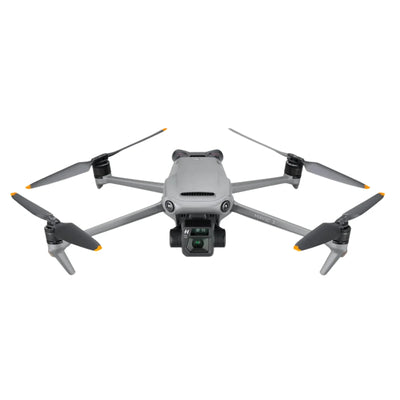
DJI drones are precision instruments. A Mavic 3's Hasselblad camera module, for instance, is calibrated to tolerances measured in hundredths of a millimetre. Even a moderate impact during transport can shift internal components enough to produce horizon-tilt errors, soft-focus results, or — in worst-case scenarios — total gimbal failure. Our gimbal troubleshooting guide documents dozens of cases where transport damage was the root cause.

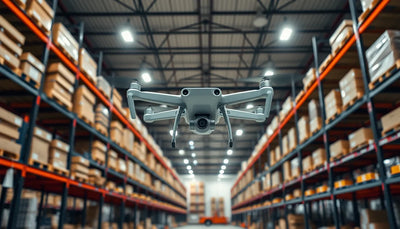
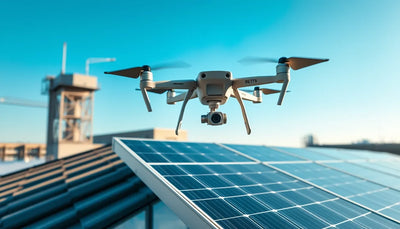
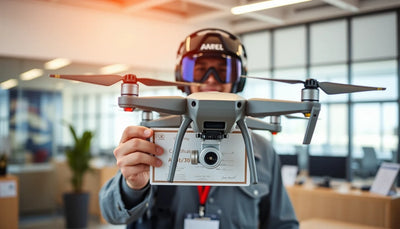
DJI Drone Carrying Case  Storage Guide How to Prot - professional image

The Real Cost of Skipping Protection

Consider the numbers. A DJI Mavic 3 Pro retails for approximately $1,800–2,200. A gimbal replacement alone costs $200–280 including labour at our service centre — see our Reboot Hub DJI Repair Cost Database 2026 for full pricing by model and component. A decent hard case runs $40–110. The maths is simple: a good case pays for itself the first time it absorbs an impact that would have otherwise destroyed your drone.

Beyond Impact: Environmental Threats

  • Moisture and humidity — Shenzhen's subtropical climate regularly pushes 90%+ relative humidity. Without a sealed case and desiccant packs, corrosion can begin on exposed PCB contacts within days.
  • Dust and sand — Fine particulates infiltrate motors, cooling vents, and lens assemblies, accelerating wear and degrading image quality.
  • UV exposure — Prolonged sunlight degrades plastic propellers, rubber gaskets, and rubberised coatings on controllers.
  • Temperature swings — Moving from air-conditioned interiors to outdoor heat causes condensation inside electronics. A thermal-insulated case slows this transition, reducing moisture risk.

Hard Case vs Soft Case: Which Is Better for Protecting Your DJI Drone?

This is the most common question we hear at Reboot Hub, and the honest answer is that neither option is universally superior. The right choice depends on how you travel, where you fly, and what you carry.

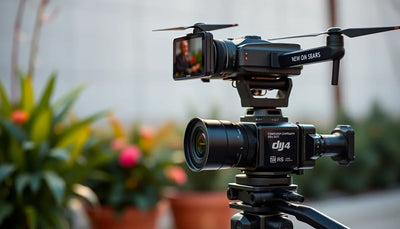
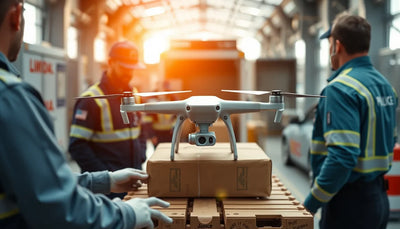
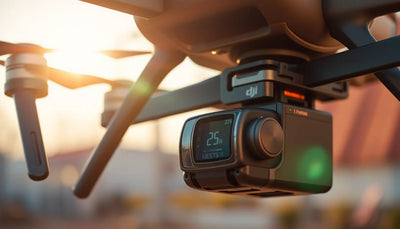
DJI Drone Carrying Case  Storage Guide How to Prot - technical diagnostic close-up view

Hard Cases: Maximum Protection

Hard cases — typically injection-moulded from polypropylene or ABS plastic — offer the highest level of physical and environmental protection. Leading brands include Nanuk, SKB, Pelican, and DJI's own "Original" case line. Key characteristics:

  • Crush resistance — Rated to withstand significant static loads (Pelican Air cases are rated to 50 kg).
  • IP-rated sealing — Most quality hard cases achieve IP67 (submersible to 1 metre for 30 minutes), providing near-total protection against rain, splashes, and brief submersion.
  • Pressure equalisation valve — A built-in Gore-Tex-style vent prevents vacuum lock during air travel when cargo holds are pressurised and depressurised.
  • Custom foam inserts — Pick-and-pluck or CNC-cut foam cradles each component precisely (more on this below).
  • TSA-friendly locks — Many models include integrated lock hasps compatible with TSA-approved padlocks.

Drawbacks: Hard cases are heavier (typically 2–5 kg empty), bulkier, and more expensive. They also attract attention — a Pelican case on a luggage belt practically announces that something valuable is inside.

Soft Cases: Portability and Discretion

Soft cases use padded nylon, Cordura, or EVA-structured shells. DJI's own shoulder bags and backpacks (included with many Fly More Combos) are soft cases. Third-party options from Lowepro, Think Tank, and PGYTech are popular upgrades.

  • Lightweight — A quality soft case adds less than 1 kg of carry weight.
  • Compact form factor — Designed to look like everyday bags, they blend into urban environments and overhead compartments.
  • Lower cost — Good soft cases start around $20–55.
  • Comfortable carry — Backpack-style options distribute weight and free your hands for other gear.

Drawbacks: Limited crush resistance, no water sealing (unless specifically rated), and the interior padding compresses over time, reducing protection.

Side-by-Side Comparison

Feature Hard Case Soft Case
Impact protection ★★★★★ ★★★☆☆
Water resistance ★★★★★ (IP67+) ★★☆☆☆ (splash-proof at best)
Weight (empty) 2–5 kg 0.3–1 kg
Discretion Low — obvious high-value case High — looks like a regular bag
Foam customisation Excellent — pick-and-pluck or CNC Limited — pre-sewn dividers
Durability (lifespan) 10+ years 2–5 years with heavy use
Price range $40–210+ $20–85
Best for Check-in luggage, field work, harsh environments Carry-on, daily commuting, short trips

Our Recommendation: Use Both

Many experienced pilots maintain a hard case for air travel and remote-field deployments, and a soft case or backpack for local shoots and car travel. This dual-system approach balances protection with convenience. At Reboot Hub, we stock a curated range of both types — visit our accessories page to browse current availability.

How Do You Get the Perfect Foam Fit Inside Your DJI Drone Case?

The foam inside your case is just as important as the shell. A hard case with poorly fitted foam can be more dangerous than a well-padded soft case because it gives a false sense of security while allowing internal movement.

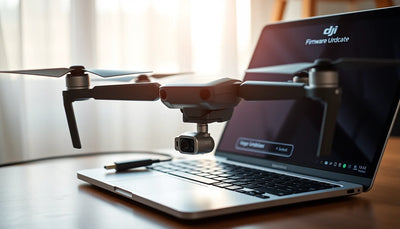
DJI Drone Carrying Case  Storage Guide How to Prot - tools and equipment workspace setup

Types of Foam

  1. Pick-and-pluck (pre-scored) foam — This is the most common option included with mid-range hard cases. The foam comes in a grid of small cubes that you tear away by hand to create cavities matching your gear. It is inexpensive and requires no tools, but the resulting edges are rough and the grid pattern rarely aligns perfectly with your components, leaving gaps.
  2. CNC-routed custom foam — A professional service (available at Reboot Hub) uses a computer-controlled cutter to carve precise cavities matching each component's exact dimensions. The result is a snug, professional-grade fit that immobilises every item. Typical cost: $30–70 depending on complexity.
  3. Kaizen foam (layered peel) — Multiple coloured layers allow you to peel down to the desired depth, creating a clean, shadow-board-style layout. It looks excellent and makes missing items immediately visible, but requires patience and a sharp blade.
  4. Custom-moulded EVA — Thermoformed to the exact shape of your drone. Used in DJI's own cases and premium third-party options. Offers the best weight-to-protection ratio but cannot be reconfigured for different gear.

Foam Density and Thickness Guide

Use this rule of thumb from our repair technicians:

  • Minimum 30 mm of foam between your drone and any case wall, top, or bottom surface.
  • Use closed-cell foam (typically Polyethylene / PE or Polyurethane / PU with closed pores) for moisture resistance. Open-cell foam absorbs water like a sponge.
  • Density of 30–45 kg/m³ is ideal for drone cases — firm enough to absorb impacts but soft enough to avoid scratching surfaces.
  • Separate compartments for batteries, propellers, and controllers. Never let hard objects (like a remote controller) sit directly against a gimbal assembly.

DIY Custom Foam: Step-by-Step

If you prefer to cut your own foam, follow these steps:

  1. Layout all components on a table in the arrangement you want inside the case, allowing at least 30 mm spacing between items and from edges.
  2. Trace each item onto the foam using a fine-tip marker, adding 2–3 mm of clearance per side.
  3. Use an electric carving knife or a sharp utility knife (multiple passes) to cut along your traced lines. Avoid tearing — ragged edges shed particles that infiltrate motors.
  4. Test-fit each item. Components should sit firmly without excessive force. If loose, add thin foam shims.
  5. Optionally, line the bottom of each cavity with adhesive-backed velvet or microfibre to prevent surface scratches on your drone's finish.

What Are the TSA and Airline Rules for Travelling With a DJI Drone?

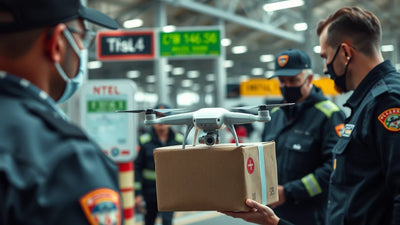
If you travel internationally with your drone, airline regulations are non-negotiable. Violations can result in confiscation, fines, or denied boarding. Here is exactly what you need to know, based on current IATA and TSA guidelines as of 2024.

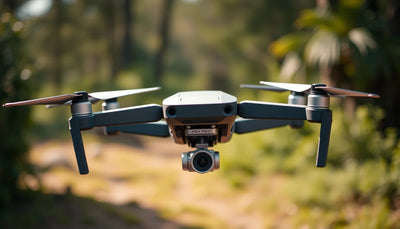
DJI Drone Carrying Case  Storage Guide How to Prot - professional repair and inspection process

Battery Rules — The Most Critical Factor

  • Lithium batteries must always travel in carry-on luggage, never in checked baggage. This is a universal IATA rule and applies to all major airlines.
  • DJI Mini series batteries are under 100 Wh — generally allowed without restriction in carry-on.
  • DJI Mavic 3, Air 3, and Inspire batteries are typically 70–100 Wh per battery — still within the carry-on limit but always verify the Wh rating printed on your specific battery.
  • Spare batteries (not installed in the drone) must have their terminals protected: use original caps, electrical tape, or individual battery pouches. Exposed terminals can short-circuit and cause fires.
  • Most airlines limit passengers to a maximum of 20 spare lithium batteries under 100 Wh each. Some carriers (especially Chinese domestic airlines) set lower limits — check with your specific airline.
  • Batteries over 100 Wh but under 160 Wh (some DJI Inspire configurations) require airline pre-approval and are typically limited to two spares per person.
  • Damaged or swollen batteries are prohibited on all aircraft. Dispose of them properly at a certified recycling centre.

The Drone Itself

The drone airframe (without battery) can go in either carry-on or checked luggage. However, we strongly recommend carry-on for the drone and carry-on only for batteries. Checked bags are thrown, stacked, and subjected to temperatures that can exceed 50°C in summer — damaging both electronics and batteries.

TSA-Friendly Case Features

  • TSA-approved locks — If your case goes through screening, TSA agents can open TSA-locked cases with a master key without breaking the lock. Look for the red diamond TSA logo on the lock.
  • Easy-open design — Cases that open flat allow X-ray machines to see all contents clearly, reducing the chance of manual inspection.
  • No lithium batteries in checked bags — If you must check a case, remove all batteries and carry them separately.

Country-Specific Drone Import Rules

Different countries regulate drone import differently:

  • China — Drones with cameras may require registration with local aviation authorities. Keep your purchase receipt accessible.
  • United States — No import restrictions on consumer drones. FAA registration required for drones over 250 g.
  • European Union — Drone must comply with EASA regulations. Operator registration required for drones with cameras.
  • India — Drones are restricted import items. You may need DGCA clearance. Verify before travelling.
  • Japan — Drones under 100 g (Mini series) are exempt from most rules. Heavier drones require MLIT registration.

Always check the latest regulations before departure. Rules change frequently, and ignorance is not accepted as an excuse at customs.

What Is the Best Carrying Case for Each DJI Drone Model?

Below we recommend specific case options for the most popular DJI drones sold in 2024–2025. All recommendations balance protection, portability, and value.

DJI Model Recommended Hard Case Recommended Soft Case / Bag Notes
DJI Mini 4 Pro / Mini 3 Nanuk 915 (custom foam) DJI Mini Shoulder Bag / PGYTech OneMo Mini Small drones; soft cases are usually sufficient for daily use
DJI Air 3 Nanuk 920 or SKB 3i-1711 DJI Air 3 Shoulder Bag / LowPro DroneGuard Mid-size; a hard case is recommended for air travel
DJI Mavic 3 Pro / Classic DJI Mavic 3 Original Hard Case / Nanuk 935 DJI Mavic 3 Shoulder Bag / Think Tank Helipak Expensive drone; hard case is strongly recommended
DJI Mavic 3 Enterprise (M3E/M3T) DJI Enterprise Shield Case / Pelican 1510 DJI Enterprise carry bag (included) Commercial use demands hard cases for reliability
DJI Inspire 3 DJI Inspire 3 Professional Case / custom flight case Not recommended — too large and valuable for soft protection Custom CNC foam essential; budget $280–700 for a quality flight case
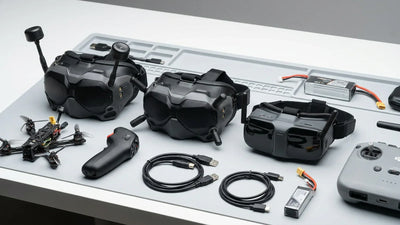
DJI Avata 2 Nanuk 915 (custom foam) DJI Goggles / Avata combo bag Must accommodate goggles, controller, and multiple batteries
DJI FPV Combo DJI FPV Hard Case / Pelican 1535 Air DJI FPV Backpack (included in combo) Propellers must be protected — the DJI FPV props are fragile

What to Look for When Buying

  • Interior dimensions — Measure your drone with propellers removed, add your controller, battery hub, and accessories, then compare to the case's internal dimensions. Leave at least 20 mm extra on each axis.
  • Weight rating — Ensure the case can support stacking (important for checked luggage). Look for manufacturer-stated load ratings.
  • Wheels and handles — For cases over 3 kg, a telescoping handle and inline wheels save your back.
  • Warranty — Reputable brands (Pelican, Nanuk, SKB) offer lifetime warranties on the case shell.

How Should You Store Your DJI Drone Long-Term to Prevent Damage?

A carrying case protects your drone during transport, but long-term storage requires additional care. Our technicians share their top recommendations:

  1. Remove batteries from the drone before storing. Batteries left installed can slowly discharge below safe voltage thresholds, permanently damaging the cells. Store batteries at 50–60% charge (DJI's "storage mode" feature does this automatically).
  2. Include silica gel desiccant packs inside your case. Replace them every 3–6 months or when the indicator colour changes. For Shenzhen's humidity, we recommend at least 50 g of desiccant per case.
  3. Store in a cool, dry location away from direct sunlight. Ideal temperature is 15–25°C. Avoid garages, car boots, and uninsulated storage units.
  4. Do not leave propellers installed during long-term storage. Propellers under constant tension in one position can develop a memory set, leading to vibration and imbalance during flight.
  5. Power on the drone and controller every 60–90 days to allow firmware to check battery health and prevent deep discharge.
  6. Inspect foam inserts periodically for compression, crumbling, or moisture absorption. Degraded foam provides significantly less protection and should be replaced.

For more detailed guidance on battery care, see our complete drone battery care guide.

Frequently Asked Questions

Can I use a Pelican case designed for cameras for my DJI drone?

Yes, absolutely. Pelican's camera cases (such as the 1510 or 1535 Air) are excellent drone cases when fitted with appropriate foam. The key is ensuring the interior dimensions accommodate your drone with propellers removed and all accessories. Many photographers already own these cases and simply need a new foam set. Reboot Hub offers CNC foam cutting services for Pelican and Nanuk cases — contact us for a custom quote.

Do I need a waterproof case if I only fly in fair weather?

Even if you never fly in rain, a waterproof (IP-rated) case protects against unexpected weather changes, puddles, condensation, and the high humidity common in southern China. Given the minimal price difference between water-resistant and fully sealed cases, we recommend opting for IP67-rated protection whenever possible. It also adds value if you ever resell the case.

How often should I replace the foam in my drone case?

Pick-and-pluck foam typically lasts 1–2 years with regular use before compression reduces its effectiveness. CNC-cut closed-cell PE foam can last 5+ years. Replace foam immediately if you notice visible compression, crumbling, a musty smell, or if items no longer fit snugly. Our professional DJI repair service stocks replacement foam for most popular case brands.

Is it safe to check a drone case as luggage on a flight?

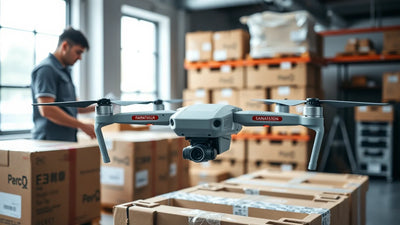
The drone airframe itself is safe to check, but batteries must never go in checked luggage — this is a strict IATA and TSA rule with no exceptions. If you check a case, remove all batteries and carry them in your carry-on with terminals protected. We also recommend adding "FRAGILE" and "THIS SIDE UP" labels, and using a TSA-approved lock. For the drone itself, carry-on is always the safest option, especially for Mavic 3 or Inspire models.

What is the best case setup for a DJI Mini 4 Pro Fly More Combo?

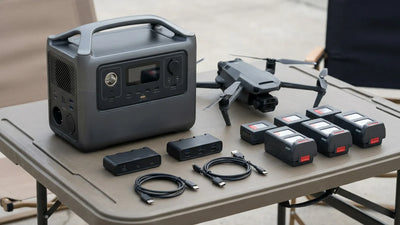
The Fly More Combo includes three batteries, a charging hub, spare propellers, and a shoulder bag. The included DJI bag is adequate for casual local use, but for travel we recommend upgrading to a structured soft case like the PGYTech OneMo Mini or a hard case like the Nanuk 915 with custom foam. This accommodates the drone, all three batteries, the RC-N2 controller, the charging hub, spare props, ND filters, and a micro SD card case — everything you need in one protected, organised package.

How much does it cost to repair DJI drone damage caused by poor storage?

Transport and storage damage — cracked gimbals, corroded circuit boards, or scratched lenses — is one of the most common issues we see at Reboot Hub. A chip-level gimbal module repair costs $200–280, main board repair runs $150–180, and ESC replacement is $70–90, with most repairs completed in 2–4 business days. A quality hard case at $40–210 prevents these failures entirely. Compare full pricing in our Reboot Hub DJI Repair Cost Database 2026, or contact our professional repair team for a free diagnostic assessment.

Can Reboot Hub create a custom foam insert for my existing drone case?

Yes. Reboot Hub's CNC foam cutting service creates precision-fit inserts for Pelican, Nanuk, SKB, and other popular case brands, typically costing $30–70 depending on complexity and completed in 1–2 business days. We take exact measurements of your drone, controller, batteries, and accessories to ensure a snug, professional-grade fit. You can visit our Shenzhen, China service centre in person or ship your case to us — contact us for a custom quote.

Reboot Hub · Support

Need Professional Help?

If your drone needs repair after troubleshooting, Reboot Hub offers certified chip-level repair in Shenzhen, China — genuine OEM parts, 90-day warranty.

Prev post
Next post

Leave a comment

Please note, comments need to be approved before they are published.

Thanks for subscribing!

This email has been registered!

Shop the look

Choose options

Edit option
Back In Stock Notification
this is just a warning
Login
Shopping cart
0 items
0%