Skip to content

Available 24/7: (852) 5537 6652

Support & Learning

DJI Smart Battery Care Guide: Maximise Life & Avoid Failure

by LauThomas 29 May 2026 0 comments

Your DJI smart battery is arguably the most important accessory you own. It powers every flight, determines your airtime, and—when neglected—can ground your drone permanently or, worse, become a safety hazard. Yet many pilots treat their batteries as an afterthought, charging them incorrectly, storing them carelessly, and ignoring the warning signs that failure is imminent. Whether you fly a Mini 4 Pro, Mavic 3 series, or an enterprise Matrice unit, the principles of smart battery care remain consistent. This guide from Reboot Hub—where MOHRSS Level 3 Advanced Technician certified professionals have diagnosed and serviced over 800 DJI smart battery units since 2022—walks you through every aspect of DJI battery maintenance—from daily charging habits and optimal storage voltage to temperature limits, cycle tracking, and knowing exactly when it's time to retire a pack. Follow these practices and you'll squeeze every useful cycle out of your investment while keeping your aircraft safe.

1. How Does DJI Smart Battery Technology Work?

Quick Answer: Most DJI smart batteries last 200–400 charge cycles (roughly 1.5–3 years). Maximise lifespan by charging only with official DJI chargers, storing at 40–60 % charge in a 22–28 °C environment, never charging hot packs, and monitoring cell balance and capacity via the DJI Fly app after every flight.

Before diving into care routines, it helps to understand what makes DJI's batteries "smart" and why that matters for maintenance. Unlike generic lithium-polymer (LiPo) packs, DJI smart batteries contain an integrated Battery Management System (BMS)—a small circuit board that monitors cell voltage, temperature, charge/discharge rates, and cycle count in real time. This data is communicated to the drone and the DJI Fly / DJI GO 4 app, giving pilots a live health dashboard during flight.

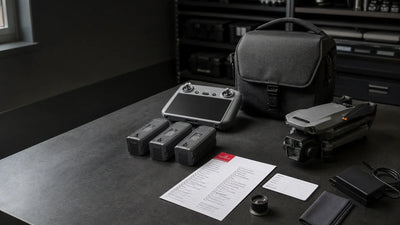
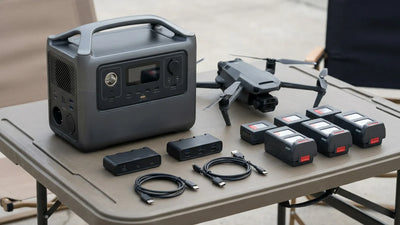
DJI Smart Battery Care Guide Maximise Life  Avoid - professional image

1.1 LiHV Chemistry Explained

Most modern DJI consumer batteries use LiHV (Lithium High Voltage) cells, which charge to a per-cell voltage of 4.35 V rather than the standard 4.20 V of regular LiPo. This higher voltage ceiling delivers more energy density—meaning longer flight times in the same physical package. However, LiHV cells are also more sensitive to overcharging, deep discharge, and temperature extremes. Respecting these limits is non-negotiable.

1.2 What the BMS Tracks for You

The built-in BMS records:

  • Charge cycle count — each full charge-discharge from 0 % to 100 % counts as one cycle.
  • Cell balance — the voltage difference between individual cells inside the pack.
  • Temperature history — whether the battery has been exposed to conditions outside the safe window.
  • Capacity degradation — the estimated remaining capacity compared to the original specification.

You can view this data in the app under Settings → Battery. Make it a habit to check these values after every flight session.

2. What Are the Best Charging Habits to Maximise DJI Battery Lifespan?

Charging is the single most impactful routine in battery care. Done right, it preserves capacity for hundreds of cycles. Done wrong, it can halve your battery's life—or cause a dangerous thermal event.

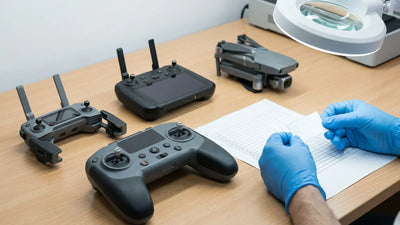
DJI Smart Battery Care Guide Maximise Life  Avoid - technical diagnostic close-up view

2.1 Use Only Official DJI Chargers

DJI chargers communicate with the BMS to regulate current and voltage precisely. Third-party chargers that bypass this handshake risk overcharging individual cells, which can lead to swelling, fire, or permanent capacity loss. If you need faster charging, use DJI's own charging hub designed for your model—it charges sequentially and balances cells automatically.

2.2 The 80/20 Charging Rule

If you plan to fly within 24–48 hours, charging to 100 % is fine. But for batteries you won't use immediately, aim for approximately 60–70 % charge (roughly two LED indicators lit). Keeping LiHV cells at full charge for extended periods accelerates electrolyte decomposition and capacity fade. DJI's own documentation recommends the same practice via the "Storage Mode" setting available on newer models.

2.3 Avoid Charging Hot Batteries

After a flight, your battery cells will be warm—sometimes hot if you flew aggressively or in high ambient temperatures. Always let the battery cool to room temperature (below 35 °C / 95 °F) before connecting it to a charger. Charging a hot pack forces lithium plating on the cell anodes, permanently reducing capacity. A 20–30 minute rest period is typically sufficient.

2.4 Charge in a Safe Environment

Place batteries on a non-flammable surface (ceramic tile, metal tray) inside a LiPo-safe bag or charging bunker. Never charge unattended on a bed, sofa, or carpet. Keep a fire extinguisher rated for lithium fires nearby. These precautions aren't paranoia—they're standard practice for anyone who has seen a LiPo runaway event.

2.5 Don't Interrupt Charging Unnecessarily

While the BMS handles partial charges gracefully, repeatedly unplugging a battery at 50 % and reconnecting it can confuse the BMS calibration over time, leading to inaccurate capacity estimates. Let each charge cycle complete unless you have a specific reason to stop early.

3. What Is the Best Way to Store DJI Batteries Long-Term?

How you store your batteries between flights matters just as much as how you charge them. A battery left at full charge in a hot car boot will degrade far faster than one stored correctly at room temperature.

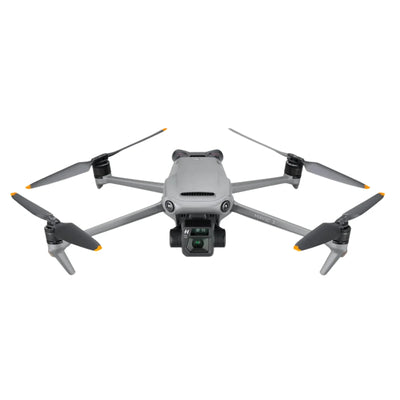
DJI Smart Battery Care Guide Maximise Life  Avoid - tools and equipment workspace setup

3.1 Optimal Storage Voltage

The ideal storage voltage for DJI LiHV batteries is approximately 3.85–3.90 V per cell (roughly 58–65 % of full charge). This corresponds to two LED indicators on most DJI battery models. At this voltage, the electrochemical stress on the cells is minimised, and self-discharge is low enough that the battery can sit for weeks without significant capacity loss.

Storage Duration Recommended Charge Level Notes
Less than 7 days 60–80 % Safe for short-term; can fly within a day.
1 week – 1 month 40–60 % (ideally ~55 %) Recharge partially before next flight.
1 – 3 months 40–50 % Check voltage every 30 days; top up if below 3.7 V/cell.
3+ months 40 % Self-discharge check monthly; may need full calibration cycle before flying.

3.2 DJI Auto-Discharge Feature

Most DJI smart batteries include an intelligent auto-discharge function. If a fully charged battery is left unused for a configurable period (typically 1–10 days, set via the app), the BMS will slowly discharge it to storage voltage. This is an excellent safety net, but don't rely on it exclusively—manually verify voltage with the app after long idle periods. You can find more detail on configuring auto-discharge in our DJI Firmware & Settings Guide.

3.3 Temperature During Storage

Store batteries in a cool, dry environment between 22–28 °C (72–82 °F). Never store batteries in direct sunlight, inside a car on a summer day, or in a humid garage. Extreme cold (below 0 °C / 32 °F) can also damage cells through lithium plating. If you live in a climate with temperature extremes, a climate-controlled room or a dedicated battery storage case with insulation is a worthwhile investment.

3.4 Physical Inspection Before Storage

Before putting a battery away for more than a week:

  1. Check for swelling or puffiness on all sides of the pack. Even slight deformation indicates internal gas build-up and the battery should be retired.
  2. Inspect the connector pins for corrosion, dirt, or damage. Clean with a dry cotton swab if needed.
  3. Ensure the firmware is up to date—BMS firmware updates sometimes improve charge algorithms and safety thresholds.

4. What Temperature Limits Should Every DJI Pilot Know?

Temperature is the silent killer of battery health. DJI's operating and charging temperature ranges exist for good reason—exceeding them, even briefly, accelerates degradation.

DJI Smart Battery Care Guide Maximise Life  Avoid - professional repair and inspection process

4.1 Operating (Flight) Temperature

Most DJI consumer batteries are rated for an operating temperature of −10 °C to 40 °C (14 °F to 104 °F). Flying outside this range triggers immediate risks:

  • Below −10 °C: Internal resistance spikes, voltage sags dangerously under load, and the BMS may trigger a forced landing mid-flight.
  • Above 40 °C: Cell temperature can exceed safe limits during high-throttle manoeuvres, causing thermal runaway risk and accelerated electrolyte breakdown.

In cold weather, pre-warm your battery to at least 20 °C before take-off. Store spares in an inside jacket pocket or use a chemical hand-warmer pack (not directly against the battery). Fly conservatively for the first 2–3 minutes to let internal resistance stabilise.

4.2 Charging Temperature

The charging temperature window is narrower: 5 °C to 40 °C (41 °F to 104 °F). Charging below 5 °C is one of the fastest ways to permanently damage LiHV cells through lithium plating. If you've been flying in cold conditions and your battery is below 5 °C, bring it indoors and wait at least 30 minutes before charging.

4.3 Summer Flying Precautions

If you're operating in Shenzhen's summer heat (regularly above 35 °C / 95 °F), take these steps:

  1. Store batteries in an insulated cooler bag (without ice packs—direct cold contact is equally harmful).
  2. Allow at least 15 minutes of cooling between flights.
  3. Reduce continuous high-speed flying; sustained throttle pushes cell temperatures up quickly.
  4. Monitor the "Battery Temperature" warning in the DJI Fly app. If it appears, land immediately.

For more tips on year-round drone operation in varying conditions, see our Seasonal Drone Maintenance Guide.

5. How Do I Track DJI Battery Cycles and Monitor Health?

Every DJI smart battery has a finite lifespan measured in charge cycles. Tracking these cycles—and the broader health metrics—lets you anticipate replacement rather than experiencing a mid-air failure.

5.1 What Counts as a Cycle?

A full charge cycle is cumulative: if you discharge from 100 % to 50 % and then recharge, that's 0.5 cycles. Two such sessions equal one full cycle. DJI's BMS keeps a running total accessible in the app.

5.2 Expected Cycle Life by Model

DJI Battery Model Typical Rated Cycles Capacity at End of Life
Mini 4 Pro / Mini 3 series 200–300 ~80 % of original
Air 3 / Air 2S 200–300 ~80 % of original
Mavic 3 / Mavic 3 Pro 200–400 ~80 % of original
Mavic 3 Enterprise (TB60) 200–400 ~80 % of original
Matrice 300/350 (TB60/TB65) 200–400 ~80 % of original

These figures assume proper care. Batteries that have been regularly over-discharged, charged while hot, or stored at full voltage may show significant capacity loss well before reaching the rated cycle count.

5.3 Key Health Indicators to Monitor

After each flight, review these metrics in the DJI Fly or DJI Pilot 2 app:

  • Cycle Count: Log it in a spreadsheet or battery tracking app. Once you pass 80 % of the rated cycles, start planning replacement.
  • Cell Voltage Spread: The difference between the highest and lowest cell voltage. A spread greater than 0.1 V after a full charge indicates cell imbalance or degradation.
  • Remaining Capacity: If the app reports full charge capacity at 80 % or less of the original spec, the battery is near end of life.
  • Charge Time: A battery that charges noticeably faster than when new is losing capacity—it simply holds less energy.

5.4 The Firmware Connection

DJI periodically releases BMS firmware updates that can improve battery safety, fix calibration issues, and refine auto-discharge behaviour. Always update battery firmware when prompted through the app or DJI Assistant 2. An outdated BMS may give inaccurate health readings, masking a battery that's actually degraded. If your BMS itself malfunctions, chip-level repair of the Battery Management Board at Reboot Hub costs $60–80, compared to $100–160 at authorised service centres in the US and Europe, with a turnaround of 2–4 business days. See the full breakdown in our Reboot Hub DJI Repair Cost Database 2026. Our certified technicians can also run a full diagnostic on your battery if you suspect the app readings are inaccurate—Reboot Hub's professional DJI repair service handles BMS-level diagnostics and component-level board repairs.

6. When Should I Replace My DJI Smart Battery?

No battery lasts forever. Recognising when to retire a pack—and doing so safely—is a critical part of responsible drone ownership.

6.1 Non-Negotiable Replacement Triggers

Retire a battery immediately if you observe any of the following:

  • Visible swelling or deformation of the battery casing, even minor puffiness.
  • Cracked or damaged casing from an impact or crash.
  • Rapid voltage drop during flight—the battery goes from 40 % to critical in seconds.
  • Error codes in the app such as "Cell Damaged," "Abnormal Battery," or "Battery Communication Error" that persist after firmware updates.
  • Physical heat—the battery feels warm or hot when idle (not after charging or flying).

6.2 Performance-Based Replacement Indicators

Even without obvious physical signs, a battery may need replacement based on performance:

  1. Noticeably shorter flight times compared to when the battery was new—more than a 20 % reduction under identical conditions.
  2. Capacity reading at or below 80 % of original specification in the app.
  3. Cycle count exceeding the rated limit by 20 % or more.
  4. Cell voltage imbalance exceeding 0.1 V consistently after balanced charging.

6.3 How to Safely Dispose of Old DJI Batteries

Never throw a DJI battery in household waste. Lithium batteries can cause fires in garbage trucks and recycling facilities. Instead:

  1. Discharge the battery to below 30 % using the DJI battery discharger or by leaving it in the drone powered on (without props) until it auto-shuts down.
  2. If the battery is damaged or swollen, place it in a sand-filled metal container for transport.
  3. Take it to a certified e-waste recycling centre. In Shenzhen, many electronics markets and community recycling points accept lithium batteries. Check your local district's waste management schedule.
  4. Many cities across mainland China also operate designated lithium battery collection points through local environmental services. Contact your community recycling centre for drop-off locations.

6.4 Buying Replacement Batteries

Always purchase replacement batteries from authorised DJI retailers or certified pre-owned dealers like Reboot Hub. Counterfeit batteries may lack proper BMS circuitry, use substandard cells, and can damage your drone or cause fires. If buying a pre-owned battery, verify the cycle count and capacity in the app before purchasing. We inspect every battery we sell and provide the health report—see our pre-owned drone and accessory inventory for tested, verified options.

Frequently Asked Questions

How long does a DJI smart battery last in terms of years?

With proper care, a DJI smart battery typically lasts 1.5 to 3 years of regular use before capacity drops below practical levels. Batteries that are flown frequently but charged and stored correctly tend to last longer than those left idle at full charge for months. The cycle count is a more reliable indicator than calendar age.

Can I leave my DJI battery charging overnight?

DJI chargers will stop charging once the battery reaches 100 %, so leaving it connected overnight won't technically overcharge it. However, it's not recommended as a regular practice. Keeping a LiHV battery at 100 % for extended periods accelerates degradation. If you must charge overnight, set a timer or use a smart plug that cuts power after 90 minutes (typical charge time). Always charge in a fire-safe location.

What is the safe temperature range for flying a DJI drone?

Most DJI consumer batteries operate safely between −10 °C and 40 °C (14 °F to 104 °F). The charging range is narrower at 5 °C to 40 °C. Always check your specific model's manual, as some enterprise batteries have different ratings. In cold weather, pre-warm batteries before flight and monitor for voltage sag warnings.

How do I check my DJI battery's health and cycle count?

Open the DJI Fly or DJI Pilot 2 app, connect your battery to the drone, and navigate to Settings → Battery. Here you'll find the cycle count, estimated remaining capacity, cell voltages, and any health warnings. For a more detailed diagnosis, connect the battery to a computer running DJI Assistant 2 and review the full battery log data.

Is it safe to use third-party or aftermarket DJI batteries?

No. Third-party batteries often lack the certified BMS that DJI batteries use for cell balancing, temperature monitoring, and communication with the drone's flight controller. Using an uncertified battery voids your DJI warranty, can cause unpredictable flight behaviour, and poses a genuine fire and crash risk. The small savings are not worth the danger to your aircraft, property, or personal safety. Always use genuine DJI batteries or verified pre-owned units from a reputable dealer.

How much does DJI battery management board repair cost?

Chip-level repair of a DJI Battery Management Board at Reboot Hub in Shenzhen, China costs $60–80, compared to $100–160 at authorised service centres in the US and Europe. Turnaround is 2–4 business days with a 90-day warranty on all component-level repairs. For a complete price breakdown across all DJI components, visit our Reboot Hub DJI Repair Cost Database 2026.

How do I get a quote from Reboot Hub for DJI battery or drone repair?

Submit your drone model, battery model, and a description of the issue through Reboot Hub's professional DJI repair service page. Our MOHRSS Level 3 certified technicians will respond within 24 hours with a detailed quote and shipping instructions. Most battery-related repairs are completed in 2–4 business days, and every repair includes a 90-day warranty.

Reboot Hub · Support

Need Professional Help?

If your drone needs repair after troubleshooting, Reboot Hub offers certified chip-level repair in Shenzhen, China — genuine OEM parts, 90-day warranty.

Prev post
Next post

Leave a comment

Please note, comments need to be approved before they are published.

Thanks for subscribing!

This email has been registered!

Shop the look

Choose options

Edit option
Back In Stock Notification
this is just a warning
Login
Shopping cart
0 items
0%