Error 500 (Server Error)!!1500.That’s an error.There was an error. Please try again later.That’s all we know.
תמצית מידע על מצב הקונה
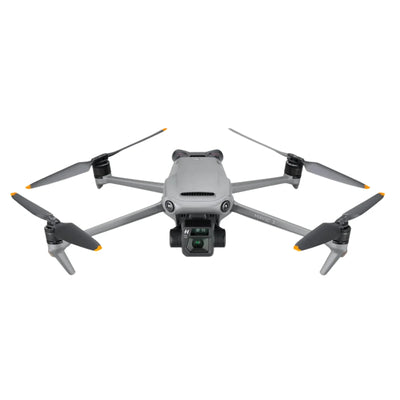
חותם, תווית מצב או תמונת רישום אינם קובעים את המצב או ההיסטוריה של מזל"ט מסוים. שמור את המטוס המדויק, הבקר, הסוללות, האביזרים, המזהים, תמונות המצב, רשימת הפריטים שסופקו, זהות המוכר, החשבונית והתנאים הכתובים ביחד. מצב הפריט, הוכחות לעסקה ותאימות מאוחרת יותר הן שאלות נפרדות.
מה צריך קונה קנדי לקבוע לפני שהוא בוחר בין הצעת מזל"ט משומשת לסגורה?
שכבת החלטה
הוכחות לשמירה
מה זה יכול להקים
מה שהיא לא יכולה לקבוע
פריט מדויק
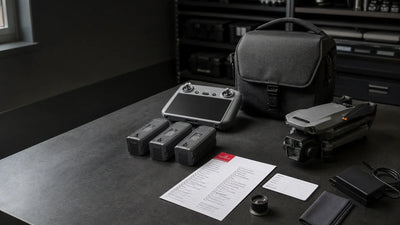
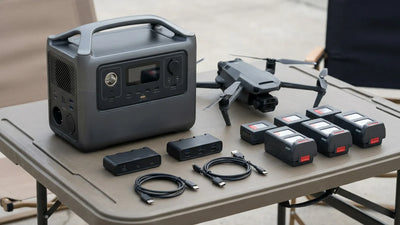
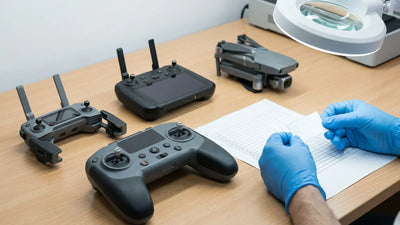
מטוסים, בקר, סוללות, אביזרים, מזהים, מצב ורשימת פריטים מסופקים
מה מוצע
שתווית מצב לבדה מוכיחה את הפריט
מוכר ועסקה
זהות המוכר, חשבונית, דרך תשלום, מצב כתוב, תנאי מסירה והחזרה
מי מציע את זה
תווית פלטפורמה או חשבון כהוכחה
סקירת ראיות
תמונות פריטים ברורות, עדויות חיות במידת הצורך, ערוצים רשמיים או מקומיים זמינים ותגובות כתובות
מה ניתן לבדוק
מצב או תוצאה מובטחים
גבול תאימות
שאלות אזור, חשבון, בקר, שפה ושימוש מקומי
מה עדיין צריך אישור
ראיות האותנטיות הללו מיישבות כל שאלה של שימוש מאוחר יותר
גבול החלטה
רישומי פריט, מוכר, עסקה וראיות מיושרים לפני התשלום
האם להמשיך
תוצאה אוניברסלית של ציוד משומש
הפוך את הפריט המדויק והראיות שלו לגלויות לפני שהכסף זז
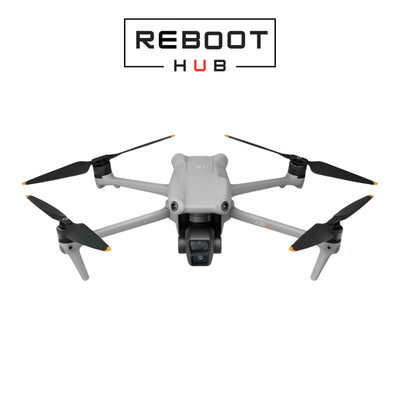
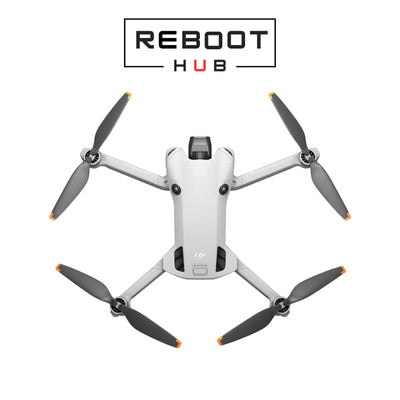
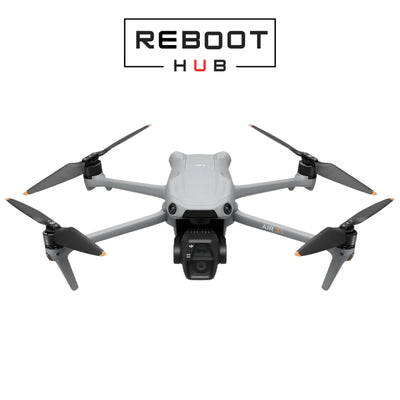
רשומת הקנייה השימושית היא הציוד בפועל והראיות הכתובות סביבו, לא תיאור שוק או טענה כללית. תפקיד Reboot Hub's הוא להציג את היחידה המוצעת, מצבה והפריטים המסופקים בבירור, להעלות את מה שידוע ולא ידוע ולשמור על תנאי העסקה הכתובים גלויים. הלקוח עדיין צריך להשהות כאשר הפריט והראיות אינם מתאימים.
כיצד על צוות להפוך את הסקירה לתוכנית פעולה?
פעולה
מה לשמור
שלב 1
רשום את המטוס המדויק, הבקר, הסוללות, האביזרים, המזהים, המצב והפריטים שסופקו.
שלב 2
שמור את זהות המוכר, חשבונית, מסלול תשלום ותנאי מסירה והחזרה בכתב ביחד.
שלב 3
בקש הוכחות ברורות והשתמש בערוצים רשמיים או מקומיים זמינים עבור העובדות בפועל.
שלב 4
הפרד בין עדויות אותנטיות לבין שאלות תאימות ושימוש מיועד.