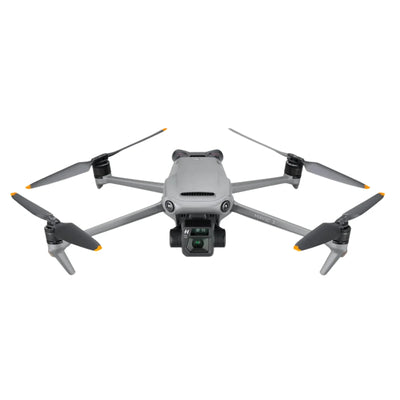
תקציר תצפית על חיות בר בשוודיה עם הפרעות נמוכות
מטרת תצפית על חיות בר, טענת מזל"ט שקט ומיקום יער הם תשומות נפרדות. התחל מהקשר המין הנצפה, ערכה מדויקת, קשר אחראי לאתר, קריטריוני עצירה וחלופת קרקע; אל תשתמש בנתון דציבלים, טענת מדחף או מאמר יער היסטורי כהבטחה שבעלי חיים לא יושפעו.
מה צריך צוות שבדיה לקבוע לפני שיציע תצפית על חיות בר הנתמכות ברחפן ביער?

מדוע תוכנית עם הפרעות נמוכות שימושית יותר מתביעת רעש בודדת?
ההקשר של חיות הבר יכול להשתנות עם המינים, העונה, השטח, האנשים והתגובה הנצפית ביום. הצהרת רעש מספרית אינה יכולה לחזות את התגובה הזו. תוכנית עם הפרעות נמוכות נותנת לצוות סדרי עדיפויות ברורים של תצפית, קריטריוני עצירה ושיטה חלופית תוך שמירה על הפרדה של תוואי האתר הנוכחי.
כיצד על צוות להפוך את הסקירה לתוכנית פעולה?
נתיבי Reboot Hub קשורים
שאלות נפוצות
האם מאמר שקט ברחפן יכול להבטיח שחיות הבר לא יופרעו?
לא. הקשר המינים, העונה, התגובה הנצפית, ערכה מדויקת ותוואי האתר הנוכחי זקוקים לסקירת פרויקט משלהם.
מדוע להשתמש בחלופת קרקע?
הוא מגן על מטרת התצפית כאשר אלמנט אווירי אינו מתאים להקשר הזמין.
מה שייך לתוכנית דלת הפרעות?
שמור את שאלת התצפית, ההקשר הנצפה, עדיפויות המסלול, קריטריוני עצירה, תגובת האתר הנוכחית ושיטה חלופית ביחד.
האם מדריך יער קובע גישה לתצפית על חיות בר?
לא. השתמש במסלול הנוכחי האחראי עבור המיקום בפועל, העונה והתצפית המוצעת.
מתי יש לבחון את תכנית התצפית?
סקור את זה כאשר הקשר המין, העונה, האתר, ערכה, התגובה הנצפית או העדויות מצריכים שינויים.
Keep exploring
Further reading
From ה-Reboot Hub Chronicle














From מדריכי מזל"ט