Mavic 4 Pro לעומת Mavic 3 Pro: שאלות באור חלש לחתונה
תמצית השוואת מודלים ותמצית עדות קונה
תשובה מהירה
- התחל עם הבדלי המצלמה הרשומים על ידי היצרן, ולאחר מכן אמת את המטוס המדויק, הבקר, הסוללות והמצב המוצעים. מפרטים אלה עוזרים למסגר את ההשוואה; הם לא מבטיחים תוצאה של חתונה באור נמוך.
- החלטה על חתונה באור חלש מצריכה הסכמה למקום, ראיות לחזרות, מטרה אווירית מוגבלת וניצול מצלמות קרקע. תווית מוצר חדשה יותר אינה משנה את הדרישות הללו.
- עבור הצעה משומשת או מיובאת, תיעד את המטוס, הבקר, הסוללות, המדחפים, הסדרתי, המצב, זהות המוכר, החשבונית וההחזרה לפני התשלום.
- שמור עובדות מודל, ראיות רכישה והחלטות תפעול מקומיות בקבצים נפרדים. זה מונע מהשוואת מכירות להיות בטעות כאישור אירוע או תוצאת ביצוע.

מה צריכה לאמת השוואה חדשה יותר לעומת מוקדמת יותר של Mavic?
| שאלה | עדות לשימוש | החלטה שהיא תומכת בה | אל תתבסס על זה |
|---|---|---|---|
| איזה דגם מוצע? | חומר מדויק של מטוסים, בקר, יצרן סדרתי ועדכני | האם הרישום מזהה ערכה תואמת אמיתית | תמונת רישום מועתקת או חלקית |
| אילו אפשרויות מצלמה חשובות? | סצנות ותצפיות חזרות מבוקשות | האם תוכנית מקום היא ריאלית | תביעה מועתקת בתאורה חלשה |
| איזו ערכה במצב לתרגל? | מדחפים, סוללות, בקר וגילוי מצב | האם הקונה יכול להעריך את הציוד האמיתי | סקירת מודל כללית |
| אילו סצנות דורשות נסיגה? | תקציר זוגי, כיוון מקום ותוכנית מצלמות קרקע | כמה רגעים מהותיים נשארים מכוסים | הנחה שיש צורך בתפיסה אווירית |
| איזו החלטה מקומית נותרה פתוחה? | מידע על מקום ומיקום נוכחי | מה צריך אישור נפרד | מפרט מוצר |

מה מראים מפרטי המצלמה הרשומים על ידי היצרן?
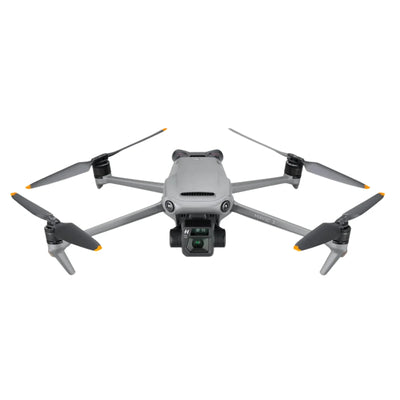
DJI מציגה מצלמה ראשית של 4/3 CMOS בשני המטוסים. המצלמה הראשית Mavic 4 Pro רשומה ב-100 MP עם טווח צמצם f/2.0-f/11; מצלמת Hasselblad הראשית Mavic 3 Pro רשומה ב-20 MP עם טווח f/2.8-f/11. אלו הן עובדות חומרה, לא הבטחה לגבי טקס מסוים, מקום או תוצאת מפעיל.
ההבדל במפרט יכול לעצב תוכנית בדיקה, אך הוא אינו מבטיח תוצאה של חתונה באור נמוך. השווה את המטוס המדויק, הבקר, הסוללות והמצב המוצעים, ואז תרגל את הסצנות המבוקשות במקום האמיתי תוך שמירה על הכיסוי החיוני במצלמת קרקע.
אילו שאלות חתונה צריכות לבוא לפני טענות טכניות?
שאלו אילו תצוגות חיצוניות חשובות, אילו רגעים זקוקים לשקט או פרטיות, היכן בני הזוג והמקום מתירים מטוס וכיצד מצלמה קרקעית תגן על הסצנות החיוניות. יש לבנות תוכנית עם תאורה נמוכה סביב מה שהאירוע יכול לתמוך, לא סביב ההבדל הגדול ביותר שנטען בין שני דגמים.
השתמש בחזרה או הערכת אתר כדי לזהות היכן האור משתנה, אנשים מתאספים או שכרטיס אווירי יוסיף ערך מועט. זה מאפשר לצוות לבחור את שיטת הלכידה הנכונה לכל רגע מבלי להכריח השוואה טכנית כדי לפתור שאלת מקום או הסכמה.

כיצד יש להעריך את הצעות ה-Mavic בפועל?
בנו את אותו קובץ קונה עבור שתי ההצעות: מטוס, בקר, סוללות, מדחפים, אביזרים, סדרתי, גילוי מצב, זהות המוכר, חשבונית, רשומת תשלום ותנאי החזרה. המוכר צריך להדגים פעולה רגילה של הערכה בפועל, כדי שהקונה יוכל לראות מה צריך תרגול לפני שהוא מקבל משרת לקוח.
השתמש ב-Drone Wiki ובמדריך ההשוואה להקשר המודל, ולאחר מכן שפוט את היחידה המשומשת על פי העדויות שלה. שם דגם מאוחר יותר אינו מוחק רשומות מצב חסרות, בעלות לא ברורה או אביזרים לא תואמים. על הקונה לבחור את הערכה שניתן לתעד ולהעריך בצורה רגועה.
מדוע החלטת האירוע בצרפת צריכה להישאר נפרדת?
השוואת מודלים אינה קובעת גישה למקום, פרטיות, הסכמת נכס או דרישות תפעול מקומיות עבור חתונה צרפתית. החלטות אלו תלויות במקום המדויק, באנשים, בפעילות המיועדת ובמידע עדכני. אשר אותם בנפרד עם המקום והמסלול הנוכחי האחראי.
תיק הציוד יכול לנסוע עם הקונה; יש לבנות את תיק האירוע עבור החתונה הספציפית. הפרדה זו מאפשרת לצוות לשנות את תוכנית הלכידה כאשר התנאים משתנים מבלי לבלבל את ראיות הרכישה עם הרשאה או מסקנות ביטוח.

מהי תוצאת ההשוואה הסופית השימושית?
התוצאה השימושית היא החלטה לדוגמה הקשורה לראיות ותוכנית חתונה הקשורה להסכמה. בחר את ההצעה עם רישום ערכה ברור, מסלול תרגול מתאים והתכונות שהייצור צריך בפועל, תוך שמירה על תוכנית מצלמות קרקע לרגעים שבהם המטוס לא שייך.
זה הופך את ההשוואה לעמידה. זה מחבר את העובדות העדכניות של היצרן ואת המצב המדויק של הערכה המוצעת לתוכנית המקום מבלי להמציא ספי תאורה חלשה, מחירי מכירה או תוצאה אוניברסלית.
אמת את הדגם לפני השוואת ערכת החתונה
השתמש ב-התייחסות לדגם Mavic 4 Proוהתייחסות לדגם Mavic 3 Proעבור קו הבסיס של המודל, ולאחר מכן השווה את ההצעה בפועל דרך העמוד ההשוואה DJI. מלאי Mavic מתועד זמין שייך לאוסף Mavic; דף הדגם אינו מחליף ראיות ברמת היחידה.
השתמש ב-Drone Wikiלהקשר של מודל ותאימות, ואז חזור לנתיב הפעולה שלמעלה.
Keep exploring
Further reading
From ה-Reboot Hub Chronicle
From מדריכי מזל"ט