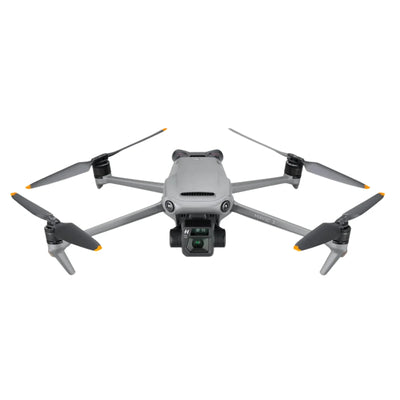
Mavic 3 Pro אור נמוך לחתונה: תוכנית לכידה מעשית
תקציר תכנון חתונה באור נמוך
תשובה מהירה
- יש לתכנן קטעי חתונה בתאורה נמוכה סביב המקום האמיתי, האור הזמין, האנשים והצילומים הנדרשים במקום הגדרת ISO המועתקת או תוצאת מעבדה נטענת.
- השתמש בחזרה או הערכת אתר כדי להחליט אילו צילומי חוץ הם מציאותיים, אילו רגעים שייכים למצלמה קרקעית ומתי המטוס צריך להישאר ארוז.
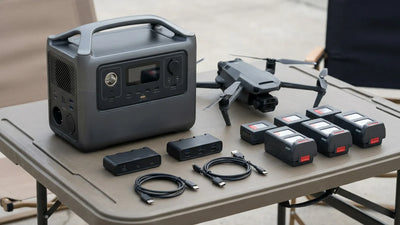
- ערכה משומשת של Mavic זקוקה למטוס תואם, בקר, סוללות, מדחפים, תיעוד מצב והדגמת פעולה רגילה לפני שיוקצה לעבודת הלקוח.
- שמור על גישה למקום ומידע תפעול מקומי נפרד מתכנון המצלמה. לא טענת חיישן ולא דוגמה לחתונה מהעבר מחליטים את התשובה לאירוע הבא.

מה צריכה להוכיח תוכנית לכידת חתונה באור נמוך?
| שכבת תכנון | עדות להכנה | החלטה שהיא תומכת בה | אל תחליף אותו ב |
|---|---|---|---|
| אור מקום | תצפיות חזרות והסצינות המבוקשות בפועל | אילו השקפות חיצוניות סבירות | הגדרת מצלמה שהועתקה |
| תזמון אירועים | קצר זוגי, לוח זמנים של המקום ורגעים שקטים | כאשר המטוס צריך להישאר מקורקע | רשימת צילומי חתונה גנרית |
| ציוד | מטוס בפועל, בקר, סוללות, מדחפים ורישום מצב | האם הערכה מתאימה לתרגול | שם דגם ברישום |
| שיטת לכידה | מצלמת קרקע, אפשרות אווירית ורצף גיבוי | איך סצנות מפתח נשארות מכוסות | כלי אחד לכל זריקה |
| הקשר הפעלה | מקום עדכני ומידע מקומי | מה צריך אישור נפרד | סיפור אירוע קודם |

מדוע לכידת תאורה נמוכה היא בעיה בתכנון מקום?
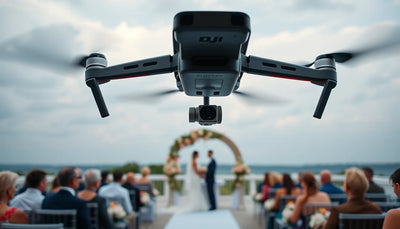
תאורה נמוכה משתנה מחדר לחדר ומרגע אחד של אירוע למשנהו. ייתכן שהגדרת מצלמה שנראית מבוקרת בהדגמת מוצר לא תתאים למעבר אפלולי, רצפה רפלקטיבית, אורחים נעים או קבלת פנים משתנה. התחל מהמקום בפועל, מהצפיות המבוקשות והרגעים שאי אפשר לחזור עליהם.
השאלה השימושית היא לא איזו הגדרה מועתקת מייצרת תוצאה אוניברסלית. זה האם הצוות יכול להתאמן על המראות החיצוניים המיועדים, להגן על רגעים חשובים באמצעות מצלמת קרקע ולהישאר מוכן לעצור את הצילום האווירי כאשר האור, האנשים או כיוון המקום משתנים.
מה יש לבדוק במהלך חזרה או הערכת אתר?
עברו על הסצנות המבוקשות עם בני הזוג או איש הקשר במקום. זהה אור זמין, השתקפויות, נתיבי כניסה, אזורים חיצוניים, אנשים שצריכים לקבל הודעה ואת החלופה המבוססת לכל רגע חשוב. שמרו על ההערכה פשוטה מספיק כדי שהצוות יוכל לעקוב אחריה בלחץ אירועים.
השתמש בחזרה כדי לתרגל רצף לכידה מאופק במקום לנסות להוכיח גבול טכני. אם המקום נעשה חשוך יותר, צפוף יותר או רגיש יותר מהצפוי, התוכנית צריכה כבר להסביר כיצד הצוות ישלים את הסיפור מבלי לשגר את המטוס.

כיצד יש להכין ערכת Mavic משומשת?
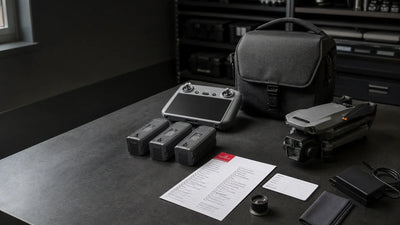
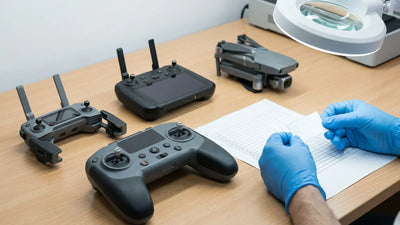
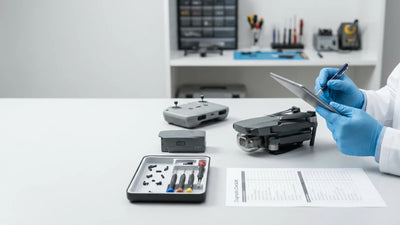
ערכת ייצור משומשת צריכה להגיע עם מטוס תואם, בקר, סוללות, מדחפים, אביזרים, תיעוד סדרתי, גילוי מצב, זהות המוכר, חשבונית ותנאי החזרה. בקש מהמוכר להציג את הפעולה הרגילה של הערכה בפועל לפני שהקונה מקצה אותה לאירוע.
בדוק את מצב המדחף הנראה לעין והשתמש בחומר היצרן הנוכחי למסלול התחזוקה או ההחלפה הנכון. הקונה צריך להתאמן עם הקונטרולר והסוללות בפועל בסביבה מתאימה, אבל אסור לבלבל חזרה מוצלחת עם הבטחה לגבי כל חתונה או מצב תאורה מאוחר יותר.
מדוע תכנון המצלמה צריך להישאר נפרד מהרשאה?
תוכנית באור נמוך עונה על האופן שבו הצוות מקווה ללכוד סצנה. היא אינה קובעת גישה, הסכמת נכס, דרישות תפעול מקומיות או אם מיקום מסוים מתאים. אשר את השאלות הללו עבור המקום והאירוע בפועל באמצעות האנשים והמידע העדכני החל על המצב הזה.
שמירת הקבצים נפרדת מגינה על האירוע. תיק הרכישה מתעד את הציוד; תיק המקום מסמכי גישה והסכמה; מסמכי קובץ הייצור לוכדים אפשרויות וגיבויים. הפרדה ברורה נמנעת מלהתייחס לדיון על יכולת המצלמה כאישור למיקום.

מהי החלטת הקנייה והייצור הרגועה יותר?
בחר ערכה מתועדת ותוכנית אירוע שמשאירה מקום למצלמה קרקעית. ה-Drone Wiki ומדריך ההשוואה מספקים הקשר לדגם, בעוד שתקן הדירוג עוזר לקונה לשאול שאלות שימושיות לגבי מצב לפני שהוא מתחייב למטוס משומש לעבודה מקצועית.
תוצאה טובה בתאורה נמוכה מגיעה מתוכנית שניתן לחזור עליה, לא מהגדרת קסם. הצוות צריך לדעת מה הוא צריך ללכוד, מה הוא ישאיר למצלמה הקרקע ומתי הוא יעצור במקום להכריח את המטוס לסצנה לא מתאימה.
השתמש ב-Drone Wikiלהקשר של מודל ותאימות, ואז חזור לנתיב הפעולה שלמעלה.
Keep exploring
Further reading
From ה-Reboot Hub Chronicle
From מדריכי מזל"ט