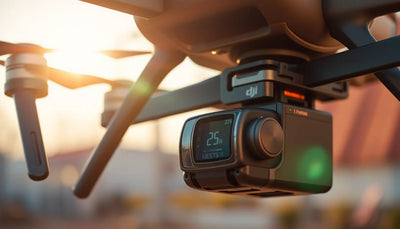
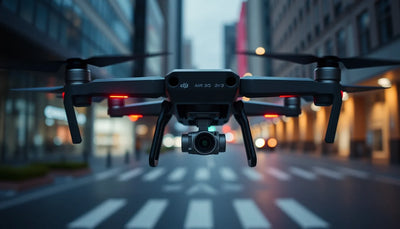
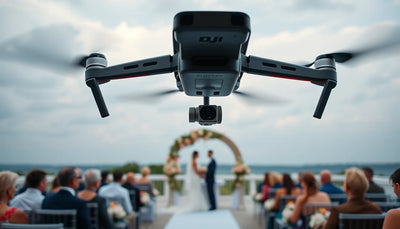
DJI Flip וידאו אנכי לאירועי דובאי: תכנון מקום
תקציר הפקה לאירוע אנכי של דובאי
תשובה מהירה
- לכידה אנכית יכולה להיות תוצאה שימושית לסיקור אירוע חברתי ראשון, אך היא אינה מחליטה אם ניתן להשתמש בכלי טיס במקום או באירוע מסוים בדובאי.
- התחל עם תקציר האירוע המדויק, איש קשר למקום, אזורים מול אנשים, מטרת הצילום, מפעיל בשם, תפקיד מטוס מתוכנן ואלטרנטיבה למצלמה קרקעית.
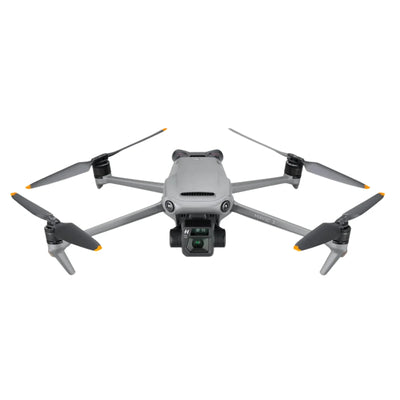
- עבור יד שנייהDJI Flip, בדוק את המטוס בפועל, הבקר, הסוללות, המצב הסדרתי, הנראה לעין ותפעול רגיל לפני שתתייחס אליו כאל ציוד ייצור.
- אל תתנו לסרטון וידאו אנכי קצר להפוך לטיסה מאולתרת. מקום, צילום, תעופה, פרטיות והחלטות של לקוחות יכולים כל אחד להזדקק למסלול הנוכחי שלו.

איזו שאלת אירוע דובאי שייכת לאיזו החלטה?
| שכבת החלטה | מה להכין | השלב הבא שימושי | אל תתייחס לזה כאל |
|---|---|---|---|
| תקציר יצירתי | תוצרים אנכיים, פלטפורמות מיועדות, רשימת צילומים וכיסוי מצלמות קרקע | הגדירו אילו קליפים הם אופציונליים ואילו רגעים זקוקים ל-fallback | הוכחה שהמקום או הטיסה מאושרים |
| מקום ולקוח | נכס מדויק, איש קשר לאירוע, אזורי אורחים, תזמון והגבלות גישה | שאל את המקום כיצד יש לתאם את הצילום והגישה לציוד | אישור גורף לכל פעילות מטוס |
| צילומי דובאי | מטרה, צוות, פרטי ייצור ופעילות הקלטה מוצעת | השתמש במסלול הצילומים הרלוונטי הנוכחי של דובאי לתקציר בפועל | תכונת מוצר או רשומת קונה |
| תפעול טיסה | שם מפעיל, כלי טיס, מיקום מוצע, שיטה, אנשים בקרבת מקום ומקרה | השתמש בנתיב התעופה הרלוונטי הנוכחי ובנתיב המקומי עבור הפעולה | הסכם מקום מקום בלבד |
| ערכה משומשת | מטוס, בקר, סוללות, סדרתי, מצב ורשומת מוכר | אמת את הערכה האמיתית לפני התשלום ושמור את התיעוד עם קובץ הייצור | תמונת רישום או שם דגם |

מה משנה סרטון אנכי בבריף אירוע?
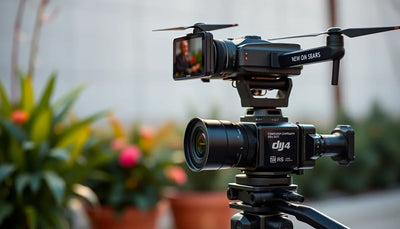
תוצר אנכי משנה מסגור, עריכה וציפיות הלקוח. זו יכולה להיות דרך שימושית לתכנן קליפים חברתיים ראשונים, אבל היא לא מפחיתה את הצורך להחליט אם מטוס שייך לאירוע הספציפי. ה-DJI Flip כולל אפשרויות צילום אנכיות, בעוד שתוצאת האירוע בפועל עדיין תהיה תלויה במיקום, בתאורה, באנשים, במפעיל, בתוכנית הצילום ובשיטת הצילום המותרת.
כתוב את הבריף במונחים מעשיים: אילו רגעים זקוקים לקליפ אנכי, אילו זוויות ניתן לתפוס מהקרקע ואילו צילומים הם אופציונליים. זה הופך שאלת מוצר להחלטת ייצור. זה גם מונע מפיצ'ר מצלמה להיות מוצג כהבטחה לגבי גישה למקום, הרשאת טיסה או תוצאת הלקוח.
כיצד צריך צוות אירוע דובאי להפריד בין החלטות מקום, צילום וטיסה?
אירוע דובאי יכול לכלול כמה שכבות החלטה נפרדות. המקום שולט בגישה לנכס ובתנאי האירוע שלו. תקציר צילום יכול לדרוש מסלול דובאי נוכחי משלו. יש להעריך את פעולת המטוס המוצעת באמצעות הנתיב הרלוונטי העדכני והמקומי באמצעות המקום האמיתי, המפעיל, המטרה, השיטה והאנשים בקרבת מקום. תשובה חיובית בשכבה אחת אינה מיישבת את השכבות האחרות.
שתף תקציר הפקה ברור לפני האירוע: מיקום, לקוח, צוות, הקלטה מיועדת, תפקיד מטוס, תזמון מוצע וחלופת קרקע. שאל את הרשויות הרלוונטיות ואנשי הקשר הנוכחיים לגבי התוכנית בפועל במקום להסתמך על סיכום מקוון, פוסט מבקרים ישן יותר או הצהרת מוכר. אם התוכנית משתנה, התייחס לתוכנית החדשה כשאלה חדשה.
- שמור על גישה לנכס נפרד מטיפול תעופה.
- תאר את מטרת המצלמה מבלי להניח שהיא עונה על שאלת הטיסה.
- שם המפעיל בפועל ואזור הפעלה שמרני.
- תכנן גרסה קרקעית בלבד של כל רגע אירוע חיוני.

אילו צילומים אנכיים יש לתכנן לפני בחירת ציוד?
תחילה בחר את התוצרים החיוניים. הגעה קצרה, חשיפת מקום, כניסה או רצף פרטים עשויים להיות שימושיים לעריכה אנכית, אך צוות הפקה צריך לדעת כיצד זה יכוסה כאשר הטיסה אינה מתאימה. מצלמות קרקע, זוויות קבועות וצילומים שסופקו על ידי הלקוח יכולים להגן על העריכה מבלי ליצור לחץ להפעיל מטוס במיקום לא פתור.
השתמש ברשימת צילומים פשוטה שמתייגת כל תפס אוויר כאופציונלי, מותנה או ניתן להחלפה. זה עוזר למפעיל לתקשר עם המקום והלקוח. זה גם נותן לקונה דרך טובה יותר להחליט אם מזל"ט קומפקטי יד שנייה מתאים באמת לתפקיד הייצור, במקום לקנות מרשימת תכונות בלבד.
מה יש לאמת בערכת יד שנייה DJI Flip?
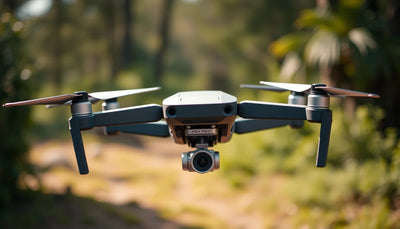
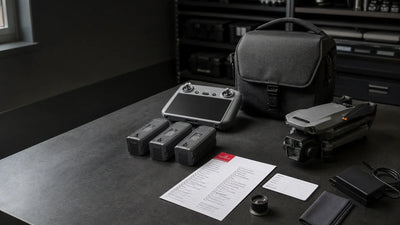
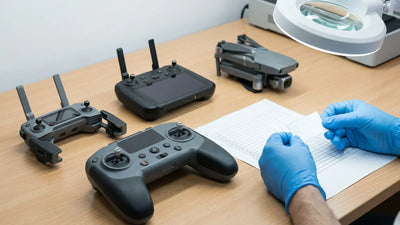
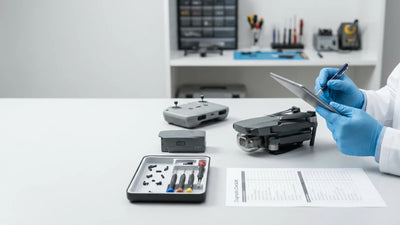
אמת את המטוס בפועל במקום תמונה ברישום. בקש מהמוכר להראות את ה-DJI Flip, בקר, סוללות, אביזרים כלולים, מצב סדרתי, גלוי ותפעול רגיל כערכה מותאמת אחת. שמור את זהות המוכר, החשבונית, נתיב התשלום וכל תנאי או גילוי תיקון ביחד. צוות הפקה זקוק לשביל הוכחות עבור הערכה הספציפית שהוא מתכוון לשאת לאירוע.
דפי ההפניה וההשוואה למודל יכולים לעזור לצמצם את הקטגוריה. הם אינם מחליפים ביקורת יחידה, החלטת מקום או מסלול ההפעלה הנוכחי של דובאי. יש לקרוא גם הצהרת אחריות או שירות כפי שנכתבה עבור הרכישה בפועל; אין להציג אותו כפתרון קבוע לאירוע, תוכנית נסיעה או טיסה עתידית.

מדוע על הפקה לשמור על חלופה קרקעית?
חלופה קרקעית נותנת ללקוח עריכה שמישה כאשר רצף אווירי מתעכב, לא מתאים או לא זמין. זה תומך בקבלת החלטות בטוחה יותר מכיוון שהצוות יכול לעצור במקום לנסות להציל ירייה קריטית לאירוע עם מטוס. האלטרנטיבה יכולה להיות פשוטה כמו עמדת מצלמה מתוכננת, חשיפה אחרת, רצף פרטים או תחליף מאושר על ידי הלקוח.
רשום את ההחלטה בגיליון השיחות עם איש הקשר, המפעיל ומוביל הלקוח. תוכנית עקבית מגנה על חווית האירוע ושומרת על הקונה ממוקד בערכה מתועדת ובתפקיד הפקה בר השגה, במקום הבטחה שמזל"ט מצלמה קומפקטי יפתור כל אילוץ של אירוע דובאי.
כיצד על קונה להפוך את הבריף לנתיב פעולה?
התחל עם תקציר האירוע, ולאחר מכן השתמש במסלולים הנוכחיים של דובאי ובקשר למקום עבור הפעילות האמיתית. לאחר שהצוות יודע מהו תפקיד ההפקה המקובל, השתמש בדף ההשוואה Drone Wiki ו-DJI כדי להשוות את הקטגוריה. לבסוף, השתמש במשאבי מוכר, סדרתי ודירוג כדי להעריך יחידת יד שנייה. רצף זה שומר על הרכישה מחוברת לתרחיש אמיתי במקום הבטחה גנרית לאירועי יוקרה.
שמור את הראיות של המטוס, תקציר הלקוח, התכתבות במקום וחלופה ללא טיסה ביחד. אם החלטה כלשהי נותרה בלתי פתורה, שנה את הצילום והגן תחילה על העריכה. זוהי תוצאה מקצועית חזקה יותר מאשר להתייחס לכותרת מוצר, להגדרה אנכית או לתקציר תקנון ישן כהרשאה להמשיך.
השתמש ב-Drone Wikiלהקשר של מודל ותאימות, ואז חזור לנתיב הפעולה שלמעלה.
Keep exploring
Further reading
From ה-Reboot Hub Chronicle
From מדריכי מזל"ט