الاستلام الآمن لبطاريات الطائرات بدون طيار من الصين: دليل للموافقة على بطارية الليثيوم في CAAT
دليل السيناريو Reboot Hub
ملخص المشتري: فحوصات الترخيص وقواعد التشغيل

الحالة:الحصول على بطاريات الطائرات بدون طيار بأمان من الصين للحصول على الموافقة على بطارية الليثيوم. يجيب هذا الدليل على الموقف المحدد أولاً، ثم يوصل القارئ بمسار شراء Reboot Hub الذي تم التحقق منه.
استخدم الحالة أولاً
الترفيه المنفصل والتصوير التجاري والتفتيش والتعدين ورسم الخرائط والأحداث قبل تفسير القواعد.
فحص السلطة
التحقق من التسجيل ورخصة الطيار والمجال الجوي المحظور والتأمين وقواعد الخصوصية مع السلطة المختصة.
تأثير الشراء
يمكن للقواعد تغيير النموذج الصحيح والحمولة ووحدة التحكم والأوراق ووثائق البائع المطلوبة قبل الاستيراد.
أدلة Reboot Hub ذات الصلة:مقارنة الطائرات بدون طيار 2026أدلة الجمارك وضريبة القيمة المضافةأدلة الضمان والإصلاحمعيار Reboot Hub
الجواب السريع
- موافقة CAAT مطلوبة لجميع بطاريات الليثيوم التي تزيد طاقتها عن 100 وات في الساعةshipped from China — expect $85–$220 in certification fees per battery model, with a 5–8 business day processing window.
- تكلف تقارير الاختبار UN38.3 ما بين 450 إلى 1200 دولاراعتمادًا على سعة البطارية؛ هذه هي الوثيقة الأساسية التي يطلبها مراجعو CAAT قبل منح تصريح الشحن الجوي.
- تواجه البطاريات التي يتم الإعلان عنها بشكل غير صحيح غرامات تتراوح بين 5000 و25000 دولارلكل انتهاك بموجب لوائح الاتحاد الدولي للنقل الجوي للبضائع الخطرة، بالإضافة إلى المصادرة الجمركية في المحاور الرئيسية مثل مطار هونغ كونغ الدولي.
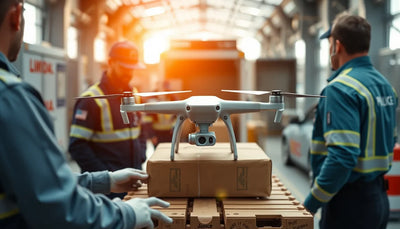
- يؤدي شحن DDP من Shenzhen/HK إلى إزالة الاحتكاك الجمركي— تتعامل Reboot Hub مع جميع وثائق CAAT، وأوراق MSDS، وإقرارات DG حتى تصل بطاريات الطائرات بدون طيار الخاصة بك إلى باب منزلك دون أي رسوم مفاجئة.
- يتم شحن البطاريات بدون تصريح CAAT بمعدل تأخير يتراوح بين 14 إلى 21 يومًافي الميناء، في حين يتم تخليص الشحنات الموثقة بالكامل من الجمارك خلال 2-4 أيام عبر نقاط الدخول في الولايات المتحدة والاتحاد الأوروبي.
ما هو بالضبط موافقة CAAT على بطارية الليثيوم؟
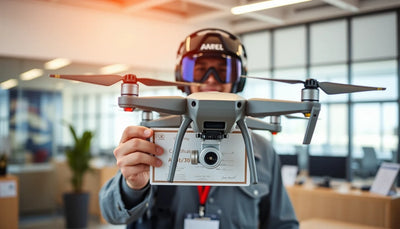
The CAAT lithium battery approval framework — administered by the Civil Aviation Administration of China in coordination with IATA — governs how lithium-ion drone batteries are classified, packaged, documented, and transported via air freight from mainland China and Hong Kong. Any battery exceeding 100 watt-hours (Wh) falls under Class 9 dangerous goods (UN3480 or UN3481), triggering mandatory testing, labeling, and carrier notification before it can legally board an aircraft. For drone operators importing from Shenzhen, this means every battery shipment must carry a valid UN38.3 test summary, a Material Safety Data Sheet (MSDS), and a Dangerous Goods Declaration (DGD) signed by a certified DG specialist. The CAAT review itself costs between $85 and $220 per battery model, depending on capacity tier and whether the battery is shipped alone (UN3480) or installed in a device (UN3481). Processing takes 5–8 business days under normal conditions, though peak shipping seasons around Chinese New Year can stretch that to 10–12 days. Without CAAT clearance, your shipment gets flagged at Hong Kong International Airport's cargo screening — where roughly 340 lithium-related cargo rejections occur monthly — and your batteries sit in a bonded warehouse accruing $18–$35 per day in storage fees until documentation is resolved.
ذات صلة:طائرة بدون طيار لمؤشر NDVI لرسم خرائط مزرعة القمح في المملكة العربية السعودية تحت
ما هي تكلفة شحن بطاريات الطائرات بدون طيار المعتمدة من CAAT؟
Shipping CAAT-approved drone batteries from Shenzhen or Hong Kong involves a layered cost structure that catches first-time importers off guard. The UN38.3 testing fee — mandatory for all lithium batteries before CAAT will even look at your application — ranges from $450 for small single-cell packs under 20Wh to $1,200 for high-capacity drone batteries exceeding 200Wh. Add the CAAT approval filing fee of $85–$220, the MSDS preparation charge of $60–$150, and the Dangerous Goods surcharge from carriers like Cathay Pacific Cargo or FedEx Express, which adds $0.45–$0.80 per kilogram on top of standard freight rates. For a typical shipment containing four DJI TB60 batteries (each 274Wh), total compliance costs land between $680 and $940 before you pay a single dollar in actual shipping. The freight itself runs $8–$14 per kilogram for DG-accepted air cargo from HKG to LAX or JFK, with a 3–6 day transit window. DDP (Delivered Duty Paid) services — which Reboot Hub includes as standard on all battery shipments — wrap every one of these costs into a single upfront price, so you're not fielding surprise invoices from customs brokers or storage facilities. A complete DDP shipment of two high-capacity drone batteries with full CAAT documentation typically lands at $320–$480 all-in, compared to $180–$260 for bare freight that leaves you holding all the paperwork risk.
ذات صلة:SACAA الجزء 101 لعمليات الطائرات بدون طيار للعقارات التجارية مع DJI
ما هي نماذج بطاريات الطائرات بدون طيار التي تتطلب أكبر قدر من التدقيق بموجب CAAT؟

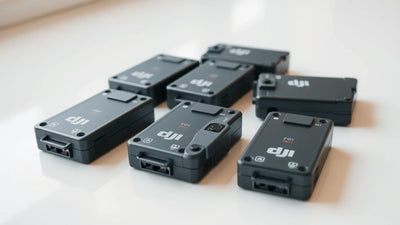
Not all drone batteries face equal regulatory heat. Batteries rated above 160Wh automatically trigger enhanced CAAT review, requiring additional thermal runaway test data and a mandatory state-of-charge limit of 30% or less during transport. This directly affects popular professional drone batteries like the DJI TB60 (274Wh, used on the Matrice 300 RTK), the DJI WB37 (37Wh, below threshold but still requiring UN38.3), and the Autel EVO Max 4T battery (128Wh, right in the moderate-risk band). The table below breaks down common drone battery models, their CAAT risk classification, and typical approval turnaround times based on real shipment data from Shenzhen freight forwarders in 2024.
| طراز البطارية | السعة (وات) | فئة المخاطر الخاصة بـ CAAT | وقت الموافقة | مؤسسة. تكلفة الامتثال |
|---|---|---|---|---|
| بطارية DJI Mini 4 Pro | 18.1 | منخفض (UN3481 فقط) | 3-5 أيام | 85 دولارًا – 130 دولارًا |
| بطارية الطيران الذكية DJI Mavic 3 | 77 | معتدل | 5-7 أيام | 150 دولارًا – 220 دولارًا |
| بطارية أوتيل إيفو ماكس 4T | 128 | متوسطة إلى عالية | 6-8 أيام | 180 دولارًا – 260 دولارًا |
| DJI TB60 (Matrice 300) | 274 | عالية - مراجعة محسنة | 8-12 يومًا | 280 دولارًا - 420 دولارًا |
| DJI TB65 (Matrice 350) | 285 | عالية - مراجعة محسنة | 8-12 يومًا | 290 دولارًا - 440 دولارًا |
Batteries in the high-risk category face additional packaging mandates: each battery must be individually wrapped in anti-static material, placed inside a UN-specification fiberboard box (4G or 4GV rated), and surrounded by at least 40mm of vermiculite or equivalent non-combustible cushioning. The outer package must display the Class 9 lithium battery hazard label (minimum 120mm × 110mm) and a CAAT-specific cargo aircraft-only sticker when applicable. Reboot Hub's Shenzhen facility pre-packages all high-capacity batteries to these exact specifications before they ever reach the cargo terminal, which eliminates the $75–$150 repackaging fees that Hong Kong cargo handlers charge for non-compliant shipments.
ماذا يحدث إذا تخطيت موافقة CAAT على شحنات بطاريات الطائرات بدون طيار؟
Attempting to ship lithium drone batteries from China without CAAT clearance is a gamble with odds that get worse every year. Hong Kong International Airport processed 36,700 lithium battery-related cargo incidents in 2023, with 12% resulting in full shipment rejection and return-to-shipper orders. When a non-compliant battery shipment gets flagged — and modern X-ray screening at HKG catches undeclared lithium with 94% accuracy — the immediate consequences include a minimum $850 dangerous goods misdeclaration penalty, confiscation of the entire consignment (not just the batteries), and a 14–21 day hold while investigators determine whether criminal negligence charges apply. The IATA Dangerous Goods Regulations authorize fines ranging from $5,000 for first-time administrative errors to $25,000 for deliberate concealment, and US Customs and Border Protection mirrors these penalties on the import side. Beyond fines, your shipper profile gets red-flagged across multiple carriers — once you're in the FedEx, UPS, and DHL dangerous goods violation databases, every future shipment faces mandatory physical inspection for 6–12 months. One drone parts importer we spoke with in 2024 reported $12,800 in combined fines and lost inventory after a single undeclared TB60 shipment got caught at HKG, not counting the 23-day pause on all their other freight while the investigation ran its course. The stark reality: skipping a $220 CAAT filing to save money exposes you to a minimum downside of $5,850 in fines and fees.
لماذا تشتري من Reboot Hub؟
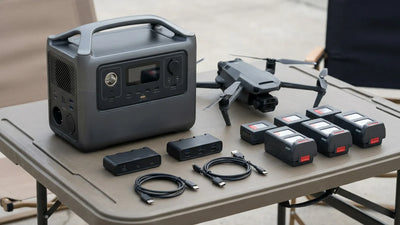
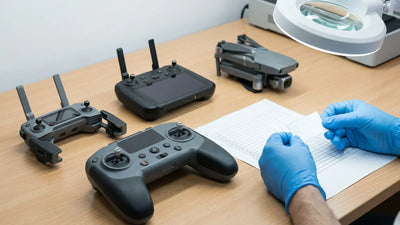
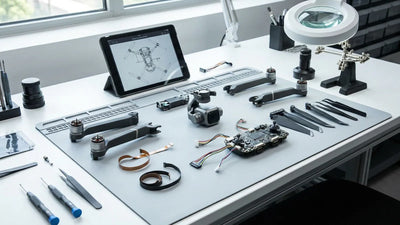
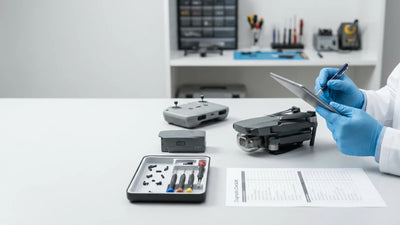
Reboot Hub eliminates the entire CAAT compliance headache by handling every step of lithium battery logistics in-house from our Shenzhen and Hong Kong facilities. Every drone battery we ship — whether it's a Flawless A+ grade unit with activation-only history or a Pristine Pre-Owned A-grade battery with minimal use and zero visible marks — goes through a multi-point inspection that includes battery health verification, cycle count documentation, and physical casing integrity checks. We use only genuine OEM parts, never third-party cells, which matters enormously for CAAT documentation because the UN38.3 test reports must match the exact battery model and manufacturer. Our 180-day warranty covers battery defects including premature capacity degradation below 80% within the warranty period, and our DDP shipping means the price you see is the price you pay — landed at your door with all duties, taxes, and CAAT documentation fees absorbed. Our Hong Kong drop-off facility accepts battery repair jobs with 3–5 day turnaround, staffed by MOHRSS Level 3 certified technicians operating a chip-level repair bench capable of diagnosing and replacing individual cells, BMS boards, and connector assemblies. When you buy a drone battery from Reboot Hub, the CAAT paperwork is already done, the packaging is already UN-spec, and the freight routing is pre-cleared with DG-accepted carriers — your battery arrives in 4–7 business days to most US addresses, compared to 14–28 days if you navigate the process independently.
مسار حل السيناريو
أبقِ هذه الإجابة متصلة بمكتبة السيناريوهات Reboot Hub
تنتمي هذه المقالة إلى فرع القواعد/الترخيص. استخدم المركز لمقارنة أسئلة المشتري القريب والفحوصات وأدلة الخطوة التالية.
افتح مسار سيناريو القواعد/الترخيصالأسئلة المتداولة

س: ما المدة التي تستغرقها الموافقة الفعلية على بطارية الليثيوم CAAT بالنسبة لبطاريات الطائرات بدون طيار من شنتشن؟
ج: تستغرق موافقة CAAT القياسية من 5 إلى 8 أيام عمل للبطاريات التي تقل قدرتها عن 160 وات في الساعة مع الوثائق الكاملة. تتطلب البطاريات ذات السعة العالية التي تزيد عن 160 وات في الساعة مراجعة معززة، مما يؤدي إلى تمديد الفترة إلى 8-12 يوم عمل. تتوفر المعالجة السريعة بمبلغ إضافي يتراوح بين 120 إلى 180 دولارًا أمريكيًا وتخفض فترة التسليم إلى 3 إلى 4 أيام عمل. تفترض هذه الأطر الزمنية أن تقرير اختبار UN38.3 الخاص بك صالح بالفعل - إذا كنت بحاجة إلى اختبار جديد، أضف 6 إلى 10 أيام عمل و450 إلى 1200 دولار إلى المخطط الزمني. تحتفظ Reboot Hub بشهادات UN38.3 الحالية لكل طراز بطارية نبيعه، لذا فإن شحناتنا تتجاوز قائمة انتظار الاختبار تمامًا وتنتقل مباشرةً إلى ملف CAAT.
س: ما الفرق بين موافقة UN38.3 وCAAT - هل أحتاج إلى كليهما؟
A: Yes, you need both. UN38.3 is the international safety testing standard that proves a lithium battery won't explode, leak, or catch fire under altitude simulation, thermal cycling, vibration, shock, external short circuit, impact, overcharge, and forced discharge conditions. CAAT approval is the Chinese regulatory clearance that references your UN38.3 report and authorizes the battery to leave China via air freight. Think of UN38.3 as the lab certification ($450–$1,200, valid for 2 years) and CAAT as the export permit ($85–$220, valid per shipment). Without UN38.3, no CAAT filing is possible. Reboot Hub packages both into our DDP shipping — you receive the battery with all paperwork already resolved.
س: هل يمكنني شحن بطاريات الطائرات بدون طيار عبر الشحن البحري لتجنب قواعد CAAT؟
A: Technically yes — sea freight falls under IMDG Code regulations rather than CAAT/IATA air freight rules — but the tradeoffs are significant. Ocean shipping from Shenzhen to Los Angeles takes 18–26 days versus 3–6 days by air, and lithium batteries still require UN38.3 documentation, MSDS sheets, and proper DG declaration for maritime transport. The cost savings are modest: sea freight runs $2.50–$4.80 per kilogram compared to $8–$14 for air, but you add port handling fees ($65–$120), customs exam risk (roughly 8% of DG sea shipments get pulled for physical inspection at US ports), and 5–8 days of inland trucking. For batteries under 100Wh, air freight with CAAT clearance is almost always the better value when you factor in the time cost.
س: ما الذي يغطيه بالفعل ضمان بطارية Reboot Hub لمدة 180 يومًا؟

A: Our 180-day warranty covers battery defects including failure to charge, failure to communicate with the drone, physical swelling exceeding 2mm beyond factory tolerance, and capacity degradation below 80% of the rated watt-hours within the warranty period. We test every battery's cycle count during our multi-point inspection — Flawless A+ batteries typically show 0–3 cycles, while Pristine Pre-Owned A-grade units range from 5–25 cycles. If a covered defect emerges, we provide a prepaid return label (Hong Kong drop-off available for local customers), complete the repair or replacement at our Shenzhen chip-level facility within 3–5 business days, and ship the replacement with full CAAT documentation at no additional cost.
س: ما مقدار المال الذي يمكنني توفيره بشكل واقعي عند شراء بطاريات الطائرات بدون طيار مستعمل مقابل البطاريات الجديدة؟
ج: عادةً ما تكون تكلفة بطاريات الطائرات بدون طيار مستعمل من Reboot Hub أقل بنسبة 35-55% من نظيراتها الجديدة من OEM. تُباع بطارية DJI TB60 الجديدة بسعر 699 دولارًا أمريكيًا - تباع وحدات Pristine مستعمل TB60 من الفئة A مع 8-20 دورة مقابل 340 دولارًا - 390 دولارًا، وهو ما يمثل توفيرًا بنسبة 44-51% مع نفس الضمان لمدة 180 يومًا والشحن المتوافق مع CAAT. تبلغ تكلفة بطارية Autel EVO Max 4T الجديدة 279 دولارًا؛ يوفر مخزوننا مستعمل بسعر 145 دولارًا - 175 دولارًا توفيرًا بنسبة 37 إلى 48٪. عبر أسطول مكون من أربع بطاريات Matrice 300، يوفر اختيار Reboot Hub مستعمل مبلغًا يتراوح بين 1,236 دولارًا و1,436 دولارًا مقابل شراء بطاريات جديدة، بينما لا يزال يتلقى بطاريات معتمدة من UN38.3 ومعتمدة من CAAT مع تواريخ دورة موثقة.
س: ماذا يحدث إذا تم احتجاز شحنة بطارية الطائرة بدون طيار الخاصة بي في الجمارك على الرغم من حصولي على موافقة CAAT؟
ج: تعتبر عمليات الحجز الجمركي على الشحنات المعتمدة من حملة مكافحة تجارة الأسلحة نادرة (حوالي 3-5% من شحنات الشحن الجوي الموثقة التي تنفذها المديرية العامة تواجه تأخيرات فحص ثانوية) ولكن يمكن حلها خلال 2-4 أيام عمل عندما تكون الوثائق المناسبة موجودة في الملف. السبب الأكثر شيوعًا هو التفتيش العشوائي للبضائع الخطرة من قبل هيئة الطيران المدني في بلد الوجهة - سيطلبون ملخص اختبار UN38.3 وMSDS وشهادة موافقة CAAT. إذا قمت بالشراء من خلال خدمة DDP الخاصة بـ Reboot Hub، فإن فريق اللوجستيات لدينا يوفر هذه المستندات في غضون ساعتين من الطلب ويتولى جميع الاتصالات مع وسطاء الجمارك. إذا امتد التعليق لأكثر من 5 أيام عمل بسبب مشكلات تتعلق بالوثائق من جانبنا - وهو ما حدث في أقل من 0.3% من شحناتنا لعام 2024 - فإننا نعيد سعر الشراء وتكلفة الشحن بالكامل.
س: هل هناك حدود لكمية عدد بطاريات الطائرات بدون طيار التي يمكنني استيرادها بموجب موافقة CAAT واحدة؟
ج: نعم. تقيد لوائح CAAT شحنات بطاريات الليثيوم ذات فاتورة مجرى الهواء الواحد بوزن صافي للبطارية يبلغ 35 كجم لطائرات الركاب ووزن غير محدود لطائرات الشحن فقط (CAO)، على الرغم من أن شركات النقل الفردية تفرض قيودًا أكثر صرامة. تحدد شركة Cathay Pacific Cargo شحنات بطاريات الطائرات بدون طيار بـ 4 بطاريات لكل حزمة خارجية و8 بطاريات لكل بوليصة شحن جوي رئيسية عند شحن UN3480 (البطاريات فقط)، بينما تحدد FedEx Express بطاريات الليثيوم من القسم II ببطاريتين لكل حزمة لـ PI967 (البطاريات الموجودة في المعدات). إذا كنت تطلب 6 بطاريات طائرات بدون طيار عالية السعة أو أكثر، فإن Reboot Hub تقوم بتقسيمها عبر فواتير طيران متعددة دون أي رسوم إضافية للبقاء ضمن الحدود الخاصة بشركة النقل - وهذا يضيف 1-2 يوم عمل إلى إجمالي وقت النقل ولكنه يضمن الامتثال لكل رابط في السلسلة اللوجستية.
الأسئلة الشائعة
ما الذي يجب أن أتحقق منه أولاً للحصول على بطاريات الطائرات بدون طيار من الصين بأمان للحصول على الموافقة على بطارية الليثيوم؟
فصل الاستخدام الترفيهي عن العمل التجاري، ثم التحقق من التسجيل ورخصة الطيار وموافقة المجال الجوي والتأمين وقواعد الخصوصية مع السلطة المختصة.
هل تغير قواعد الطائرات بدون طيار قرار الشراء؟
نعم. يمكن للوزن والكاميرا والحمولة وإعداد البطارية ونوع وحدة التحكم والأوراق تغيير طراز مستعمل DJI العملي.
هل يمكن لهذه المقالة أن تحل محل المشورة القانونية الرسمية؟
لا، تعامل معها كقائمة مرجعية لتخطيط المشتري وقم بتأكيد القواعد الحالية مع هيئة الطيران أو الجمارك أو السلطة المحلية المذكورة.
مصادر رسمية:CAAC — منصة إدارة عمليات الطائرات بدون طيار (UOM). تتغير لوائح الطائرات بدون طيار بشكل متكرر - تحقق دائمًا من القواعد الحالية مع هيئة الطيران قبل السفر.
المرجع الفني والمواصفات
للحصول على مواصفات الطراز وملاحظات الإصلاح المدروسة ونقاط الفشل الشائعة وتسعير مستعمل، راجعReboot Hub DJI Drone Wiki— 64 طرازًا وأكثر من 700 قطعة تم تعيينها، تمت صيانتها من خلال الإصلاحات الموثقة. تصفح أسهم مستعمل التي تم التحقق منها فيمجموعة مستعمل DJI.
Keep exploring
Further reading
From تاريخ Reboot Hub

From أدلة الطائرات بدون طيار