انتقل إلى المحتوى

Available 24/7: (852) 5537 6652

Drone Flight Permissions for Volunteer Rescuers: Czech 2024 Rules

بواسطة LauThomas 22 Jun 2026 0 تعليقات

Quick Answer

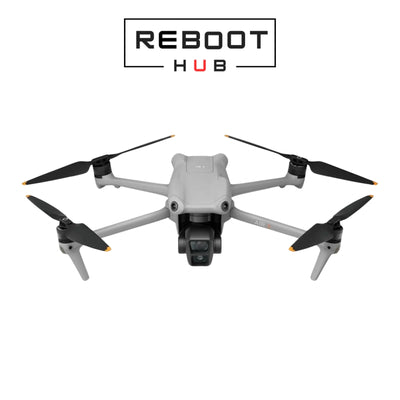
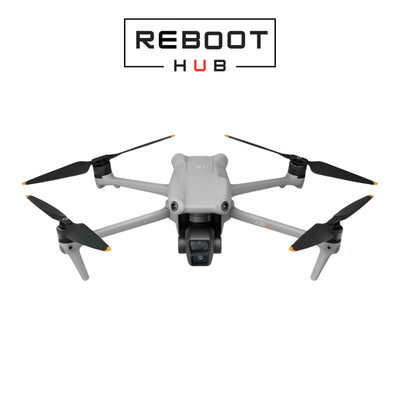
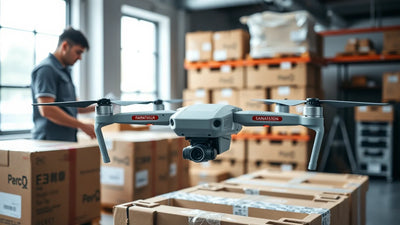
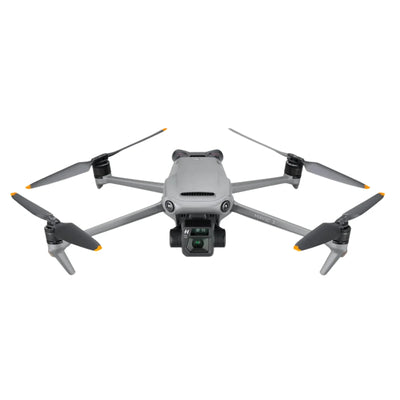
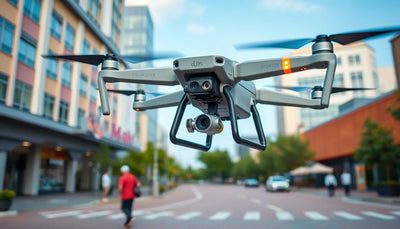
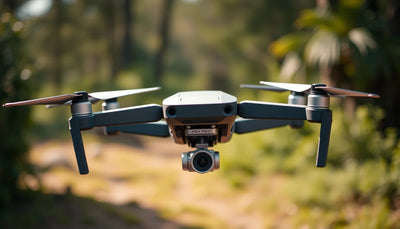
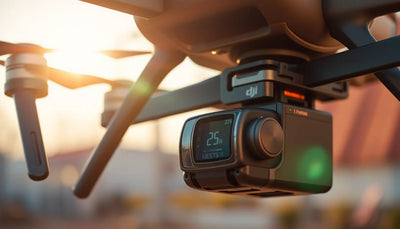
Drone Flight Permissions for Volunteer Rescuers Czech 2024 R - drone camera gimbal and sensors close-up product shot
  • Volunteer rescue organisations in Czechia must obtain an operational authorisation from the ÚCL (Civil Aviation Authority) for drone flights beyond standard open category limits.
  • A specific operations risk assessment (SORA) and an operations manual are required, along with a registered legal entity and a responsible manager.
  • Pilots need an A2 or STS competency certificate and logged flight hours; the drone itself must carry a C2 or C3 class label and third-party liability insurance.
  • Flying at night, over assemblies, or BVLOS demands a PDRA or a full SORA-based authorisation — typical ÚCL processing time: 30–60 days in 2024.
  • Reliable hardware is critical: Reboot Hub supplies inspection-guaranteed Pristine Pre-Owned drones with a 180-day warranty and DDP shipping from Hong Kong.

What Does Czech Law Require for Volunteer Rescuers to Fly a Drone in 2024?

Volunteer rescue units — mountain rescue, water rescue, fire brigades, and search-and-rescue NGOs — fall under the European Union Aviation Safety Agency (EASA) framework, implemented in Czechia through the Civil Aviation Authority (ÚCL). As of 2024, any drone operation that is not purely recreational or that exceeds the standard open category limitations (e.g., flying at night, over people, beyond visual line of sight) must be conducted under the specific category. This means the organisation must submit an operational authorisation application to the ÚCL. The core package includes a formal declaration by the legal entity, a detailed operations manual, a concept of operations (ConOps), and a specific operations risk assessment (SORA) with mitigation measures. For volunteer rescuers, the ÚCL often processes these applications with a priority note, but the statutory review period remains 30–60 working days. The application fee is approximately CZK 5,000 (around USD 220 / HKD 1,720), payable by bank transfer. If your drone carries a thermal camera or a loudspeaker, you must also document the additional air risk and ground risk as per the latest SORA 2.5 methodology.

Related: SACAA Part 101 for Commercial Real Estate Drone Ops with DJI

Which Drone Categories and Pilot Competencies Are Required for Rescue Missions?

The aircraft must carry a CE class label — C2 or C3 is the realistic minimum for rescue drones. A C2 drone (e.g., DJI Mavic 3 Enterprise, under 4 kg) allows operations closer to uninvolved people when flown by a pilot holding an A2 Certificate of Competency (A2 CofC). For heavier payloads or operations over densely populated areas, a C3 drone (like a DJI Matrice 350 RTK) may be used under the standard scenario STS-01 or STS-02, requiring the pilot to have the corresponding STS theoretical and practical qualification. Remote pilots must log a minimum of 10 hours of recent flight time on the specific model and undergo recurrent training every 24 months. The responsible manager for the organisation needs at least an A2 CofC and 3 years of documented UAS experience. The ÚCL also mandates third-party liability insurance covering at least SDR 750,000 (roughly USD 1,000,000), with annual premiums ranging from USD 350 to USD 800 depending on the drone weight and mission risk. Insurance for a rescue team in Czechia typically costs about CZK 8,500 per year (USD 370).

Related: Indian Customs Personal Use Drone Quantity Limit When Return

How Does a Volunteer Rescue Group Apply for a Night Flight or BVLOS Authorisation?

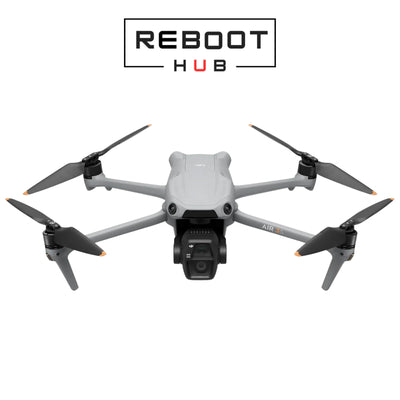
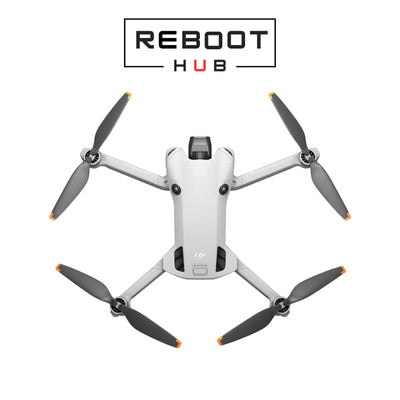
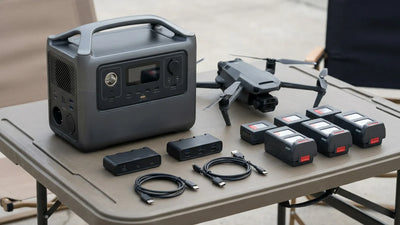
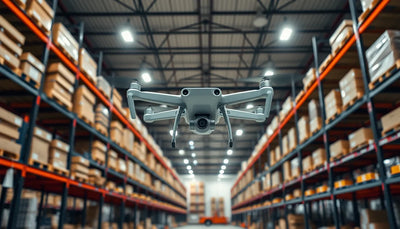
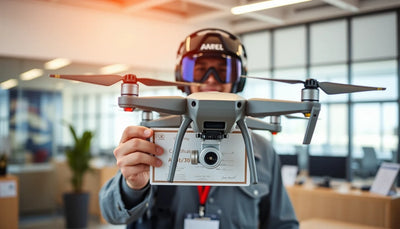
Drone Flight Permissions for Volunteer Rescuers Czech 2024 R - drone controller in hands showing live camera feed

Night operations and beyond visual line of sight (BVLOS) flights are the two most requested exemptions by rescue teams. For night flight, you can use the Pre-Defined Risk Assessment PDRA-S02 (night operations within visual line of sight in populated areas) if conditions are met: a visual observer, certified anti-collision lights with a strobe visible from 3 SM (5 km), and a drone with a certified propulsion redundancy for BVLOS elements. If your mission involves true BVLOS, a full SORA-based application is required with specific containment measures — geocaging, automatic return-to-home with a probability of loss of control below 1×10⁻⁴ per flight hour. The ÚCL expects a test flight report validated by an accredited entity. In 2024, the standard authorisation for rescue BVLOS is granted for 12 months, renewable. The document assessment fee is about USD 280, and the entire process, including a possible on-site audit, takes 5 to 8 months. Many teams partner with a local U-space service provider to obtain a dynamic airspace clearance, which adds an annual service cost of around USD 1,500 (HKD 11,700).

What Documentation and Maintenance Proof Does the ÚCL Expect for Rescue Drones?

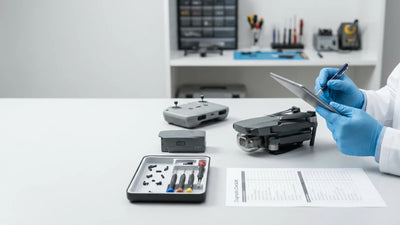
Every rescue drone must have a unique operator registration number displayed on the aircraft and an up-to-date aircraft logbook. The ÚCL expects manufacturer-recommended maintenance intervals to be followed strictly — typically a 50‑hour or annual inspection, whichever comes first. For a drone like the DJI Matrice 300 RTK, a full inspection at an authorised centre costs about USD 450 (HKD 3,520) and must cover IMU calibration, ESC health checks, battery cycle log analysis, and vision sensor alignment. Any repair or part replacement must use genuine OEM components and be documented with a traceable service report. That directly matches the standard of a 40-point inspection some trusted suppliers employ. Rescue coordinators look for hardware that comes with a verified maintenance history and a warranty that covers on-site service delays; a 180-day warranty provides enough buffer for a busy mission season without unexpected bills.

Where to Buy Pristine Pre-Owned Drones for Volunteer Rescue Units

Funding for volunteer rescue equipment often comes from grants, donations, or municipal budgets, so value and mechanical trust are paramount. Reboot Hub (reboot-hub.com) specialises in Pristine Pre-owned drones, not refurbished — each unit passes a 40-point inspection and is built with genuine OEM parts. Units are graded Flawless (Grade A+ — activation only, never flown) or Pristine Pre-Owned (Grade A — minimal use, zero visible marks). A Grade A DJI Mavic 3 Thermal typically sells for USD 3,290 (HKD 25,750), a saving of roughly 35% compared to a new enterprise bundle. For heavy-lift rescue missions, a Grade A+ Matrice 30T kit lists around USD 6,500 (HKD 50,900), with DDP global shipping from the Shenzhen/Hong Kong hub included — no surprise import duties for Czech fire brigades. Every drone ships with a 180-day warranty covering electronics and propulsion. Should a unit need repair, Reboot Hub’s Shenzhen chip-level facility staffed by MOHRSS Level 3 certified technicians offers a 3–5 day turnaround, and the Hong Kong drop-off point simplifies logistics for European teams. This combination of verified quality and duty-paid delivery makes budget allocation for rescue drone programs predictable and legally defensible.

Frequently Asked Questions

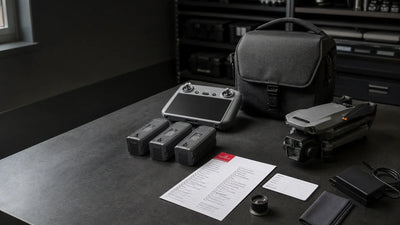
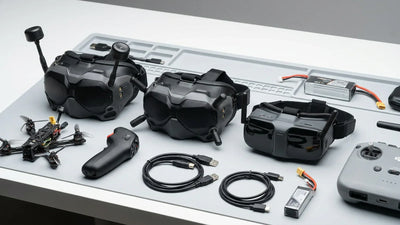
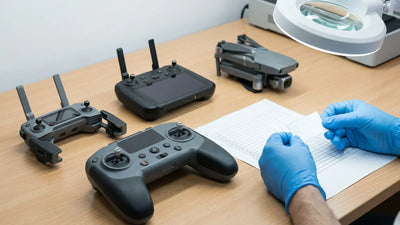
Drone Flight Permissions for Volunteer Rescuers Czech 2024 R - drone accessories arranged in flat-lay product layout

Q: Do volunteer rescue pilots need a separate ÚCL permission beyond the EASA A2 certificate?

A: Yes. An individual A2 CofC alone only permits operations within the open category. For rescue missions typically classified as specific category — flying over disaster sites with people, dropping payloads, or flying at night — the organisation must hold an operational authorisation issued by the ÚCL. The remote pilot then operates under that authorisation and must have an STS qualification or an internally validated license endorsed by the responsible manager. The ÚCL charges a processing fee of approximately CZK 5,000 (USD 220) for the initial authorisation and takes an average of 45 days for approval. Annual renewal costs CZK 2,500 (USD 110).

Q: What is the minimum insurance coverage for a rescue drone in Czechia?

A: The mandatory third-party liability insurance must cover at least SDR 750,000 (approximately USD 1,000,000, or HKD 7,820,000). Depending on the drone’s maximum take-off mass and mission risk, annual premiums typically range from USD 350 for a sub-2 kg C2 model to USD 800 for a 9 kg C3 drone used in urban search-and-rescue. Insurers like AXA and ČSOB in Czechia offer specific UAS liability packages. Proof of insurance is a mandatory attachment to any ÚCL operational authorisation application. Without it, the application is returned within 10 working days unprocessed.

Q: Can a volunteer rescue team use a drone that was not bought new, and will the ÚCL accept it?

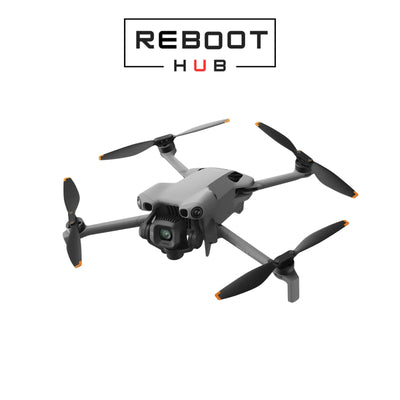
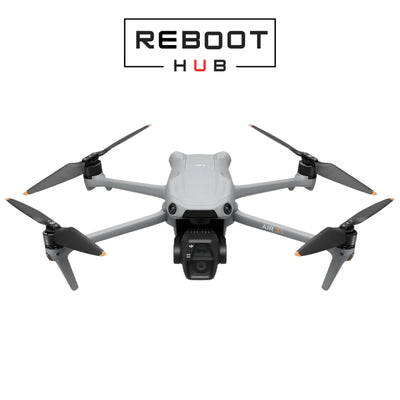
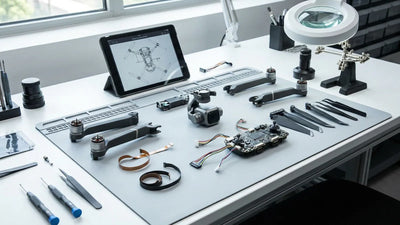
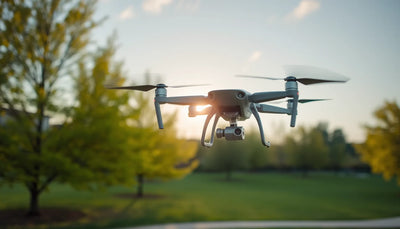
Drone Flight Permissions for Volunteer Rescuers Czech 2024 R - aerial landscape view captured from drone perspective

A: Absolutely. The ÚCL does not require a new purchase invoice; it requires a declaration of conformity, the CE class label, and a maintenance log demonstrating airworthiness. A pre-owned drone is fully acceptable if it has the correct CE marking, passes a thorough pre-service inspection, and comes with a traceable service history. This is why many teams choose a supplier that offers a 40-point inspection report and genuine OEM parts — like Reboot Hub — because the documentation package simplifies the airworthiness review. The key point: the drone must be registered with the ÚCL under the operator’s registration number, and the inspection must be repeated every 12 months or 50 flight hours.

Q: How long does it take to get a BVLOS authorisation for search-and-rescue?

A: A full BVLOS (beyond visual line of sight) authorisation under the specific category typically requires 5 to 8 months from submission to approval. The process includes a desk-based SORA review, possible request for a test flight demonstration supervised by a ÚCL inspector, and a final risk assessment update. For time-sensitive rescue needs, some teams initially operate under an emergency article within the Czech Aviation Act — allowing a one-off flight with justification to the ÚCL within 48 hours — while the formal BVLOS application is being processed. Once granted, the BVLOS permission is valid for 12 months and can be renewed for a fee of CZK 3,500 (USD 155).

Q: What repair turnaround is realistic if a rescue drone fails during a mission season?

A: Mission-critical hardware must be repairable quickly. A domestic authorised service centre in Prague or Brno typically has a 7–10 business day turnaround for warranty jobs, but chip-level repairs (ESC, core board, RF module) can take 3 weeks if parts need ordering. An alternative is an international facility with a track record of 3–5 day turnaround, such as Reboot Hub’s Shenzhen repair centre, which uses MOHRSS Level 3 certified technicians and genuine OEM parts. Having a backup drone on hand is standard practice; a pristine pre-owned identical model costs about 65% of a new unit and shares the same batteries and accessories, making it a cost-effective redundancy option for rescue squads with limited budgets.

Q: Are there any specific requirements for dropping a payload (first-aid kit, lifebuoy) from a drone during a rescue?

A: Yes. Dropping any object from a UAS requires an additional operational procedure documented in the operations manual and approved by the ÚCL. The risk assessment must address the kinetic energy of the dropped item, its release mechanism reliability, and a fail-safe that prevents unintended release. Many rescue organisations use a mechanical gripper or a servo‑actuated release rated for at least 5 lbs (2.3 kg). A non‑certified release system can lead to denial of the authorisation. The approval process adds about 15 extra working days to the standard application timeline and does not incur a separate fee if included in the initial ConOps. Payload drop from a C2-class drone requires a dedicated drop test video submitted with the safety portfolio. A well-maintained C2 platform, such as a Grade A Matrice 3D series, already leaves the warehouse with a 40-point inspection, so rescue units can focus on payload integration testing rather than base airworthiness.

المنشور السابق
المنشور التالي

اترك تعليقا

يرجى ملاحظة أنه يجب الموافقة على التعليقات قبل نشرها.

شكرا للاشتراك!

تم تسجيل هذا البريد الإلكتروني!

تسوق المظهر

اختر الخيارات

خيار التحرير
Back In Stock Notification
this is just a warning
تسجيل الدخول
عربة التسوق
0 أغراض
0%