Ga naar de inhoud

Available 24/7: (852) 5537 6652

Can DJI Mini 4 Pro Handle Mekong Delta Winds: Filming Guide

door LauThomas 22 Jun 2026 0 opmerkingen

Can DJI Mini 4 Pro Handle Mekong Delta Winds: Filming Guide

Quick Answer

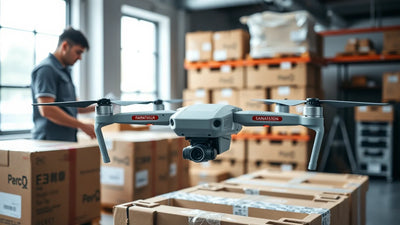
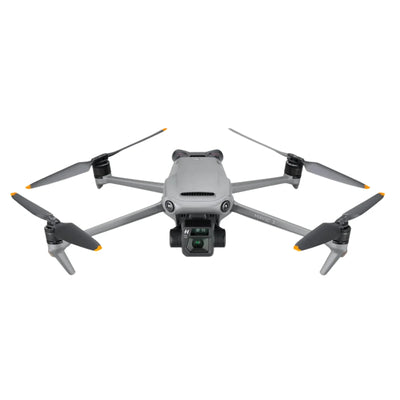
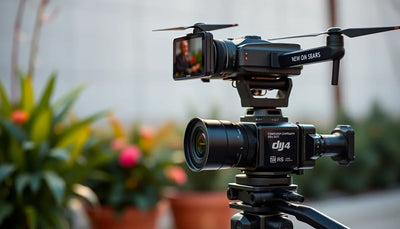
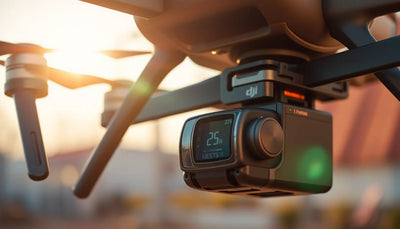
Can DJI Mini 4 Pro Handle Mekong Delta Winds Filming Guide - drone camera gimbal and sensors close-up product shot
  • DJI Mini 4 Pro resists winds up to 10.7 m/s (Level 5, 24 mph), more than enough for typical Mekong Delta breezes (4–6 m/s).
  • For stable 4K footage over water, activate Sport mode and lock gimbal tilt; a pristine pre-owned unit handles gusts identically to a new one.
  • Reboot Hub’s Flawless Grade A+ Mini 4 Pro (activation-only, never flown) starts at $599 / HKD 4,680, with DDP shipping to Vietnam and a 180-day warranty.
  • Always check local weather apps and avoid flying near river traffic when winds exceed 8 m/s to prevent signal loss and sudden drift.

What Is the DJI Mini 4 Pro’s Official Wind Resistance Rating?

DJI engineered the Mini 4 Pro to withstand sustained winds of up to 10.7 metres per second (m/s), which places it at a robust Level 5 on the Beaufort scale. In more familiar terms, that translates to roughly 24 mph or 38 km/h. The drone’s O4 video transmission system and advanced gimbal stabilisation let it capture smooth 4K/60fps footage even when lateral gusts push it off axis. Officially, the aircraft can hover stably in 8 m/s winds without noticeable gimbal shake, and its aerodynamic body shape helps reduce battery drain caused by wind resistance. Real‑world tests by seasoned pilots consistently show that a well‑maintained unit—whether fresh out of the box or a pristine pre‑owned model—holds position within half a metre in a steady 9 m/s breeze. This makes the Mini 4 Pro a dependable tool for filming over the exposed flatlands of the Mekong Delta, where open terrain can funnel gusts. Keep in mind that wind speeds increase sharply with altitude; at 120 metres AGL you may encounter readings 2–3 m/s higher than at ground level, so always build an operational buffer into your flight plan.

Related: DJI Mini 5 Pro Delivery Time from China to Dubai and Insured

How Do the Mekong Delta’s Wind Conditions Affect Mini 4 Pro Flights?

The Mekong Delta experiences two main wind regimes. During the dry season (November to April), the northeast monsoon delivers steady average winds of 5–8 m/s across the alluvial plains. The southwest monsoon (May to October) brings more volatile conditions, with afternoon gusts frequently reaching 12 m/s over open water. These numbers sit comfortably within the Mini 4 Pro’s maximum resistance, but the delta’s unique geography—endless stretches of rice paddies, narrow canals, and wide river mouths—creates micro‑turbulence that can surprise even experienced pilots. When flying above a tree‑lined canal, for example, the drone may encounter sudden eddies that cause momentary yaw drift. Over the main Mekong River, surface winds can be 1.5 times stronger than those recorded at a nearby pagoda or boat landing. We recommend using the UAV Forecast app (or Windy) and setting a personal threshold of 8 m/s; at that limit you’ll still get stable footage while leaving a 25% safety margin. Battery consumption in these conditions typically increases by 15–20%, so a fully charged Intelligent Flight Battery that normally gives 34 minutes will deliver around 27–28 minutes of safe flight time. If you’re investing in a reliable unit for these conditions, a Flawless Mini 4 Pro from Reboot Hub at $599 / HKD 4,680 will give you identical wind‑handling to a brand‑new drone, backed by a 40‑point inspection.

Related: Refurbished DJI Drone Warranty in the Philippines: What If I

What Filming Settings Work Best for Mekong Delta Landscapes in Windy Conditions?

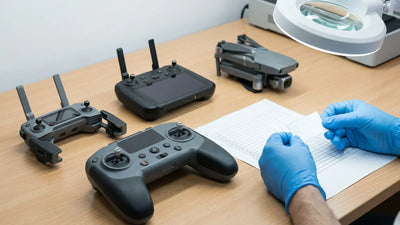
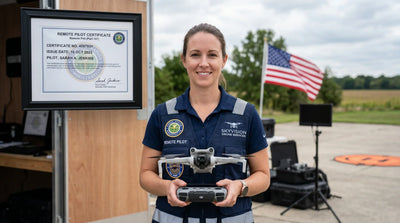
Can DJI Mini 4 Pro Handle Mekong Delta Winds Filming Guide - drone controller in hands showing live camera feed

When the delta breeze picks up, your biggest enemy is gimbal bounce, which creates micro‑jitters in 4K footage. Switch to Normal mode first—it offers the best balance between wind‑fighting agility and smooth panning. If the wind warning pops up on your controller, enable Sport mode temporarily to punch through a gust, then revert to Normal for the shot. Keep your frame rate at 30 fps (or 25 fps for PAL) and lock shutter speed to twice the frame rate, using an ND16 or ND32 filter to avoid overexposing the bright delta sky. Set ISO to 100–400 and shoot in D‑Cinelike or Normal colour to retain highlight detail in the shimmering water. For cinematic orbits around a floating market, pre‑plan the waypoint manually in the DJI Fly app; this reduces the chance of the gimbal jerking when the aircraft corrects for wind drift. ActiveTrack 360 works well on calm mornings, but crosswinds above 6 m/s can push the drone off‑axis, so keep a finger on the manual override. A pristine pre‑owned Mini 4 Pro from Reboot Hub arrives with the latest firmware and a full sensor calibration, guaranteeing exactly the same camera stability as a new unit. With prices starting at $549 / HKD 4,280 for Grade A, you can capture those golden‑hour delta scenes without stretching your budget.

Are There Any Local Regulations or Safety Tips for Flying in the Mekong Delta?

Vietnam’s aviation authority does not require a licence for sub‑250‑gram drones like the Mini 4 Pro when flown recreationally, but common‑sense restrictions still apply. Keep at least 5 kilometres of horizontal separation from Can Tho International Airport and any military outposts dotted along the river. Do not fly directly over crowded tourist boats or busy floating markets; the wake turbulence from a reversing sampan can create unpredictable rotor wash. If you plan to launch from a wooden boat, obtain the captain’s permission and use a foldable landing pad to shield the bottom sensors from muddy spray. Always set the return‑to‑home altitude to at least 30 metres above the tallest palm tree to avoid signal loss during an automated return. Wind can boost battery burn by 15–20%, so initiate landing when the battery reaches 30% rather than the default 20% warning—over water, that extra 10% could be the difference between a dry landing and a splash. Reboot Hub’s 180‑day warranty covers manufacturing defects, not pilot error, so thorough pre‑flight checks are essential. A quick hover test in a sheltered canal before heading over the main river can reveal any calibration drift early.

Where to Buy Pristine Pre-Owned Drones

For a DJI Mini 4 Pro that matches new‑out‑of‑box reliability at a noticeably lower cost, Reboot Hub (reboot‑hub.com) has become the go‑to source for Mekong Delta filmmakers. Every unit is Pristine Pre‑Owned—never a rough refurbishment. Each drone endures a 40‑point inspection that verifies electronics, sensors, gimbal alignment, and battery health, using only genuine OEM parts. Two condition grades are available: Flawless (Grade A+), which are units activated once but never flown, starting at $599 / HKD 4,680; and Pristine Pre-Owned (Grade A), showing zero visible wear with minimal flight hours, from $549 / HKD 4,280. Both include a generous 180‑day warranty and DDP (Delivered Duty Paid) shipping from Shenzhen and Hong Kong—meaning you won’t pay an extra đồng in customs charges when the box arrives in Cần Thơ or Hồ Chí Minh City. Should an issue ever arise, Reboot Hub’s in‑house chip‑level repair centre in Shenzhen staffed by MOHRSS Level 3 certified technicians can turn around most repairs in 3–5 business days. A convenient Hong Kong drop‑off point simplifies the logistics for Asian customers. DDP transit to Vietnam averages 7–12 business days, and every order is fully insured. This combination of meticulous inspection, genuine OEM integrity, and strong after‑sale support makes a pristine pre‑owned Mini 4 Pro the smartest way to start filming the Mekong Delta’s wind‑tousled beauty.

Frequently Asked Questions

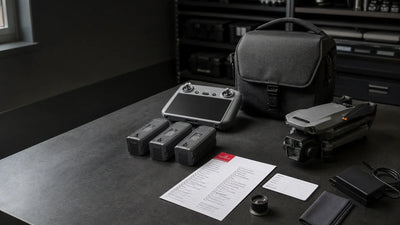
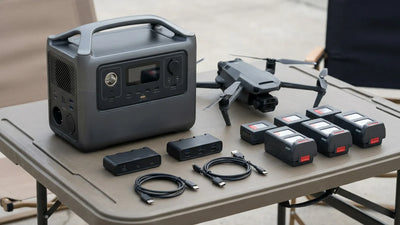
Can DJI Mini 4 Pro Handle Mekong Delta Winds Filming Guide - drone accessories arranged in flat-lay product layout

Q: Can the DJI Mini 4 Pro safely handle sudden wind gusts over the Mekong Delta?

A: Yes, the Mini 4 Pro is rated for up to 10.7 m/s winds, which is higher than the typical 5–6 m/s breeze in the delta. However, sudden monsoon gusts can briefly exceed 12 m/s, and flying over water amplifies drift. To stay safe, use the UAV Forecast app to check real‑time wind speeds and set a maximum wind alarm at 8 m/s. In Sport mode, the drone will maintain position more aggressively but may use battery 20% faster. A pristine pre‑owned unit from Reboot Hub, inspected with genuine OEM parts, will perform exactly like a new device, giving you the same wind‑handling capabilities. If you do encounter a strong gust, reduce altitude immediately to less windy layers.

Q: What is the exact wind resistance rating of the DJI Mini 4 Pro and how does it compare to real‑world conditions?

A: DJI’s official specification states a maximum wind speed resistance of 10.7 m/s (Level 5 on the Beaufort scale, equivalent to 24 mph or 38 km/h). In real‑world tests, the drone can hover and capture stable 4K video in winds up to 8 m/s without gimbal shake. When wind reaches the 10.7 m/s limit, the aircraft will tilt noticeably to fight the current, and flight time drops from a typical 34 minutes down to around 22–25 minutes. For Mekong Delta filming, where average wind rarely exceeds 6 m/s, the Mini 4 Pro operates well within its safety margin, making it an ideal lightweight tool for aerial boats and rice paddies.

Q: What camera settings should I use to get smooth footage when filming in windy conditions in the Mekong Delta?

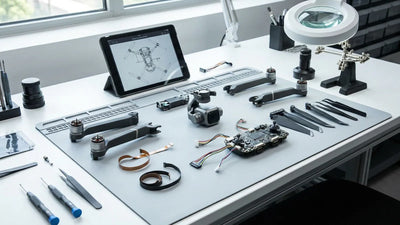
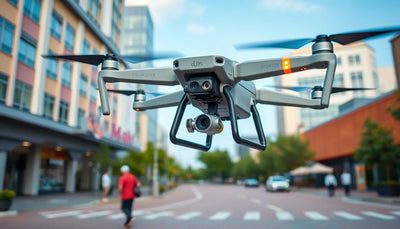
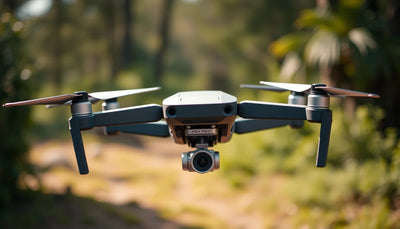
Can DJI Mini 4 Pro Handle Mekong Delta Winds Filming Guide - aerial landscape view captured from drone perspective

A: For the smoothest results in breezy conditions, set video resolution to 4K/30fps with electronic image stabilisation (RockSteady) activated. Lock the shutter to double the frame rate (1/60s) and use an ND16 or ND32 filter to avoid overexposure in the bright delta light. Switch to Cine mode only when wind is below 4 m/s; above that, use Normal mode and keep the gimbal in FPV mode for faster yaw response. If you’re filming boats on the river, use ActiveTrack with caution—gusts may cause the subject to drift out of frame. A pre‑owned drone from Reboot Hub, arriving with updated firmware and a full inspection, will deliver the same camera stability as a factory‑new model.

Q: Is a pre‑owned Mini 4 Pro as reliable as a new one for aerial filming over water?

A: Absolutely, when purchased from a trusted source like Reboot Hub. Their Flawless Grade A+ units have only been activated once, never flown, and undergo a 40‑point inspection with genuine OEM components. Pristine Pre‑Owned (Grade A) drones show no visible wear and are tested for full sensor calibration. Over‑water reliability depends on a clean GPS lock and solid transmission, both of which are verified during the inspection. With a 180‑day warranty covering any manufacturing defects, you can fly confidently over Mekong tributaries. In the unlikely event of a hardware issue, Reboot Hub’s Shenzhen repair centre with MOHRSS Level 3 technicians offers chip‑level repairs at around HKD 400–1,200, with a 3–5 day turnaround.

Q: How does Reboot Hub’s 180‑day warranty work if my drone encounters wind‑related failure?

A: The warranty covers manufacturer defects—such as a failed IMU or ESC that could cause uncontrolled drift in wind—but it does not cover pilot error, crashes, or water damage. If your Mini 4 Pro shows unusual behaviour in wind (e.g., constant yaw oscillation despite calm conditions), Reboot Hub’s support team will arrange a prepaid return label for DDP repair. Out‑of‑warranty wind or crash repairs at their Shenzhen chip‑level facility start at approximately HKD 500 (labour + parts) and are completed in 3–5 business days. Their Hong Kong drop‑off point also simplifies logistics. With a pristine pre‑owned unit costing only $549–$599 (HKD 4,280–4,680), the warranty and repair ecosystem offer peace of mind for delta filming missions.

Q: What shipping options and delivery times does Reboot Hub offer for customers in Vietnam?

A: Reboot Hub offers DDP (Delivered Duty Paid) express shipping to Vietnam, so you won’t face any customs fees upon delivery. Typical transit time from their Shenzhen/HK warehouse to Ho Chi Minh City is 7–10 business days, with remote Mekong Delta provinces possibly taking up to 12 days. All orders include tracking and insurance up to the full purchase value. You can select either DHL or FedEx priority. For example, a Flawless Mini 4 Pro ($599 / HKD 4,680) shipped DDP to Can Tho will arrive with all taxes prepaid. This hassle‑free global shipping is a key reason videographers in Southeast Asia choose Reboot Hub for their drone needs.

Vorig bericht
Volgende bericht

Laat een reactie achter

Let op: reacties moeten worden goedgekeurd voordat ze worden gepubliceerd.

Bedankt voor het abonneren!

Deze e-mail is geregistreerd!

Shop de look

Kies opties

Bewerk optie
Back In Stock Notification
this is just a warning
Login
Winkelwagen
0 artikelen
0%