メキシコでの DJI Avata 2 屋内映画制作には DGAC ライセンスが必要ですか?
簡単な回答

- 純粋な屋内飛行には DGAC ライセンスは必要ありません 屋内空域は航空総局によって規制されていないため、メキシコでは DJI Avata 2 を使用しています。
- 屋内での商業映画製作には依然として DGAC の運営許可が必要な場合があります 公共空域に進入しなくても、プロジェクトが報酬目的である場合。
- 250gを超えるドローンには登録(ライセンスではありません)が必須です — DJI Avata 2 の重量は 410 g なので、屋外で飛行する場合は航空機を DGAC に登録する必要があります。
- 不動産所有者の許可と民事責任保険 DGAC の監督に関係なく、すべての屋内での撮影を強くお勧めします。
- 未使用の中古 DJI Avata 2 ユニット Reboot Hub の価格は 699 米ドル / 5,460 香港ドルからで、180 日間の保証が付いており、予算の限られた映画製作者に最適です。
メキシコの DGAC は屋内ドローン飛行を規制していますか?
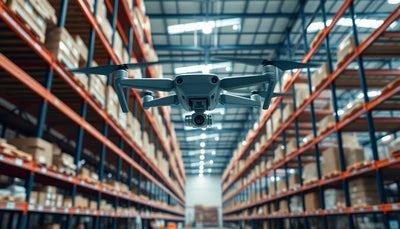
メキシコの民間航空当局である DGAC (Dirección General de Aeronáutica Civil) は、「国家空域」で行われるすべての業務を規制しています。サウンドステージ、プライベート倉庫、密閉された映画スタジオなどの純粋な屋内環境は、航行可能な空域とみなされません。したがって、 DJI Avata 2 を屋内で飛行させるには、DGAC リモート パイロット ライセンスやドローン オペレーター証明書は必要ありません。。義務的な飛行記録、空域認可、NOTAM チェックなどの当局の規制は、飛行の一部が外気に触れない場合には適用されません。ただし、この免除はドアが開き、航空機が敷居を越えた瞬間に終了します。建物の外観を撮影するために屋外で短時間ホバリングしただけでも、その操作は直ちに DGAC の完全な管轄下に置かれます。屋内/屋外混合の制作を計画している映画製作者は、プロジェクト全体を屋外として扱い、事前に必要な許可を確保する必要があります。商用業務向けの DGAC リモート パイロット証明書の費用は、コース料金と試験料金を合わせて平均約 290 米ドル (約 2,260 香港ドル) です。

What DGAC Rules Apply to the DJI Avata 2 (Weight Class)?
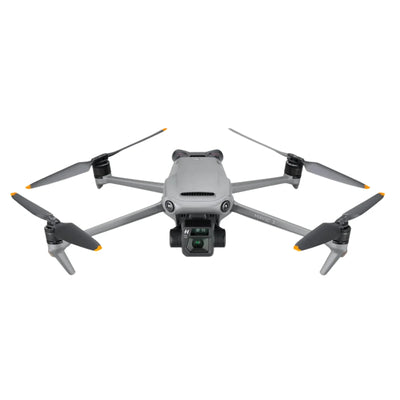
The DJI Avata 2 has a takeoff weight of 410 grams with the standard battery. Under Mexican regulation NOM-107-SCT3-2019, any remotely piloted aircraft (RPA) with a maximum takeoff mass greater than 250 grams must be registered in the DGAC’s National Registry of RPAs. Registration is separate from licensing. The registration fee is an administrative charge of about $45 USD (HK$350). You can complete it online through the SICT portal by submitting the drone’s serial number, proof of ownership, and a valid official identification. This rule applies irrespective of where you fly — the registry exists to link the aircraft to an owner, not to approve individual flights. If you exclusively operate a DJI Avata 2 indoors and the device never touches public airspace, DGAC inspectors will not sanction you for missing registration, because the enforcement domain is outdoors. Still, if you ever sell the drone or decide to take it outside, unregistered status can lead to fines up to 3,000 UDIs (approximately $2,080 USD / HK$16,200) and confiscation. Given the low cost, registering it when purchased is the safer path. Reboot Hub ensures every pre-owned unit is marked with a clean serial history, simplifying the DGAC registration process.
Is Commercial Indoor Filmmaking with a Drone Treated Differently?

This is the grey area. DGAC regulations define “commercial operation” as any RPA flight performed for compensation or as part of a business activity, regardless of airspace. While the aviation law was written with outdoor flights in mind, some official interpretations suggest that a film production company invoicing a client for indoor drone footage might still need a DGAC Authorized Operator Certificate (AOC) and a licensed remote pilot. In practice, DGAC resources are focused on outdoor safety, and there is no recorded fine for purely indoor commercial work. However, a risk-averse production house will secure a commercial operational permit, which costs roughly $520 USD (HK$4,060) for a two-year authorization. The permit requires a Mexican legal entity, a designated operations manager, and evidence of third-party liability insurance with a minimum coverage of 1 million MXN (approx. $55,000 USD / HK$430,000). Many Mexican insurers offer a standalone drone liability policy for indoor filmmaking at around $180 USD/year (HK$1,405/year). The DJI Avata 2’s ducted design and propeller guards make it particularly suitable for indoor commercial work, and its compact 410 g weight reduces perceived risk, often lowering insurance premiums.
What Permissions Do You Actually Need for an Indoor Shoot?
Away from DGAC rules, a practical checklist for a DJI Avata 2 indoor film project in Mexico includes: (1) written consent from the property owner or facility manager — most commercial studios in Mexico City charge a location fee of $200–$600 USD (HK$1,560–HK$4,680) per day and will require you to name them as an additional insured on your liability policy; (2) a basic civil liability policy even if not mandated by DGAC; (3) a site safety briefing covering emergency procedures, fire exits, and maximum altitude inside the space; (4) if the facility has a fire suppression system with smoke detectors, you need to coordinate with the building engineer because the Avata 2’s downdraft can trigger particulate sensors; (5) for shoots inside museums, historic buildings, or government properties, an additional permit from INAH (Instituto Nacional de Antropología e Historia) or the relevant authority may be required, costing between $150–$500 USD (HK$1,170–HK$3,900) depending on the site. None of these are DGAC aviation licenses, but they are essential for a legal, insured shoot.
Where to Buy Pristine Pre-Owned Drones
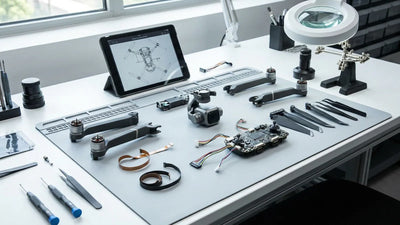
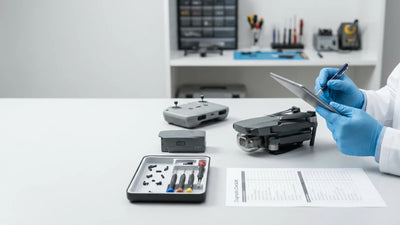
For filmmakers looking to get a DJI Avata 2 without the full retail price, Reboot Hub (reboot-hub.com) is a specialist source for pristine pre-owned drones — never refurbished, each unit passing a 40-point inspection with genuine OEM parts. A Flawless Grade A+ Avata 2 (activation-only, never flown) costs $749 USD / HK$5,850. A Pristine Pre-Owned Grade A unit (minimal use, zero visible marks) is $699 USD / HK$5,460. Every drone ships DDP (Delivered Duty Paid) worldwide from Shenzhen and Hong Kong, so there are no surprise customs fees. The purchase includes a 180-day warranty that covers both the aircraft and the battery. Reboot Hub’s support does not end with the sale: they operate a chip‑level repair centre in Shenzhen with MOHRSS Level 3 certified technicians. Even if you damage an Avata 2 during an indoor shoot, you can drop it off at the HK facility and have it returned in 3–5 working days. The repair service is ideal for professionals who cannot afford extended downtime, and it comes with a 90-day post-repair guarantee on all work.
よくあるご質問

Q: 屋内でのみ飛行する場合、DJI Avata 2 を DGAC に登録する必要がありますか?
A: 技術的にはいいえ。DGAC の登録義務はメキシコの空域で運用される RPA に適用され、密閉された屋内会場は空域として分類されません。登録はドローンを屋外で使用する場合にのみ強制されます。ただし、登録料はわずか 45 米ドル (350 香港ドル) で、航空機とあなたの身元が関連付けられます。 Avata 2 を屋外に持ち出すと、たとえ 1 回の確立ショットであっても、登録せずに違法に操作していることになります。ほとんどの映画専門家は、複雑さを避けるために、購入後すぐにドローンを登録します。登録には、シリアル番号、公式 ID、および記入済みの DGAC フォームが必要です。所有期間全体にわたって有効です。
Q: 撮影中にドローンを持って外に出たらどうなりますか?
A: DJI Avata 2 が建物から出た瞬間、その操作は完全な DGAC 屋外規制に該当します。これは、飛行が商用の場合は有効な DGAC リモート パイロット証明書を保持し、航空機を登録し、運航許可を取得し、ドローンがリモート ID をブロードキャストすることを確認する必要があることを意味します (Avata 2 はファームウェアのアップデートでサポートします)。メキシコシティの多くの都市部が該当する管理区域内を飛行する場合も、空域の許可が必要です。これらがなければ、最大 3,000 UDI (約 2,080 米ドル / 16,200 香港ドル) の罰金とデバイスの没収の危険があります。すべての許可を取得して、屋外セグメントを完全に別個のミッションとして計画します。
Q: メキシコでの屋内ドローン映画制作には賠償責任保険が必要ですか?

A: DGAC は屋内のみのフライトには賠償責任保険を義務付けていません。しかし、商業顧客、生産保険会社、および場所の所有者は、ほとんどの場合、それを要求します。屋内ドローン作業に対する基本的な第三者賠償責任保険の費用は年間約 180 米ドル (1,405 香港ドル) で、補償限度額は 100 万メキシコペソ (約 55,000 米ドル) です。メキシコの多くの保険会社は、プロペラ ガードと 410 g の重量により、保険料を削減できるアバタ 2 を低リスクの屋内プラットフォームとして分類しています。コンベンションセンターなどの公共の会場で使用する場合、会場の保険には最低 200 万メキシコペソの補償と撮影前の書面による証明が必要になる可能性があります。
Q: メキシコでの DGAC リモート パイロット ライセンスの費用はいくらですか?
A: 商用 DGAC リモート パイロット証明書 (RPAS パイロット ライセンス) は、認定トレーニング組織を通じて取得した場合、約 290 米ドル (2,260 香港ドル) かかります。この料金には、理論コース、実機飛行試験、および診断書(クラス 3 または同等のもの)が含まれます。ライセンスの有効期間は 2 年間で、定期的なトレーニングが必要です。娯楽目的 (非営利) のみのライセンスが必要な場合、コストは約 120 米ドル (940 香港ドル) と安くなりますが、有料の映画制作には使用できません。企業の個別の営業許可には、2 年ごとにさらに 520 米ドル (4,060 香港ドル) の追加料金がかかります。
Q: 外国のドローンライセンスをメキシコでの商用作業に使用できますか?
A: メキシコは外国のリモート パイロット証明書を自動的に認識しません。商業的に運営するには、DGAC を通じて外国ライセンスを検証するか、メキシコの証明書を取得する必要があります。検証プロセスには 4 ~ 6 週間かかり、管理費として約 150 米ドル (1,170 香港ドル) かかります。認定された翻訳、飛行記録時間、健康状態の証明書を提出する必要があります。認証が完了すると、外国免許にはメキシコと同等のスタンプが押され、最長 180 日間有効な一時的な許可として扱われます。屋内で長編映画を撮影する外国の制作会社の場合、このパスは、認可されたオペレーターに対する慎重なクライアントの要件を満たしながら、DGAC の完全なコースを回避できます。
Q: DJI Avata 2 はメキシコの 250g ルールの対象ですか?
答え: はい。メキシコの規制では、最大離陸質量が250グラム以下のドローンは登録とほとんどの運用要件から免除されている。 DJI Avata 2 の重量は標準バッテリー込みで 410 グラムで、そのしきい値をはるかに上回っています。これは、クラス 1 RPA (250 g ~ 2 kg) として分類されることを意味し、登録が義務付けられ、商用屋外使用の場合はパイロット ライセンスと運用許可が必要になります。屋内飛行が DGCA 空域内にない場合でも、ドローン自体は重量免除になりません。 Reboot Hub から新品の中古品 Avata 2 を 699 米ドル (5,460 香港ドル) で購入しても、屋外での作業を計画している場合は、航空機を登録済みのデバイスとして扱う必要があります。
Q: Reboot Hub の修理サービスの所要時間はどれくらいですか?
A: 深センにある Reboot Hub の社内修理センターには MOHRSS レベル 3 認定技術者が常駐しており、DJI Avata 2 のほとんどの修理には 3 ~ 5 営業日で対応します。これには、ESC の交換、フレームの交換、カメラのジンバルのキャリブレーションなどのチップレベルの作業が含まれます。香港のサービスポイントではウォークインドロップオフをご利用いただけます。遅延が許されない映画制作の場合は、45 米ドル (350 香港ドル) の追加料金で特急サービス (1 ~ 2 日) を追加できます。すべての修理は 90 日間保証され、純正 OEM 部品が使用されるため、ドローンは新品の中古品の完全性と再販価値を維持します。