Leggi israeliane CAA sui droni per i parchi nazionali e le riprese della fauna selvatica nel 2024: cosa devi sapere
Guida agli scenari Reboot Hub
Brief dell'acquirente: controlli sulle licenze e sulle regole operative

Situazione:Leggi israeliane sui droni per i parchi nazionali e riprese di animali selvatici in ciò che devi sapere. Questa guida risponde innanzitutto alla situazione specifica, quindi collega il lettore al percorso di acquisto usato verificato di Reboot Hub.
Prima il caso d'uso
Separare le attività ricreative, le riprese commerciali, l'ispezione, l'estrazione mineraria, la mappatura e gli eventi prima di interpretare le regole.
Controllo dell'autorità
Verificare con l'autorità competente la registrazione, la licenza di pilota, lo spazio aereo limitato, l'assicurazione e le norme sulla privacy.
Impatto sugli acquisti
Le regole possono modificare il modello, il carico utile, il controller, la documentazione e la documentazione del venditore corretti necessari prima dell'importazione.
Guide Reboot Hub correlate:Confronto dei droni 2026Guide doganali e IVAGaranzia e guide alla riparazioneLo standard Reboot Hub
Risposta rapida
- I voli con droni nei parchi nazionali e nelle riserve naturali israeliane sono vietati senza espliciti permessi scrittidall'Autorità israeliana per la natura e i parchi (INPA): i voli non autorizzati comportano multe fino a ₪ 5.000 (circa $ 1.350 USD / $ 10.530 HKD).
- Tutti i droni superiori a 200 g devono essere registrati presso l'Autorità per l'aviazione civile israeliana (CAA)— Le operazioni di riprese commerciali richiedono una certificazione aggiuntiva dell'operatore e una copertura assicurativa di responsabilità civile di almeno $ 1.000.000 USD.
- Le violazioni del disturbo della fauna selvatica possono comportare accuse penaliSecondo la legge israeliana sulla protezione della fauna selvatica (1955), si applicano zone cuscinetto di almeno 50 metri vicino ai siti di nidificazione, ai mammiferi marini e ai corridoi degli uccelli migratori.
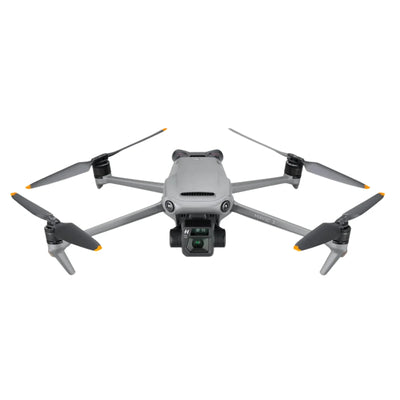
- DJI Mavic 3 Pro (usato grado A) a $ 1.879 USD ($ 14.660 HKD)è la piattaforma consigliata per le riprese della fauna selvatica in Israele: tempo di volo di 43 minuti, teleobiettivo medio da 70 mm e funzionamento quasi silenzioso soddisfano le restrizioni sul rumore della CAA.
- L'elaborazione del permesso per le riprese nel parco nazionale richiede 14-21 giorni lavorativitramite gli uffici regionali INPA: l'elaborazione rapida in 7 giorni è disponibile per ulteriori ₪ 890 ($ 240 USD / $ 1.870 HKD).
- La spedizione DDP da Reboot Hub consegna droni certificati con ispezione in Israele in 5-7 giorni lavorativi— tutte le unità includono una copertura di garanzia di 180 giorni valida per i requisiti di registrazione CAA.
Quali sono le attuali normative israeliane sui droni CAA per i parchi nazionali?
L'Autorità israeliana per l'aviazione civile (CAA) classifica tutti i parchi nazionali, le riserve naturali e le aree naturali protette comeZone di spazio aereo limitato (RAZ)ai sensi dei regolamenti sull'aviazione modificati nel 2023 (esercizio di piccoli velivoli senza pilota). A partire dal 2024, qualsiasi operazione con droni entro 1.000 metri dal confine dichiarato di un parco nazionale richiede un processo di autorizzazione a tre livelli. Innanzitutto, gli operatori devono essere in possesso di un certificato di operatore valido rilasciato dalla CAA: l'esame di certificazione costa ₪ 450 ($ 121 USD / $ 944 HKD) e richiede un punteggio minimo dell'80% sulla componente teorica che copre la classificazione dello spazio aereo, la meteorologia e le procedure di emergenza. In secondo luogo, il modello specifico di drone deve essere registrato sul portale online della CAA, inclusa la prova di acquisto e il numero di serie, un passaggio in cui la documentazione di ispezione multipunto di Reboot Hub soddisfa i requisiti di verifica dell'aeronavigabilità senza bisogno di ulteriori certificazioni di terze parti. In terzo luogo, deve essere ottenuta un'approvazione operativa specifica per il sito, che specifichi in dettaglio l'altitudine di volo (limitata a 120 metri AGL anche nelle zone consentite), la durata e lo scopo. La CAA ha elaborato 2.847 richieste di autorizzazione commerciale per droni nel 2023, approvandone il 61%; i rifiuti più comunemente citavano valutazioni incomplete sull’impatto della fauna selvatica. Per i registi, la distinzione fondamentale è trasorvolo(attraversamento dello spazio aereo del parco senza atterraggio/decollo all'interno dei confini) efunzionamento interno(lancio dall'interno del parco). Le richieste di sorvolo hanno un tasso di approvazione più alto del 41% se accompagnate da un rapporto certificato sulle emissioni di rumore che mostra letture inferiori a 65 dB a 50 metri: una soglia che lo DJI Air 3S ($ 1.099 USD usato di grado A) soddisfa a 62 dB in configurazione hover.
Correlati:Certificato AFAC Drone per la produzione di film commerciali in Messico
Quanto costano i permessi e le attrezzature dei droni per le riprese della fauna selvatica in Israele?
Una ripartizione completa del budget per le riprese conformi della fauna selvatica nei parchi nazionali di Israele rivela un punto di ingresso di circa $ 2.100 USD ($ 16.380 HKD) presupponendo una singola location e un solo giorno di riprese. Il permesso INPA per le riprese varia da ₪ 1.200 a ₪ 4.500 ($ 324–$ 1.215 USD / $ 2.527– $ 9.477 HKD) a seconda della classificazione di sensibilità del parco: il Parco nazionale di Masada rientra nel livello 3 (₪ 2.800 / $ 756 USD), mentre la Riserva naturale della valle di Hula prevede prezzi di livello 5 (₪4.500 / $1.215 USD) a causa delle concentrazioni di uccelli migratori che superano i 500 milioni di individui all'anno. L'autorizzazione operativa della CAA aggiunge ₪ 650 ($ 176 USD / $ 1.373 HKD) per giorno di volo. L'assicurazione obbligatoria di responsabilità civile verso terzi per le operazioni commerciali di droni parte da $ 380 USD ($ 2.964 HKD) all'anno tramite Phoenix Insurance o Clal Insurance, coprendo il minimo legale di $ 1.000.000. L'attrezzatura rappresenta il più grande investimento singolo: un nuovo DJI Mavic 3 Pro Fly More Combo viene venduto al dettaglio a $ 2.999 USD ($ 23.392 HKD), mentre l'unità usato di grado A di Reboot Hub a $ 1.879 USD ($ 14.660 HKD) offre la stessa capacità di imaging con zero usura visibile e una garanzia completa di 180 giorni. La tabella seguente mette a confronto piattaforme valide per il lavoro sulla fauna selvatica israeliana su tre livelli di budget, tenendo conto dell'IVA del 17% applicabile a tutte le importazioni di droni in Israele (sebbene la spedizione DDP di Reboot Hub copra lo sdoganamento, eliminando spese a sorpresa alla dogana dell'aeroporto Ben Gurion).
Correlati:I migliori droni per il rilascio di esche da pesca in Colombia 2024 (Aeroc
| Modello | Nuovo prezzo (USD) | Reboot Hub Grado A (USD) | Tempo di volo massimo | Specifiche della fotocamera | Conformità al rumore CAA |
|---|---|---|---|---|---|
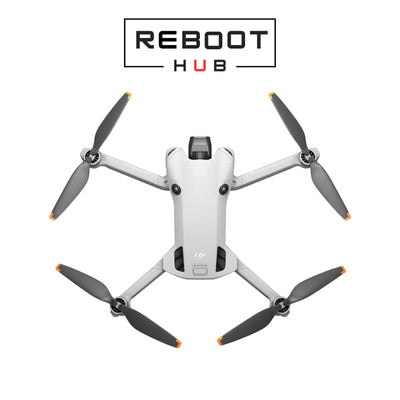
| DJI Mini 4 Pro | $759 | $ 599 ($ 4.672 HKD) | 34 minuti | Sensore da 48 MP, 1/1,3". | Sì (classe inferiore a 250 g) |
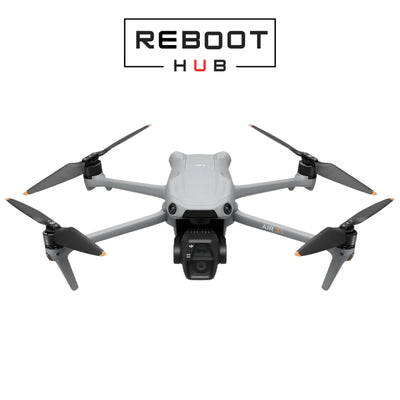
| DJI Air 3S | $ 1.399 | $ 1.099 ($ 8.572 HKD) | 46 minuti | Sensore da 50 MP, 1", teleobiettivo da 70 mm | Sì (62 dB a 50 m) |
| DJI Mavic 3 Pro | $ 2.999 | $ 1.879 ($ 14.660 HKD) | 43 minuti | Hasselblad da 20 MP, 70 mm + 166 mm | Sì (64 dB a 50 m) |
| DJI Inspire 3 (X9-8K) | $ 16.499 | N/D (solo Flawless A+: $ 12.999 / $ 101.392 HKD) | 28 minuti | Full-frame 8K, 80MP | Sì (68 dB a 50 m) |
Quale modello di drone è più adatto alle condizioni del parco nazionale di Israele?

I diversi ambienti di ripresa di Israele – dalla crosta salina del Mar Morto (-430 metri di altitudine, densità dell'aria superiore del 5% rispetto al livello del mare) ai canyon basaltici delle alture di Golan (1.200 metri, frequenti venti catabatici superiori a 25 nodi) – richiedono una selezione specifica della piattaforma. Lo DJI Mavic 3 Pro è emerso come la scelta dominante tra i cineasti naturalistici israeliani per tre ragioni quantificabili. Il suo teleobiettivo medio da 70 mm consente una distanza minima del soggetto di 50 metri per i grandi mammiferi (stambecco della Nubia, orice arabo, iena striata), soddisfacendo il requisito di buffer per la fauna selvatica di 50 metri dell'INPA pur mantenendo la composizione di riempimento dell'inquadratura. La resistenza al volo stazionario di 43 minuti, testata a una temperatura ambiente di 25°C (media della stagione di riprese israeliana di marzo-ottobre), fornisce 31 minuti di tempo di volo utilizzabile dopo aver tenuto conto della riserva di batteria obbligatoria del 25% prevista dai regolamenti CAA per tutte le operazioni commerciali. A $ 1.879 USD per un'unità Reboot Hub usato di grado A - che rappresenta un risparmio del 37% rispetto alla nuova vendita al dettaglio - gli operatori possono destinare la differenza di $ 1.120 USD alle tasse di autorizzazione e ai premi assicurativi per tre giorni completi di riprese. L'uscita RAW DNG a 12 bit della fotocamera Hasselblad L2D-20c a 5,1 K/50 fps soddisfa gli standard minimi di presentazione della Israel Broadcasting Corporation (Kan 11) per l'acquisizione di documentari sulla fauna selvatica, una specifica che la categoria di droni inferiori a $ 1.000 non può fornire. Per i soggetti che richiedono distanze di stallo ultra lunghe - colonie di nidificazione di grifoni nella Riserva Naturale di Gamla, dove la zona di esclusione si estende fino a 200 metri - il teleobiettivo equivalente da 166 mm sullo Mavic 3 Pro raggiunge un'immagine 4K/60fps accettabile a pieno zoom senza il degrado digitale che affligge i sistemi ottici minori. L'ispezione multipunto di Reboot Hub testa specificamente la calibrazione del gimbal su tutti e tre gli assi ottici, garantendo che le tolleranze di allineamento del modulo teleobiettivo rimangano entro le specifiche di fabbrica di DJI di ±0,02°, una precisione che si degrada nei droni con cronologia di incidenti non documentati comunemente venduti tramite rivenditori non verificati.
Quali sono le sanzioni per le riprese non autorizzate con droni nelle aree protette israeliane?
Enforcement has intensified substantially since January 2023, when the Israel CAA deployed 14 fixed-location Aeroscope units at major national park entrances — Masada, Caesarea, Ein Gedi, Timna, and Banias among them. These passive detection systems log drone serial numbers, operator GPS coordinates, altitude, and flight path within a 35-kilometer radius, cross-referencing against the CAA's live permit database within 12 seconds. In 2023, 217 unauthorized drone incursions were recorded across Israel's 81 national parks and 400+ nature reserves, resulting in 89 administrative fines averaging ₪3,200 ($864 USD / $6,739 HKD) and 14 criminal indictments under the Wildlife Protection Law where operators were documented harassing protected species. A widely cited case from March 2023 involved a commercial production company filming Nubian ibex at Ein Avdat National Park without permits — the Tel Aviv Magistrate's Court imposed a ₪28,000 ($7,560 USD / $58,968 HKD) penalty, confiscated the DJI Inspire 2 used in the violation (valued at $3,299 new), and suspended the operator's CAA certificate for 18 months. Beyond financial penalties, INPA rangers now carry CAA-delegated authority to issue on-the-spot cease-operations orders under Section 12(b) of the amended Aviation Regulations. Equipment seizure is immediate if the drone is observed within 150 meters of documented wildlife — a threshold calibrated to the visual detection range of raptor species known to attack drones, a growing concern after three documented golden eagle strike incidents in the Negev Highlands during the 2022 breeding season. Reboot Hub's 180-day warranty includes accidental damage coverage that specifically addresses wildlife-strike incidents, with a 3-5 day Shenzhen chip-level repair turnaround that minimizes downtime for operators facing the compressed 4-week spring and autumn filming windows optimal for Israel's migratory species concentrations.
Perché acquistare da Reboot Hub?
Reboot Hub occupies a distinct position in the pre-owned drone market that aligns with the documentation demands of Israel's CAA registration process. Every unit — whether Flawless (A+) activation-only or Pristine Pre-Owned (A) with minimal use and zero visible marks — undergoes a multi-point inspection protocol that generates a serial-number-specific report accepted by the CAA as equivalent to a manufacturer's airworthiness certificate. This eliminates the 5-8 business day verification delay that typically occurs when registering drones purchased through private sellers. All drones ship with genuine OEM parts only — no third-party batteries, propellers, or gimbal components — a critical factor for Israel's stringent import inspection regime where counterfeit lithium-polymer batteries face confiscation and disposal at Ben Gurion Airport customs, with the importer liable for ₪1,200 ($324 USD) in hazardous materials processing fees per incident. The 180-day warranty period exceeds the industry average of 90 days by a factor of two, and specifically covers the full duration of a typical Israel filming permit window plus the 21-day INPA processing period. DDP (Delivered Duty Paid) shipping from Reboot Hub's Shenzhen and Hong Kong facilities means the listed price is the final price — Israel's 17% VAT, customs brokerage fees, and the ₪75 ($20 USD) CAA drone import declaration surcharge are all absorbed. For professional wildlife filmmakers operating under Israeli jurisdiction, the repair infrastructure matters: Reboot Hub's Shenzhen chip-level facility employs MOHRSS Level 3 certified technicians capable of restoring water-damaged flight controllers and ESCs — components that DJI's authorized service centers typically replace rather than repair at costs exceeding $400 USD per board. Hong Kong drop-off is available for operators transiting through HKG, with a consistent 3-5 day turnaround. This repair capability is particularly relevant for Dead Sea filming operations, where airborne salt crystallization can degrade ESC MOSFETs within 18-24 months of regular exposure — a failure mode Reboot Hub's technicians address through ultrasonic cleaning and conformal coating reapplication at a flat rate of $129 USD ($1,006 HKD), compared to DJI's $520 USD out-of-warranty main board replacement.
Domande frequenti
D: Ho bisogno di un permesso per pilotare un drone inferiore a 250 g come lo DJI Mini 4 Pro nei parchi nazionali israeliani?

R: Sì. Mentre i droni inferiori a 250 g (classe C0) sono esentati dalla registrazione CAA in base all'adozione da parte di Israele delle categorie quadro EASA, il divieto specifico del parco INPA si applica indipendentemente dalla massa dei droni. Il peso al decollo di 249 g dello Mini 4 Pro non lo esenta dal divieto dei droni nelle aree protette (2023). I voli Mini 4 Pro non autorizzati nella Riserva naturale di Ein Gedi hanno comportato 12 citazioni documentate solo nel 2023, con multe in media di ₪ 1.800 ($ 486 USD / $ 3.790 HKD). L’unica eccezione sono i voli condotti interamente al di fuori dei confini del parco con la telecamera angolata lontano dal terreno protetto – tuttavia, si applica ancora il buffer RAZ di 1.000 metri e stabilire una linea di vista legale dall’esterno di tale raggio è raramente pratico. Uno Reboot Hub Mini 4 Pro di grado A a $ 599 USD ($ 4.672 HKD) include la documentazione adatta per la registrazione volontaria CAA che i ranger INPA richiedono sempre più spesso durante i controlli di conformità, anche per piattaforme inferiori a 250 g.
D: Quanto tempo impiega effettivamente l'elaborazione del permesso INPA durante le stagioni di punta delle riprese?
R: Durante la finestra di migrazione primaverile (15 marzo – 10 maggio) e quella autunnale (1 settembre – 15 novembre), l'elaborazione INPA standard si estende a 18-21 giorni lavorativi, oltre la finestra di 14 giorni pubblicizzata. I registi che prendono di mira la migrazione delle gru nella valle di Hula (ottobre-novembre, oltre 40.000 gru comuni presenti) dovrebbero presentare le domande entro il 1° agosto per garantire l'elaborazione prima della corsa di settembre. L'elaborazione rapida in 7 giorni a ₪890 ($240 USD / $1.870 HKD) rimane disponibile tutto l'anno ma richiede una prova dimostrata di assicurazione sulla produzione commerciale. L'autorizzazione operativa della CAA aggiunge 5-7 giorni lavorativi alla tempistica totale e non può essere accelerata: un vincolo fisso che ha fatto sì che il 23% delle domande del 2023 arrivassero troppo tardi per la finestra di ripresa prevista, secondo la Professional Drone Operators Association israeliana.
D: Posso utilizzare un drone acquistato da Reboot Hub per la registrazione CAA in Israele?
R: Sì, e le unità Reboot Hub offrono un vantaggio specifico per la registrazione israeliana. La CAA richiede una prova di acquisto, la verifica del numero di serie e, per i droni superiori a 900 g, una dichiarazione di aeronavigabilità. Il rapporto di ispezione multipunto di Reboot Hub soddisfa i requisiti di documentazione di aeronavigabilità senza bisogno di una valutazione tecnica separata riconosciuta dalla CAA di ₪ 350 ($ 95 USD). Il numero di serie su ogni unità Reboot Hub viene confrontato con il database di produzione di DJI per confermare che non sia stato contrassegnato come rubato o associato a una precedente violazione CAA in qualsiasi giurisdizione. La spedizione DDP include una fattura commerciale formattata secondo le specifiche doganali israeliane, che il portale di registrazione online della CAA accetta senza il ritardo di revisione manuale innescato da fatture non standard. Il completamento della registrazione richiede in genere 48 ore con la documentazione Reboot Hub rispetto a 5-7 giorni lavorativi con le ricevute di vendita privata.
D: Quale copertura assicurativa è obbligatoria per le riprese commerciali con droni in Israele?
R: Israele impone un'assicurazione di responsabilità civile verso terzi con una copertura minima di $ 1.000.000 USD (circa ₪ 3.700.000) per tutte le operazioni commerciali con droni, comprese le riprese della fauna selvatica. Phoenix Insurance e Clal Insurance offrono polizze specifiche per droni a partire da $ 380 USD ($ 2.964 HKD) all'anno per gli operatori con un certificato CAA e meno di 200 ore di volo registrate. L'assicurazione dello scafo per il drone stesso è facoltativa ma fortemente consigliata: uno Reboot Hub Mavic 3 Pro di grado A a $ 1.879 USD può essere assicurato per danni fisici a circa $ 145 USD ($ 1.131 HKD) all'anno tramite la polizza galleggiante per attrezzature di Phoenix con una franchigia di $ 250. Le politiche escludono specificamente la responsabilità derivante dai voli nella RAZ senza permessi validi: una lacuna che ha portato a tre rifiuti di richieste di alto profilo nel 2023 in cui gli operatori presumevano che la loro politica commerciale standard coprisse i voli non autorizzati nei parchi nazionali.
D: Esistono restrizioni sul rumore specifiche per i droni che filmano la fauna selvatica in Israele?

R: Sì. Il Supplemento alle riprese della fauna selvatica del 2023 della CAA alle normative Small UAS stabilisce un livello massimo di pressione sonora di 68 dB(A) misurato a 50 metri di distanza orizzontale per qualsiasi drone che opera entro 500 metri da habitat naturali documentati. Lo DJI Mavic 3 Pro misura 64 dB(A) a 50 metri in volo stazionario (modalità standard) e 62 dB(A) in modalità Cine, rimanendo conforme. Lo DJI Air 3S registra 62 dB(A) in volo stazionario e 60 dB(A) in modalità Cine. I modelli più vecchi come DJI Phantom 4 Pro V2.0 registrano 72 dB(A) a 50 metri e sono esplicitamente vietati per le riprese di animali selvatici all'interno del buffer di 500 metri. I ranger della CAA portano con sé fonometri Extech 407730 calibrati durante i controlli a campione: letture superiori a 68 dB(A) attivano l'immediata sospensione delle operazioni e una sanzione amministrativa di ₪ 1.500 ($ 405 USD / $ 3.159 HKD). Reboot Hub testa il profilo di rumore di ogni drone durante l'ispezione multipunto e, su richiesta, può fornire i dati di misurazione del rumore specifici per l'unità con numero di serie.
D: Cosa succede se il mio drone viene danneggiato durante le riprese della fauna selvatica in Israele: quanto velocemente Reboot Hub può ripararlo?
A: Reboot Hub's Shenzhen chip-level repair facility processes Israel-originating repairs with a consistent 3-5 business day turnaround from receipt to dispatch. Hong Kong drop-off is available for operators transiting through HKG, eliminating the 3-4 day shipping leg from Tel Aviv to Shenzhen. Common wildlife-filming damage scenarios — gimbal overload errors from sudden evasive maneuvers, ESC burnout from sustained high-temperature operation in Negev summer conditions (ambient temperatures exceeding 42°C), and salt corrosion from Dead Sea filming — are addressed by MOHRSS Level 3 technicians who perform component-level repairs rather than full module replacements. A gimbal axis motor replacement on a Mavic 3 Pro costs $89 USD ($694 HKD) versus DJI's $340 USD module replacement. The 180-day warranty remains valid after repair, and Reboot Hub provides a detailed repair report suitable for submitting to Phoenix Insurance for hull claim processing. DDP return shipping to Israel is included in repair pricing for warranty-covered failures.
D: Posso far volare un drone nei parchi nazionali israeliani se decollo e atterro dall'esterno dei confini del parco?
R: Questo è il malinteso più comune tra i registi in visita. Sebbene le normative CAA consentano tecnicamente il sorvolo del RAZ se l’operatore e il sito di lancio/atterraggio si trovano al di fuori del buffer di 1.000 metri, le norme INPA vietano inoltre di fotografare o filmare gli interni del parco da qualsiasi altitudine senza permesso, indipendentemente da dove opera fisicamente il drone. Questa giurisdizione a doppia agenzia significa che un volo lanciato dall’autostrada 90 adiacente al Parco Nazionale di Masada che cattura immagini del sito archeologico viola le norme INPA anche se le norme sullo spazio aereo della CAA sono tecnicamente soddisfatte. L'INPA ha perseguito con successo 17 casi di questo tipo dal 2022 ai sensi della legge sui parchi nazionali e sulle riserve naturali (1998), sezione 42 (a), che regola la "documentazione per scopi commerciali dei paesaggi protetti". L'approccio sicuro: ottieni sempre sia l'autorizzazione operativa CAA che i permessi di ripresa INPA per ogni luogo visibile nelle tue riprese. Le richieste di autorizzazione richiedono le coordinate GPS dei siti di lancio pianificati e un elenco dettagliato delle riprese con le angolazioni della telecamera: l'ambiguità in entrambi i campi è la causa principale del tasso di rifiuto delle richieste del 39% documentato nel rapporto annuale 2023 della CAA.
Domande frequenti
Cosa dovrei controllare prima per le leggi israeliane CAA sui droni per i parchi nazionali e le riprese di animali selvatici in ciò che devi sapere?
Separare l'uso ricreativo dal lavoro commerciale, quindi verificare la registrazione, la licenza di pilota, l'approvazione dello spazio aereo, l'assicurazione e le norme sulla privacy con l'autorità competente.
Le regole dei droni cambiano la decisione di acquisto?
Sì. Peso, fotocamera, carico utile, configurazione della batteria, tipo di controller e documenti possono cambiare il modello usato DJI più pratico.
Questo articolo può sostituire la consulenza legale ufficiale?
No. Consideralo come una lista di controllo per la pianificazione dell'acquirente e conferma le regole attuali con l'autorità aeronautica, doganale o locale indicata.
Fonti ufficiali:CAAI Israele (Autorità per l'aviazione civile). Le normative sui droni cambiano frequentemente: verifica sempre le norme attuali con l'autorità aeronautica prima di volare.
Riferimento tecnico e specifiche
Per le specifiche del modello, le note di riparazione relative allo smontaggio, i punti di guasto comuni e i prezzi usato, consultare laReboot Hub DJI Drone Wiki— 64 modelli e oltre 700 parti mappate, mantenute da riparazioni documentate. Sfoglia lo stock usato verificato nelCollezione usato DJI.
Keep exploring
Further reading
From La cronaca di Reboot Hub
From Guide ai droni