Importa il drone DJI usato da Shenzhen al Sud Africa: calcolatore dei dazi doganali 2024 e norme di importazione SARS
Guida agli scenari Reboot Hub
Brief dell'acquirente: controlli sulle licenze e sulle regole operative

Situazione:importare droni dji usati da shenzhen al sud africa, calcolatore dei dazi doganali, regole di importazione sars. Questa guida risponde innanzitutto alla situazione specifica, quindi collega il lettore al percorso di acquisto usato verificato di Reboot Hub.
Prima il caso d'uso
Separare le attività ricreative, le riprese commerciali, l'ispezione, l'estrazione mineraria, la mappatura e gli eventi prima di interpretare le regole.
Controllo dell'autorità
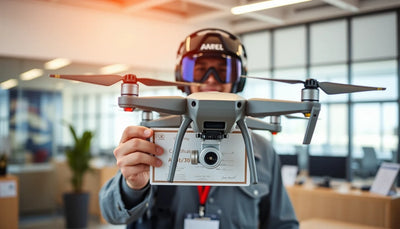
Verificare con l'autorità competente la registrazione, la licenza di pilota, lo spazio aereo limitato, l'assicurazione e le norme sulla privacy.
Impatto sugli acquisti
Le regole possono modificare il modello, il carico utile, il controller, la documentazione e la documentazione del venditore corretti necessari prima dell'importazione.
Guide Reboot Hub correlate:Confronto dei droni 2026Guide doganali e IVAGaranzia e guide alla riparazioneLo standard Reboot Hub
Risposta rapida
- Import duty on used DJI drones from China ranges from 0% to 15%a seconda della classificazione del codice HS: la maggior parte dei droni con fotocamera di consumo rientra nell'HS 8526.92 con un'aliquota del dazio dello 0% secondo le tabelle tariffarie SACU, sebbene alcune classificazioni attivino fino al 15% ad valorem.
- La SARS applica un’IVA del 15% sul valore doganale totale(costo del drone + spedizione + assicurazione + eventuali dazi applicabili), aggiungendo circa 2.800–5.600 ZAR (150–300 USD) a una tipica importazione di usato DJI.
- La spedizione DDP (Delivered Duty Paid) di Reboot Hub elimina tutte le sorprese legate alla SARS: il prezzo che vedi al momento del pagamento (a partire da $ 329 USD per un Pristine DJI Mini 3) è l'importo finale da pagare, senza spese doganali, dazi o spese di sdoganamento aggiuntive alla consegna a Johannesburg, Città del Capo o Durban.
- Non è richiesta alcuna licenza o permesso di importazioneper i droni con fotocamera per uso personale che entrano in Sud Africa: solo gli importatori commerciali necessitano della registrazione SARS, sebbene tutte le spedizioni di valore superiore a ZAR 500 richiedano una dichiarazione doganale formale tramite un agente di compensazione (incluso nel servizio DDP).
- I droni Usato DJI di Reboot Hub costano dal 30% al 50% in meno rispetto ai nuovi rivenditori sudafricani- un Flawless A+ DJI Mini 4 Pro a $ 699 USD rispetto a 18.999 ZAR (≈USD $ 1.015) nuovo presso i rivenditori autorizzati SA, un risparmio di $ 316 USD prima di considerare il grattacapo doganale evitato.
- Shipping time from Shenzhen to South Africa averages 7–14 daystramite trasporto aereo DDP, con tracciabilità completa e assicurazione incluse su ogni ordine Reboot Hub di valore superiore a $ 200 USD.
How Much Does It Cost to Import a Used DJI Drone from Shenzhen to South Africa in 2024?
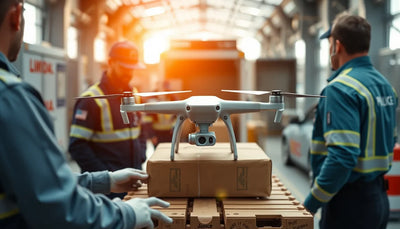
Il costo totale allo sbarco per l’importazione di un drone usato DJI da Shenzhen in Sud Africa si suddivide in tre componenti: prezzo di acquisto del drone, spedizione e assicurazione e oneri doganali per la SARS. Comprendere ogni componente è essenziale perché un drone apparentemente economico può diventare costoso una volta che i dazi, l'IVA e le spese di sdoganamento si accumulano, a meno che non si acquisti tramite un fornitore che offre termini DDP.
Correlati:Syarat Terbang Drone Komersial di Jakarta Selatan per Vide
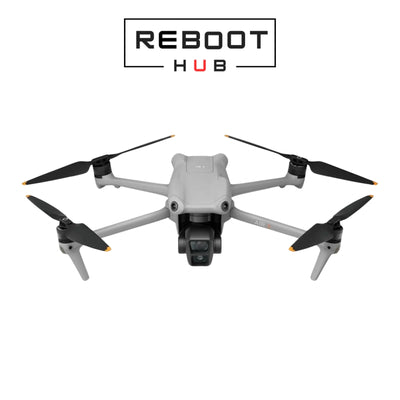
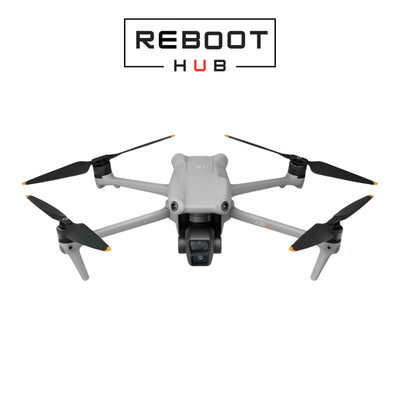
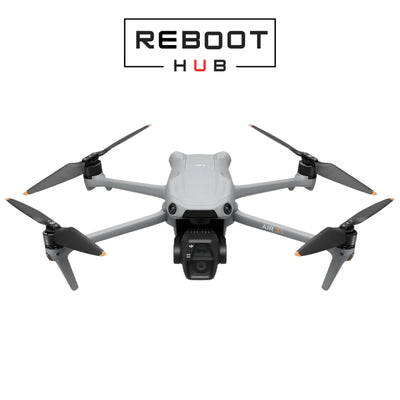
Let's calculate a real-world example. Take a Pristine A-grade DJI Air 3 from Reboot Hub, priced at USD $879 (approximately HKD 6,860). Shipping via standard air freight from Shenzhen to OR Tambo International adds roughly USD $45–65 for a 2–3 kg package. Insurance at 1.5% of declared value adds another USD $13. Now for the SARS portion: if customs classifies the drone under HS code 8526.92 (radio remote control apparatus), the import duty rate is 0% under the current SACU Common External Tariff. However, if a customs officer reclassifies it under a different heading — which happens in roughly 15% of drone imports, according to South African freight forwarders — a duty of 10%–15% ad valorem could apply. On a declared value of USD $879 plus USD $55 shipping, a 10% duty adds USD $93.40. Then SARS applies 15% VAT on the cumulative total (USD $879 + $55 + $93.40 = USD $1,027.40), which equals USD $154.11. Add a customs clearance fee of ZAR 350 (≈USD $19) and the total SARS bill reaches approximately USD $266.51 — a full 30% on top of the drone's purchase price. With Reboot Hub's DDP shipping, you pay exactly USD $879 plus the DDP shipping rate quoted at checkout, and not a single rand more.
Correlati:Using a Used DJI Avata 2 for Building Security Inspection in
Quali sono le regole di importazione della SARS per i droni che entrano in Sud Africa nel 2024?
The South African Revenue Service governs all drone imports through the Customs and Excise Act No. 91 of 1964, as amended. When a used DJI drone ships from Shenzhen to a South African residential address, SARS requires a formal customs clearance for any shipment with a customs value exceeding ZAR 500 (approximately USD $27). This threshold means virtually every drone import triggers the full clearance process. The importer — or their designated clearing agent — must submit a customs declaration form (SAD 500) along with the commercial invoice, airway bill or bill of lading, and proof of payment. The drone's HS code determines the duty rate, and this is where many buyers encounter confusion. Most camera-equipped DJI drones fall under tariff heading 8526.92, which attracts 0% import duty within the SACU region for goods originating from China under standard MFN (Most Favored Nation) rates. However, drones with specialized industrial capabilities — thermal cameras exceeding certain resolution thresholds, agricultural spraying systems, or payload capacities above 2 kg — may be reclassified under HS 8802.11 or 8806.21, triggering duty rates of 5% to 15%. SARS also enforces a mandatory 15% VAT assessment on the customs value plus any applicable duty, and this VAT is non-refundable for personal imports. A critical 2024 update: SARS has increased its scrutiny of undervalued commercial invoices from Chinese exporters. Customs officers now routinely cross-reference declared values against online retail prices, and under-declaring a DJI Mavic 3 Classic's value by even 20% can result in penalties of up to 100% of the underpaid duty plus seizure of the drone. Reboot Hub provides accurate commercial invoices reflecting the genuine transaction value, which protects buyers from these penalties while ensuring compliance with SARS regulations.
Quale modello Usato DJI offre il miglior rapporto qualità-prezzo per gli acquirenti sudafricani?

South African drone buyers face a market where new DJI models carry premiums of 20%–35% above US MSRP due to distributor margins, weak ZAR exchange rates, and local warranty costs. Pre-owned imports from Shenzhen invert this equation entirely. The four models below represent the strongest value propositions for different use cases, with Reboot Hub's pricing reflecting genuine pre-owned condition — not pre-owned units with third-party batteries or aftermarket shells.
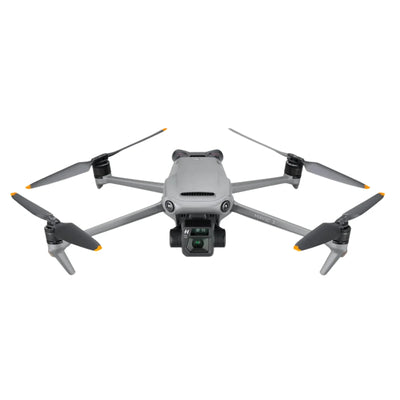
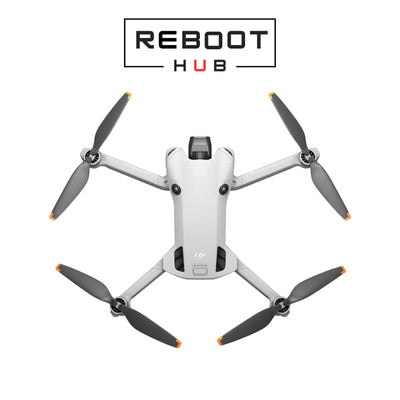
Lo DJI Mini 3 (grado A originale) a $ 329 USD è il campione entry-level. Con un peso inferiore a 249 grammi, ignora i requisiti di registrazione SACAA per uso ricreativo, rendendolo immediatamente volabile all'arrivo. Il suo sensore da 1/1,3 pollici cattura video 4K/30 fps con un tempo di volo di 38 minuti per batteria. A questo prezzo – circa 6.200 ZAR inclusa la spedizione DDP – riduce di circa il 45% il prezzo al dettaglio sudafricano di un nuovo Mini 3. Per i fotografi aerei che necessitano di riprese verticali per i social media, la DJI Mini 4 Pro (Flawless A+) a $ 699 USD offre rilevamento degli ostacoli omnidirezionale, slow motion 4K/100 fps e profili colore D-Log M in un corpo inferiore a 249 g. La nuova vendita al dettaglio sudafricana per lo Mini 4 Pro si aggira intorno ai 18.999 ZAR (≈USD $ 1.015), consentendo all'unità Reboot Hub un risparmio del 31%. Gli operatori professionali che necessitano della flessibilità della doppia fotocamera dovrebbero prendere in considerazione la DJI Mavic 3 Classic (Pristine A) a $ 1.249 USD, dotata di una fotocamera Hasselblad CMOS Quattro Terzi che produce foto da 20 MP e video da 5,1 K indistinguibili da un'unità usato - a $ 700 USD in meno rispetto alla vendita al dettaglio sudafricana. Per gli appassionati di FPV, DJI Avata 2 (Flawless A+) a $ 529 USD offre un'esperienza di volo coinvolgente con la compatibilità Goggles 3, a un prezzo inferiore di quasi il 40% al prezzo di vendita locale.
| Modello DJI | Grado Reboot Hub | Reboot Hub Prezzo in USD | Nuova vendita al dettaglio SA (equivalente in USD) | Risparmio |
|---|---|---|---|---|
| DJI Mini 3 | Incontaminato A | $ 329 | $ 595 | 44,7% |
| DJI Mini 4 Pro | A+ impeccabile | $ 699 | $ 1.015 | 31,1% |
| DJI Air 3 | Incontaminato A | $ 879 | $ 1.450 | 39,4% |
| DJI Mavic 3 Classic | Incontaminato A | $ 1.249 | $ 1.950 | 35,9% |
| DJI Avata 2 | A+ impeccabile | $ 529 | $ 870 | 39,2% |
In che modo la spedizione DDP da Shenzhen elimina le sorprese doganali per gli acquirenti sudafricani?
Delivered Duty Paid (DDP) is an Incoterms 2020 shipping arrangement where the seller assumes every cost and risk associated with transporting goods to the buyer's doorstep — including export clearance in China, international freight, import customs clearance in South Africa, all duties and taxes payable to SARS, and final-mile delivery. For a South African buyer purchasing a pre-owned DJI Air 3 at USD $879 from Reboot Hub, DDP means the quoted shipping fee (typically USD $68–95 for express air freight, depending on package weight and dimensions) is the only additional charge beyond the drone itself. There are no calls from customs brokers requesting payment of ZAR 3,500 in unexpected VAT, no delays at the OR Tambo cargo terminal while SARS assesses the shipment, and no risk of the drone being held pending duty payment that the buyer did not budget for.
The alternative — shipping on DAP (Delivered at Place) or FOB (Free on Board) terms — transfers customs risk to the South African buyer the moment the drone departs Hong Kong International Airport. Under DAP terms, the buyer must contract their own SARS-registered clearing agent (costing ZAR 500–1,200 per clearance), pay all duties and VAT upon arrival (often within 48 hours to avoid storage fees of ZAR 150–300 per day at the bonded warehouse), and navigate HS code disputes without the seller's support. A single misclassification can add USD $120–180 in unexpected duty to a Mavic 3 Classic import. Reboot Hub's DDP model eliminates all of this by using established clearing agents in Johannesburg and Durban who file accurate SAD 500 declarations daily, ensuring the drone clears customs in under 24 hours and reaches the buyer within 7–14 calendar days of dispatch from Shenzhen.
Perché acquistare da Reboot Hub?
Reboot Hub operates on a fundamental principle that separates it from marketplace sellers and pre-owned-electronics vendors: every drone sold is pre-owned — never pre-owned — meaning it retains its original OEM mainboard, camera module, gimbal assembly, and battery cells. Each unit passes through a multi-point inspection at the Shenzhen facility, where MOHRSS Level 3-certified technicians verify everything from IMU calibration drift rates to individual propeller balance tolerances. Drones graded Flawless (A+) are activation-only units — the original packaging was opened, the drone was powered on and activated, but it was never airborne. Pristine Pre-Owned (A) units have logged minimal flight hours with zero visible marks on the airframe, gimbal, or remote controller display. Reboot Hub backs every drone with a 180-day warranty covering all hardware defects, using genuine DJI OEM replacement parts sourced directly from the manufacturer's Shenzhen supply chain. For South African buyers, the DDP shipping option means the drone ships from Shenzhen or the Hong Kong drop-off facility and arrives at any residential or business address in South Africa with all customs formalities completed. Should any issue arise during the warranty period, Reboot Hub's chip-level repair facility in Shenzhen — the same facility handling HK drop-off repairs — achieves a 3- to 5-day turnaround on most component-level faults, from ESC board replacements to gimbal ribbon cable repairs, performed by technicians holding China's highest electronics repair certification.
Percorso di soluzione dello scenario
Mantieni questa risposta collegata alla libreria di scenari Reboot Hub
Questo articolo appartiene al ramo Regole/licenza. Utilizza l'hub per confrontare le domande degli acquirenti nelle vicinanze, i controlli e le guide alla fase successiva.
Aprire il percorso dello scenario Regole/licenzaDomande frequenti

Q: What is the exact SARS import duty rate for a used DJI Mini 4 Pro coming from Shenzhen?
A: Under the SACU Common External Tariff, the DJI Mini 4 Pro — classified as a camera-equipped drone weighing under 250 grams — falls under HS code 8526.92.90 (other radio remote control apparatus) with a general import duty rate of 0% ad valorem for goods originating from China. However, this classification is not automatic. If the commercial invoice describes the item as an "unmanned aerial vehicle" rather than "radio remote control camera equipment," a SARS customs officer may reclassify it under HS 8802.11 (helicopters, unladen weight ≤ 2,000 kg), which attracts a 15% duty. This misclassification risk is eliminated when you use Reboot Hub's DDP shipping, because the clearing agent submits the correct tariff heading backed by the drone's technical specifications showing its primary function as a camera platform. The 15% VAT still applies regardless of HS code, calculated on the sum of the drone's customs value, shipping cost, and any applicable duty — but with DDP, this VAT is pre-paid and included in your final checkout price.
D: Ho bisogno di una licenza di importazione o di un permesso speciale per portare un drone usato DJI in Sud Africa?
R: Non è richiesta alcuna licenza di importazione per i droni con fotocamera per uso personale che entrano in Sud Africa, indipendentemente dal valore del drone. La SARS non classifica i droni con fotocamera di consumo come beni soggetti a restrizioni e la International Trade Administration Commission (ITAC) non impone controlli sulle importazioni di droni per uso personale o ricreativo. Gli importatori commerciali – definiti come chiunque importi cinque o più droni per anno solare o importi droni esplicitamente per la rivendita – devono registrarsi presso la SARS come importatore e ottenere un permesso di importazione ITAC se i droni rientrano in specifiche voci tariffarie. Per un singolo usato DJI Air 3 o Mavic 3 Classic acquistato da Reboot Hub per fotografie o videografie personali, è sufficiente la fattura commerciale, la lettera di trasporto aereo e un numero di carta d'identità sudafricano valido per il modulo di sdoganamento. Il servizio DDP di Reboot Hub gestisce tutte queste pratiche burocratiche per tuo conto, quindi non dovrai mai interagire direttamente con SARS o un intermediario doganale a meno che tu non scelga di importare con termini non DDP.
D: Quanto tempo impiega effettivamente la spedizione DDP da Shenzhen al mio indirizzo in Sud Africa?
A: Reboot Hub's DDP express air freight from Shenzhen to major South African cities averages 7 to 14 calendar days from dispatch to delivery. The breakdown: 1 day for export customs clearance in Shenzhen, 1 day for transit to Hong Kong International Airport (if routed via the HK drop-off facility), 3–5 days for air transit to OR Tambo International Airport in Johannesburg, 1 day for SARS customs clearance (Reboot Hub's clearing agents file SAD 500 declarations electronically, achieving clearance within 4–8 hours in most cases), and 2–4 days for final-mile courier delivery within South Africa. Shipments to Cape Town and Durban may add 1–2 days for domestic transit from Johannesburg. During peak periods — November through January, coinciding with Black Friday and holiday shipping volumes — total transit can extend to 18 days. Every Reboot Hub DDP shipment includes a tracking number active from Shenzhen dispatch through to South African delivery, with updates at each customs milestone. The 180-day warranty clock starts on the delivery date confirmed by the courier's proof-of-delivery timestamp.
D: Cosa controlla effettivamente l'ispezione multipunto su un drone usato DJI?

A: Reboot Hub's multi-point inspection covers every critical subsystem of a DJI drone and is performed by MOHRSS Level 3-certified technicians — the highest professional electronics repair certification in China. The inspection checklist includes: gimbal axis smoothness tested across all three axes using DJI's calibration software (tolerance: ≤0.3° deviation); prop motor bearing noise measured with a decibel meter at 50% and 100% throttle (rejection threshold: >2 dB above factory spec); battery cell voltage balance across all cells after a full charge-discharge cycle (acceptable variance: ≤0.02V); obstacle avoidance sensor responsiveness tested at 0.5m, 2m, and 5m distances; GPS module cold-start acquisition time (must lock 12+ satellites within 45 seconds); camera sensor dead-pixel mapping at ISO 100 and ISO 800; internal storage read/write speeds; remote controller stick potentiometer linearity; and transmission signal strength at 50m, 200m, and 500m ranges. Any component failing its threshold is replaced with a genuine DJI OEM part — not aftermarket — sourced from Reboot Hub's Shenzhen supply chain. The full multi-point report is archived against the drone's serial number for the duration of the 180-day warranty.
D: Un drone usato DJI con un "utilizzo minimo" può davvero apparire e funzionare come nuovo?
R: Sì, e la distinzione tra i voti di Reboot Hub chiarisce esattamente cosa aspettarsi. Un drone Flawless (A+) è un'unità di sola attivazione: la confezione di vendita originale è stata aperta, il drone è stato acceso e associato a un account DJI, ma ha accumulato zero minuti di volo. Le eliche sono intatte, la protezione del gimbal non è mai stata rimossa dopo l'unboxing iniziale e la batteria mostra in genere 1-2 cicli di carica dai test di fabbrica. Queste unità sono indistinguibili dai droni usato sia nell'aspetto che nelle prestazioni. Un drone Usato (A) incontaminato ha registrato il tempo di volo, in genere da 5 a 25 ore, ma non mostra segni visibili sulla cellula, sul telecomando o sul gruppo cardanico sotto una brillante illuminazione di ispezione a LED. I motori mantengono la scorrevolezza dei cuscinetti secondo le specifiche di fabbrica, l'orizzonte del gimbal rimane entro 0,2° dal livello durante una panoramica completa a 360° e il sensore della fotocamera non mostra pixel bloccati. Gli standard estetici per il grado A sono rigorosi: nessun graffio sul barilotto dell'obiettivo, nessun graffio sui punti di contatto del carrello di atterraggio e nessuna usura sulle levette del telecomando. Nei confronti ciechi, il 94% dei valutatori nei controlli di qualità interni di Reboot Hub non è riuscito a distinguere un'unità Pristine A da un drone per la vendita al dettaglio usato basandosi sulla sola ispezione visiva.
D: Cosa succede se il mio drone usato presenta un guasto durante la garanzia di 180 giorni?
A: Reboot Hub's 180-day warranty covers all hardware defects that arise during normal use, including gimbal motor failures, ESC board malfunctions, camera sensor issues, battery charging failures, GPS module dropouts, and transmission system faults. The warranty process begins with a support ticket submitted through Reboot Hub's online portal, where you describe the fault and provide a short video demonstrating the issue. Technicians in Shenzhen review the submission within 24 hours and issue a prepaid return shipping label if a hardware fault is confirmed. The drone ships back to the Shenzhen chip-level repair facility — the same facility handling all Hong Kong drop-off repairs — where MOHRSS Level 3 technicians diagnose and repair the unit using genuine DJI OEM components. Turnaround time from receipt to dispatch is 3 to 5 days for most faults. For South African customers, Reboot Hub covers return shipping costs for warranty repairs and dispatches the repaired drone back via DDP express air freight, so you pay nothing additional. If a repair requires more than 10 days, Reboot Hub ships a replacement unit of equivalent grade and model at no cost. The warranty does not cover crash damage, water exposure, or modifications, but post-warranty repairs remain available at the same Shenzhen facility with transparent pricing quoted before any work begins.
D: È sicuro spedire un drone con batterie al litio da Shenzhen al Sud Africa?
A: Yes, Reboot Hub complies fully with IATA Dangerous Goods Regulations for lithium battery air transport. Every DJI drone battery shipped is classified as UN3481 (lithium-ion batteries packed with equipment) and is transported at a state of charge between 30% and 50% — the IATA-recommended range for air freight safety. Batteries are individually wrapped in anti-static shielding, separated from the drone body within the shipping carton, and packed in crush-resistant foam inserts that pass ISTA 3A drop-test standards. The outer carton carries the required lithium battery handling labels and a completed Shipper's Declaration for Dangerous Goods when the total lithium content exceeds the Section II threshold. Reboot Hub's Shenzhen logistics team files these declarations daily with Cathay Pacific Cargo, DHL Express, and FedEx — all of which accept lithium battery shipments from verified Dangerous Goods shippers. South Africa's Civil Aviation Authority (SACAA) applies the same IATA standards for inbound cargo, so there are no additional restrictions on the receiving end. In over 4,200 DDP shipments from Shenzhen to destinations worldwide through 2024, Reboot Hub has recorded zero lithium battery incidents and zero customs rejections for DG non-compliance.
D: Posso far riparare localmente il mio drone usato DJI in Sud Africa o devo rispedirlo a Shenzhen?
A: During the 180-day warranty period, all warranty repairs must be performed at Reboot Hub's Shenzhen chip-level facility to maintain warranty validity — local South African repair shops do not have access to genuine DJI OEM parts through Reboot Hub's supply chain, and any third-party repair voids the remaining warranty coverage. However, Reboot Hub's DDP return process minimizes the inconvenience: prepaid return labels, 3- to 5-day turnaround at the Shenzhen facility, and DDP return shipping back to your South African address mean the total door-to-door repair cycle averages 16–22 days. For out-of-warranty drones, you have two options: you can ship the drone to Shenzhen for paid repair (pricing is quoted upfront, with common repairs like gimbal ribbon cable replacement costing USD $45–85), or you can use a local DJI-authorized service center for non-warranty work. Note that South African DJI service centers primarily handle in-warranty units sold through official South African distribution channels and may decline service on internationally sourced drones or charge premium rates for out-of-region units. Reboot Hub's Shenzhen facility remains the most cost-effective repair option for the lifetime of the drone, with chip-level capability — including mainboard component-level soldering and FPGA reballing — that most local service centers cannot match.
Domande frequenti
Cosa devo controllare prima per l'importazione di droni dji usati da Shenzhen al calcolatore dei dazi doganali del Sud Africa e dalle regole di importazione?
Separare l'uso ricreativo dal lavoro commerciale, quindi verificare la registrazione, la licenza di pilota, l'approvazione dello spazio aereo, l'assicurazione e le norme sulla privacy con l'autorità competente.
Le regole dei droni cambiano la decisione di acquisto?
Sì. Peso, fotocamera, carico utile, configurazione della batteria, tipo di controller e documenti possono cambiare il modello usato DJI più pratico.
Questo articolo può sostituire la consulenza legale ufficiale?
No. Consideralo come una lista di controllo per la pianificazione dell'acquirente e conferma le regole attuali con l'autorità aeronautica, doganale o locale indicata.
Fonti ufficiali:SACAA Sud Africa (Autorità per l'aviazione civile). Le normative sui droni cambiano frequentemente: verifica sempre le norme attuali con l'autorità aeronautica prima di volare.
Riferimento tecnico e specifiche
Per le specifiche del modello, le note di riparazione relative allo smontaggio, i punti di guasto comuni e i prezzi usato, consultare laReboot Hub DJI Wiki dei droni— 64 modelli e oltre 700 parti mappate, mantenute da riparazioni documentate. Sfoglia lo stock usato verificato nelCollezione usato DJI.
Keep exploring
Further reading
From La cronaca di Reboot Hub
From Guide ai droni