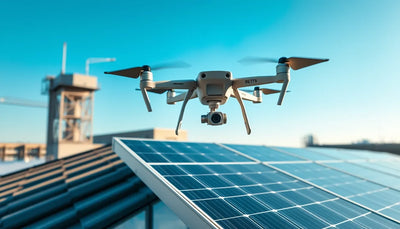
Hai bisogno di una licenza per droni per ispezioni di pannelli solari sul tetto commerciale in Indonesia?
Guida agli scenari Reboot Hub
Brief dell'acquirente: controlli sulle licenze e sulle regole operative

Situazione:è necessaria una licenza per droni per ispezioni di pannelli solari sul tetto commerciale in Indonesia. Questa guida risponde innanzitutto alla situazione specifica, quindi collega il lettore al percorso di acquisto usato verificato di Reboot Hub.
Prima il caso d'uso
Separare le attività ricreative, le riprese commerciali, l'ispezione, l'estrazione mineraria, la mappatura e gli eventi prima di interpretare le regole.
Controllo dell'autorità
Verificare con l'autorità competente la registrazione, la licenza di pilota, lo spazio aereo limitato, l'assicurazione e le norme sulla privacy.
Impatto sugli acquisti
Le regole possono modificare il modello, il carico utile, il controller, la documentazione e la documentazione del venditore corretti necessari prima dell'importazione.
Guide Reboot Hub correlate:Confronto dei droni 2026Guide doganali e IVAGaranzia e guide alla riparazioneLo standard Reboot Hub
Risposta rapida
- Sì, è obbligatoria una licenza per droni commerciali (SPC).per le ispezioni a pagamento dei pannelli solari sul tetto in Indonesia; operare senza di essi comporta multe fino a 500 milioni di IDR (32.000 dollari).
- Certificato di Pilota Remoto DGCA (SPC)costa circa $ 350- $ 700 USD (IDR 5,5-11 milioni) attraverso organizzazioni di formazione approvate come APDI o scuole di volo certificate a Giakarta, Surabaya o Bali.
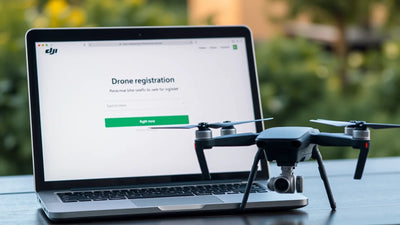
- Registrazione del drone (Sertifikat Pendaftaran)con la Direzione generale dell'aviazione civile costa circa 2 milioni di IDR (130 dollari) per unità commerciali; è richiesto il rinnovo annuale.
- Permessi di esercizio commerciale (SKKP)aggiungere altri 200-500 dollari per progetto a seconda della classificazione dello spazio aereo e della vicinanza alle zone soggette a restrizioni: i parchi solari in aree remote in genere rientrano in livelli di tariffa più bassi.
- L'assicurazione è obbligatoriaper lavori commerciali con droni; La copertura per responsabilità civile parte da 3,5 milioni di IDR (225 USD) all'anno tramite fornitori come Jasaraharja Putera o Allianz Indonesia.
Quali sono le normative indonesiane sui droni per le ispezioni solari sui tetti commerciali?
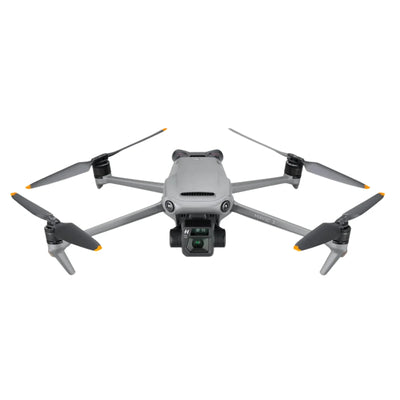
La Direzione generale dell'aviazione civile (DGCA) dell'Indonesia, che opera sotto il Ministero dei trasporti, regola tutti i sistemi aerei senza pilota (UAS) attraversoCASR Parte 107— un quadro normativo strettamente modellato sulla Parte 107 di FAA ma con requisiti indonesiani distinti. Per le ispezioni dei pannelli solari sui tetti commerciali, il regolamento è inequivocabile: qualsiasi operazione con droni condotta per "compensazione o vantaggio economico" rientra nella classificazione commerciale e richiede unCertificato di pilota remoto (Sertifikat Pengendali Pesawat Udara Tanpa Awak o SPC). Ciò vale sia che tu sia un termografo freelance che addebita i clienti per ispezione o un tecnico interno impiegato da un'azienda di installazione solare. La DGCA classifica i droni in base al peso:Classe 1 (sotto i 2 kg),Classe 2 (2–25 kg)eClasse 3 (oltre 25 kg). La maggior parte dei droni da ispezione, come DJI Mavic 3 Enterprise o DJI Matrice 350 RTK con carico utile termico, rientrano nella Classe 2, il che significa che sia la certificazione del pilota che la registrazione dell'aereo non sono negoziabili. Nello specifico, la parte 107.65 del CASR impone ai piloti commerciali di superare un esame di conoscenza teorica che copre le classificazioni dello spazio aereo indonesiano, la meteorologia, le procedure di emergenza e la legge sull'aviazione locale. La prova pratica di volo dovrà essere condotta davanti ad un esaminatore autorizzato dalla DGCA. A differenza dell’uso ricreativo dei droni – che ha regole più indulgenti al di sotto dei 2 kg – il lavoro di ispezione solare commerciale non offre esenzioni. Anche uno DJI Mini 4 Pro da 900 grammi, se trasportato per un controllo termico a pagamento, fa scattare l'intero requisito normativo.
Correlati:SACAA Parte 101 per operazioni con droni nel settore immobiliare commerciale con DJI
Fondamentalmente, le ispezioni dei pannelli solari sul tetto introducono considerazioni normative uniche. Molte installazioni solari commerciali si trovano in cima a fabbriche, magazzini ed edifici per ufficispazio aereo urbano o industriale— spesso entro 5 miglia nautiche da un aeroporto o eliporto. Le normative indonesiane DGCA vietano i voli commerciali di droni all'interno dello spazio aereo controllato senza un permesso operativo specifico (SKKP — Surat Keterangan Kelaikan Pengoperasian). Un’ispezione di un pannello solare sul tetto di un magazzino a Bekasi o in un complesso di uffici a Tangerang potrebbe facilmente rientrare nello spazio aereo di Classe B di Giakarta. Ottenere un SKKP per tali località in genere aggiunge7–14 giorni lavorativialle tempistiche del progetto e richiede la presentazione di un piano di volo dettagliato, una matrice di valutazione del rischio e una prova di assicurazione all'ufficio locale della DGCA. Per i parchi fotovoltaici nelle regioni più remote – come i campi solari intorno a Kupang o Sumba – le restrizioni sullo spazio aereo generalmente si allentano e il processo SKKP diventa una formalità. Tuttavia, gli operatori di droni stranieri dovrebbero tenere presente che l’Indonesia non riconosce i certificati di pilota remoto rilasciati all’estero per lavori commerciali. Un certificato US Part 107 o EASA A2 non sarà sufficiente; è necessario ottenere l'SPC indonesiano tramite un fornitore di formazione locale o assumere un pilota indonesiano certificato DGCA per agire come operatore in comando.
Correlati:Waar Kan Ik Vliegen ha incontrato Mijn Drone in Olanda? Le migliori app
Quanto costa una licenza per droni commerciali in Indonesia?
Il costo totale per diventare un pilota di droni commerciali legalmente conforme per le ispezioni dei pannelli solari in Indonesia è compreso tra$ 1.200 e $ 2.800 USD (circa IDR 18,5–43 milioni), a seconda del fornitore di formazione, della classe con droni e di eventuali barriere linguistiche che potrebbero richiedere un esaminatore di lingua inglese. La spesa principale è il pacchetto di formazione ed esame SPC, che scuole certificate come APDI (Asosiasi Pilot Drone Indonesia), Terra Drone Indonesia o il programma droni del Bandung Institute of Technology forniscono5–7 giornidi scuola combinata a terra e istruzione di volo. Questi programmi costano tra 5,5 e 11 milioni di IDR (350-700 dollari). La scuola di terra copre i regolamenti dell'aviazione indonesiana, la lettura dello spazio aereo, le procedure di radiotelefonia, l'interpretazione meteorologica e la gestione del rischio, per un totale di circa30–35 classroom hours. La valutazione pratica del volo prevede la dimostrazione del volo stazionario di precisione, della navigazione dei waypoint, delle procedure di ritorno a casa di emergenza e delle risposte simulate ai guasti delle apparecchiature. Separatamente, la registrazione dei droni presso la DGCA costa circa 2 milioni di IDR (130 dollari) per aereo e deve essere rinnovata ogni anno. Il processo di registrazione richiede il numero di serie del drone, le specifiche del produttore e una dichiarazione di destinazione d'uso commerciale. Per gli operatori che intendono condurre ispezioni di pannelli solari in più province - ad esempio progetti che abbracciano Giava Occidentale, Giava Centrale e Bali - l'ufficio regionale della DGCA di ciascuna provincia può richiedere la propria presentazione di notifica, aggiungendo 500.000-1.000.000 IDR (32-65 dollari) per regione per progetto. L’assicurazione è un altro costo fisso: la DGCA impone una copertura di responsabilità civile verso terzi con limiti minimi di 1 miliardo di IDR (64.000 dollari) per le operazioni di Classe 2. I premi annuali tramite assicuratori indonesiani come PT Asuransi Jasaraharja Putera in genere partono da 3,5 milioni di IDR (225 dollari) ma possono salire fino a 8 milioni di IDR (515 dollari) se il tuo lavoro prevede ispezioni sui tetti urbani dove il rischio di danni alla proprietà è maggiore.
Quale modello di drone è il migliore per le ispezioni dei pannelli solari sul tetto?

La scelta del drone giusto per l’ispezione termica dei pannelli solari commerciali in Indonesia richiede la valutazione della capacità di carico utile rispetto alla praticità operativa in condizioni equatoriali. IlDJI Matrice 350 RTKabbinato alla termocamera Zenmuse H20T rappresenta l'attuale gold standard: offre una risoluzione termica radiometrica 640×512, una fotocamera con zoom da 20 MP e un telemetro laser che mette a fuoco automaticamente i singoli pannelli daAltitudine 15–30 metri. Lo Matrice 350 RTK vola fino a55 minutisulle batterie TB65, consentendo una copertura di circa1.800–2.200 metri quadratidi pannelli solari sul tetto per volo. Tuttavia, a 13.800 dollari nuovi, rappresenta un investimento di capitale significativo. Il più compattoDJI Mavic 3 Enterprise Thermaloffre un'alternativa convincente: il suo sensore termico 640×512 cattura anomalie hotspot di piccole dimensioni5 cm²da una distanza di 10 metri e il tempo di volo di 45 minuti gestisce la maggior parte dei tetti commerciali di piccole e medie dimensioni in un'unica sortita. Le nuove unità vengono vendute al dettaglio per $ 4.200 USD. Per gli operatori che entrano nel mercato indonesiano, Reboot HubUsato immacolatoL'inventario presenta un percorso di riduzione dei costi che vale la pena calcolare. Uno Matrice 350 RTK di grado impeccabile (A+) - solo attivazione, mai volato, con ancora i sigilli di imballaggio OEM - in genere elencato su$ 9.900 USD, che rappresenta un risparmio di $ 3.900 rispetto al nuovo. Un Usato intatto (grado A) Mavic 3 Enterprise Thermal con zero segni visibili e verifica completa dell'ispezione multipunto funziona approssimativamente$ 2.800 USD: quasi il 33% al di sotto del prezzo consigliato, ma completamente garantito per 180 giorni con ricambi OEM originali.
| Modello di drone | Thermal Risoluzione | Tempo di volo | Nuovo prezzo (USD) | Reboot Hub Usato (USD) |
|---|---|---|---|---|
| DJI Matrice 350 RTK | 640×512 (H20T) | 55 minuti | $ 13.800 | $ 9.900 (A+) |
| DJI Mavic 3 Enterprise T | 640×512 | 45 minuti | $ 4.200 | $ 2.800 (A) |
| DJI Mavic 2 Enterprise Avv. | 640×512 | 31 minuti | $ 3.500 (fuori produzione) | $ 2.100 (A) |
| Autel EVO Max 4T | 640×512 | 42 minuti | $ 8.500 | $ 5.600 (A) |
Il clima indonesiano aggiunge un’altra considerazione. L’elevata umidità e la frequente convezione pomeridiana in città come Giakarta, Medan e Surabaya fanno sì che i droni operinoTemperature ambiente 28–34°Ccon umidità relativa del 75–90%. Il grado di protezione IP55 dello Matrice 350 RTK offre una protezione significativa contro improvvisi acquazzoni tropicali: un vantaggio pratico quando l'ispezione del tetto di un impianto solare da 3 megawatt non può essere riprogrammata a metà turno. Per le attività più piccole che conducono ispezioni solari residenziali o commerciali leggere (sistemi inferiori a 50 kW), Mavic 3 Enterprise Thermal fornisce dati radiometrici sufficienti per identificare stringhe con prestazioni inferiori, guasti ai diodi di bypass e microfessure a livello di cella, tutti visibili come differenziali di temperatura superiori2–3°Cdalle celle vicine. L'otturatore meccanico del drone e lo zoom ibrido 56× consentono inoltre l'ispezione visiva ad alta risoluzione dell'hardware di montaggio, della gestione dei cavi e delle connessioni dell'inverter senza cambiare carico utile.
I piloti di droni stranieri hanno bisogno di permessi aggiuntivi in Indonesia?
Gli operatori stranieri di droni che arrivano in Indonesia per contratti di ispezione commerciale di pannelli solari si trovano ad affrontare un contesto normativo stratificato che si estende ben oltre i requisiti SPC. Innanzitutto, l’Indonesia non mantiene un accordo di riconoscimento reciproco per i certificati di pilota di droni con nessun paese. Possiede un CASA RePL dall'Australia, un FAA Part 107 dagli Stati Uniti o un certificato EASA A1/A3Peso giuridico zeroper lavori commerciali con droni sul suolo indonesiano. L'operatore straniero ha due percorsi conformi: completare l'intero processo di formazione ed esame SPC attraverso un'organizzazione di formazione indonesiana approvata dalla DGCA, che può essere organizzata in5–7 giornia Giakarta o Bali – o assumere formalmente un pilota remoto indonesiano certificato dalla DGCA come operatore in comando mentre il pilota straniero funge da osservatore o operatore del carico utile. Quest'ultima disposizione è comune per i lavori di termografia specializzata in cui l'esperienza del tecnico straniero risiede nell'interpretazione delle firme dei guasti fotovoltaici piuttosto che nel pilotaggio di droni di per sé. In secondo luogo, le entità straniere devono ottenere aPermesso di operatore straniero (FOP)dalla Direzione Aeronavigabilità e Operazioni della DGCA. L'applicazione FOP richiede un minimo di30 giorni lavorativitempi di elaborazione e documentazione, tra cui il certificato di costituzione della società, la prova dell'assicurazione che copre il territorio indonesiano e una lettera autenticata che nomina una persona responsabile locale. La tariffa FOP è di 15 milioni di IDR (970 USD) per un periodo di validità di 12 mesi. In terzo luogo, qualsiasi drone importato temporaneamente per scopi commerciali deve sdoganare un vincolo di importazione temporanea (Carnet ATA o equivalente locale), che comporta una tassa di elaborazione doganale di circa2,5% del valore dichiarato dell'attrezzatura. Per uno Matrice 350 RTK con carico utile H20T del valore di $ 13.800, ciò aggiunge circa $ 345 USD in spese doganali. Le apparecchiature che entrano attraverso l'aeroporto internazionale Soekarno-Hatta (CGK) o Ngurah Rai (DPS) in genere vengono sgomberate all'interno2-3 giorni lavorativise gestito da un intermediario doganale autorizzato.
Perché acquistare da Reboot Hub?
L'impiego di una flotta di droni per le ispezioni commerciali dei pannelli solari in Indonesia richiede attrezzature che siano allo stesso tempo convenienti e assolutamente affidabili: una combinazione che rende Reboot HubUsato immacolatoePerfetto (A+)hanno classificato i droni come una scelta strategica di approvvigionamento. Ogni drone venduto da Reboot Hub viene sottoposto aispezione multipuntoat their Shenzhen facility, where MOHRSS Level 3-certified technicians disassemble, test, and recalibrate every major subsystem — from gimbal motors and IMU sensors to battery cell impedance and transmission modules. Only genuine OEM parts are used in any repair or refurbishment process; third-party aftermarket components are never substituted, preserving full compatibility with DJI firmware and warranty protocols. Each unit ships with aGaranzia di 180 giorniche copre sia l'hardware che i sistemi elettronici di base, offrendo agli operatori commerciali in Indonesia un'intera stagione delle piogge (tipicamente da novembre a marzo) per convalidare le apparecchiature in condizioni tropicali impegnative. Maniglie Reboot HubSpedizione DDP (Delivered Duty Paid).from Shenzhen and Hong Kong, meaning the price you see includes Indonesian customs duties, import taxes, and clearance fees — no surprise charges when your Matrice 350 RTK arrives at your Jakarta or Surabaya workshop. Should equipment sustain damage during roof inspection operations — say, a collision with an unmarked guy wire or an unexpected wind gust near a parapet wall — Reboot Hub's Shenzhen chip-level repair facility offersTempi di consegna di 3-5 giornion most common failures, with a Hong Kong drop-off option that simplifies international logistics. For a commercial solar inspection business charging clients IDR 15–25 million ($950–$1,600 USD) per megawatt surveyed, minimizing equipment downtime translates directly into revenue protection.
Percorso di soluzione dello scenario
Mantieni questa risposta collegata alla libreria di scenari Reboot Hub
Questo articolo appartiene al ramo Regole/licenza. Utilizza l'hub per confrontare le domande degli acquirenti nelle vicinanze, i controlli e le guide alla fase successiva.
Aprire il percorso dello scenario Regole/licenzaDomande frequenti

D: Ho bisogno di una licenza per droni se ispeziono solo i pannelli solari della mia azienda?
A: Yes. Indonesian DGCA regulations define "commercial" operations as any flight connected to a business activity — even if you own both the drone and the solar array. If the inspection data is used for maintenance decisions, insurance claims, or performance verification within a registered business entity, the operation is classified as commercial and requires a Remote Pilot Certificate (SPC), aircraft registration, and third-party liability insurance. Self-inspection by a facility manager without an SPC exposes the company to fines of up to IDR 500 million ($32,000 USD) under Article 411 of Indonesia's Aviation Law No. 1/2009. The only exemption applies to purely recreational flights with drones under 2 kg, flown below 120 meters, in uncontrolled airspace, and with absolutely no connection to any business purpose.
D: Quanto tempo ci vuole per ottenere una licenza per droni SPC in Indonesia?
R: La maggior parte dei fornitori di formazione approvati dalla DGCA completa l'intero processo di certificazione SPC inDa 5 a 7 giorni lavorativi. Ciò include circa 30-35 ore di teoria della scuola a terra (legge indonesiana sull'aviazione, classificazione dello spazio aereo, meteorologia, fattori umani e valutazione del rischio) seguite da 4-6 ore di esame pratico di volo. La DGCA in genere elabora la tessera SPC fisica entro 10-14 giorni dal completamento con esito positivo dell'esame, sebbene venga emesso immediatamente un certificato temporaneo. I candidati dovrebbero preventivare un budget di 5,5-11 milioni di IDR (350-700 $ USD) per il pacchetto completo, più 500.000 IDR (32 USD) per le spese amministrative della DGCA. I corsi di lingua inglese sono disponibili presso fornitori premium a Giakarta e Bali, di solito aggiungendo 1,5–2 milioni di IDR (95–130 $) al prezzo base.
D: Posso utilizzare uno DJI Mini 4 Pro per le ispezioni dei pannelli solari sul tetto senza licenza?
R: No. Anche se lo DJI Mini 4 Pro pesa meno di 250 grammi ed è esente da registrazione se volato a scopo ricreativo, nel momento in cui viene utilizzato per la termografia commerciale del pannello solare - anche senza una termocamera, utilizzando solo l'ispezione visiva - rientra pienamente nelle normative commerciali CASR Parte 107. La soglia di peso di 250 grammi non prevede alcuna esenzione commerciale in Indonesia. Inoltre, Mini 4 Pro è privo di un sensore termico radiometrico, il che lo rende funzionalmente inadatto al rilevamento di anomalie della temperatura a livello di cella di 2–5°C che indicano guasti ai diodi di bypass, degrado del PID o microfessure. Per legittimi lavori di ispezione solare commerciale, un drone con sensore termico 640×512 e uscita dati radiometrici (come lo DJI Mavic 3 Enterprise Thermal a $ 2.800 USD usato di Reboot Hub) è l'attrezzatura minima utilizzabile.
D: Quanto posso addebitare per le ispezioni dei pannelli solari con droni in Indonesia?

R: I servizi di ispezione solare commerciale con droni in Indonesia in genere fanno pagare tra15 milioni di IDR e 25 milioni di IDR (950-1.600 dollari) per megawattdi capacità fotovoltaica installata verificata. Un sistema su tetto da 1 megawatt - circa 3.000-3.500 pannelli singoli che coprono 5.000-6.500 metri quadrati - richiede circa 4-6 ore di volo per un rilevamento approfondito con un carico utile Matrice 350 RTK e H20T. La tariffa di solito include l'ortomosaico termico completo, una mappa termica delle anomalie con le coordinate dei difetti contrassegnate dal GPS e un rapporto diagnostico per stringa che identifica i moduli con prestazioni inferiori. I parchi solari più grandi su scala industriale (oltre 10 megawatt) richiedono tariffe per megawatt inferiori di 8-12 milioni di IDR (515-775 dollari) a causa dei miglioramenti in termini di efficienza del volo. I contratti di ispezione annuali per tetti commerciali e industriali, che coprono ispezioni termiche trimestrali, vanno da 45 a 80 milioni di IDR (da 2.900 a 5.150 dollari) a seconda delle dimensioni del sistema e dell'accessibilità della posizione.
D: Quale copertura assicurativa è richiesta per il lavoro commerciale con droni in Indonesia?
R: La DGCA impone un'assicurazione di responsabilità civile verso terzi con una copertura minima di1 miliardo di IDR (64.000 dollari)per operazioni con droni di Classe 2 (2–25 kg) utilizzati nelle ispezioni solari commerciali. I premi annuali partono da 3,5 milioni di IDR (225 dollari) tramite assicuratori indonesiani come PT Asuransi Jasaraharja Putera o Allianz Indonesia, anche se i premi salgono a 6-8 milioni di IDR (385-515 dollari) per gli operatori che effettuano ispezioni sui tetti urbani dove i rischi di danni alla proprietà e lesioni personali sono elevati. L'assicurazione dello scafo che copre il drone e il carico utile stesso, consigliata per attrezzature come uno Matrice 350 RTK da $ 13.800, in genere aggiunge il 4-6% del valore dichiarato dell'attrezzatura ogni anno, ovvero circa $ 550-$ 830 USD. Alcuni clienti di parchi solari in Indonesia richiedono agli appaltatori di stipulare un'assicurazione di responsabilità civile professionale di almeno 2 miliardi di IDR (128.000 dollari) come condizione contrattuale.
D: In Indonesia esistono zone interdette al volo che incidono sui lavori di ispezione dei pannelli solari?
R: Sì, e sono estesi. La DGCA mantiene zone di interdizione al volo permanenti all'interno5 miglia nautiche (9,26 km)of all active airports and heliports, which directly affects solar panel inspections on commercial rooftops in central Jakarta (proximity to Halim Perdanakusuma Airport and numerous hospital helipads), central Surabaya (Juanda International Airport), and Denpasar (Ngurah Rai International Airport). Additionally, flights over military installations, government buildings, and presidential compounds are strictly prohibited. Several large industrial estates where solar installations are common — such as MM2100 in Cikarang or KIIC in Karawang — fall partially within controlled airspace corridors. Operators must check the DGCA's SIPUDI (Sistem Informasi Penerbangan Udara dan Drone Indonesia) portal or use DJI's FlySafe geofencing database updated for Indonesian airspace before scheduling any inspection. Violations carry fines of IDR 200–500 million ($12,800–$32,000 USD) and potential criminal charges under Aviation Law No. 1/2009.
D: Reboot Hub spedisce droni in Indonesia con tutti i dazi doganali pagati?
R: Sì. Offerte Reboot HubSpedizione DDP (Delivered Duty Paid).from their Shenzhen and Hong Kong logistics centers, meaning the final price at checkout includes all Indonesian import duties, PPN (Value Added Tax at 11%), customs clearance fees, and last-mile delivery to your address in Jakarta, Surabaya, Bandung, Bali, or any major Indonesian city. Typical delivery time is5–8 giorni lavorativivia DHL Express or FedEx Priority. For example, a Pristine Pre-Owned DJI Matrice 350 RTK listed at $9,900 USD arrives at your door with zero additional charges — no surprises from Indonesian Customs (Bea Cukai), no broker fees, and no delays for duty assessment. Every unit includes the full 180-day warranty activated on delivery date, and Reboot Hub's Shenzhen repair center offers 3–5 day turnaround with a Hong Kong drop-off option for any warranty claims, keeping your solar inspection operations running with minimal downtime.
Domande frequenti
Cosa devo controllare prima se è necessaria una licenza per droni per ispezioni di pannelli solari sul tetto commerciale in Indonesia?
Separare l'uso ricreativo dal lavoro commerciale, quindi verificare la registrazione, la licenza di pilota, l'approvazione dello spazio aereo, l'assicurazione e le norme sulla privacy con l'autorità competente.
Le regole dei droni cambiano la decisione di acquisto?
Sì. Peso, fotocamera, carico utile, configurazione della batteria, tipo di controller e documenti possono cambiare il modello usato DJI più pratico.
Questo articolo può sostituire la consulenza legale ufficiale?
No. Consideralo come una lista di controllo per la pianificazione dell'acquirente e conferma le regole attuali con l'autorità aeronautica, doganale o locale indicata.
Fonti ufficiali:DGCA Indonesia (Ditjen Perhubungan Udara). Le normative sui droni cambiano frequentemente: verifica sempre le norme attuali con l'autorità aeronautica prima di volare.
Riferimento tecnico e specifiche
Per le specifiche del modello, le note di riparazione relative allo smontaggio, i punti di guasto comuni e i prezzi usato, consultare laReboot Hub DJI Drone Wiki— 64 modelli e oltre 700 parti mappate, mantenute da riparazioni documentate. Sfoglia lo stock usato verificato nelCollezione usato DJI.
Keep exploring
Further reading
From La cronaca di Reboot Hub

From Guide ai droni