Siirry sisältöön

Available 24/7: (852) 5537 6652

DJI Drone FCC to CE Mode Change: Legal Risks in Peru

kirjoittaja LauThomas 22 Jun 2026 0 kommentteja

Quick Answer

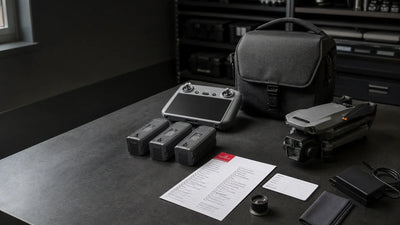
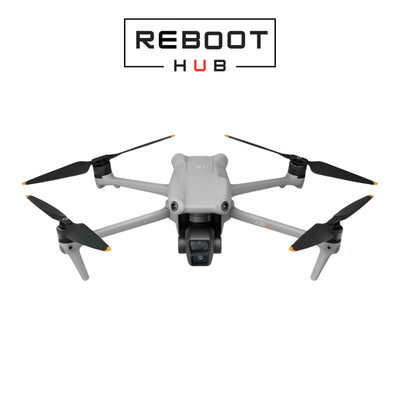
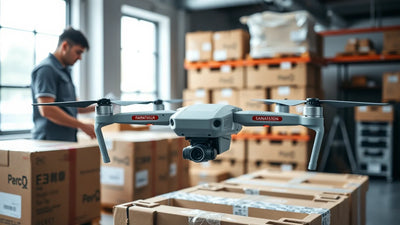
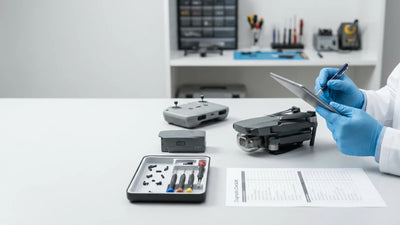
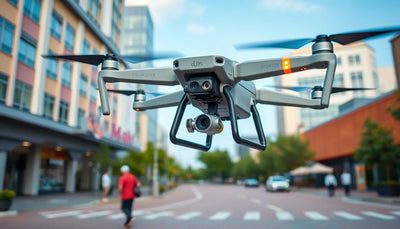
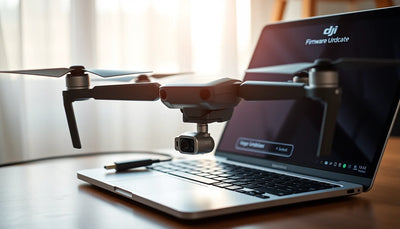
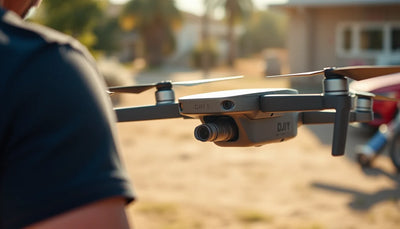
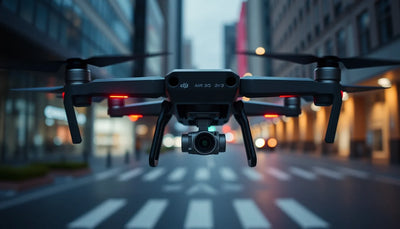
Hero illustration: DJI Drone FCC to CE Mode Change: Legal Risks in Peru
  • Switching a DJI drone from FCC to CE mode in Peru requires firmware tampering or GPS spoofing, voiding your warranty and violating local laws.
  • Peru's DGAC can impose fines up to 5 UIT (approximately $6,900 USD) for operating modified aviation equipment, while the MTC may add $3,000 USD for unauthorized radio frequency alterations.
  • Although CE mode uses lower transmission power, the method of forcing the change is considered an aeronautical infraction and can lead to drone confiscation.
  • Buying a pristine pre‑owned drone from Reboot Hub ensures factory‑standard region settings and a 180‑day warranty, eliminating legal and firmware risks.

What Does FCC to CE Mode Change Mean on DJI Drones?

DJI drones adjust their transmission power and frequency bands based on the region detected via GPS. In North and South America—including Peru—the drone automatically switches to FCC (Federal Communications Commission) mode. This allows higher output power, up to 0.4 W (26 dBm) on the 5.8 GHz band, and typically delivers a control range of up to 1.5 km in open areas. CE (Conformité Européenne) mode, used across Europe, limits power to 0.1 W (20 dBm), cutting the range roughly in half. Some pilots try to switch from FCC to CE manually to reduce interference or to comply with European travel rules, but doing so in an FCC‑designated country requires circumventing DJI’s geofencing and flight controllers—through modified firmware, third‑party apps, or GPS spoofing.

Related: Refurbished DJI Drone Warranty in the Philippines: What If I

Is It Legal to Switch DJI Drone Transmission Mode in Peru?

Peru’s Dirección General de Aeronáutica Civil (DGAC) requires all drones to operate within the manufacturer’s original specifications for the region. While the simple act of lowering transmission power might not be explicitly banned, the method employed almost always violates at least two layers of regulation. Firstly, any software modification that alters the drone’s region coding is treated as unauthorized tampering with aeronautical equipment under RAP 101 (Regulaciones Aeronáuticas del Perú). Secondly, using GPS spoofing or frequency‑hopping hacks falls under the jurisdiction of the Ministerio de Transportes y Comunicaciones (MTC), which enforces the country’s telecommunications laws. Even if a pilot switches to CE mode for a trip abroad, re‑activating the hack upon return to Peruvian airspace resets the legal exposure. Authorities have confiscated drones at control points in Lima and Cusco when firmware logs revealed intentional region mismatches.

Related: Quietest Drone for Indoor UK Wedding Ceremonies? DJI Mini 5

What Are the Specific Penalties for Illegal FCC Mode Use in Peru?

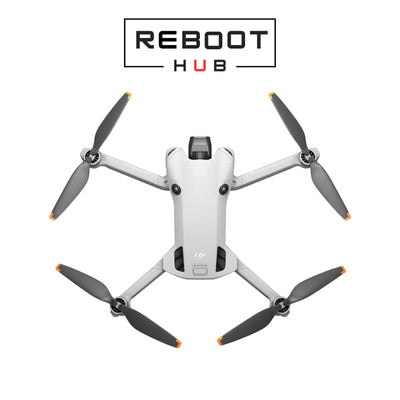
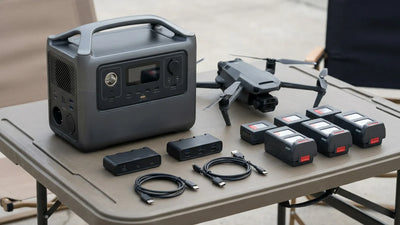
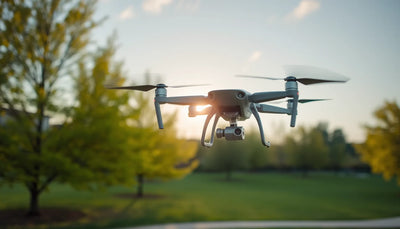
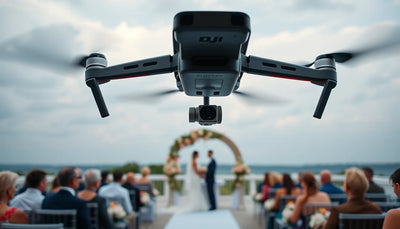
Supporting visual: DJI Drone FCC to CE Mode Change: Legal Risks in Peru

The DGAC can levy fines of up to 5 Unidades Impositivas Tributarias (UIT) for any deviation from approved aircraft specifications. In 2024, one UIT equals S/ 5,150 (approx. $1,380 USD), making the maximum administrative penalty roughly S/ 25,750 or $6,900 USD. The MTC can separately penalize unauthorized radio frequency usage with fines up to $3,000 USD under Supreme Decree 020-2007-MTC. Combined, a pilot could face nearly $10,000 USD in fines, drone confiscation, and a mandatory appearance before a civil aviation safety panel. Repeat offenses can lead to temporary revocation of drone operating permits and, in extreme cases, criminal charges for endangering airspace safety. Legal fees to contest a DGAC sanction start at about $2,500 USD and rarely succeed when firmware modification evidence is present.

How Does DJI’s Geofencing and Firmware Affect Mode Switching?

Modern DJI drones, such as the Mavic 3 series, Mini 3 Pro, and Air 2S, lock the region setting the first time they acquire a GPS fix. The “hack” tools that force CE mode work by spoofing the GPS coordinates to a European location or by injecting custom parameters into the flight controller. DJI’s latest firmware (v01.01.0000 and above) actively monitors for integrity violations; once detected, the drone can enter a safety mode that restricts altitude to 30 meters and range to 50 meters, effectively grounding it. Moreover, DJI servers log every region unlock attempt. When a drone is sent for service—whether to DJI’s own repair centers or to an independent shop like Reboot Hub’s Shenzhen facility—technicians can read the tamper flag, voiding any remaining warranty. A voided warranty on a Mavic 3 Classic, for example, could mean out‑of‑pocket repair costs of $400‑$800 USD for a core board replacement.

Where to Buy Pristine Pre-Owned Drones

For pilots who want a legally compliant DJI drone with full confidence in its firmware integrity, Reboot Hub (reboot-hub.com) offers an excellent alternative to new purchases or questionable second‑hand units. Every Reboot Hub drone is classed as Pristine Pre‑owned, not refurbished. Each unit passes a 40‑point inspection and is built with genuine OEM parts, then backed by a 180‑day warranty. The condition grades include Flawless (Grade A+)—drones that have only been activated and never flown—and Pristine Pre‑Owned (Grade A), which show zero visible wear. A Flawless DJI Mini 3 Pro is typically priced around $779 USD (approx. 6,100 HKD), while a Pristine DJI Mavic 3 Classic can be found for $1,199 USD (approx. 9,400 HKD). All orders ship DDP (Delivered Duty Paid) directly from Shenzhen or Hong Kong to Peru, meaning no surprise customs fees. Reboot Hub’s repair centre handles chip‑level repairs with MOHRSS Level 3 certified technicians, returning most jobs within 3–5 days, and even offers a Hong Kong drop‑off point for those visiting Asia. By purchasing from Reboot Hub, you receive a drone with unmodified, factory‑standard region settings, avoiding the legal risks entirely while still saving 20‑40% compared to a brand‑new unit.

Frequently Asked Questions

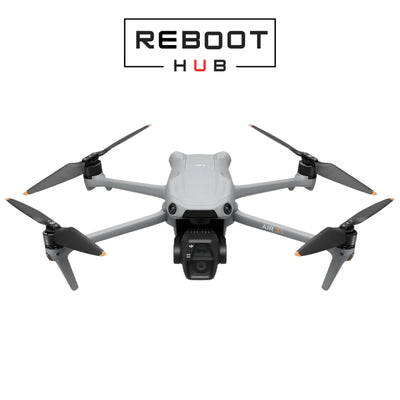
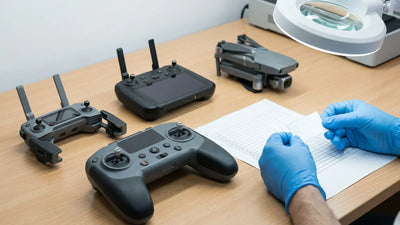
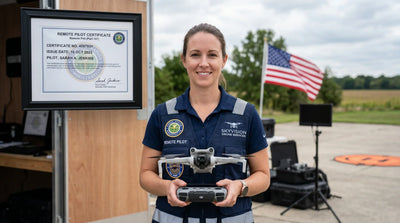
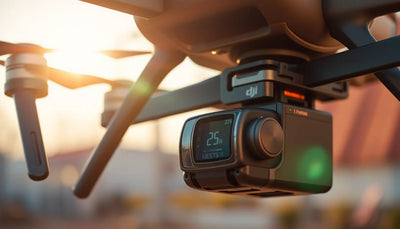
Detail shot: DJI Drone FCC to CE Mode Change: Legal Risks in Peru

Q: Can I legally fly a DJI drone that is originally set to CE mode in Peru?

A: It depends on how the drone entered the country. If you purchased a CE‑locked unit from Europe and physically brought it to Peru, you can fly it after registering with the DGAC, because CE mode does not exceed FCC emission limits. However, the drone must still comply with Peruvian identification and airworthiness requirements. A CE‑locked Mavic Air 2 imported this way might cost around $550 USD on the secondary market, but the registration process can take up to 15 business days and requires a local tax ID. Note that attempting to re‑flash the drone to FCC mode while in Peru would be treated identically to the hacks discussed above—inviting the same fines of up to $6,900 USD.

Q: What happens if I use a modified drone that shows FCC mode in a CE‑only country?

A: Flying an FCC‑boosted drone in Europe, for example, can attract immediate attention from telecommunications regulators. In Germany, for instance, the Bundesnetzagentur can issue fines up to €500,000 for unauthorized high‑power transmissions. Even if you only use the drone briefly, DJI’s server logs will record the power output, and if a complaint is filed, you could be prosecuted under local radio laws. A typical penalty in the UK exceeds £5,000. The best practice is to either fly a drone already configured for CE mode or use a stock unit from a compliant region. A Pristine Pre‑Owned DJI Mini 2 from Reboot Hub shipped with proper CE firmware costs roughly $429 USD (approx. 3,360 HKD) and includes a 180‑day warranty.

Q: How much does it cost to repair a DJI drone damaged due to a failed firmware hack?

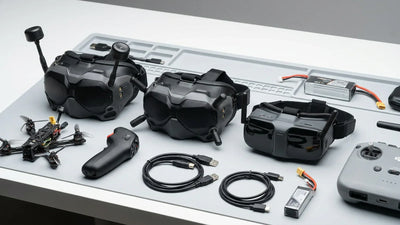
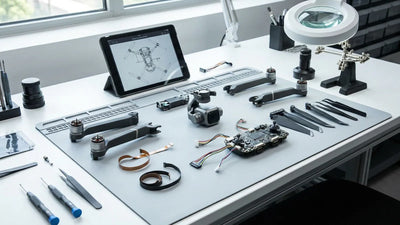
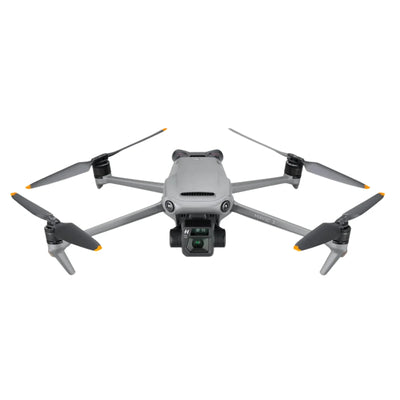
Technical view: DJI Drone FCC to CE Mode Change: Legal Risks in Peru

A: The cost depends on the component affected. A bricked flight controller on a DJI Air 2S typically requires a full main board replacement, which runs between $320 USD and $420 USD (2,500–3,300 HKD) at an independent shop. If the hack corrupts the GPS module, add another $120 USD (940 HKD). Many repair centers will not touch a drone with altered firmware because of liability. Reboot Hub’s Shenzhen chip‑level facility, however, can often restore a tampered board to factory specification using lab‑grade programmers. A complete firmware restoration on a Mavic 3 starts at $180 USD (1,410 HKD) with a guaranteed 3‑5 day turnaround and return shipping included. Still, the original warranty remains void.

Q: Does changing my drone from FCC to CE affect insurance coverage in Peru?

A: Absolutely. Peruvian drone insurers, such as Pacífico Seguros or Rímac, require the drone to operate within the manufacturer’s published specifications. Any proof of unauthorized firmware modification—and DJI’s flight logs clearly show a region mismatch—will result in immediate denial of liability and hull claims. For example, if a hacked DJI Mini 3 Pro crashes into a building and causes S/ 12,000 in damage, the pilot could be personally liable for the full amount. Annual insurance premiums for a legally‑configured drone range from $120 USD to $350 USD, depending on coverage. Keeping your drone stock, as with any Reboot Hub unit, preserves full insurance eligibility.

Q: How can I tell if my DJI drone is currently in FCC or CE mode?

A: Power on the drone and controller, then enter the DJI Fly app’s transmission settings. FCC mode will display transmission power ratings of up to 26 dBm (5.8 GHz) and a typical range estimate of 1.5‑2 km in open air. CE mode limits power to 20 dBm and shows a range of approximately 500‑800 meters. Additionally, the number of available 5.8 GHz channels drops from 16 in FCC to just 11 in CE. If you see an FCC power graph while physically in Peru, your drone is operating legally. If it shows CE without a valid travel context, the drone has likely been modified, exposing you to the penalties described.

Q: Can Reboot Hub pre-set a drone to a specific region before shipping to Peru?

A: Reboot Hub ships every drone exactly as it left the original factory, with its region lock determined by the first GPS lock after unboxing. They do not alter firmware or spoof locations, so you receive a fully compliant, untampered unit. For a customer in Peru, the drone will automatically switch to FCC mode upon startup, just as DJI intended. You can place an order for a Flawless DJI Mavic 3 Classic for $1,199 USD (approx. 9,400 HKD), and it will arrive DDP within 7‑10 business days. All Reboot Hub units carry a 180‑day warranty and have passed the 40‑point inspection, ensuring you never have to weigh the legal risks of mode hacks.

Edellinen viesti
Seuraava postaus

Jätä kommentti

Huomaa, että kommentit on hyväksyttävä ennen kuin ne julkaistaan.

Kiitos tilaamisesta!

Tämä sähköposti on rekisteröity!

Osta ulkoasua

Valitse vaihtoehdot

Muokkaa vaihtoehtoa
Back In Stock Notification
this is just a warning
Kirjaudu sisään
Ostoskori
0 kohteita
0%