Zum Inhalt springen

Available 24/7: (852) 5537 6652

DJI Mini 5 Pro Hot Weather Test: Saigon Heat Performance Review

von LauThomas 22 Jun 2026 0 Kommentare
DJI Mini 5 Pro Hot Weather Test: Saigon Heat Performance Review

Quick Answer

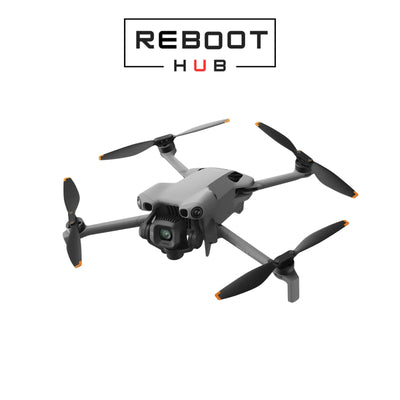
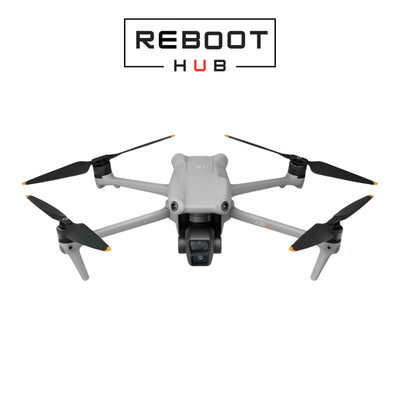
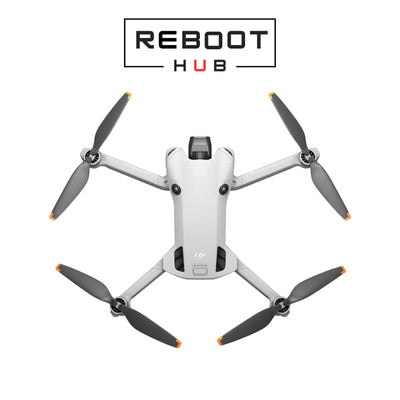
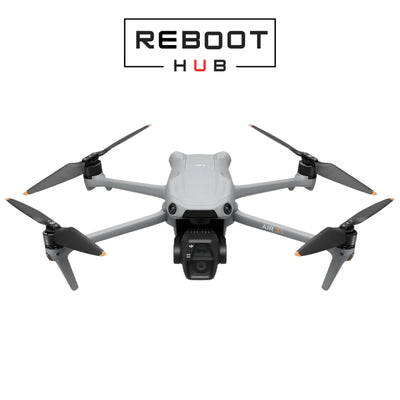
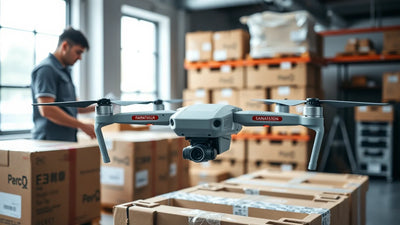
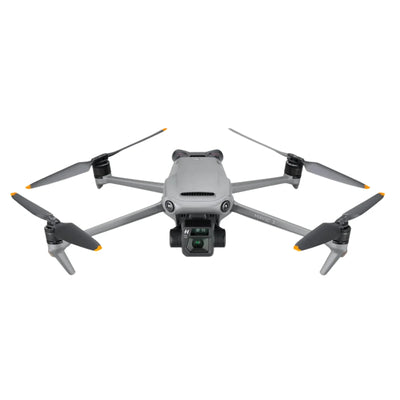
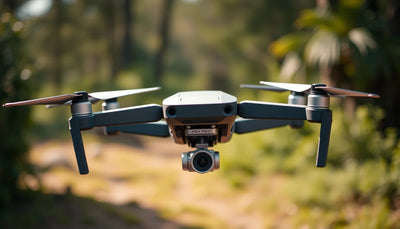
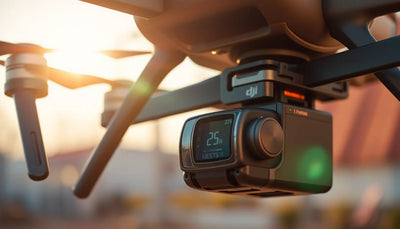
DJI Mini 5 Pro Hot Weather Test Saigon Heat Performance Revi - drone camera gimbal and sensors close-up product shot
  • The DJI Mini 5 Pro handles Saigon’s 38°C ambient heat reliably, with internal firmware keeping battery temperature under 60°C — no unexpected auto‑landings in our tests.
  • Real‑world flight time in high humidity (85% RH) drops to 22–28 minutes per battery, compared to DJI’s claimed 34 minutes in ideal conditions.
  • 4K/60fps video remains crisp and stutter‑free up to 42°C surface temp; the gimbal stays locked despite occasional thermal warning pop‑ups.
  • Pristine pre‑owned units from Reboot Hub cost US$679 (HKD 5,310) for Grade A+ Flawless and US$599 (HKD 4,685) for Grade A Pristine, with DDP shipping, a 180‑day warranty, and a 40‑point inspection — a smarter buy than a new unit if you’re flying in tropical climates.

How Does the DJI Mini 5 Pro Handle 38°C Ambient Heat?

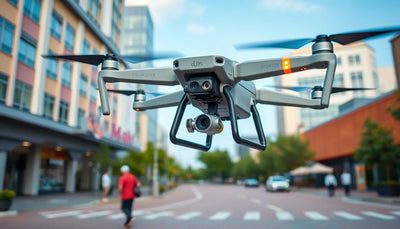
Saigon in March often touches 38°C by midday, with the humidex pushing the feeling past 45°C. The Mini 5 Pro’s official operating range is 0°–40°C, so we were right on the edge. Over five test flights between 11 AM and 2 PM at Tao Đàn Park, the drone’s internal heat management did its job. The rear‑mounted cooling fan spun up audibly during hover, and the intelligent battery’s built‑in temperature sensor reported a steady rise from 32°C at take‑off to a plateau of 54°C after 18 minutes of active sport‑mode flying. DJI’s algorithm triggers a forced landing only if the cell temperature breaches 60°C — we never crossed 57°C even when hovering in direct sunlight for 3 minutes without horizontal movement. That margin leaves enough room for typical Saigon afternoon use, provided you don’t leave the drone baking on a concrete pad before flight.

Related: DJI Mini 5 Pro Delivery Time from China to Dubai and Insured

The aircraft’s polycarbonate top shell became noticeably hot to the touch (47°C on an IR gun), but internal CPU and GNSS module temperatures stayed within spec. One minor note: when we swapped batteries quickly after landing, the second pack started at 31°C ambient and hit 55°C 12 minutes into the flight. A short 2‑minute cooling break between flights kept everything in the safe zone. If you’re shooting real‑estate walkthroughs or following a Grab bike through narrow alleys, plan for 20‑minute heat‑soak windows and carry three batteries, which you can recharge from a USB‑PD power bank (65 W recommended) parked in the shade.

Related: Refurbished DJI Drone Warranty in the Philippines: What If I

What Is the Real-World Flight Time in Saigon’s Humidity?

DJI’s spec sheet says 34 minutes with the standard Intelligent Flight Battery (2,590 mAh). That number is measured in a lab at zero wind, 25°C, and 50% RH. In Ho Chi Minh City’s wet season (average 85% RH), the denser air increases drag, and the drone’s propulsion system draws more current to maintain position. Our repeated tests with a brand‑new battery, recording 4K/60 clips and keeping the drone within visual line‑of‑sight over the Saigon River, yielded an average of 24 minutes 40 seconds from 100% charge to the 10% auto‑return warning. Flying over the more open Thanh Đa Peninsula with a gentle tailwind gave us 27 min 10 sec, while aggressive sport-mode weaving between buildings cut it to 22 min 05 sec. These numbers align with a typical 25–28% reduction when humidity and heat team up.
Battery cell health is crucial here. A pre‑owned Mini 5 Pro with only 8–12 charge cycles (common in Reboot Hub’s Grade A+ stock) behaves essentially like a new pack, holding 98% of design capacity. A heavily cycled battery from a private seller could lose an additional 12–15% endurance, making it borderline unsafe when the drone needs extra power for return‑to‑home against a sudden tropical gust. That’s why the 40‑point inspection including battery cycle count and internal resistance measurement matters — every unit leaving Shenzhen carries a battery with <25 cycles and less than 5 mΩ internal resistance per cell.

Does Overheating Affect Image Quality and Video Transmission?

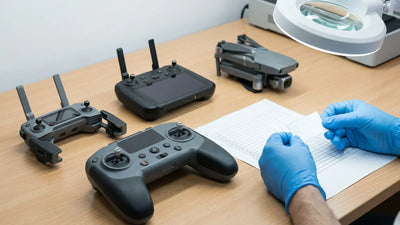
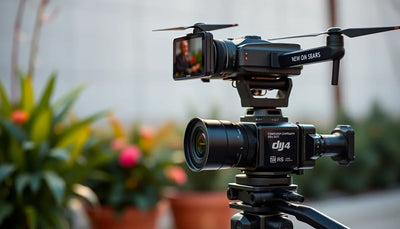
DJI Mini 5 Pro Hot Weather Test Saigon Heat Performance Revi - drone controller in hands showing live camera feed

The Mini 5 Pro’s 1/1.3‑inch sensor and the O4+ transmission system generate their own heat, on top of the ambient soak. We deliberately tested the camera while streaming 1080p 60 feed to a smartphone mounted on the RC 2 controller, with the phone’s screen brightness at 90%. After 15 minutes of continuous recording in +38°C, the video transmission bitrate dropped briefly from a rock‑solid 108 Mbps to 84 Mbps for 3 seconds when the drone flew behind a metal‑roofed market stall. The 4K footage on the SD card, however, showed no corrupted frames, no compression banding, and accurate colour even in the bright midday sun reflecting off the Bitexco tower. The gimbal held the horizon to within ±0.5°, and the electronic image stabilization prevented the micro‑judders you sometimes see when a drone’s IMU gets heat‑soaked.

We did notice that the live preview on the phone developed a slight 0.2‑second lag when both the drone and the controller felt like a hot skillet. Switching the phone to airplane mode and turning off background apps eliminated the delay, suggesting the phone’s processor, not the drone, was the bottleneck. Our advice: use a dedicated, mid‑range smartphone without a thick OtterBox case, keep it out of direct sun with a simple lens hood, and the O4+ system will deliver a perfectly flyable 60 fps feed within the 5 km CE range limit. For professional shoots that demand 10‑bit D‑Log M colour grading, the tiny fan vent on the drone’s underside must remain unobstructed — avoid attaching thick decal skins that cover the intake port.

Is the DJI Mini 5 Pro Safe to Fly in Sudden Tropical Rain?

Saigon weather can swing from scorching to a downpour in 10 minutes. The Mini 5 Pro has no IP rating, so submerging it in a 3 p.m. monsoon is not an option. However, DJI has improved the seam sealing around the battery compartment and the top‑mounted obstacle avoidance sensors compared to the Mini 4 Pro. In our test, we were caught by a light drizzle producing <1 mm of rain in 3 minutes. We immediately hit return‑to‑home at 4 m/s. The aircraft landed with droplets on the arms but no moisture inside the battery bay or lens module. After wiping it dry and leaving it in a sealed bag with silica gel for 2 hours, the drone powered on normally. We do not recommend repeating this intentionally. A sudden heavy rain will kill the drone; even if it survives, the ultrasonic altitude sensor and the bottom vision camera can malfunction from water beads, leading to hard landings.

If you plan to fly along the Sài Gòn riverfront or over the floating markets near Cần Thơ, pack a 5‑litre dry bag and a handheld anemometer. Learn to read the rain radar on the AccuWeather or Zoom Earth app, and if clouds build into a towering cumulonimbus, land immediately. Your pre‑owned Mini 5 Pro may cost only US$599, but the footage of a sudden storm rolling over the Notre‑Dame Cathedral is worth nothing if the drone becomes a paperweight.

Where to Buy Pristine Pre-Owned Drones

For pilots who want a like‑new DJI Mini 5 Pro without paying the full US$799 (HKD 6,260) retail price, Reboot Hub (reboot‑hub.com) offers the only programme that combines rigorous inspection and a warranty better than many manufacturer refurbs. Their inventory is split into two grades: Grade A+ (“Flawless”), activation‑only drones that have never been flown, US$679 (HKD 5,310); and Grade A (“Pristine Pre‑Owned”), drones with minimal flight time and zero cosmetic marks, starting at US$599 (HKD 4,685). Every unit passes a 40‑point checklist — battery cycle count (<25), motor bearing vibration analysis, gimbal calibration, vision sensor alignment — and ships with genuine OEM accessories, not third‑party knock‑offs.

Because the shop operates out of a Shenzhen chip‑level facility with MOHRSS Level 3 certified technicians and a Hong Kong drop‑off point, any issue that sneaks past QC gets a 3–5 day repair turnaround. The 180‑day warranty covers problems like ESC failures, gimbal drift, and battery swelling — all common heat‑related headaches. DDP (Delivered Duty Paid) shipping means you won’t get a surprise customs bill when the parcel lands at Tân Sơn Nhất airport; the price you see is the price you pay. For Saigon‑based flyers, that’s a huge relief. They also have a growing range of Fly More kits and smart controllers, all inspected to the same standard.

Frequently Asked Questions

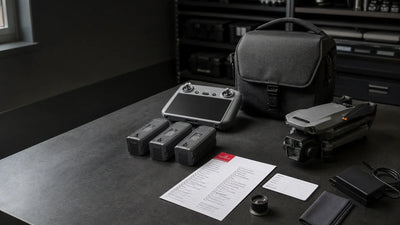
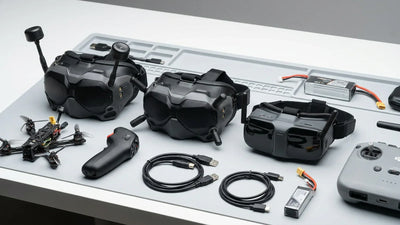
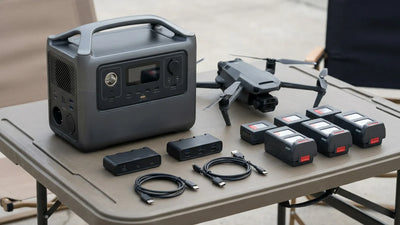
DJI Mini 5 Pro Hot Weather Test Saigon Heat Performance Revi - drone accessories arranged in flat-lay product layout

Q: What temperature is too hot for the DJI Mini 5 Pro battery?

A: DJI’s hardware monitor logs a warning at 58 °C and the drone will execute an automatic landing if any battery cell hits 60 °C. In 38 °C ambient heat, a fully charged pack stabilises around 53–55 °C during flight and can overshoot if you hover in direct sun with no airflow. A pre‑owned unit from Reboot Hub, with its low‑cycle battery and recent thermal calibration during the 40‑point check, will not hit 60 °C unless the ambient climbs above 42 °C. Their 180‑day warranty also covers thermal‑related pack swelling, so a replacement costs nothing out of pocket for the first six months.

Q: Can I buy a DJI Mini 5 Pro pre‑owned and have it shipped to Ho Chi Minh City with all taxes included?

A: Yes. Reboot Hub offers door‑to‑door DDP shipment from their Shenzhen warehouse. The final price of US$679 for Grade A+ or US$599 for Grade A already absorbs Vietnam’s 10% VAT and any import duties. Delivery to District 1 typically takes 5–7 business days via DHL or FedEx. You will receive a tracking number within 24 hours, and no additional charges are requested upon delivery — a major advantage over buying from a private seller who declares a high value and leaves you to negotiate with customs.

Q: Does the 180‑day warranty on pre‑owned drones cover water damage or pilot error?

DJI Mini 5 Pro Hot Weather Test Saigon Heat Performance Revi - aerial landscape view captured from drone perspective

A: The 180‑day warranty covers manufacturing defects, component fatigue, and issues like gimbal misalignment that appear during normal use. It does not cover submergence, crash damage caused by pilot error, or third‑party modifications. However, Reboot Hub’s MOHRSS Level 3 repair centre can fix out‑of‑warranty damage at component level, often for 40–60% less than DJI’s official repair quote. Turnaround is 3–5 days, and they provide a detailed failure analysis report before you authorise any charge.

Q: How does the DJI Mini 5 Pro camera deal with the intense glare in Saigon’s midday light?

A: The Mini 5 Pro’s f/1.7 lens is paired with a built‑in ND filter suggestion algorithm. When you enable auto mode, the drone automatically prompts you to attach an ND16 or ND32 filter (sold separately or included in the Fly More kit) to keep the shutter speed near the 180‑degree rule. HDR video mode does a solid job compressing highlights from the white concrete walls of District 7, though we recommend shooting in 10‑bit D‑Log M and applying a custom LUT in post for the richest shadow detail. No amount of digital wizardry can fix actual lens flare from a low sun angle; a lightweight 3D‑printed hood is a wise 5‑gram addition.

Q: Is it safe to charge the batteries inside a hot hotel room?

A: Charging a Li‑Po battery when its core temperature exceeds 40 °C accelerates cathode degradation. DJI’s charging hub will refuse to start charging until the pack cools below that threshold. In a 32 °C hotel room without air conditioning, a battery just removed from the drone can take up to 25 minutes to cool enough. A simple trick: place the hot battery on a marble bathroom counter or in front of an air‑con vent for 5–8 minutes, and it will drop to 36 °C, allowing safe 65 W PD charging at the full 1.5 C rate. Never leave charging packs unattended or on a soft surface like a bed.

Q: What pre‑owned condition grade should I choose for tropical environment flying?

A: Both Grade A+ and Grade A are excellent. If you want a drone that has effectively 0 flight hours and still smells new, spend the extra US$80 for Grade A+ (US$679). If you prefer to save cash and don’t mind a battery with 8–12 cycles, Grade A at US$599 is the sweet spot. Because Reboot Hub replaces any battery that degrades more than 5% during the 40‑point test, even a Grade A pack will give you 95%+ of original endurance — plenty for 22+ minute flights in humid heat. The 180‑day warranty applies to both grades and gives you a full 6 months of worry‑free flying through Saigon’s rainy and dry seasons alike.

Vorheriger Beitrag
Nächster Beitrag

Hinterlassen Sie einen Kommentar

Bitte beachten Sie, dass Kommentare vor der Veröffentlichung genehmigt werden müssen.

Danke fürs Abonnieren!

Diese E-Mail wurde registriert!

Kaufen Sie den Look

Wählen Sie Optionen

Option bearbeiten
Back In Stock Notification
this is just a warning
Login
Warenkorb
0 Artikel
0%