Skip to content

Available 24/7: (852) 5537 6652

Support & Learning

How to Store DJI Drone Batteries Long-Term Without Damage: The Complete Guide

by LauThomas 29 May 2026 0 comments

Whether you are a weekend aerial photographer who puts the drone away for winter, a professional pilot between projects, or someone who bought spare batteries in bulk during a sale, DJI drone battery storage practices matter enormously. A fully charged battery left in a hot Shenzhen apartment for three months, or a completely drained one forgotten in a humid garage, can suffer irreversible capacity loss — or worse, dangerous swelling that renders the pack useless and creates a genuine safety hazard. The difference between a battery that still delivers 90% of its rated capacity after two years and one that ends up in the recycling bin almost always comes down to how it was stored during idle periods. Reboot Hub technicians have diagnosed and serviced thousands of DJI intelligent flight batteries since 2022, holding MOHRSS Level 3 Advanced Technician certification recognised by China's Ministry of Human Resources and Social Security.

This guide distils the best practices published by DJI in their official documentation, combined with the hands-on experience our Reboot Hub technicians have accumulated from servicing intelligent flight batteries across the Mavic, Air, Mini, Inspire, Matrice, and Avata product lines. We will cover the science behind lithium-polymer (LiPo) chemistry, explain the critical 40–60% storage charge window, detail temperature and humidity targets, walk you through DJI's built-in hibernation mode, and provide a seasonal storage protocol you can follow whether you are stowing batteries for a week or a year. Bookmark this page — it could save you hundreds of dollars in replacements. If storage damage does occur, our Reboot Hub DJI Repair Cost Database 2026 covers component-level pricing for every major DJI model.

How Does a DJI Intelligent Flight Battery Work?

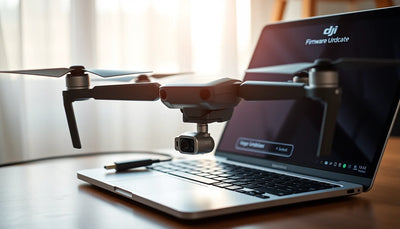
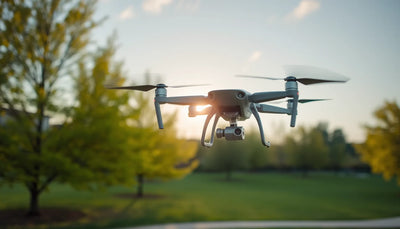
How to Store DJI Drone Batteries Long-Term Without - professional cover image
Quick Answer: Store DJI batteries at 40–60% charge in a cool, dry location (20–25°C) and check them once per month. Proper long-term storage prevents capacity loss and swelling — but if damage has already occurred, Reboot Hub's chip-level battery management board repair runs $60–80 with a typical turnaround of 2–4 business days.

Every modern DJI drone battery is a multi-cell lithium-polymer pack controlled by a sophisticated Battery Management System (BMS). Unlike the simple AA cells you might throw in a drawer, these batteries are actively managed. The BMS monitors individual cell voltages, tracks charge cycles, balances cells during charging, and — crucially for long-term storage — can put the battery into an automatic hibernation mode when it detects prolonged inactivity.

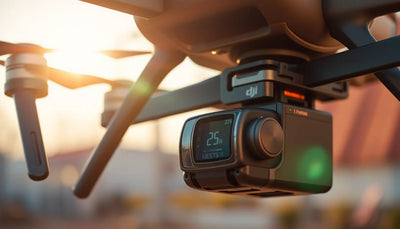
How to Store DJI Drone Batteries Long-Term Without - technical diagnostic close-up

Why LiPo Chemistry Demands Special Storage Care

Lithium-polymer cells degrade through two primary pathways that are directly influenced by how they are stored:

  • Calendar aging: Even when not in use, the internal chemistry slowly breaks down. This process accelerates dramatically with higher states of charge and higher temperatures. A battery stored at 100% charge in a 35°C environment can lose 15–20% of its total capacity within just a few months.
  • Self-discharge: All LiPo cells gradually lose charge over time. DJI batteries self-discharge at a rate of roughly 1–3% per month depending on temperature. If left unchecked, a battery can eventually drop below the minimum safe voltage threshold, triggering deep discharge protection and potentially permanent damage.

The key insight is that these two degradation mechanisms pull in opposite directions. Calendar aging is worst at high states of charge, while deep discharge damage is worst at very low states of charge. This is exactly why the 40–60% storage window exists — it sits in the sweet spot that minimizes both risks simultaneously.

DJI BMS and Hibernation Mode Explained

DJI's BMS is designed to protect the battery during idle periods. When the battery detects that it has not been used or charged for approximately 10 to 12 days, the BMS begins an automatic discharge process. Over the following days, it gradually brings the charge level down to approximately 50–60% and then enters hibernation mode. In hibernation, the BMS draws minimal power to maintain cell monitoring, but the main output is disabled. The LED indicators will not respond when you press the power button, which can alarm first-time owners — but this is completely normal and intended behavior.

It is worth noting that the automatic self-discharge feature is a safety net, not a replacement for proper storage practices. The discharge process takes several days to complete, during which the battery sits at a high charge level. If you know the battery will not be used for more than a week, it is always better to manually discharge it to the target range using DJI's "Storage Discharge" function in the DJI Fly or DJI GO 4 app, or by using the battery station that comes with certain Fly More Combos.

What Is the Ideal Charge Level for Long-Term DJI Battery Storage?

The single most important factor in long-term battery health is the charge level at the time of storage. DJI's own documentation recommends storing batteries at 40–60% charge, and this aligns with the broader lithium battery industry consensus established by researchers at institutions like NASA, Stanford, and MIT. Here is what that looks like in practice:

Charge Level Approximate LED Indicator (DJI) Suitability for Long-Term Storage
100% All 4 LEDs solid ❌ Not recommended — accelerates calendar aging significantly
80–90% 3 LEDs solid + 1 blinking ❌ Acceptable only for short-term (under 7 days)
40–60% 2 LEDs solid ✅ Ideal for long-term storage
20–30% 1 LED solid + 1 blinking ⚠️ Marginal — risk of deep discharge over months
Below 10% 1 LED blinking rapidly ❌ Danger zone — BMS may lock out the battery

How to Manually Discharge to Storage Level

DJI provides built-in tools for managing your battery's charge level. Here is the step-by-step process:

  1. Use the DJI Fly / DJI GO 4 app: Navigate to the battery settings menu. Some firmware versions offer a "Storage Discharge" option that will begin discharging the battery to the optimal range. This process can take several hours depending on the starting charge level.
  2. Use a DJI Battery Station: If you own a DJI Mavic 3, Inspire 3, or Matrice series battery station, it includes a dedicated discharge function. Connect the batteries, select the storage discharge mode, and the station will handle the rest.
  3. Fly it down: If the weather permits and you have time, simply fly your drone until the battery is around 40–50%. This is the most natural approach but requires outdoor access and favourable conditions.
  4. Manual power draw (last resort): Insert the battery into the drone and power it on without flying. The drone's systems will draw power gradually. Monitor the app and power off when you reach the target range. This is slower and less efficient than the methods above.

Pro tip from Reboot Hub technicians: If you have multiple batteries, use a piece of masking tape or a small label to record the date and approximate charge level before placing each battery into storage. This simple habit prevents guesswork months later.

What Temperature and Humidity Are Best for Storing DJI Batteries?

After charge level, the storage environment is the second most impactful variable. Temperature in particular has an exponential effect on battery degradation. The widely cited research from Battery University demonstrates that storing a lithium cell at 25°C instead of 40°C can effectively double its usable calendar life.

Ideal Temperature Range

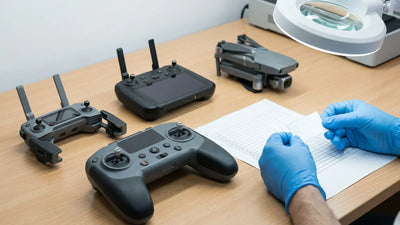
How to Store DJI Drone Batteries Long-Term Without - tools and equipment workspace

DJI recommends storing batteries in a cool, dry environment with temperatures between 20°C and 25°C (68°F – 77°F). This is comfortable room temperature for most climates, but several real-world scenarios can push you outside this range:

  • Hot car boot or trunk: Interior temperatures can exceed 60°C in summer. Never leave batteries in a parked vehicle for extended periods.
  • Unventilated storage rooms: In Shenzhen's subtropical climate, indoor storage areas without air conditioning can easily reach 35°C+ during summer months, accelerating degradation.
  • Direct sunlight near windows: Even indoors, a battery sitting on a shelf next to a sun-facing window can experience surface temperatures well above ambient.
  • Refrigerator storage (advanced): Some professional pilots store batteries at 5–10°C in a refrigerator (not a freezer). This can significantly slow calendar aging, but the battery must be brought to room temperature before use and must be kept in a sealed bag to prevent condensation from forming on the contacts.

Humidity Control

Moisture is the silent enemy of battery electronics. The BMS board, power connectors, and communication pins are all susceptible to corrosion when exposed to sustained high humidity. Aim for a relative humidity below 60%. In the Pearl River Delta region, where humidity routinely exceeds 80%, consider these measures:

  • Store batteries in a sealed container with silica gel desiccant packets.
  • Use a small rechargeable dehumidifier inside your storage case or cabinet.
  • Avoid storing batteries in basements, bathrooms, or any area prone to dampness.

How Does DJI Battery Hibernation Mode Work?

As mentioned earlier, DJI's BMS includes an automatic hibernation feature. Understanding exactly what occurs during hibernation helps you avoid unnecessary panic and ensures you handle waking batteries correctly.

Entering Hibernation

When a DJI battery remains idle for approximately 10–12 days, the BMS initiates a self-discharge sequence. Over the next several days, it gradually discharges each cell to a safe storage voltage (approximately 3.7–3.85V per cell, which corresponds to the 40–60% range). Once the target voltage is reached, the BMS enters a deep-sleep state where only a minimal monitoring circuit remains active. In this state:

  • The power button will not respond to short or long presses.
  • No LED indicators will illuminate.
  • The battery draws only microamps of current, preserving its charge for months.

This is entirely normal behavior. A battery in hibernation is not dead, damaged, or defective — it is simply sleeping.

Waking a Battery from Hibernation

To reactivate a hibernating battery, you need to connect it to a DJI charger. Here is the correct procedure:

  1. Connect the battery to its official DJI charger or charging hub.
  2. The BMS will detect the charging input and begin the wake-up sequence, which can take 5 to 30 minutes before visible charging begins.
  3. Wait patiently. The LED indicators may flash in unusual patterns during wake-up. This is expected.
  4. Once the battery wakes, allow it to charge to at least 50% before attempting to use it.
  5. If a battery does not wake after 30 minutes on the charger, it may have entered deep discharge protection. In this case, try leaving it on the charger for up to 2 hours. If it still does not respond, the battery may need professional evaluation — see Reboot Hub's professional DJI repair service for chip-level BMS diagnostics and assistance.

Important: Never attempt to wake a swollen or physically damaged battery. A puffy battery is a sign of internal gas buildup and represents a fire risk. Contact a professional service centre for safe disposal.

How Do You Store DJI Batteries for Different Seasons?

Different situations call for different approaches. Below is a seasonal protocol based on common real-world scenarios we see at Reboot Hub.

Short-Term Storage (1–4 Weeks)

How to Store DJI Drone Batteries Long-Term Without - professional repair process

If you will not fly for a couple of weeks but plan to be back in the air soon:

  1. After your last flight, allow the battery to cool to room temperature.
  2. Check the charge level in the DJI Fly app. If above 70%, use the app's discharge function or simply wait for the automatic self-discharge to take effect.
  3. Store in a dry location at room temperature (20–25°C).
  4. No special container needed, but keep away from metal objects that could short-circuit the contacts.
  5. Before your next flight, charge to 100% and perform a short hover test to verify all cells are balanced.

Medium-Term Storage (1–3 Months)

This scenario is common for pilots who fly seasonally or are travelling for extended periods:

  1. Discharge or allow the battery to self-discharge to 40–60%.
  2. Verify the charge level using the app or LED indicators.
  3. Place each battery in a LiPo-safe bag or fireproof storage container.
  4. Add silica gel packets to the storage container if you are in a high-humidity environment.
  5. Store in a climate-controlled room. Avoid garages, sheds, or unventilated storage areas.
  6. Check batteries once per month: Power them on briefly to verify they are holding charge. If a battery has dropped below 20%, give it a partial top-up to return to the 40–60% range.
  7. Before returning to service, fully charge the battery, check for any signs of swelling, and inspect the connectors for corrosion or discolouration.

For pilots who travel frequently, our guide on how to pack your drone for air travel includes additional tips on keeping batteries safe during transit.

Long-Term Storage (3+ Months / Winter Break)

For extended storage — such as putting your gear away over a monsoon season or during a long business hiatus — follow this comprehensive protocol:

  1. Charge level: Set all batteries to 40–60%. Do not leave them fully charged.
  2. Environment: Choose a location with stable temperature (20–25°C ideal) and low humidity (below 60%).
  3. Containment: Use individual LiPo-safe bags or a dedicated fireproof LiPo storage case. For maximum safety, store the case in a location where a thermal event would not spread to flammable materials.
  4. Monitoring schedule: Check batteries every 30–45 days. This involves:
    • Pressing the power button (or connecting to a charger) to verify the battery is still responsive.
    • Checking the charge level and topping up to 40–60% if self-discharge has dropped it below 30%.
    • Visually inspecting for any signs of swelling, discolouration, or damage.
  5. Documentation: Keep a simple log — date, charge level, and any notes — for each battery. This is especially useful if you own multiple batteries with different manufacturing dates.
  6. Before first flight after long storage:
    • Charge to 100% using the official DJI charger.
    • Inspect the battery physically: check for swelling, loose connectors, or any unusual smell.
    • Update firmware if a new version is available (battery firmware updates are delivered through the drone).
    • Perform a short hover test at low altitude for 2–3 minutes. Monitor cell voltage differentials in the app. If any cell shows a significant imbalance (more than 0.1V difference from other cells), discontinue use and have the battery professionally evaluated.

If you are storing equipment alongside batteries, take the time to review our pre-flight checklist for DJI drones so everything is ready when you return to the field.

What Common Storage Mistakes Destroy DJI Drone Batteries?

After years of diagnosing battery issues at Reboot Hub, we have identified the most frequent storage mistakes that lead to premature battery failure:

  • Storing at 100% charge: This is the number one mistake we see. Pilots finish a shoot, throw the fully charged battery in a bag, and forget about it for months. The result is accelerated capacity loss and, in extreme cases, swelling due to lithium plating on the anode.
  • Leaving batteries in the drone: The drone's standby circuit draws a small amount of power. Over weeks, this can drain a battery into deep discharge territory. Always remove batteries from the drone for storage.
  • Hot storage environments: A closet next to a water heater, a shelf above a kitchen stove, or a storage unit without climate control — these are all environments we have seen in the field. Heat is the single biggest accelerator of calendar aging.
  • Ignoring hibernation symptoms: Owners who do not understand hibernation mode sometimes assume a non-responsive battery is defective and discard it. A 30-minute connection to the charger is usually all that is needed.
  • Stacking batteries loosely in a drawer: Metal objects like keys, coins, or tools can contact the battery terminals and cause a short circuit. Always use individual compartments or insulate the contacts.
  • Failing to check batteries periodically: A battery sitting for six months without any monitoring can slowly self-discharge into the danger zone. Monthly checks take only a few minutes and can prevent permanent damage.

Frequently Asked Questions

Can I store DJI batteries fully charged if I plan to use them soon?

Yes, but "soon" should mean within 7 days or less. Storing a battery at 100% for a weekend trip or a short vacation is fine. The damage occurs when fully charged batteries sit idle for weeks or months. If your plans change and you end up not flying, discharge the batteries to the 40–60% range as soon as possible.

Is it safe to store DJI batteries in a refrigerator?

How to Store DJI Drone Batteries Long-Term Without - results and comparison

Storing batteries at cool temperatures (5–10°C in a refrigerator) can significantly slow degradation and is practiced by some professional operators. However, there are important caveats: the battery must be sealed in an airtight bag with desiccant to prevent condensation from forming on the contacts and BMS board when you remove it from the cold. Allow the battery to warm to room temperature inside the sealed bag before opening it. Never store batteries in a freezer — the extreme cold can damage the cell chemistry and cause physical cracking in the pouch cells.

How do I know if my DJI battery has entered hibernation mode?

The telltale sign is that the battery will not power on when you press the power button — no LEDs, no response at all. This is normal after approximately 10–12 days of inactivity. Simply connect the battery to its official DJI charger and wait. It may take 5 to 30 minutes for the BMS to wake and begin the charging process. If you see no LED activity after an hour on the charger, the battery may have deeper issues and should be evaluated by a professional.

What should I do if my battery swelled during storage?

A swollen battery is a serious safety concern and should never be charged, used, or punctured. Place it in a fireproof container or LiPo-safe bag away from flammable materials, and take it to a professional service centre or authorized DJI disposal facility as soon as possible. Swelling is typically caused by gas buildup from internal cell reactions — often triggered by prolonged storage at high temperatures or high charge levels. At Reboot Hub, we can safely handle and dispose of compromised batteries — contact our team if you need assistance in Shenzhen, China.

How many years can a DJI battery last with proper storage?

With consistent application of the storage practices outlined in this guide, you can expect a DJI intelligent flight battery to remain serviceable for 2 to 3 years from its manufacturing date, retaining roughly 70–80% of its original capacity. Without proper storage, we routinely see batteries degrade to below 50% capacity within 12–18 months. The batteries that last longest are those that are kept at 40–60% charge during idle periods, stored at moderate temperatures, and exercised regularly rather than sitting dormant for extended stretches.

How much does it cost to repair a DJI battery management board damaged by poor storage?

At Reboot Hub, chip-level repair of a DJI Battery Management Board typically costs $60–80, completed within 2–4 business days. We surgically replace only the damaged BMS components rather than replacing the entire battery pack — this is more affordable and environmentally responsible than buying a full replacement. By comparison, authorized service centres in the US and Europe typically charge $100–160 for equivalent work and often require 1–3 weeks of turnaround. For current pricing across all DJI models, see the Reboot Hub DJI Repair Cost Database 2026.

Can I ship my DJI batteries to Reboot Hub for professional evaluation?

Yes. Reboot Hub accepts DJI intelligent flight batteries shipped from anywhere worldwide for professional chip-level evaluation at our Shenzhen, China facility. After inspection — typically completed within 1–2 business days of arrival — we provide a detailed diagnostic report with a repair quote before any work begins. Batteries showing swelling or deep discharge damage may require a Battery Management Board replacement at $60–80. For shipping instructions and to initiate a repair request, visit Reboot Hub's professional DJI repair service page.

Reboot Hub · Support

Need Professional Help?

If your drone needs repair after troubleshooting, Reboot Hub offers certified chip-level repair in Shenzhen, China — genuine OEM parts, 90-day warranty.

Prev post
Next post

Leave a comment

Please note, comments need to be approved before they are published.

Thanks for subscribing!

This email has been registered!

Shop the look

Choose options

Edit option
Back In Stock Notification
this is just a warning
Login
Shopping cart
0 items
0%