Поддержка и обучение / раздел модуля 8
Симптомы, свидетельства и диагностика
Перед этим уроком: Полное руководство по ремонту дронов
Что вы узнаете
- Узнаете, что зафиксировать, когда прекратить проверку и когда начинается сервисное обслуживание.
- Научитесь отделять наблюдаемые признаки от предположений, прежде чем выбирать дальнейшие действия.
- Сможете продолжить основной курс или перейти к отдельной теме, если это потребуется.
Диагностика конкретного DJI Neo 2
Даже для компактного дрона с защитой пропеллеров нужно принять решение о ремонте именно этого экземпляра. После удара, попадания влаги, нестабильного запуска или проблем с камерой зафиксируйте то, что можно безопасно наблюдать, а диагностика поможет отличить внешние повреждения от неполадок управления, питания и съёмки.
Краткий ответ
Не оценивайте ремонт DJI Neo 2 только по корпусу
Перед любыми изменениями зафиксируйте состояние всех защит пропеллеров, роторов, компактной рамы, области камеры и аккумулятора, а также предупреждения и историю событий. Прекратите проверку, если питание, нагрев, аккумулятор или конструкция представляют опасность, и запросите письменное заключение, перечень работ и план испытаний.
DJI Neo 2 · цена после диагностики
Для этой модели нет подтверждённого публичного диапазона цен. Отправьте описание состояния и неисправности вместе с фотографиями, чтобы получить письменную смету.
Что нужно увидеть перед тем, как действовать?
Что зафиксировать после удара или неисправности DJI Neo 2?
Начните с события. Отметьте, возникла ли проблема после столкновения, жёсткой посадки, контакта с влагой, необычного нагрева, длительного хранения, перевозки или предыдущего ремонта. Запишите, как дрон повёл себя сразу после этого и как ведёт себя сейчас. Сохраните текст предупреждений в приложении или на дроне и укажите, на каком этапе запуска или подключения появляется симптом. Не делайте уверенных выводов о неисправности компонента по одному предупреждению.
Сфотографируйте дрон сверху, снизу, спереди, сзади и с обеих сторон при хорошем освещении. В кадр должны попасть все защитные дуги пропеллеров, зона роторов, компактный корпус, камера и передняя зона датчиков, аккумулятор, а также чехол или пульт из комплекта, если это уместно. Сохраните эти фотографии как исходную фиксацию состояния при приёме. Не снимайте дуги или панели только ради более эффектных свидетельств повреждений и не пытайтесь силой сдвинуть камеру или ротор, если они не двигаются нормально.
Как безопасно проверить защитные дуги, пропеллеры и моторы?
Выключите дрон и, если это безопасно, извлеките аккумулятор. Осмотрите защитные дуги и роторы по всему периметру на предмет трещин, деформации, следов трения, посторонних предметов и неравномерных зазоров. Сравните все четыре угла, а не только участок, который, по-видимому, принял удар. Сверху дуга может выглядеть целой, даже если она деформирована возле крепления, а у ротора может быть небольшое изменение кромки, которое может иметь значение под нагрузкой.
Не запускайте моторы, чтобы убедиться, что с ними всё в порядке, если пропеллер, защитная дуга или конструкция заметно повреждены. Не пытайтесь выправить детали для быстрой проверки. Если ротор при осторожном осмотре не вращается свободно, в зоне мотора есть следы перегрева или мусор либо конструкция может мешать вращению, остановитесь. Если игнорировать даже небольшую проблему с зазорами или балансировкой, компактный дрон может быстро создать опасную ситуацию.

Что можно узнать по камере и зоне датчиков?
Осмотрите видимый корпус камеры, область объектива и переднюю зону датчиков: проверьте, нет ли смещения, следов удара, загрязнения или препятствий. Зафиксируйте, запускается ли камера, выглядит ли изображение стабильным и появляется ли предупреждение — только если всё это можно проверить, не воздействуя на механизм силой. Наклон изображения или предупреждение при запуске описывают симптом, но сами по себе не позволяют определить, вызван ли он механическим смещением, кабелем, модулем или другой системой.
Не касайтесь объектива, подвеса или окон датчиков инструментами. Очищайте их только в соответствии с подходящими рекомендациями для продукта и не пытайтесь скрыть исходное состояние косметическими улучшениями до диагностики. Если удар пришёлся на область камеры, при выборе ремонта нужно учитывать состояние конструкции и проверить качество съёмки после ремонта, а не только убедиться, что на экране появилось изображение.
Как различить проблемы с аккумулятором, питанием и влагой?
Состояние аккумулятора — критически важный фактор безопасности. Вздутый, протекающий или повреждённый аккумулятор, а также аккумулятор, который необычно нагревается или пахнет химикатами, нельзя заряжать, отправлять или снова и снова устанавливать в дрон, как обычный диагностический аксессуар. Запишите, какой аккумулятор использовался и связан ли симптом с одним конкретным аккумулятором или проявляется и в других случаях. При этом не подвергайте дрон повторным циклам включения, если наблюдаются нагрев, попадание жидкости или нестабильный запуск.
О воздействии влаги нужно сообщить, даже если впоследствии корпус выглядит сухим. Вода или конденсат могут повлиять не только на первый заметный симптом, а успешное включение сразу после происшествия не доказывает, что устройство исправно. Зафиксируйте в документах по ремонту время происшествия и действия, предпринятые при хранении устройства. Диагностика должна определить, что можно проверить безопасно, и выяснить, влияет ли неопределённость по остальным узлам на выбор между ремонтом и заменой.
Что должны содержать письменное диагностическое заключение и смета на ремонт DJI Neo 2?
В письменном заключении следует связать описанное происшествие и выявленный симптом с результатами проверки. В нем нужно указать, что подтверждено, что остается неясным, какой объем ремонта предлагается, какие запчасти будут использоваться, какие испытания включены, а также какие обстоятельства могут расширить объем работ или помешать их выполнению. Клиенту не должно приходиться догадываться, идет ли речь о защите, моторе, модуле камеры, части корпуса или более крупном узле.
Согласие клиента должно относиться именно к этому объему работ. Если при дальнейшей проверке обнаружатся дополнительные повреждения, до начала дополнительных работ клиенту следует сообщить об этом и предоставить обновленные результаты проверки. Содержательная смета — это не типовая цена ремонта Neo 2, а основание для принятия решения по конкретному дрону и комплекту. Если невозможно четко определить объем работ или ответственно подтвердить результат ремонта, сравнение с конкретным вариантом замены может оказаться более подходящим решением.

Когда ремонт предпочтительнее замены?
Ремонт легче обосновать, если неисправность имеет четкие границы, остальные элементы конструкции и системы находятся в пригодном состоянии, запчасти и возможность проверки доступны, а дрон по-прежнему подходит для целей клиента. Сохранение уже знакомого устройства может избавить от необходимости привыкать к другому комплекту и менять настройки. Однако это преимущество сохраняется лишь тогда, когда результаты проверки подтверждают надежность ремонта, а речь не идет о косметическом исправлении при более серьезной неопределенности.
Замена выглядит привлекательнее, если имеются обширные повреждения конструкции, повреждения от воздействия влаги или повреждения нескольких систем, если результат нельзя проверить, запчасти недоступны или простой важнее сохранения исходного устройства. Сравнивайте с конкретным доступным дроном, учитывая батарею, комплектацию, сведения о состоянии, известную историю, оценку состояния, письменную гарантию и условия доставки. Цена в типовом объявлении не описывает весь вариант замены.
Как Reboot Hub помогает принять решение о ремонте?
Reboot Hub исходит из интересов клиента: определяет, какие сомнения нужно устранить до принятия решения, показывает доступные сведения о конкретном устройстве, указывает, что остается неизвестным, и письменно обозначает границы ремонта или замены. Обычно ремонт занимает 1-3 рабочих дня после согласования сметы; это время не включает доставку устройства в сервис и обратно, ожидание запчастей и обратную доставку.
Если клиент соглашается на ремонт, плата за диагностику засчитывается в счет соответствующих работ или услуг с учетом письменных ограничений. Если клиент отказывается, плата покрывает проверку, а Reboot Hub оплачивает обратную доставку. На соответствующие условиям выполненные ремонтные работы распространяется гарантия на ремонт сроком 30 дней. На комплектные устройства б/у, отвечающие условиям предоставления гарантии, распространяется отдельная гарантия на товар сроком 180 дней. Это разные обязательства, и их следует четко различать.
Что нужно сделать перед тем, как снова запускать отремонтированный Neo 2?
Изучите отчет о ремонте и убедитесь, что возвращенный дрон, батарея и комплектность соответствуют записи при приемке. Проверьте, нет ли повреждений при перевозке. В безопасных условиях проверьте отремонтированный участок, зазоры вокруг защитных элементов и роторов, работу камеры, питание и состояние соединения. Послеремонтная проверка должна охватывать первоначальную неисправность и выполненные работы; также следует отметить, что не удалось проверить на стенде.
Не считайте успешное включение разрешением сразу выполнять сложный полёт. По-прежнему необходимо учитывать актуальные рекомендации производителя, условия эксплуатации и местные требования. Осторожный план возврата в эксплуатацию начинается с контролируемых наземных наблюдений и предусматривает прекращение проверки при появлении нагрева, нестабильного питания, необычного поведения моторов, подозрений на повреждение конструкции или повторного предупреждения. Храните вместе результаты диагностики, разрешение на эксплуатацию, запись о проверке и условия гарантии — они могут понадобиться при дальнейшем обращении в сервис.
Разборка Neo 2: изучите системы, прежде чем что-либо открывать
Материалы проверены 5 сентября 2026 г. При разборке могут обнаружиться смещения, повреждённые крепления, загрязнения и проблемы с соединениями. Фотография не подтверждает электрическую целостность цепи, калибровку или диагноз неисправности платы. Владелец должен документировать только внешнее состояние устройства: выключите его, отсоедините зарядное устройство и извлекайте аккумулятор только если это безопасно. Разборку корпуса, внутренние разъёмы и работы с платой поручайте квалифицированному специалисту.
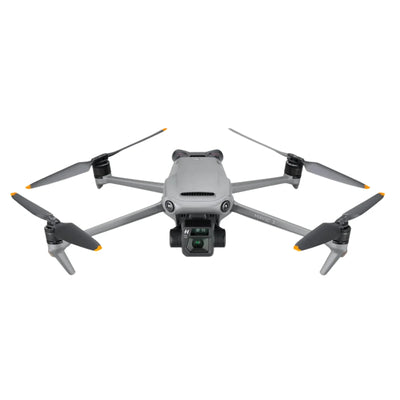
Ориентируйтесь на маркировку Neo 2, а не на компоновку Neo первого поколения: четыре места установки пропеллеров и моторов с защитой пропеллеров; двухосевой подвес с наклоном и креном; отдельные системы всенаправленного монокулярного зрения, фронтальный LiDAR и нижний инфракрасный датчик; и отсек аккумулятора. Для поддерживаемого подключения контроллера и очков требуется дополнительный DJI Neo 2 Digital Transceiver. Съёмочный объектив и окна датчиков — разные объекты диагностики. Источники: руководство DJI Neo 2 v1.2, страницы 15–17 и 67; характеристики DJI Neo 2.
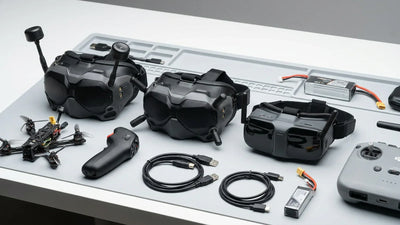
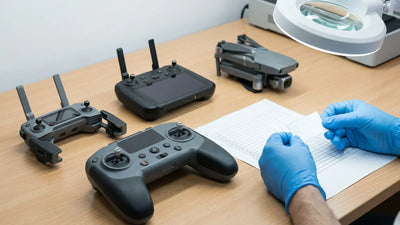
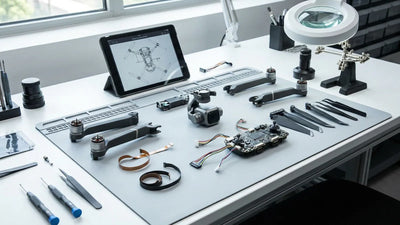
Область применения материалов мастерской: учебные изображения, рассмотренные в частном порядке, показывают более ранние модели Mini/Mavic, а не подтверждённую разборку Neo 2 и не исследование частоты неисправностей Neo 2. Полезный вывод из них — фиксировать симптомы, возникающие одновременно: видимая неисправность подвеса может быть связана с соединениями или другой подсистемой. В таблице ниже этот метод диагностики применён к системам Neo 2, указанным DJI; в ней не переносятся на эту модель платы, коды ошибок или процедуры ремонта старых моделей.
| Наблюдаемый симптом | Какие системы нужно различить | Какие данные безопасно сохранить | Чего это не доказывает |
|---|---|---|---|
| Касание защиты, скрежет или неравномерный зазор вокруг пропеллера после удара | Защита, пропеллер, крепление мотора и геометрия корпуса | Если безопасно, извлеките аккумулятор и сфотографируйте все четыре угла под одинаковыми ракурсами, включая нижнюю часть и следы трения. Не сгибайте, не проверяйте детали вращением и не пытайтесь выправить их. | След указывает на контакт, но не показывает, сместилась ли только защита или поддерживающая её конструкция. |
| Наклонённое изображение, предупреждение о подвесе или отсутствие инициализации | Двухосевой подвес, камера, крепление и соединения | Сохраните текст уже отображавшегося предупреждения и отметьте, наклоняется ли также записанный материал. Сфотографируйте состояние защитного кожуха, положение камеры и направление удара, не пытаясь сдвинуть камеру силой. | Само по себе предупреждение о подвесе не позволяет установить, что камера неисправна. Отсутствие самопроверки в сочетании с другими предупреждениями требует диагностики более широкого круга систем. |
| Предупреждение о препятствии, плохое удержание позиции или неожиданное торможение | Монокулярное зрение, фронтальный LiDAR, нижний инфракрасный датчик, позиционирование и управление | Зафиксируйте направление, режим, освещение, текстуру поверхности и показания GNSS во время исходного события. Сфотографируйте каждое видимое окно датчиков; не путайте загрязнение объектива камеры с перекрытием окна датчика. | Стекло, слабая текстура поверхности или недоступность датчиков могут быть похожи на аппаратную неисправность. Никогда не проверяйте обход препятствий, направляя дрон на препятствие. |
| Мобильное подключение работает, а подключение пульта или очков — нет | Способ управления, Digital Transceiver, антенна и радиоканал | Укажите точную модель пульта или очков, установлен ли Neo 2 Digital Transceiver, а также сообщения о подключении, появлявшиеся ранее. Сфотографируйте его корпус и антенну при полностью отключённом электропитании. | При разных способах подключения проверяется разное оборудование. Успешное подключение по Wi-Fi к телефону не подтверждает исправность трансивера; сопряжение по радиоканалу — не то же самое, что привязка к аккаунту. |
| Изображение в реальном времени есть, но запись или экспорт не работают | Запись камерой, внутренняя память и способ передачи файлов | Сохраните один уже имеющийся оригинальный файл, результат его воспроизведения и сообщение в приложении. Neo 2 использует внутреннюю память, а не карту microSD; укажите, передавали ли вы файл через QuickTransfer или USB. | Предварительный просмотр не доказывает, что файл был сохранён. Сбой передачи на телефон сам по себе не означает неисправность модуля камеры. |
| Не включается, выключается или возникают проблемы с зарядкой | Аккумулятор, его установка, цепь USB или хаба и питание дрона | Сохраните сведения об аккумуляторе, уже наблюдавшуюся последовательность сигналов светодиодов, зарядное устройство или кабель и историю события. Сфотографируйте отсек и внешние контакты, не используя инструменты; не заряжайте повреждённое устройство и не пытайтесь многократно его включать. | Индикатор зарядки не подтверждает способность аккумулятора отдавать нагрузочный ток. При попадании жидкости, вздутии, запахе или аномальном нагреве прекратите самостоятельные проверки. |
DJI подтверждает необходимость трансивера и наличие отдельных способов управления в своём руководстве для начинающих по Neo 2. В руководстве по экспорту файлов указано, что Neo 2 оснащён встроенной памятью объёмом 49 GB и не поддерживает карты microSD. Остановка моторов сама по себе не означает, что трансивер или USB-подключение обесточены.; не подключайте аксессуары к подозрительному устройству в качестве диагностического эксперимента.
Полезные сведения для приёма устройства, собранные при полностью отключённом электропитании
- Отдельно и без публикации подпишите дрон, аккумулятор и входящий в комплект пульт или очки. Кратко опишите последовательность событий; сохраните исходные снимки экрана с предупреждениями и имеющиеся файлы до редактирования или очистки.
- Сделайте фотографии сверху, снизу, спереди, сзади и с обеих сторон, сохраняя одинаковые ракурсы. Отдельно отметьте каждый повреждённый угол и каждое затронутое окно, чтобы техник мог сравнить геометрию, а не делать выводы по одному крупному плану.
- Зафиксируйте, что именно не проверяли из-за повреждений. Если аккумулятор нельзя безопасно извлечь, крепление деформировано, известно о попадании жидкости в прошлом или есть подозрение на перегрев, проверку нужно прекратить — это не повод пытаться любой ценой провести демонстрацию.
После ремонта: убедитесь, что исходная неисправность устранена
Попросите протокол проверки с серийным номером возвращённого устройства, объёмом ремонта, конфигурацией, результатами и всеми ограничениями проверки. Проверки под напряжением должен проводить сервисный персонал либо их можно выполнять на исправном, полностью собранном аппарате, но не на открытой плате.
- Работы с защитой пропеллеров или силовой установкой: зафиксируйте восстановленные зазоры и надёжность сборки, а затем — результат контролируемой проверки силовой установки сервисной командой. Чистой фотографии корпуса недостаточно.
- Работы с камерой: сравните запись неподвижной сцены с ровным горизонтом и фактически экспортированный файл, а также проверьте штатную инициализацию подвеса. Результаты изображения в режиме реального времени и записи оценивайте отдельно.
- Работы с датчиками или управлением: зафиксируйте чистые, ничем не загороженные окна датчиков, устранённые предупреждения и точный режим и освещение, использованные при проверке. Не проверяйте столкновения и не заявляйте о дальности в помещении.
- Работы с подключением: проверьте фактически поставленный способ управления, конфигурацию трансивера и состояние приложения. После замены или ремонта повторно проверьте соответствующие связи между аккаунтом и контроллером.
- Работы с питанием или накопителем: укажите проверенные аккумулятор и цепь зарядки; убедитесь в стабильной работе без аномального нагрева. Если причиной обращения были проблемы с накопителем или камерой, запишите, экспортируйте и воспроизведите короткий тестовый ролик.
Это вопросы для приёмки, а не результаты мастерской проверки Neo 2. В инструкции DJI по обслуживанию и рекомендациям после полёта, стр. 94-96 предписано осматривать устройство на предмет повреждений и при необходимости передавать его специалистам. Короткая проверка на стенде не подтверждает исправность во всех режимах полёта. Переходите к проверочному полёту для возобновления эксплуатации только после успешного прохождения проверки безопасности, с соблюдением закона и в контролируемых условиях; при повторном появлении предупреждений остановитесь.
Запчасти и ремонт или замена
Уточните, ограничивается ли проблема заменяемой внешней деталью или затрагивает юстировку камеры, датчики, питание либо конструкцию, состояние которой неясно. Сравните письменное описание ремонта с проверяемыми критериями и точный комплект для замены. По этой таблице нельзя определить универсальную стоимость ремонта, вероятность успеха или срок обслуживания.
Воспользуйтесь вики Neo 2 и справочником запчастей. Подтверждённые существующие страницы товаров включают защиту пропеллеров Neo 2, аккумулятор Neo 2 и зарядный хаб Neo 2; наличие карточки товара не является диагнозом, обещанием наличия на складе или подтверждением взаимозаменяемости внутреннего узла.
Вернитесь к модулю 8: подтверждение ремонта и принятие решений, ознакомьтесь с порядком профессионального ремонта, отправьте данные для приёмки и после обслуживания воспользуйтесь предполётным контрольным списком «лететь или не лететь».
Keep exploring
Further reading
From Хроника Reboot Hub
From Руководства по дронам