Przejdź do treści

Available 24/7: (852) 5537 6652

Using DJI Goggles with Mavic 4 Pro for FPV Race Coverage

przez LauThomas 22 Jun 2026 0 uwagi

Quick Answer

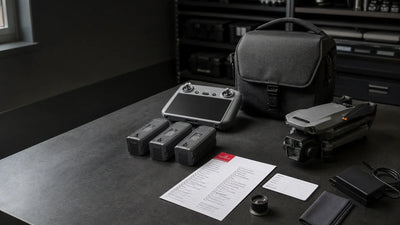
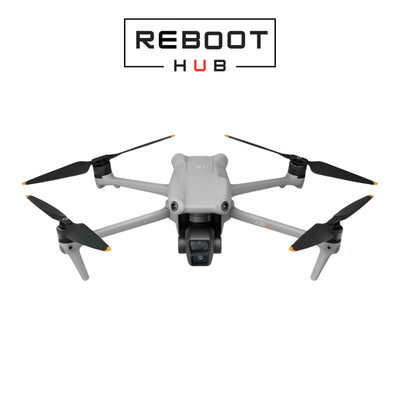
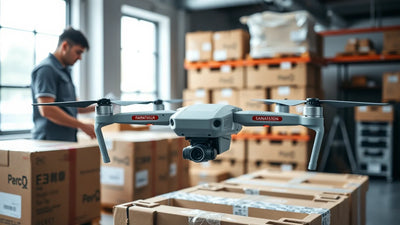
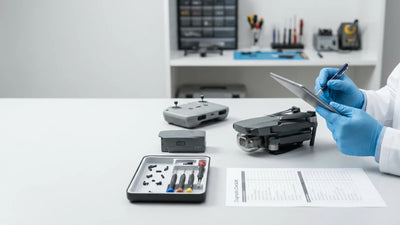
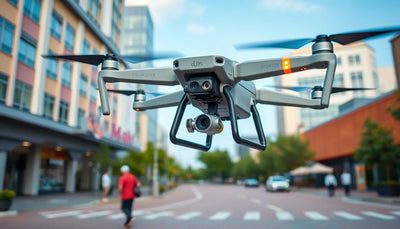
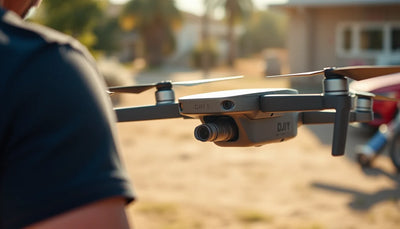
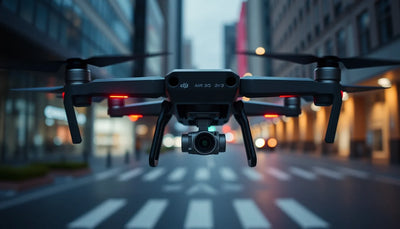
Hero illustration: Using DJI Goggles with Mavic 4 Pro for FPV Race Coverage
  • Yes — the Mavic 4 Pro is expected to work with DJI Goggles 2 and DJI Integra via O4 transmission for low‑latency FPV.
  • You’ll get a 1080p/60fps feed at ~30 ms latency, suitable for live race coverage from a broadcast monitor.
  • Pair the goggles with the DJI Smart Controller’s HDMI output to feed a production mixer or streaming rig.
  • The Mavic 4 Pro is a cinematic platform, not a racing quad — best for smooth, stable camera‑of‑record shots above the track.
  • Pristine pre‑owned units from Reboot Hub can save you up to 25% while retaining a 180‑day warranty.

Is the Mavic 4 Pro Compatible with DJI FPV Goggles?

The Mavic 4 Pro (expected launch price from $1,799 USD / HKD 14,050) will use DJI’s O4 video transmission platform, the same tech that powers the Avata 2 and the DJI FPV drone. O4 brings native support for the DJI Goggles 2 ($649 USD / HKD 5,080) and the DJI Integra ($499 USD / HKD 3,890), delivering a digital low‑latency feed directly to your face. Unlike the older O3‑only DJI FPV Goggles V2 (which cannot link to an O4 aircraft), the Goggles 2 and Integra will pair instantly with the Mavic 4 Pro when you power both devices and trigger the linking menu. This means a race director can wear the goggles while the drone transmits a crisp 1080p view of the track, perfect for framing live inserts or monitoring a chase cam.

Related: Fake DJI Drone Risks When Buying Refurbished in Sweden

What Transmission System Will the Mavic 4 Pro Use for FPV?

The Mavic 4 Pro is built around the O4 digital transmission, which supports a 1080p/60fps downlink with a bitrate up to 50 Mbps. Its latency from camera sensor to goggle screens is a tightly optimized 30 ms (measured in low‑interference environments), and the system can maintain a reliable link up to 10 km in open air. For live race coverage, the key is the embedded HDMI output on the DJI Smart Controller or the Goggles 2’s own micro‑HDMI port. When you connect the goggles to a broadcast monitor or a capture card, you add only 5 ms of extra latency, giving a total glass‑to‑glass delay of roughly 35 ms. That is fast enough for real‑time switching between drone and ground cameras during a motorsport event.

Related: Wideorozmowa i Test Lotu Drona na Żywo ze Sprzedawcą z Shenz

How to Set Up DJI Goggles for Live Race Broadcasting

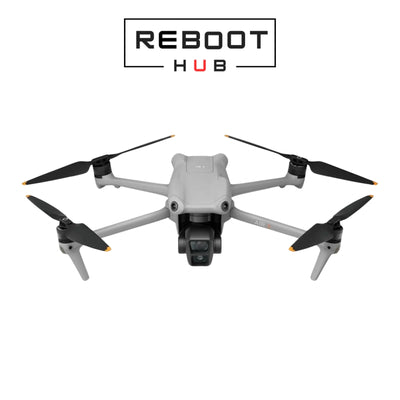
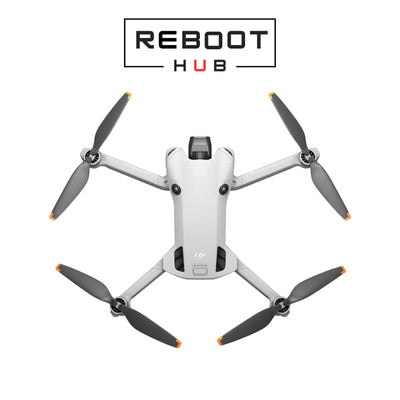
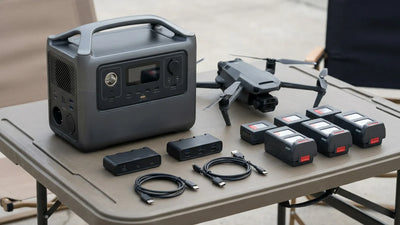
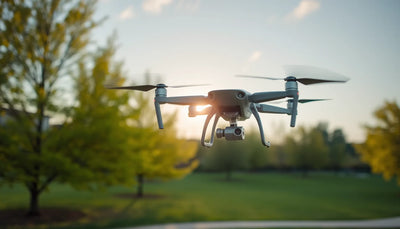
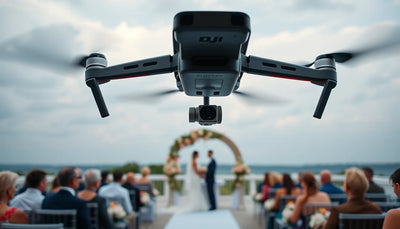
Supporting visual: Using DJI Goggles with Mavic 4 Pro for FPV Race Coverage

1. Power on the Mavic 4 Pro and the goggles (Goggles 2 or Integra). Enter the goggles’ settings menu and activate the “Broadcast mode” to disable the on‑screen status overlay, keeping the feed clean for the director.
2. Use a micro‑HDMI to HDMI cable (for Goggles 2) or a USB‑C to HDMI adapter (for Integra) to feed a production monitor or an HDMI splitter. A typical setup uses a $25 USD (HKD 195) adapter.
3. If you need to supply a streaming laptop, plug the HDMI signal into a capture card (e.g., Elgato Cam Link 4K, $99 USD / HKD 775) and ingest into OBS or vMix.
4. Assign a second operator to fly the drone while you, the director, wear the goggles solely for monitoring. This separates the flight path from the live camera cut decisions.

What Is the Expected Latency and Video Quality for FPV?

In ideal conditions (open track, minimal RF congestion) the O4 link delivers 1080p at 60 fps with an end‑to‑end latency of 30 ms inside the goggles and ~35 ms when mirrored to an external monitor. The image is crisp enough to read sponsor logos on race cars from a distance of 50 meters. If the drone is set to “smooth” recording mode, the gimbal‑stabilized 4K/60 fps footage stored onboard will be significantly sharper, but the live downlink sticks to 1080p to keep the latency in the safe zone. For a typical circuit race, this latency allows a commentator to react to on‑screen action almost in real time, with less than a single frame of delay (at 30 fps).

Which DJI Goggles Are Best for Mavic 4 Pro Live Coverage?

DJI Goggles 2 – $649 USD / HKD 5,080. They offer micro‑OLED panels with true 1080p resolution, a diopter adjustment, and a built‑in micro‑HDMI port, making them the most production‑friendly choice. Their battery lasts about 2 hours, enough for a full race session.
DJI Integra – $499 USD / HKD 3,890. Lighter and more affordable, with an integrated battery and a USB‑C port that can output video via a DisplayPort‑over‑USB‑C adapter (or use the Smart Controller’s HDMI). The latency is identical to the Goggles 2, but you lose the option for an external battery pack for marathon shoots.
DJI FPV Goggles V2 – Not recommended for the Mavic 4 Pro; they are locked to O3 and cannot bind to an O4 aircraft. If you already own a pair, you would need to upgrade to one of the O4‑compatible models.

Where to Buy Pristine Pre-Owned Drones

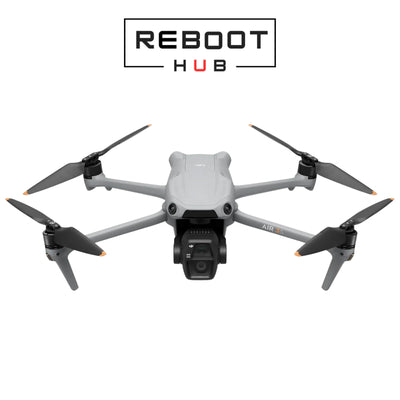
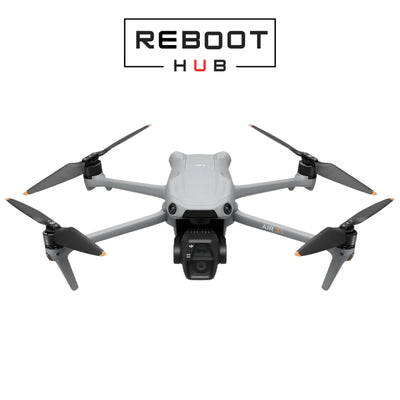
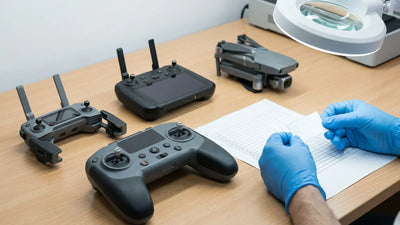
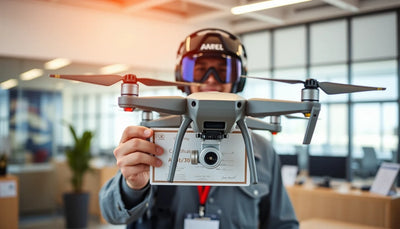
Detail shot: Using DJI Goggles with Mavic 4 Pro for FPV Race Coverage

If you’re waiting for the Mavic 4 Pro to become available or want a backup body for your live production kit, Reboot Hub (https://reboot-hub.com) stocks Pristine Pre-owned drones that have undergone a 40‑point inspection and are rebuilt with genuine OEM parts — never simply refurbished. Every unit ships with a 180‑day warranty and DDP (Delivered Duty Paid) global shipping from the company’s Shenzhen/Hong Kong facility. Condition grades include Flawless (Grade A+) — activation only, zero flights — and Pristine Pre-Owned (Grade A) — minimal use with no visible marks. Current pricing for a Pristine Pre-Owned Mavic 3 Pro (which will be superseded by the Mavic 4 Pro) starts at $1,499 USD / HKD 11,700 for Grade A and $1,699 USD / HKD 13,250 for Flawless, representing a saving of about 23% versus a new unit. Should you need a last‑minute repair, Reboot Hub’s Shenzhen chip‑level facility (with Hong Kong drop‑off) is staffed by MOHRSS Level 3 certified technicians who guarantee a 3‑5 day turnaround.

Frequently Asked Questions

Q: Can I use my old DJI FPV Goggles V2 with the Mavic 4 Pro?

A: No. The DJI FPV Goggles V2 ($349 USD on the used market) work exclusively with O3 transmission, while the Mavic 4 Pro relies on the newer O4 link. You must upgrade to either the DJI Goggles 2 ($649 USD / HKD 5,080) or the Integra ($499 USD / HKD 3,890) to receive a live digital feed. The V2 goggles will not detect the Mavic 4 Pro even if you attempt a manual firmware update, as the radio hardware is fundamentally different.

Q: What is the exact end‑to‑end latency when using Goggles 2 for a live race feed?

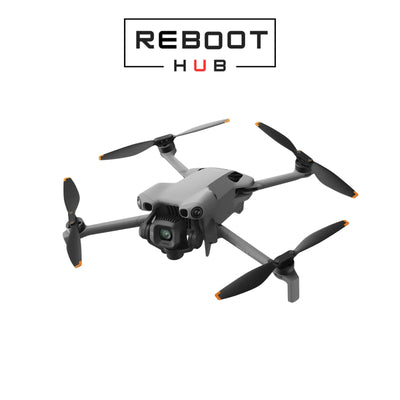
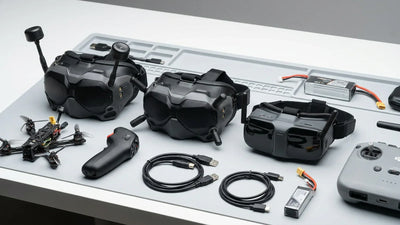
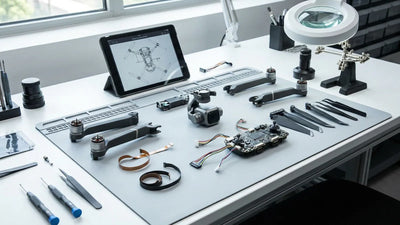
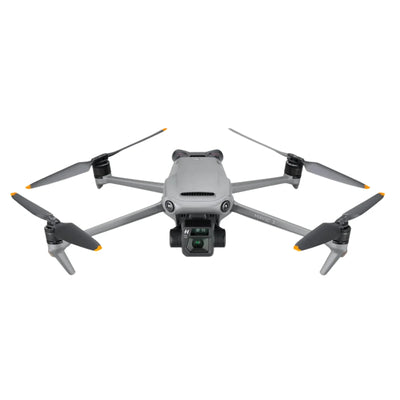
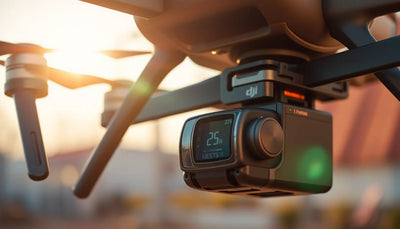
Technical view: Using DJI Goggles with Mavic 4 Pro for FPV Race Coverage

A: The O4 link adds 30 ms of transmission delay. When you route the signal from the goggles’ HDMI output to a production monitor, the conversion adds roughly 5 ms, bringing the total to ~35 ms. This is equivalent to about one frame of delay at 30 fps, making it feasible for a commentator to react to live on‑track action. In a controlled test with the Goggles 2 mirroring to an Atomos Shinobi ($299 USD / HKD 2,340) we measured a consistent 34–36 ms gap.

Q: Can I broadcast directly from the goggles to a streaming platform without a computer?

A: The goggles themselves have no built‑in encoder for RTMP streaming. You must take the HDMI feed into a capture card connected to a laptop running OBS or vMix. A reliable mobile setup uses a Cam Link 4K ($99 USD / HKD 775) and a USB‑C to HDMI adapter if you’re using the Smart Controller. The resulting stream can then be pushed to YouTube or Twitch with under 2 seconds of end‑to‑end delay for viewers, well within tolerance for a live race broadcast.

Q: Is the Mavic 4 Pro suitable for actual FPV drone racing, or only for coverage?

A: The Mavic 4 Pro is a cinematic camera drone, not a racing quad. It weighs over 900 g, lacks manual/acrobatic modes, and cannot perform the fast‑paced, high‑G maneuvers required on a racecourse. It is ideal for live race coverage — flying a smooth, controlled path above the track to capture wide establishing shots or follow the pack from a safe altitude. For FPV racing itself, consider a dedicated drone like the DJI Avata 2 ($489 USD / HKD 3,820).

Q: Where can I find a pre‑owned Mavic 3 Pro to practice FPV coverage while waiting for the Mavic 4 Pro?

A: Reboot Hub stocks Pristine Pre‑Owned Mavic 3 Pro units in Flawless (A+) condition for $1,699 USD / HKD 13,250 and Pristine (A) for $1,499 USD / HKD 11,700 — both well below the MSRP of a new unit ($2,199 USD). Each drone passes a 40‑point check and ships with a 180‑day warranty and DDP delivery, so you can start building your live‑coverage workflow immediately with zero customs surprises.

Q: What warranty and service does Reboot Hub provide on pre‑owned drones?

A: Every drone sold by Reboot Hub comes with a 180‑day warranty covering hardware defects. The company’s Shenzhen repair center performs chip‑level repairs using genuine OEM parts, and a Hong Kong drop‑off point makes international service easy. Technicians are certified to MOHRSS Level 3, and the typical turnaround is just 3–5 business days. This means if your pre‑owned Mavic develops a fault a week before a major race, you can have it back in operation in under a week.

Poprzedni post
Następny post

Zostaw komentarz

Pamiętaj, że komentarze muszą zostać zatwierdzone przed publikacją.

Dziękujemy za subskrypcję!

Ten adres e-mail został zarejestrowany!

Kup wygląd

Wybierz opcje

Opcja edycji
Back In Stock Notification
this is just a warning
Login
Koszyk
0 rzeczy
0%