Brazylijskie drony ankietowe: rejestracja ANAC i aktualizacje oprogramowania sprzętowego
Brazylijski briefing dotyczący gotowości dronów badawczych
Szybka odpowiedź
- Rejestracja ANAC i oprogramowanie DJI to osobne systemy. Obecne wytyczne publiczne ANAC i SISANT nie opisują uniwersalnej metody aktualizacji oprogramowania sprzętowego zwanej nacjonalizacją dronów.
- Zapytaj, co sprzedawca rozumie przez znacjonalizację: dokumentacja importowa, dowód własności, rejestracja w SISANT i zezwolenie radiowe to różne zapisy i nie należy ich łączyć w jedną etykietę.
- W przypadku prac topograficznych należy sprawdzić aktualną trasę ANAC lub SISANT, wymagania dotyczące przestrzeni powietrznej DECEA, status radia ANATEL oraz wszelkie warunki klienta lub organu projektu dotyczące zamierzonej operacji.
- Aktualizacja wyłącznie poprzez aplikację DJI lub pasujący produkt DJI Assistant po zarejestrowaniu wersji statku powietrznego, kontrolera, ładunku i akcesoriów; nie używaj VPN, obrazu regionalnego ani niestandardowego pakietu oprogramowania sprzętowego.
- Przed płatną ankietą należy przeprowadzić kontrolowaną akceptację, która weryfikuje sprzęt pozycjonujący, łącze sterujące, kamerę lub ładunek, przechowywane dane i pełne przekazanie przetwarzania.

Który poziom zatwierdzenia lub dowodu jest omawiany?
| Warstwa | Pytanie do rozwiązania | Dowody do zachowania | Nie wnioskuj |
|---|---|---|---|
| ANAC lub SISANT | Jaka aktualna kategoria rejestracji lub działania ma zastosowanie? | Aktualny rekord portalu powiązany z operatorem, statkiem powietrznym i numerem seryjnym | Ta rejestracja kontroluje dostarczanie oprogramowania sprzętowego DJI |
| DECEA | Jaki dostęp do przestrzeni powietrznej dotyczy planowanego miejsca i misji? | Aktualny wniosek lub dowód zezwolenia, jeśli jest to wymagane | Że sam rekord ANAC zezwala na lot |
| ANATEL | Czy konkretny sprzęt radiowy spełnia obowiązującą ścieżkę homologacji? | Dokumentacja radia dotycząca konkretnego modelu | Etykieta języka oprogramowania lub regionu potwierdza aprobatę radiową |
| Import i własność | Czy kupujący może udokumentować importowaną jednostkę i ścieżkę własności? | Faktura, dowód importu i dowód przeniesienia właściwy dla transakcji | Że słowo znacjonalizowany oznacza stan techniczny oprogramowania sprzętowego |
| Oprogramowanie DJI | Czy DJI rozpoznaje każdy komponent i oferuje pasujące oprogramowanie sprzętowe? | Ekrany wersji, informacje o wersji i ukończony test po aktualizacji | Czy obsługiwany jest pakiet międzyregionalny |
| Gotowość do przeglądu | Czy system może wygenerować wymagane pole i wydajność przetwarzania? | Dane z kontrolowanych testów, zapis ustawień i notatki z akceptacji projektu | Pomyślna aktualizacja potwierdza dokładność ankiety |

Co oznacza znacjonalizowany dron w brazylijskim zakupie?
Sprzedawcy brazylijscy mogą używać znacjonalizowanego jako skrótu w przypadku importowanego produktu z udokumentowanym lokalnym wprowadzeniem i ścieżką własności. Ten opis handlowy nie zastępuje rekordu ANAC lub SISANT, dostępu do przestrzeni powietrznej DECEA, dowodu radiowego ANATEL ani ekranu stanu oprogramowania DJI. Poproś sprzedawcę o podanie dokładnego dokumentu znajdującego się za etykietą.
Praktyczna dokumentacja kupującego powinna łączyć serializowany statek powietrzny z fakturą lub zapisem transferu oraz z rekordem operatora używanym w bieżącym procesie brazylijskim. Jeżeli brakuje jakiegoś połączenia, należy rozwiązać ten problem z odpowiednimi władzami lub wykwalifikowanym brokerem, zanim urządzenie zostanie uznane za gotowe do realizacji projektu.
Które systemy brazylijskie mają znaczenie przed misją topograficzną?
ANAC i SISANT dotyczą obowiązków statków powietrznych i operatorów zgodnie z obowiązującymi ramami regulacyjnymi. DECEA zarządza dostępem do brazylijskiej przestrzeni powietrznej, natomiast ANATEL zajmuje się sprzętem radiowym. Do umowy topograficznej można również dodać warunki lokalizacji, właściciela gruntu, danych, bezpieczeństwa lub zaopatrzenia, które nie są zawarte w samej rejestracji lotniczej.
Reguły i przepływy pracy portalu mogą ulec zmianie. Sklasyfikuj statek powietrzny i proponowaną operację, korzystając z aktualnych stron uprawnień, a następnie zachowaj zapisy zwrócone przez każdy odpowiedni system. Nie kopiuj wymagań z innej wagi, kategorii ryzyka, wysokości roboczej lub rodzaju misji.

Czy oprogramowanie sprzętowe można zaktualizować przed skompletowaniem dokumentacji regulacyjnej?
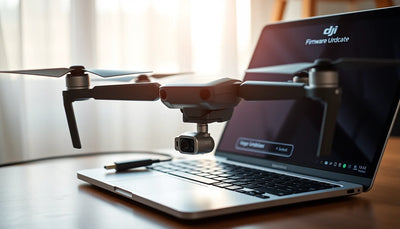
Aktualizacja oprogramowania sprzętowego to działanie mające na celu wsparcie produktu, a nie dowód, że statek powietrzny jest legalnie zarejestrowany lub dopuszczony do przeglądu. Przed zmianą oprogramowania zapisz wersje i dowody seryjne statku powietrznego, kontrolera, sprzętu do pozycjonowania, ładunku użytecznego i akumulatorów. Używaj tylko trasy aktualizacji przydzielonej przez DJI każdemu rozpoznanemu komponentowi.
Po aktualizacji sprawdź, czy cały system ponownie się łączy i czy ustawienia wymagane przez zespół badawczy pozostają prawidłowe. VPN, wymuszone obniżenie wersji, pakiet regionalny lub flashowanie na poziomie płyty głównej nie powinny być przedstawiane jako normalny sposób spełnienia wymagań ANAC, DECEA lub ANATEL.
Co powinien zawierać test akceptacyjny topografii?
Użyj kontrolowanej witryny i planu testów odzwierciedlającego rzeczywisty rezultat. Weryfikuj zachowanie statku powietrznego i kontrolera, status pozycjonowania, przechwytywanie kamery lub ładunku, przechowywanie, znaczniki czasu, wybrane odniesienia do współrzędnych i przesyłanie ich do oprogramowania przetwarzającego zespołu. Porównaj wyniki z własną metodą akceptacji projektu.
Nie publikuj uniwersalnego numeru dokładności dla innego statku powietrznego, ładunku, usługi korekcyjnej, terenu lub konfiguracji przetwarzania. Przydatnym dowodem jest testowy zbiór danych i powtarzalna metoda projektu dla tego konkretnego systemu.

Co należy sprawdzić przed zakupem importowanego drona badawczego?
Wymagają tożsamości seryjnej, dowodu własności i importu, zwolnienia konta DJI, aktualnych ekranów oprogramowania sprzętowego, stanu sprzętu i demonstracji na żywo zamierzonego kontrolera, ładunku użytecznego i sprzętu do pozycjonowania. Potwierdź, co obejmuje sprzedaż i jakie dokumenty musi wypełnić kupujący w Brazylii.
Reboot Hub powinien przedstawić stan specyficzny dla jednostki i oprogramowanie zaobserwowane podczas kontroli, a następnie skierować kupującego do obecnych władz brazylijskich. Nie powinno obiecywać, że raport ocen, dokument celny lub ekran oprogramowania sprzętowego zapewnią aprobatę organów regulacyjnych.
Skorzystaj zWiki o dronach, aby zapoznać się z modelem i kontekstem zgodności, a następnie wróć do powyższej ścieżki działania.
Keep exploring
Further reading
From Kronika Reboot Hub


From Przewodniki po dronach