Ga naar de inhoud

Available 24/7: (852) 5537 6652

Carrying Lithium Drone Batteries on Domestic Flights in India: Rules for Wedding Photographers

door LauThomas 22 Jun 2026 0 opmerkingen

Quick Answer

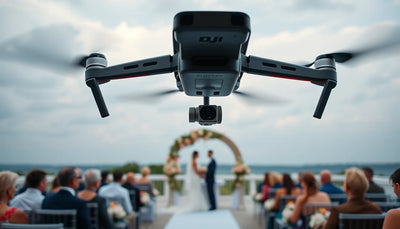
Carrying Lithium Drone Batteries on Domestic Flights in Indi - drone operator at wedding venue capturing aerial shots
  • DGCA allows lithium-ion drone batteries under 100Wh in carry-on luggage only — checked baggage is strictly prohibited for all lithium batteries.
  • Batteries between 100–160Wh require prior airline approval and a maximum of 2 spares per passenger — carry documentation showing watt-hour rating.
  • Most wedding photography drones (DJI Mavic 3 at 77Wh, Air 2S at 40Wh) fall well under the 100Wh limit — you can carry up to 20 spare batteries under 100Wh with no special permission.
  • Discharge batteries to 30% or lower before flying — security personnel at Indian airports routinely check charge levels and may reject fully charged packs.
  • Reboot Hub ships all pre-owned drones with genuine OEM batteries — Flawless A+ grade models like the DJI Mavic 3 Pro start at USD 1,549 with DDP shipping from Shenzhen, arriving with batteries clearly labeled for easy security screening.

What Are the DGCA Rules for Carrying Drone Batteries on Domestic Flights?

The Directorate General of Civil Aviation (DGCA) follows ICAO and IATA lithium battery transport guidelines for all domestic flights within India. For wedding photographers shuttling between Delhi, Mumbai, Jaipur, Goa, and Bengaluru with drone cases, understanding these rules is not optional — it is the difference between boarding your flight and watching a security officer confiscate INR 12,000 worth of batteries.

Related: Philippines Drone Battery Courier Service to China for Trade

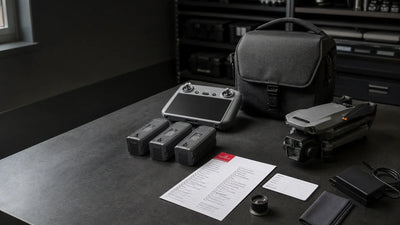
Lithium-ion batteries are classified as dangerous goods under Class 9. The DGCA mandates that all lithium-ion batteries with a watt-hour (Wh) rating below 100Wh must travel in carry-on baggage only. You cannot place any loose lithium battery — including drone batteries — in checked luggage. This rule applies regardless of charge state. A single DJI Mavic 3 Intelligent Flight Battery carries a rating of 77Wh (15.4V at 5,000mAh), placing it comfortably under the 100Wh threshold. Wedding photographers carrying 4 to 6 Mavic 3 batteries for a full-day shoot can bring all of them in a cabin bag without special permissions. Batteries rated between 100Wh and 160Wh — such as the DJI Inspire 2 TB50 at 97.58Wh (pushing the boundary) or certain larger cinema-drone packs — require prior written approval from the operating airline. You are limited to a maximum of 2 spare batteries in this 100–160Wh bracket. Anything above 160Wh, including the DJI TB55 at 174.6Wh, is completely banned from passenger aircraft. The DGCA also recommends individually protecting each battery terminal with electrical tape or a dedicated battery-safe bag to prevent short circuits during transit. In practice, security screeners at major Indian airports — especially DEL, BOM, and BLR — will inspect your battery labels closely. If the watt-hour rating is not printed legibly on the battery casing, they have full authority to reject it.

Related: Envío DJI desde China a Chile DDP: Trade-In de Baterías y No

Which Drone Batteries Are Allowed and Which Are Restricted?

Wedding photographers in India predominantly fly DJI drones, and the battery landscape is straightforward once you know the numbers. Below is a practical breakdown of common drone batteries, their watt-hour ratings, and their permissibility under DGCA domestic flight rules.

Drone Model Battery Model Watt-Hour Rating Carry-On Status Max Spares Without Approval
DJI Mavic 3 Pro Intelligent Flight Battery 77Wh Allowed Up to 20
DJI Mavic 3 Classic Intelligent Flight Battery 77Wh Allowed Up to 20
DJI Air 2S Intelligent Flight Battery 40.42Wh Allowed Up to 20
DJI Mini 3 Pro Standard Battery 18.1Wh Allowed Up to 20
DJI Mini 3 Pro Plus Battery 28.4Wh Allowed Up to 20
DJI Avata Intelligent Flight Battery 35.7Wh Allowed Up to 20
DJI Inspire 2 TB50 97.58Wh Allowed Up to 20
DJI Inspire 2 TB55 174.6Wh Prohibited 0

The critical cutoff to remember is 100Wh. Every battery commonly used for wedding cinematography — from the ultralight Mini 3 Pro at 18.1Wh to the workhorse Mavic 3 at 77Wh — sits safely below this line. The only practical headache is the Inspire 2's TB55 pack, which at 174.6Wh is categorically banned from all passenger flights. If your wedding production company owns an Inspire 2, you must source TB50 batteries (97.58Wh) and retire any TB55s from air-travel rotation. Also note that power banks — frequently carried by wedding photographers to charge cameras and phones — are subject to identical lithium battery rules. A 20,000mAh power bank with a USB-C output typically rates around 72Wh to 74Wh, making it permissible. But a 27,000mAh unit at 99.9Wh pushes right against the limit — check the label before packing it for a Chandigarh-to-Udaipur wedding flight. At Reboot Hub, every pre-owned drone we ship — from a Flawless A+ DJI Air 2S at USD 629 to a Pristine Pre-Owned Mavic 3 at USD 1,199 — arrives with OEM batteries that have clearly printed watt-hour labels, so there is zero ambiguity at the security checkpoint.

How Should Wedding Photographers Pack Drone Batteries for Indian Domestic Flights?

Carrying Lithium Drone Batteries on Domestic Flights in Indi - aerial view of decorated wedding ceremony from above

Packing lithium drone batteries correctly can save you a 45-minute argument with CISF personnel at Mumbai Terminal 2. The DGCA and Bureau of Civil Aviation Security (BCAS) expect every lithium battery in carry-on luggage to be individually protected against short circuits. This means each battery terminal must be covered — either with the original plastic terminal cover, a strip of electrical tape, or by placing the battery inside a dedicated LiPo-safe bag. Do not toss 6 loose Mavic 3 batteries into a single pouch in your backpack. Security screeners at Indian airports have become increasingly strict about this since 2023, and batteries with exposed contacts will be flagged.

Discharge all spare batteries to approximately 30% state of charge before heading to the airport. This is not a hard DGCA regulation, but it is a widely enforced security practice across Indian airports. CISF officers at DEL Terminal 3 and BLR Terminal 1 routinely ask photographers to demonstrate battery charge levels. A fully charged 77Wh Mavic 3 battery at 100% contains significant potential energy, and officers are trained to view this as elevated fire risk. Carry your batteries in a transparent, zippered pouch separate from your drone body — this speeds up secondary inspection if you are pulled aside. Wedding photographers traveling with 6 to 8 batteries for a multi-event shoot spanning a sangeet, haldi, and reception should invest in a proper LiPo transport case with individual foam-cut slots. The BAT-SAFE or similar fire-resistant charging bags are excellent for both transport and on-location charging safety. Keep battery purchase receipts or invoices in your carry-on — if a screener questions whether a battery is OEM or aftermarket, having documentation from an authorized source like Reboot Hub (where every drone passes a 40-point inspection and ships with genuine OEM parts) resolves the issue in seconds.

What Happens If Your Drone Battery Gets Confiscated at Airport Security?

Battery confiscation at Indian airports is not uncommon, and wedding photographers on tight schedules cannot afford to miss a flight over a disputed battery. If a CISF screener flags your battery, you have three options in the moment: surrender it voluntarily (no penalty, but you lose the asset), request a supervisor review (adds 15–25 minutes), or — if the battery is over 100Wh and you lack airline approval — accept that it will not fly. Confiscated items at Indian airports are logged and handed over to the airport operator (AAI or the private consortium), and recovering them later is a bureaucratic process that can take 4 to 6 weeks with no guarantee of return. Practically speaking, a confiscated DJI Mavic 3 battery worth approximately USD 85 (INR 7,000) is a write-off.

The smarter strategy is prevention. Before booking flights, call your airline's cargo/dangerous goods desk and confirm their specific lithium battery policy in writing. IndiGo, Air India, SpiceJet, Vistara, and Akasa Air each have slightly different interpretations of the 100–160Wh approval process. For batteries under 100Wh — which covers 95% of wedding drone setups — you need zero airline interaction, simply comply with the carry-on and terminal-protection rules. Keep a printed copy of the DGCA circular on lithium batteries (available on the DGCA website under "Dangerous Goods Regulations") in your drone case. Showing the actual regulatory text to a screener has resolved many disputes for photographers who plan ahead. If you are replacing confiscated or aging batteries, Reboot Hub stocks genuine OEM DJI batteries alongside every pre-owned drone purchase — a Flawless A+ grade DJI Mavic 3 Classic with three OEM batteries ships at USD 1,389, DDP from Shenzhen, with a 180-day warranty covering battery performance defects.

Why Buy from Reboot Hub?

Wedding photographers operating across India need drones that work reliably from the first flight, and Reboot Hub delivers pre-owned units that meet professional standards without the new-in-box premium. Every drone we sell — whether graded Flawless (A+) for activation-only units never flown, or Pristine Pre-Owned (A) for models with minimal use and zero visible wear — undergoes a 40-point inspection at our Shenzhen facility. Only genuine OEM parts are used in any necessary servicing. Each purchase includes a 180-day warranty that covers the drone body, gimbal, remote controller, and all included batteries against manufacturing and performance defects. We ship DDP (Delivered Duty Paid) from Shenzhen and Hong Kong, meaning the price you see includes all customs duties, GST, and clearance fees for India — no surprise charges when the package reaches Delhi or Mumbai customs. Our chip-level repair center in Shenzhen, staffed by MOHRSS Level 3 certified technicians, services drones from across Asia with a 3-to-5-day turnaround, and we offer a Hong Kong drop-off point for photographers traveling through the region. For a wedding photographer who needs a dependable Mavic 3 Pro at USD 1,549 or an Air 2S at USD 629 — both with OEM batteries that clear DGCA screening without drama — Reboot Hub is the supply chain partner that understands your workflow.

Frequently Asked Questions

Carrying Lithium Drone Batteries on Domestic Flights in Indi - drone camera gimbal capturing wedding couple close-up

Q: Can I carry a DJI Mavic 3 battery that is installed in the drone itself?

A: Yes, a battery installed in the drone is permitted in carry-on luggage, but the drone must remain in your cabin bag — never in checked baggage. The DGCA makes no distinction between installed and spare batteries for the carry-on-only rule. However, if you have the drone in a carry-on case with the battery inserted, security may still ask you to remove and demonstrate the battery's watt-hour label. A Mavic 3's 77Wh battery installed in the drone is treated identically to a loose spare. Some photographers prefer to remove all batteries and present them separately in a transparent pouch to speed screening. The installed battery counts toward your total battery count, though with a 20-spare limit for sub-100Wh packs, this is rarely a concern for wedding shoots.

Q: What is the maximum number of drone batteries I can bring on an IndiGo domestic flight?

A: IndiGo follows DGCA regulations exactly: batteries under 100Wh have no numerical limit beyond what is "reasonable for personal use," which in practice means 20 spare batteries per passenger. Batteries between 100–160Wh are capped at 2 spares and require prior approval from IndiGo's dangerous goods desk at least 48 hours before departure. IndiGo's ground staff at airports like DEL and BOM are trained on lithium battery protocols, but smaller stations like BHO or IXC may have less familiar personnel — carry your DGCA documentation. The airline's online check-in system does not flag lithium battery declarations, so the burden of compliance rests entirely on you at the security checkpoint, not at the check-in counter.

Q: Are LiPo-safe bags mandatory for domestic flights in India?

Carrying Lithium Drone Batteries on Domestic Flights in Indi - wedding drone photography gear and setup on location

A: LiPo-safe bags are not explicitly mandated by DGCA regulation, but they are strongly recommended by BCAS and increasingly expected by security screeners at major Indian airports. A fire-resistant battery bag — available for USD 15 to USD 25 from most drone accessory retailers — provides terminal protection and visible compliance that speeds up screening. At DEL Terminal 3, CISF officers have been observed pulling aside photographers whose batteries lack individual terminal covers or protective pouches. At BLR and HYD, the practice is less stringent but still advisable. For a wedding photographer carrying USD 600 worth of Mavic 3 batteries, a USD 18 LiPo bag is a negligible investment that eliminates a significant variable at security.

Q: Do DGCA rules differ for international connecting flights from India?

A: Yes — if your domestic flight connects to an international segment (for example, BOM-DEL on IndiGo, then DEL-DXB on Emirates), the more restrictive rule applies. International carriers often impose stricter watt-hour limits (some cap total lithium content at 100Wh aggregate), and you must comply with both the departing country's and the airline's policies. For wedding photographers flying from India to destination weddings in Bangkok, Dubai, or the Maldives, check the airline's specific dangerous goods policy at least 72 hours before departure. Emirates, for instance, requires batteries between 100–160Wh to be declared at check-in with prior approval, and any battery over 160Wh is rejected outright — identical to DGCA but enforced more rigorously.

Q: Can I ship drone batteries separately via courier to my wedding destination in India?

A: Shipping lithium batteries domestically within India is heavily restricted. Private couriers like DTDC, Blue Dart, and Delhivery classify lithium-ion batteries as dangerous goods and either refuse them outright or require expensive dangerous-goods packaging and documentation that can cost USD 40 to USD 80 per shipment. India Post does not accept lithium batteries at all. The practical solution for wedding photographers is to carry batteries personally on the flight, where DGCA rules are clear and permissive for sub-100Wh packs. For photographers purchasing additional batteries, Reboot Hub ships genuine OEM DJI batteries alongside drone orders via DDP freight from Shenzhen — this covers the full logistics chain from China to your Indian address with duties paid, eliminating the need to navigate domestic courier restrictions.

Q: What should I do if my drone battery swells before a flight?

A: A swollen lithium battery is a serious fire hazard and must not be brought to an airport under any circumstances. Swelling indicates internal cell damage and the potential for thermal runaway — CISF will confiscate and escalate a swollen battery if discovered. Dispose of it through an electronics recycling facility (many Indian cities now have e-waste collection points) and replace it immediately. Do not attempt to discharge, puncture, or compress a swollen pack. If you are mid-season and a battery fails, Reboot Hub's Shenzhen repair facility can ship replacement OEM batteries via expedited DDP freight, typically arriving at Indian addresses in 5 to 7 business days. A single DJI Mavic 3 replacement battery costs approximately USD 85, and our team can include it with any pre-owned drone order — like a Flawless A+ Mavic 3 Classic at USD 1,389 — to consolidate shipping.

Q: Do DGCA rules apply to drone batteries under 20Wh, like the DJI Mini 3 Pro standard pack?

A: Yes, the DGCA lithium battery rules apply to all lithium-ion cells regardless of watt-hour rating — there is no exemption for small batteries under 20Wh. A DJI Mini 3 Pro standard battery at 18.1Wh must still travel in carry-on baggage with terminals protected. However, the practical reality is that smaller batteries attract less scrutiny at security checkpoints because their energy density is visibly lower. Wedding photographers using a Mini 3 Pro as a lightweight backup drone (available from Reboot Hub in Pristine Pre-Owned A grade at USD 419 with OEM battery included) will find security interactions faster and simpler than those carrying a full Mavic 3 kit. The rules are identical on paper, but the enforcement gradient at Indian airports favors sub-50Wh packs.

Q: How does Reboot Hub's warranty cover batteries for Indian buyers?

A: Reboot Hub's 180-day warranty covers all OEM batteries included with a pre-owned drone purchase against defects in materials and workmanship, including premature capacity degradation below 80% of rated capacity within the warranty period. If a battery fails a capacity test, we ship a replacement from our Shenzhen facility via DDP to your Indian address at no additional cost — no duties, no GST, no customs clearance fees. The warranty does not cover physical damage, water exposure, or swelling caused by improper charging practices. For wedding photographers who cycle batteries heavily — 200 to 300 charge cycles per year — a 180-day window provides meaningful coverage during peak wedding season. Our MOHRSS Level 3 technicians individually test every battery's internal resistance and cycle count during the 40-point inspection before a drone is listed for sale.

Vorig bericht
Volgende bericht

Laat een reactie achter

Let op: reacties moeten worden goedgekeurd voordat ze worden gepubliceerd.

Bedankt voor het abonneren!

Deze e-mail is geregistreerd!

Shop de look

Kies opties

Bewerk optie
Back In Stock Notification
this is just a warning
Login
Winkelwagen
0 artikelen
0%