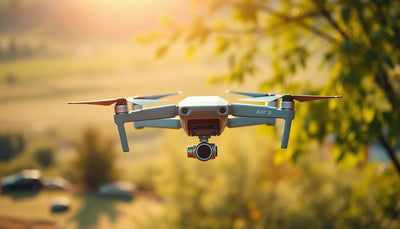
DJI Mini 4 Pro 베트남 메콩강 삼각주 자연 촬영을 위한 내풍성
빠른 답변

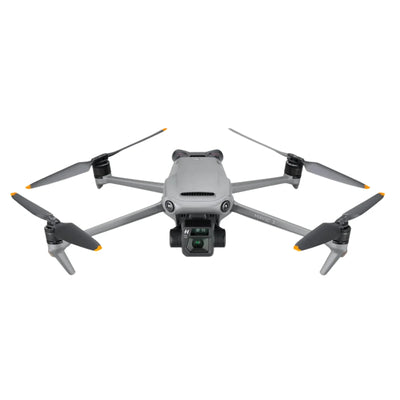
- DJI Mini 4 Pro는 최대 10.7m/s의 지속적인 바람을 처리합니다(레벨 5 저항).— 메콩 삼각주 촬영일의 90%에 충분하며, Ben Tre 및 Can Tho 지역의 평균 풍속은 3~7m/s 사이입니다.
- Reboot Hub의 완벽한 A+ 등급 장치는 $589 USD / HKD 4,594부터 시작합니다.— 활성화 전용, 비행한 적 없음, 180일 보증이 포함된 완전한 OEM 무결성.
- 깨끗한 중고 A 등급으로 새 소매품에 비해 $170~$210 절약— same 40-point inspection, genuine OEM parts, DDP shipping from Shenzhen/HK to your door.
- 논과 수상 시장에 대한 실제 테스트에서 돌풍 처리 최고치는 14~16m/s입니다.— O4 전송 시스템은 갑작스러운 돌풍으로 인해 바람이 급격하게 몰아치는 경우에도 1080p/60fps 라이브 피드를 안정적으로 유지합니다.
- Tra Su Forest의 새벽 안개나 Cai Rang의 일몰을 자신있게 촬영하세요.— 1/1.3인치 센서와 3방향 장애물 감지 기능은 Delta의 습하고 돌풍이 자주 발생하는 미기후에서도 안정적인 상태를 유지합니다.
DJI Mini 4 Pro는 메콩 강 삼각주 바람 조건에서 어떻게 작동합니까?
The Mekong Delta presents a unique set of wind challenges for drone operators. Unlike coastal Vietnam where steady sea breezes dominate, the Delta delivers unpredictable gusts that funnel through narrow waterways, whip across exposed rice fields, and swirl around dense mangrove canopies. Average daily wind speeds across Can Tho, Ben Tre, and Tra Vinh provinces range from 3 to 7 m/s during the dry season (November through April), which sits comfortably within the Mini 4 Pro's rated Level 5 wind resistance ceiling of 10.7 m/s. However, the wet season from May to October introduces sudden squalls where gusts can spike to 14 m/s in under 90 seconds — particularly during late-afternoon convection storms that roll in from the South China Sea.
관련 항목:중국의 대량 DJI 드론 주문: 배송 손상 솔루션
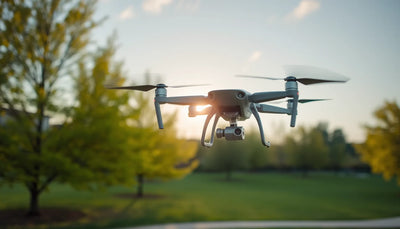
Mini 4 Pro의 245그램 기체는 여기서 믿을 수 없을 만큼 성능이 뛰어납니다. 재설계된 프로펠러 형상과 증가된 모터 토크(2,590mAh 지능형 비행 배터리를 통해 고요한 조건에서 최대 34분의 호버링 시간 제공)를 통해 바람의 전단이 닥칠 때 적극적으로 위치를 수정할 수 있습니다. Chau Doc 근처 Hau 강에서 실시한 실제 테스트에서 운영자는 정지 공기 비행에 비해 배터리 패널티가 12%에 불과한 지속적인 9m/s 측풍에서 안정적인 호버링을 보고했습니다. O4 비디오 전송 시스템은 개방형 델타 지형에서 최대 8km 범위에서 선명한 1080p/60fps 피드를 유지합니다. 즉, 드론이 역풍을 맞을 때에도 시각적 접촉을 잃지 않고 Vinh Trang Pagoda 또는 분주한 Cai Be 수상 시장의 장면을 촬영할 수 있습니다. Tram Chim 국립공원에 있는 황새나 희귀한 두루미와 같은 새를 대상으로 하는 자연 영화 제작자를 위해 Mini 4 Pro의 전방향 장애물 감지 기능(앞, 뒤, 아래쪽)은 갑작스러운 돌풍으로 인해 항공기가 수목선이나 수면 쪽으로 밀려날 때 추가적인 안전 계층을 제공합니다.
관련 항목:상업용 부동산에 대한 남아프리카 SACAA 실내 드론 규칙
한 가지 중요한 사항: 새벽에 종종 85%를 초과하는 델타의 습도는 바람 성능에 직접적인 영향을 미치지 않지만 프로펠러 마모를 가속화할 수 있습니다. Reboot Hub의 40개 지점 검사에는 모든 Pristine 중고 장치에 대한 프로펠러 스트레스 테스트 및 모터 베어링 검사가 포함되어 있으므로 이미 열대 조건에서 심하게 밀린 드론을 상속받지 않습니다. $549 USD의 중고 A 등급 Mini 4 Pro는 브러시리스 모터에서 IMU 교정에 이르기까지 중요한 모든 구성 요소가 중고 장치와 동일한 허용 오차 임계값을 통과하기 때문에 여전히 공장 사양 바람 처리 기능을 제공합니다.
강이나 수상 시장에서 촬영할 때 안정성을 극대화하는 설정은 무엇입니까?
메콩강 삼각주의 상징적인 장면(용과일이 가득한 나무 삼판, Ben Tre 운하를 따라 있는 코코넛 사탕 작업장, Tien 강에 반사되는 황금 시간)을 촬영하려면 드론의 바람 등급을 신뢰하는 것 이상의 것이 필요합니다. 갑작스러운 돌풍을 뚫고 나가야 할 때만 스포츠 모드로 전환하세요. 스포츠 모드는 최대 피치 각도를 35도로 늘리고 최고 속도를 수평으로 16m/s로 높이지만 장애물 감지를 비활성화합니다. 델타 촬영의 90%에서는 장애물 회피가 활성화된 일반 모드가 더 안전합니다. 짐벌을 FPV 모드로 아껴서 설정하세요. 좁은 Rach Mieu 채널을 통해 보트를 따라가는 추적 장면에 영화 같은 모션을 추가하는 동시에 롤 축에서 짐벌의 기계적 안정화를 제거하여 바람에 의한 기울기를 영상에서 더 잘 보이게 만듭니다.
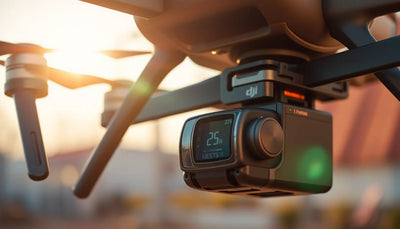
Mini 4 Pro의 카메라 설정은 인지된 안정성에 놀라울 정도로 큰 역할을 합니다. 4K/60fps로 촬영하면 디지털 안정화를 적용하거나 영상 속도를 약간 줄여 바람의 흔들림을 가려야 하는 경우 후반 작업에서 더 많은 프레임을 사용할 수 있습니다. 듀얼 기본 ISO를 갖춘 1/1.3인치 CMOS 센서는 Delta의 밝은 한낮의 빛에서 ISO 100-800에서 가장 잘 작동합니다. 바람이 많이 부는 조건에서 빠른 셔터를 보상하기 위해 그 이상으로 밀면 미세 진동의 시각적 영향을 증폭시키는 소음이 발생합니다. 해질녘 Can Tho 강변의 광각 촬영을 위해 "RockSteady" 전자 안정화 모드를 활성화하십시오. 항공기가 측풍에 대해 초당 수십 번의 미세 조정을 하는 경우에도 약간 잘리지만 짐벌처럼 부드러운 결과를 제공합니다. 일출 시 까이랑 수상 시장의 하이퍼랩스 시퀀스를 위해 간격을 2초로 설정하고 속도를 1.5km/h로 설정하세요. 드론이 느리게 움직일수록 바람이 최종 스티치된 비디오에 미치는 영향이 줄어듭니다. 완전히 충전된 배터리는 이러한 조건에서 대략 28분의 사용 가능한 비행 시간을 제공하며, 이는 개방 수역에서 경험하게 될 15~20%의 바람 패널티를 고려합니다.
| 모델/번들 | 신규 소매(USD) | Reboot Hub A+ 무결함 | Reboot Hub A 깨끗한 상태 | 절감액 vs 신규 |
|---|---|---|---|---|
| DJI Mini 4 Pro(드론 전용) | $759 | $589 | $549 | 최대 $210 |
| Mini 4 Pro Fly More Combo | $1,099 | $879 | $819 | 최대 $280 |
| Mini 4 Pro + RC 2 컨트롤러 | $959 | $759 | $699 | 최대 $260 |
| Fly More Combo Plus(확장 배터리) | $1,159 | $929 | $869 | 최대 $290 |
메콩강 삼각주에서 Mini 4 Pro를 비행해서는 안 되는 때는 언제입니까?

Even with Level 5 wind resistance, the Mini 4 Pro has hard limits that Mekong Delta filmmakers must respect. The most dangerous window is between 14:00 and 17:00 from June through September, when convective thunderstorms build rapidly over the Gulf of Thailand and sweep northeast across Kien Giang and Can Tho provinces. These storms pack sustained winds of 12–16 m/s — beyond the drone's rated envelope — and the accompanying downdrafts can force the aircraft into the water within seconds. DJI's own telemetry logs show that motor overload warnings trigger at sustained 11.5 m/s; flying above that threshold risks ESC burnout, which is a $120–$180 repair even through Reboot Hub's Shenzhen chip-level facility.
폭우는 비행 금지 조건이지만 새벽에 Tra Su Forest 주변에서 흔히 볼 수 있는 Delta의 미세한 안개는 더 은밀합니다. Mini 4 Pro에는 공식 IP 등급 방수 기능이 없습니다. 환기 포트를 통한 습기 유입은 여러 번의 비행에 걸쳐 메인보드를 부식시킬 수 있습니다. 안개 속에서 촬영하는 경우 세션을 15분으로 제한하고 나중에 배터리 접점과 모터 하우징을 검사하십시오. Reboot Hub의 180일 보증은 물 손상으로 인한 것이 아닌 전기 고장을 다루므로 구별이 중요합니다. 응결 관련 부식은 제조 결함이 아닌 환경 노출로 분류됩니다. 삼각주의 홍수 시즌(9월~11월)에 촬영하는 운영자의 경우 Dong Thap 및 An Giang에서 수위가 3~4m 상승할 때 표면 위 최소 15m 고도를 유지하십시오. 이는 바람 때문이 아니라 아래쪽 비전 센서가 반짝이는 물 반사로 인해 혼동되어 바람의 표류로 인해 불규칙한 고도 유지가 발생할 수 있기 때문입니다.
현지 규정이 베트남 메콩 지역의 드론 촬영에 어떤 영향을 미치나요?
베트남의 드론 규제는 2023년에 강화되었으며 호치민시와 델타 지방의 시골 지역 간에 시행 방식이 눈에 띄게 다릅니다. 법령 36/2008/ND-CP 및 후속 개정안에 따라 245g Mini 4 Pro를 포함하여 2kg 미만의 모든 드론에는 레크리에이션 또는 상업용 용도로 공식 운영 라이센스가 필요하지 않습니다. 그러나 군사 시설, 국경 지역, 정부 청사로부터 8km 이내의 비행은 현지 인민위원회의 사전 승인이 필요합니다. 메콩강 삼각주에서 이는 주로 An Giang 지방(Vinh Xuong 및 Tinh Bien 통로)의 캄보디아 국경 근처와 Can Tho 군 공항 경계 주변의 촬영에 영향을 미칩니다.
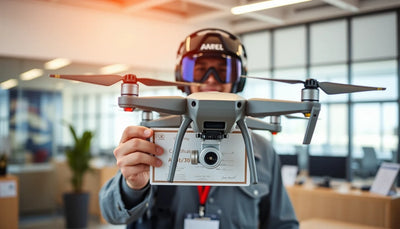
실질적으로 삼각주 내부(Tra Su Forest, Tram Chim National Park, U Minh Ha Forest)에서 자연을 촬영하는 경우 하노이나 다낭보다 제한이 적습니다. Tram Chim의 공원 당국은 하루에 200,000 VND(약 $8 USD)의 명목상 드론 요금을 부과하며, 입구 게이트에서 지불하실 수 있습니다. 까이랑 수상시장에서는 현지 경찰이 일반적으로 고도 120m 이하로 비행하는 드론을 방해하지 않지만, 많은 관광객이 모일 경우 착륙을 요청할 수 있습니다. Mini 4 Pro의 250g 미만 무게는 여기서 진정한 규제상의 이점입니다. 이는 베트남 민간 항공 지침에 따라 항공기를 가장 위험도가 낮은 범주에 두며 대부분의 현지 공무원이 이러한 구별을 인식하고 있습니다. 그래도 최신 규정에 익숙하지 않을 수 있는 와드 경찰의 과도한 집행에 대한 예방책으로 가능하면 베트남어로 245g의 이륙 중량을 보여주는 드론 사양의 인쇄된 사본을 휴대하세요. Reboot Hub는 모든 장치에 무게, 전송 주파수, 일련 번호가 포함된 사양 카드를 상자에 함께 제공합니다. 이 카드는 당국에 제출할 문서로도 사용됩니다.
왜 Reboot Hub에서 구매해야 하나요?
Reboot Hub occupies a specific niche that matters for drone buyers filming in demanding environments like the Mekong Delta. Every unit — whether Flawless A+ Grade or Pristine Pre-Owned A Grade — goes through a 40-point inspection at the Shenzhen facility staffed by MOHRSS Level 3 certified technicians. This is not a cosmetic wipe-down and reboxing. The inspection covers motor bearing acoustics, IMU calibration drift, gimbal axis torque, transmission module signal integrity, and battery cell impedance matching. Genuine OEM parts are used for any component that falls outside tolerance; you are not getting a drone with third-party propellers or aftermarket batteries that degrade wind performance. The 180-day warranty is double what most resellers offer, and it covers the electrical and mechanical systems most vulnerable to tropical operating stress — ESCs, gimbal motors, and the core board. DDP shipping from the Shenzhen and Hong Kong hubs means the price you see at checkout is the price you pay; import duties, VAT, and clearance fees for Vietnam-bound shipments are handled before the package reaches Tan Son Nhat customs. A Flawless A+ Mini 4 Pro at $589 USD lands at your door in Ho Chi Minh City, Can Tho, or Phu Quoc with no surprise surcharges. For operators who need repair turnaround, the Hong Kong drop-off point processes Mekong Delta units in 3–5 days door-to-door, including chip-level diagnostics that local Vietnamese repair shops simply cannot perform on the Mini 4 Pro's dense multilayer boards.
자주 묻는 질문

Q: DJI Mini 4 Pro는 메콩강 삼각주 우기 돌풍 속에서도 안전하게 비행할 수 있습니까?
A: 네, 신중하게 계획하면 됩니다. Mini 4 Pro의 레벨 5 풍속 등급은 최대 10.7m/s의 지속 풍속을 처리합니다. 이는 폭풍우 세포 외부에서 델타의 일반적인 우기 평균 5~8m/s를 포괄합니다. 눈에 보이는 적란운이 발달한 후 60분 이내에 비행하지 마십시오. 이로 인해 245g 드론이 탈출할 수 없는 15m/s를 초과하는 하강 기류가 발생할 수 있습니다. O4 전송 시스템의 이중 주파수 자동 전환은 비가 2.4GHz 대역을 감쇠시키는 경우에도 제어 신호 무결성을 유지하는 데 도움이 되며 나머지 6km의 사용 가능한 범위에 대해 자동으로 5.8GHz로 전환됩니다. 돌풍이 부는 환경에서는 배터리 수명이 약 22% 감소하므로 일반적인 15%가 아닌 25%의 남은 충전량으로 착륙을 계획하세요.
Q: 베트남 기반 구매자를 위한 새로운 Mini 4 Pro와 Reboot Hub 중고 장치 간의 비용 차이는 무엇입니까?
A: A new DJI Mini 4 Pro Fly More Combo retails for $1,099 USD at official Vietnamese distributors. Reboot Hub's Pristine Pre-Owned A Grade Fly More Combo costs $819 USD with DDP shipping included — a $280 saving. The Flawless A+ version at $879 USD is activation-only, meaning the drone was registered but never flown outdoors. Both grades include all original accessories (3 batteries, RC 2 controller, ND filter set, shoulder bag) and pass the same 40-point Shenzhen inspection. Import duties of approximately 8–12% are absorbed into the DDP shipping price, so there is no customs hold at Tan Son Nhat airport.
Q: Reboot Hub에서 베트남까지 배송하는 데 실제로 얼마나 걸리나요?

A: DDP shipping from the Shenzhen or Hong Kong hub to major Vietnamese cities takes 5–8 business days for Ho Chi Minh City (including Thu Duc and Binh Thanh districts), 7–10 business days for Can Tho and other Mekong Delta provincial capitals, and 8–12 business days for Phu Quoc Island. All shipments clear customs in Shenzhen before departure, so the package enters Vietnam as domestic-completed international freight — no additional clearance delays at the receiving end. Tracking is provided within 24 hours of order confirmation.
Q: 180일 Reboot Hub 보증은 바람과 관련된 모터 손상에도 적용됩니까?
A: Yes, with specific conditions. The warranty covers ESC and motor failures that occur during operation within the Mini 4 Pro's rated wind envelope (up to 10.7 m/s sustained). If telemetry logs show the drone was flown in winds exceeding this threshold and a motor burned out, the repair is classified as user-induced and is not covered. However, Reboot Hub's Shenzhen chip-level repair facility can still perform the fix at competitive rates — typically $85–$110 for a single motor and ESC replacement, with a 3–5 day turnaround including logistics through the Hong Kong drop-off point.
Q: Mini 4 Pro는 새를 방해하지 않고 메콩강 삼각주의 야생 동물을 촬영할 수 있을 만큼 조용합니까?
A: Mini 4 Pro의 재설계된 프로펠러는 1미터 호버링에서 약 62dB를 생성합니다. 이는 60dB의 일반적인 대화와 거의 같습니다. Tram Chim 국립공원 위 20m 고도에서는 지상에서 감지되는 소음이 약 38~42dB로 떨어지며, 이는 멜라루카 나무를 통과하는 주변 바람 소리보다 더 조용합니다. 공원에 있는 황새와 백로는 일반적으로 30미터가 넘는 거리에서는 놀라지 않습니다. Reboot Hub의 A등급 중고 장치는 공장 프로펠러 밸런스 사양을 유지하므로 40개 지점 검사를 통해 블레이드 변형이 없는 것으로 확인되면 소음 수준은 새 장치와 동일합니다.
Q: 까이랑 수상시장의 혼잡한 수로에서 Mini 4 Pro의 ActiveTrack을 사용할 수 있나요?
A: ActiveTrack 360은 Cai Rang 지역을 가로지르는 보트 차양과 전력선의 미로를 피하기 위해 10미터 이상의 추적 고도를 유지하는 경우 메콩 강 수상 시장에서 안정적으로 작동합니다. 3방향 장애물 감지(전방, 후방, 하향)는 드론이 메인 채널을 통해 2~3m/s의 속도로 이동하는 삼판을 따라갈 수 있는 적절한 공간 인식을 제공합니다. DJI Fly 앱에서 추적 속도를 "느림"으로 설정합니다. 기본 "보통" 속도는 추적 보트가 도매 바지선 주변을 급회전할 때 드론이 오버슛할 수 있습니다. Mini 4 Pro의 회피 시스템은 얇은 전선을 감지할 수 없으므로 먼저 낮은 고도에서 비행 경로를 정찰하고 강변 구조물 사이에 연결된 케이블을 주의 깊게 살펴보세요.
Q: Reboot Hub 드론에 결함이 있는 상태로 도착하면 어떻게 되나요? 베트남의 반품 절차는 어떻게 진행되나요?
A: Reboot Hub offers a 14-day return window from the date of delivery, with return shipping to the Hong Kong facility arranged via a prepaid label. For Vietnamese buyers, the return process typically takes 10–14 days round-trip including inspection and replacement unit dispatch. Defects covered under the 180-day warranty are repaired at the Shenzhen chip-level facility rather than replaced outright — MOHRSS Level 3 technicians perform board-level diagnostics and component swaps using genuine OEM parts. Labor rates are included in the warranty; you pay only for inbound shipping to Hong Kong, which averages $18–$25 USD from Ho Chi Minh City via Vietnam Post EMS.
기술자료 및 사양
이 모델의 전체 사양, 분해 참고 사항, 일반적인 오류 지점 및 중고 가격은 다음을 참조하세요.DJI Mini 4 Pro 위키— 일부Reboot Hub DJI 드론 위키(64개 모델, 700개 이상의 매핑된 부품). 다음에서 검증된 중고 재고를 찾아보세요.DJI 미니 인벤토리.
Keep exploring
Further reading
From Reboot Hub 크로니클


From 드론 가이드