지원 및 학습 / 모듈 9 분기
임무 시스템 및 현장 응용
이 수업을 시작하기 전에:기업용 드론 조달: 증거 및 함대 지원
이해하게 될 것
- 매핑, 검사 및 농업 작업에 시스템을 연결합니다.
- 행동을 선택하기 전에 관찰 가능한 증거를 가정과 분리하세요.
- 기본 수업 경로를 계속 진행하거나 필요한 경우 집중된 주제 분기를 입력하세요.
정밀단위 기업점검
중고 DJI 기업용 드론은 모델명이나 상태 라벨이 아닌 정확한 운영체제로 평가해야 합니다. ID 및 버전, 제공된 키트, 페이로드 인터페이스, 배터리 증거, 컨트롤러 및 링크, RTK 컨텍스트, 서비스 기록 및 임무 승인은 모두 약속 전에 고객이 의도한 작업에 연결되어야 합니다.
빠른 답변
배치 전 정확한 부대와 임무 범위를 확인하세요.
서면 공급 품목 기록을 작성하고, 현재 사진을 보존하고, 신원 및 버전 컨텍스트를 확인하고, 기체 및 페이로드 인터페이스를 검사하고, 배터리 및 컨트롤러 증거를 검토하고, RTK 및 서비스 이력을 문서화하고, 의도한 구성 및 환경에 대해서만 임무 수락을 완료합니다. 상태 등급은 공개를 지원합니다. 모든 작업에 대한 배포 승인은 아닙니다.
고객이 행동하기 전에 무엇이 보여야 할까요?
신뢰할 수 있는 지원 페이지는 고객의 우려 사항을 정확한 단위 증거, 서면 결정 경계 및 유용한 다음 조치와 연결합니다. 이 표는 주제에 대한 결정 척추입니다.
신원과 버전은 어떻게 확인해야 하나요?
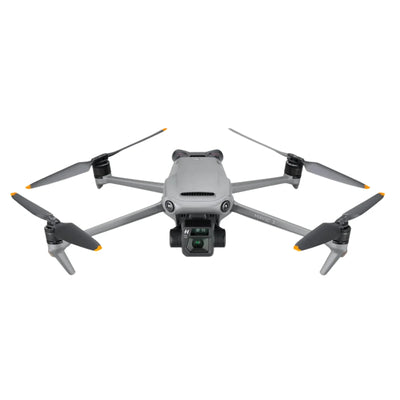
앞에 있는 정확한 기체와 컨트롤러부터 시작하세요. 개인 거래 기록, 컨트롤러 관계, 관련 지역 또는 판매 버전 컨텍스트, 지원되는 소프트웨어 컨텍스트 및 통합 또는 제거 가능한 페이로드의 모델, 일련의 증거를 기록합니다. 현재 사진은 일반적인 모델 이미지보다는 여러 유용한 각도에서 실제 장치를 보여주어야 합니다. 공개 기사는 연재물을 노출할 필요가 없습니다. 구매자 기록은 제공된 제품 및 작성된 공급 품목 목록과 신원을 연결해야 합니다.
버전 언어에 주의가 필요합니다. 소비자 Mini, Air 및 Mavic 모델은 모든 장치에 기업 국내 조달과 글로벌 조달 구별이 있는 것처럼 설명되어서는 안 됩니다. 일부 상업용 또는 기업 구매 컨텍스트에는 보다 명확한 버전, 활성화, 페이로드 및 지원 확인이 필요합니다. 이와 별도로 DJI GEO 및 지역 공역 규칙은 운항이 허용되는 곳에 관한 것입니다. 이는 어떤 판매 버전을 구입했는지 증명할 수 없습니다. Reboot Hub는 지원되는 구성과 로컬 요구 사항을 완전히 준수하도록 요구하면서 이러한 개념을 설명해야 합니다.
서면 공급품목기록에는 무엇이 포함되나요?
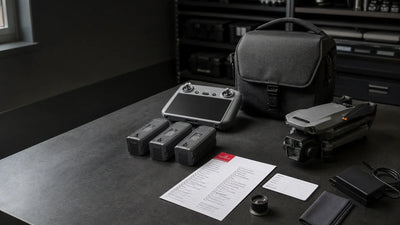
제안에 포함된 정확한 기체, 컨트롤러, 배터리, 충전기 또는 충전 허브, 케이블, 케이스, 프로펠러, 페이로드, 마운트, RTK 모듈 및 임무별 액세서리를 나열하십시오. 사진에 표시된 항목이 포함되는지, 상황에 맞는지 또는 제외되는지 명시합니다. 헤드라인 모델이 동일한 두 키트의 컨트롤러, 배터리 수, 충전기 또는 위치 확인 장비가 다를 수 있으므로 번들 이름만으로는 충분하지 않습니다. 고객이 수령 시 조정할 수 있도록 준비된 키트의 사진을 찍습니다.
기록에는 알려진 누락 품목과 눈에 보이는 상태 문제도 명시되어야 합니다. 페이로드나 액세서리에 별도의 라이선스, 계정, 케이블 또는 소프트웨어 경로가 필요한 경우 약속하기 전에 이를 명시하세요. Reboot Hub's 값은 모든 키트가 완료된 것으로 가정하지 않습니다. 이는 해결할 수 있는 걱정을 제거하고, 나머지 알려지지 않은 사항을 가시화하고 고객이 전체 운영 요구 사항에서 결정하도록 돕습니다. 서면 공급 품목 기록은 배송, 수령, 지원 및 향후 완전성 질문에 대한 참조가 됩니다.

기체와 페이로드 인터페이스를 어떻게 검사해야 합니까?
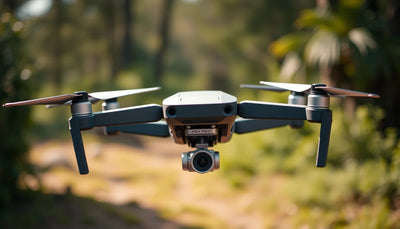
안정적이고 조명이 밝은 환경에서 전원이 꺼진 기체를 검사합니다. 쉘 정렬, 암, 착륙 지점, 패스너, 모터 영역, 프로펠러, 짐벌 및 카메라 보호, 장애물 감지 창, 포트, 커넥터, 배터리 베이 및 오염 또는 충격 징후를 검토합니다. 항공기를 분해하거나 현재 제품 지침 이상으로 섬세한 메커니즘을 이동하지 마십시오. 설명이 필요한 것은 무엇이든 사진으로 찍어보세요. 그 목적은 관찰된 상태를 기술하고 적격한 진단이 필요한지 여부를 결정하는 것이지, 겉으로 보이는 숨겨진 내부 상태를 선언하는 것이 아닙니다.
페이로드 기능의 경우 카메라 또는 센서가 통합되어 있는지 또는 제거 가능한지 확인하고 정확한 모델에 지원되는 인터페이스를 확인하십시오. 물리적 손상, 캡 누락, 비정상적인 적합 또는 문서화되지 않은 수정을 찾으십시오. 그런 다음 표시된 페이로드를 의도한 결과물 및 현재 공식 호환성 정보와 비교합니다. 깨끗한 커넥터는 페이로드가 고객의 소프트웨어, 포지셔닝 또는 데이터 워크플로우를 지원한다는 것을 증명하지 않습니다. 더 넓은 임무 적합성은 승인 계획 및 조달 기록에 속합니다.
어떤 배터리 증거가 유용합니까?
배터리 증거는 제공된 정확한 호환 배터리, 눈에 보이는 상태, 사용 가능한 기록 및 지원되는 인터페이스를 통해 보고된 현재 동작을 식별해야 합니다. 부풀어오름, 변형, 누출, 접점 손상 또는 이상한 냄새가 있는지 확인하고 안전 문제가 있는 경우 일반적인 취급을 중지하십시오. 배터리를 보호하고 충전, 보관 및 운송에 대한 최신 DJI, 운송업체 및 지역 당국 지침을 따르십시오. 관련 없는 모델이나 오래된 기사에서 복사한 범용 사이클, 저항, 전압 또는 온도 임계값에 의존하지 마십시오.
배터리 풀이 의도한 임무 일정을 어떻게 지원하는지, 무엇이 아직 알려지지 않았는지 물어보세요. 전문 고객은 여러 분류에 걸쳐 연속성이 필요한 반면, 다른 고객은 문서화된 작은 키트만 필요할 수 있습니다. 증거에는 현재 사진, 사용 가능한 지원 앱 정보 및 판매자가 서면으로 제공한 범위가 포함될 수 있습니다. 향후 런타임을 보장하거나 환경, 페이로드, 비행 프로필 및 저장 기록의 영향을 제거할 수 없습니다. 점검은 하나의 헤드라인 숫자에 기초한 약속이 아니라 운영 에너지 계획으로 이어져야 합니다.
컨트롤러와 링크는 어떻게 평가해야 합니까?
제공된 컨트롤러가 대표 모델이고 정확한 항공기 및 의도된 구성에 대해 지원되는지 확인하십시오. 인클로저를 열지 않고도 하우징, 스틱, 안테나, 장착된 스크린, 포트, 컨트롤 및 배터리 상태를 검사할 수 있습니다. 적절한 지원 프로세스를 통해 사용 가능한 계정, 바인딩 또는 활성화 증거를 보존합니다. 적절한 환경에서 전력 관측을 하면 당시 시스템이 보고한 내용을 확인할 수 있지만 이것이 보편적인 거리나 간섭 주장이 되어서는 안 됩니다.
링크 동작은 항공기, 컨트롤러, 소프트웨어 상태, 안테나, 환경, 간섭, 지역 무선 규칙 및 운영자 설정에 따라 달라집니다. 공개 장거리 테스트를 준비 상태의 증거로 사용하지 말고 규제 또는 공역 제한을 피할 수 있다고 암시하지 마십시오. 엔터프라이즈 작업의 경우 팀이 실제로 사용할 컨트롤러 및 애플리케이션 컨텍스트를 기록합니다. 관계가 불확실하거나 경고가 지속되는 경우 실제 현장에서 실험하기보다는 임무 수락 전에 자격을 갖춘 지원 센터로 이동하세요.

RTK 및 포지셔닝에 관해 무엇을 기록해야 합니까?
RTK 기능이 통합되었는지, 모듈을 통해 제공되었는지, 포함되지 않았는지 기록하고 제공된 키트에 표시된 정확한 하드웨어를 식별합니다. 공식 문서에서 물리적 상태, 표시된 호환성 및 현재 지원되는 설정 경로를 확인하세요. RTK는 수정 서비스, 기본 인프라, 계정 또는 네트워크 컨텍스트, 임무 소프트웨어, 환경 및 운영 절차에 따라 달라질 수 있는 위치 확인 시스템의 일부입니다. RTK 레이블이 있다고 해서 그 자체로 명시된 필드 결과가 보장되는 것은 아닙니다.
포지셔닝 증거를 의도한 출력에 연결합니다. 매핑 팀에는 문서화된 좌표 및 데이터 프로세스가 필요할 수 있습니다. 검사팀은 포지셔닝을 다르게 사용할 수 있습니다. 해당 프로세스의 어떤 부분이 관찰되었으며 어떤 부분이 고객의 배포 책임인지 명시합니다. 날조된 정확성 주장이나 보편적인 수용 거리를 피하십시오. 임무에 정의된 결과물이 필요한 경우 적절하게 통제된 계획에 따라 전체 지원 구성을 테스트하고 그 결과를 고객의 문서화된 요구 사항과 비교하십시오.
서비스 이력이 결정에 어떤 영향을 미치나요?
실제로 이용 가능한 서비스 기록, 사고 공개, 소유권 및 계정 인수 증거, 교체 부품 명세서 및 이전 증상을 수집합니다. 역사의 부재는 그 자체로 공개된 미지이다. 안심시키는 이야기로 채워서는 안 됩니다. 기록을 현재 눈에 보이는 상태 및 시스템 동작과 비교하십시오. 이전에 수리를 했다고 해서 자동으로 장치가 부적합해지는 것은 아니며, 외관이 깨끗하다고 해서 아무런 문제도 발생하지 않았다는 의미는 아닙니다. 결정은 증거의 질과 의도된 역할에 대한 적합성에 달려 있습니다.
연속성에 영향을 미치는 패턴을 찾으십시오. 반복되는 우려, 불완전한 액세서리 기록, 지원되지 않는 수정, 불확실한 페이로드 관계 또는 팀이 유지할 수 없는 구성입니다. 증거가 수용, 적격 진단, 더 좁은 운영 역할 또는 다른 부서를 뒷받침하는지 여부를 결정하십시오. 보증 조건은 기사의 일반적인 주장이 아니라 실제 구매 또는 수리에 적용되는 서면 정책에서 나와야 합니다. 이는 허위 보증으로 전환하지 않고도 서비스 내역을 유용하게 유지합니다.
사명수용이란 무엇이고 무엇이 아닌가?
임무 수락은 증거를 받은 후 정확한 제공된 시스템이 명시된 작업, 구성 및 환경을 지원할 수 있다는 통제된 확인입니다. 의도한 출력, 컨트롤러, 페이로드, 배터리 계획, 포지셔닝 컨텍스트, 데이터 경로, 사이트 조건, 권한 경계 및 중지 조건을 정의합니다. 비비행 및 지상 관측으로 시작한 다음 적절하게 통제된 작동 순서만 사용하십시오. 팀이 한 번의 승인이 영원히 적용된다고 가정하지 않도록 자산 기록의 결과와 제한 사항을 보존합니다.
임무 수락은 모든 현장, 기상 조건, 탑재량, 클라이언트 또는 관할권에 대한 배치 승인이 아닙니다. 이는 조종사 책임, 현재 공식 제품 지침, 지역 영공 점검, 허가, 등록, 보험 또는 조직 자체의 위험 프로세스를 대체하지 않습니다. 페이로드, 소프트웨어, 컨트롤러, 배터리 상태 또는 임무가 나중에 변경되면 재검토가 필요할 수 있습니다. 수용의 가치는 항공기가 모든 것을 통과했다는 광범위한 주장을 하기보다는 하나의 실제 운영 요구에 증거를 연결한다는 것입니다.
Reboot Hub는 어떻게 중고 기업 구매를 투명하게 합니까?
Reboot Hub는 결정에 있어 고객의 입장에 서야 합니다. 실제 사용 가능한 장치, 눈에 보이는 상태 및 제공된 키트를 보여줍니다. 버전, 호환성 및 서비스 컨텍스트를 설명합니다. 우리가 가지고 있는 증거와 알려지지 않은 증거를 공개합니다. 제안된 범위와 조건을 서면으로 작성합니다. 이는 구매자에게 상태 라벨, 플랫폼 배지 또는 일반 사진을 신뢰하라고 요구하는 것보다 더 강력합니다. 고객은 약속 전에 어떤 합리적인 우려 사항이 제거되었는지 확인할 수 있습니다.
아키텍처의 경우 정확한 모델 Wiki, 조건 언어의 등급 표준, 증거 실습의 경우 Reboot Hub 표준, 실제 사용 가능한 단위의 경우 중고 컬렉션, 거래 경계의 경우 배송 및 보증 페이지를 사용하세요. 임무에 엔터프라이즈 차량 계획이 필요한 경우 시나리오 및 조달 경로를 계속 진행합니다. 이는 검사 가이드를 작업 페이지로 전환합니다. 독자는 기술적 증거를 투명한 Reboot Hub 구매 및 배포 결정에 연결할 수 있습니다.
관련 Reboot Hub 경로
우려 사항에서 문서화된 다음 단계로 이동
Reboot Hub는 고객의 관점에서 작동합니다. 증거로 해결할 수 있는 모든 합리적인 우려 사항을 제거하고, 남아 있는 알 수 없는 사항을 기술하고, 약속하기 전에 다음 결정을 서면으로 작성합니다.
Keep exploring
Further reading
From Reboot Hub 크로니클


From 드론 가이드