Zum Inhalt springen

24/7 erreichbar: (852) 5537 6652

Japan Drone Law: Sub-200g Rules & Mini 4 Pro Real Estate Use

von LauThomas 02 Jul 2026 0 Kommentare

Reboot Hub scenario guide

Buyer brief: license and operating-rule checks

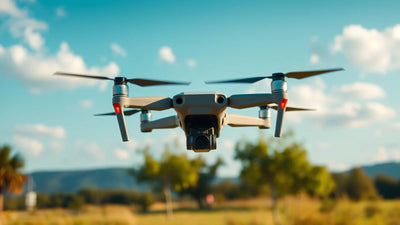
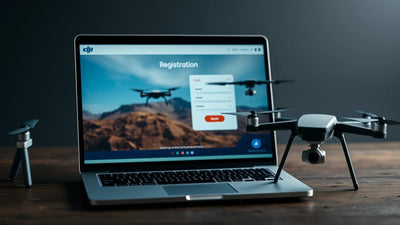
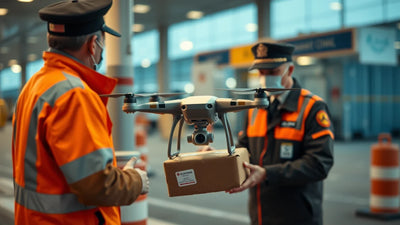
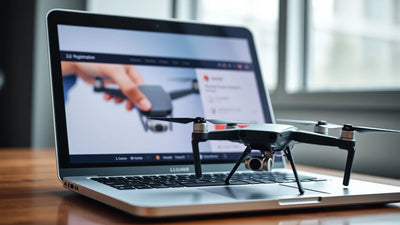
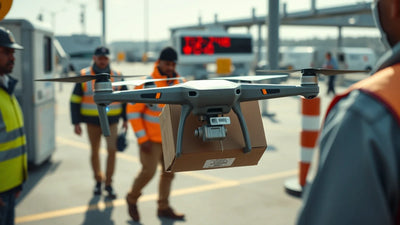
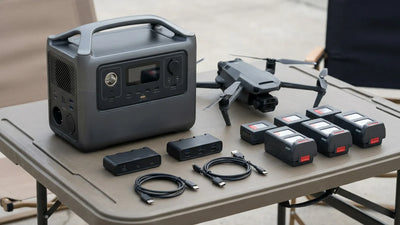
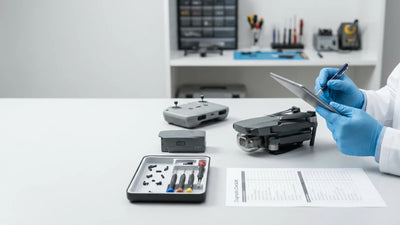
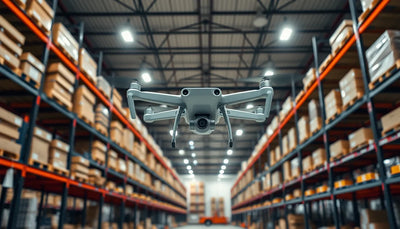
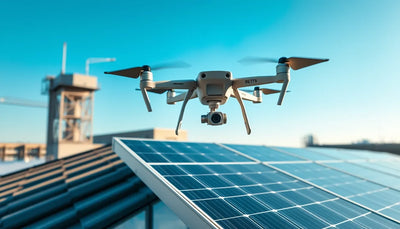
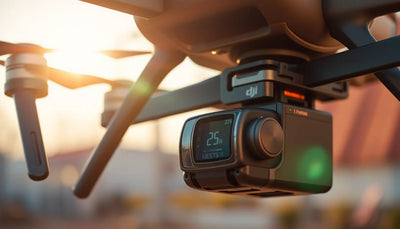
Japan Drone Law Sub-200g Rules  Mini 4 Pro Real Estate Use — close-up technical detail view

Situation: japan drone law sub 200g rules mini 4 pro real estate use. This guide answers the specific situation first, then connects the reader to Reboot Hub's verified pre-owned buying path.

Use case first

Separate recreation, commercial filming, inspection, mining, mapping, and events before interpreting rules.

Authority check

Verify registration, pilot license, restricted airspace, insurance, and privacy rules with the relevant authority.

Buying impact

Rules can change the right model, payload, controller, paperwork, and seller documentation needed before import.

Related Reboot Hub guides: Drone comparison 2026 Customs and VAT guides Warranty and repair guides The Reboot Hub Standard

Japan Drone Law: Sub-200g Rules & Mini 4 Pro Real Estate Use

Quick Answer

  • The DJI Mini 4 Pro weighs 249g — above Japan's 200g threshold, so it does NOT qualify for sub-200g relaxed rules.
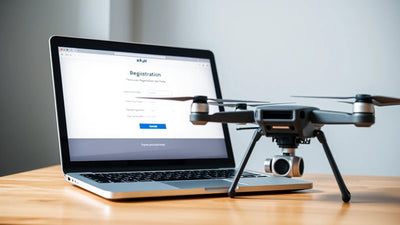
  • All drones over 100g must be registered via Japan's DIPS system (¥2,200 / ~$15 USD for first registration).
  • Commercial real estate aerial photography requires a Remote Pilot Certificate plus operational flight permission from MLIT.
  • Expect to budget ¥80,000–120,000 ($545–820 USD / HKD 4,250–6,400) for certification and ¥3,000–5,000 per commercial flight permit.
  • Pristine pre-owned Mini 4 Pro units from Reboot Hub start at $549 USD (HKD 4,280) with 180-day warranty and DDP shipping to Japan.

Does the DJI Mini 4 Pro Fall Under Japan's Sub-200g Drone Classification?

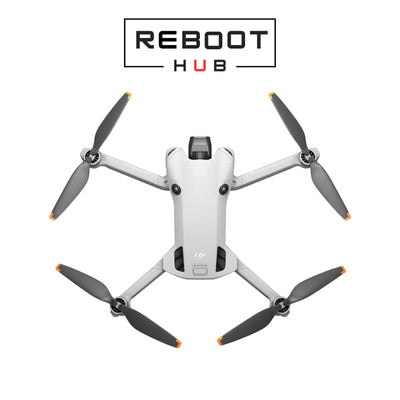
No — and this is the single most common misconception among foreign operators. Japan's Civil Aeronautics Act sets the relaxed-regulation threshold at 200 grams total takeoff weight, not the 250g limit used by the FAA in the United States or EASA in Europe. The DJI Mini 4 Pro weighs approximately 249g with its standard Intelligent Flight Battery installed. That puts it 49 grams above Japan's cutoff. This means the Mini 4 Pro is classified as a full-category unmanned aircraft under Japanese law and is subject to the same core regulatory requirements as larger drones like the Mavic 3 or Air 3. The only drones that genuinely qualify for sub-200g treatment in Japan are ultra-light models such as the DJI Tello (80g) or certain stripped-down custom FPV builds. If you are researching Japan drone regulations specifically for the Mini 4 Pro, you must approach it as an above-200g aircraft from day one. Registration, operational restrictions, and commercial licensing requirements all apply in full.

Related: SACAA Part 101 for Commercial Real Estate Drone Ops with DJI

What License Do You Need for Commercial Real Estate Aerial Photography in Japan?

For any commercial drone operation in Japan — including real estate photography, property videography, construction site surveying, and listing marketing — you need two separate authorizations. First, a Remote Pilot Certificate issued by an MLIT-approved training organization. This requires completing a theoretical course (air law, meteorology, navigation) and passing a practical flight skills assessment. Training costs range from ¥80,000 to ¥120,000 (approximately $545–820 USD / HKD 4,250–6,400) depending on the school and whether you already hold aviation experience. The certificate is typically issued within 2–4 weeks. Second, you must file a flight operation permission request with the Ministry of Land, Infrastructure, Transport and Tourism (MLIT) for each commercial project or ongoing business activity. This permission covers the specific location, altitude, time of day, and purpose of the flight. Application fees vary but generally cost ¥3,000–5,000 per operation ($20–34 USD / HKD 156–265). Approvals take 10–14 business days on average. Flying a Mini 4 Pro commercially without both documents exposes you to fines of up to ¥500,000 ($3,400 USD / HKD 26,500) and possible prosecution.

Related: Drone No Fly Zones in Amsterdam: Construction Sites Near Sch

How Much Does It Cost to Register a Mini 4 Pro and Fly Legally in Japan?

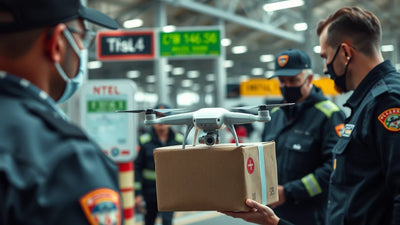
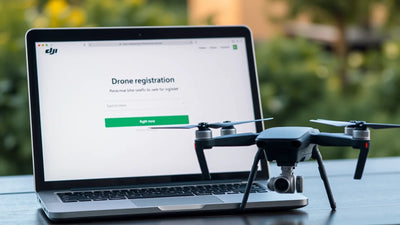
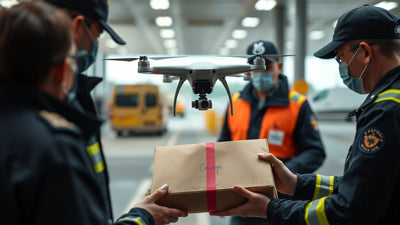
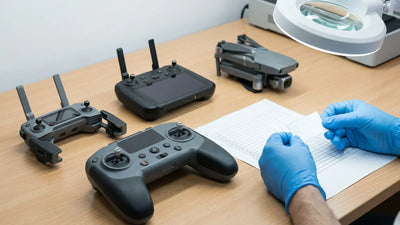
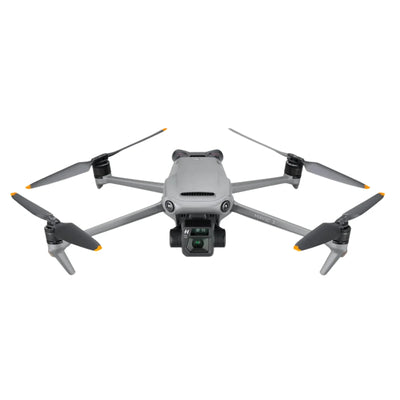
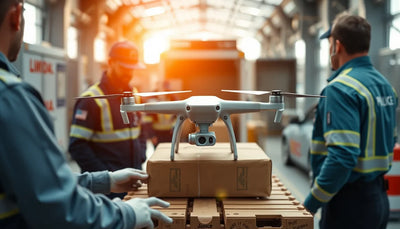
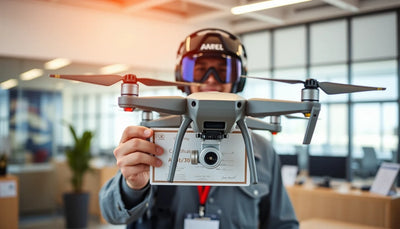
Japan Drone Law Sub-200g Rules  Mini 4 Pro Real Estate Use — workspace and equipment setup

Let us break down the total cost of legal compliance for a Mini 4 Pro used in Japanese real estate photography. DIPS registration: ¥2,200 ($15 USD / HKD 117) for the first drone, with each additional unit costing ¥1,450 ($10 USD / HKD 77). You receive a registration ID that must be visibly displayed on the drone via a sticker or engraved plate. Remote Pilot Certificate: ¥80,000–120,000 as noted above. Some intensive weekend courses in Tokyo or Osaka run toward the higher end. Annual liability insurance: ¥20,000–50,000 ($136–340 USD / HKD 1,060–2,650) per year — strongly recommended and often required by real estate agencies before granting rooftop or balcony access. Per-project MLIT flight permission: ¥3,000–5,000 if filed individually, though frequent operators often apply for a blanket annual operational permit at roughly ¥30,000–50,000 ($205–340 USD). All told, a first-year budget of ¥130,000–180,000 ($885–1,225 USD / HKD 6,900–9,550) covers registration, certification, insurance, and permissions for a modest volume of real estate shoots. The drone itself is a separate investment — a new Mini 4 Pro retails around $759 USD (HKD 5,920), while a pristine pre-owned unit from Reboot Hub in Grade A condition costs $549 USD (HKD 4,280), cutting your hardware outlay by roughly 28%.

Where Can You Fly a 249g Drone for Real Estate Work in Japan?

Japan designates Densely Inhabited Districts (DIDs) — essentially urban zones covering most of Tokyo's 23 wards, central Osaka, Nagoya, Yokohama, and other major cities — as restricted airspace for drones over 200g. The Mini 4 Pro, at 249g, requires explicit MLIT permission to operate inside any DID. This is highly relevant for real estate photographers because the majority of high-value property listings are in these very areas. Outside DIDs, flights are generally permitted below 150 meters (492 feet) above ground level, provided you maintain visual line of sight and stay clear of airports, heliports, and military installations. Additional no-fly zones include: within 300 meters of any airport boundary, over crowds or public events, over roads with moving traffic, and within 30 meters of buildings not under your control unless you have the property owner's written consent. For a typical real estate shoot in suburban Chiba or Saitama prefecture, operating outside a DID with landowner permission and an MLIT flight plan is often achievable within 2 weeks of application. Urban shoots in Shinjuku or Minato ward require significantly more lead time and paperwork.

Where to Buy Pristine Pre-Owned Drones

If you are equipping a real estate photography business in Japan, a factory-new DJI Mini 4 Pro represents a significant upfront cost — around $759 USD (HKD 5,920) for the base kit and over $1,098 USD (HKD 8,560) for the Fly More Combo. Reboot Hub (reboot-hub.com) offers an alternative that preserves budget without compromising quality. Their inventory consists of Pristine Pre-owned drones — explicitly not pre-owned units. Each drone passes a multi-point inspection at their Shenzhen facility, uses only genuine OEM parts, and ships with a 180-day warranty. Two condition grades are available: Flawless (Grade A+) — units activated once for testing, never flown outdoors — and Pristine Pre-Owned (Grade A) — minimal flight hours with zero visible marks on the body, gimbal, or propellers. A Grade A Mini 4 Pro starts at $549 USD (HKD 4,280) with DDP global shipping from Shenzhen/Hong Kong, meaning all duties and import taxes for Japan are included in the price. Their repair centre employs MOHRSS Level 3 certified technicians capable of chip-level diagnostics, with a 3–5 day turnaround on most repairs. A Hong Kong drop-off point is available for customers who prefer hand-delivery over courier. For a real estate photographer building a multi-drone kit, the savings on two or three pre-owned units can fully fund a Remote Pilot Certificate course.

Scenario boundary

This is a Japan sub-200g and real-estate risk page

  • Keep this page separate from other real-estate licence articles because the user is checking Japan's weight boundary, real-estate use, and whether a Mini 4 Pro purchase still fits the job.
  • The buyer action is model choice plus authority verification: confirm current MLIT rules, aircraft weight with accessories, property permission, client deliverables, and whether buying a slightly different verified kit avoids a compliance surprise.

Scenario solution path

Keep this answer connected to the Reboot Hub scenario library

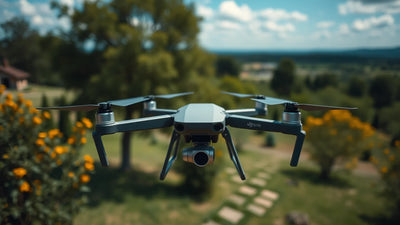
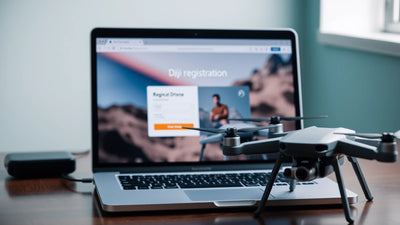
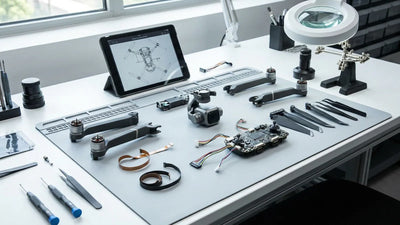
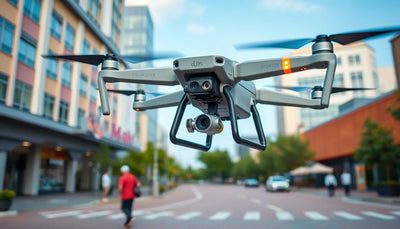
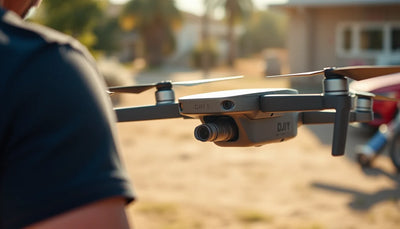
Japan Drone Law Sub-200g Rules  Mini 4 Pro Real Estate Use — professional inspection and process

This article belongs to the Rules / license branch. Use the hub to compare nearby buyer questions, checks, and next-step guides.

Open the Rules / license scenario path

Frequently Asked Questions

Q: Is Japan's sub-200g drone rule the same as the FAA's sub-250g rule in the United States?

A: No, they are completely different thresholds and should not be conflated. Japan sets its relaxed-regulation boundary at 200 grams, while the FAA and EASA use 250 grams. The DJI Mini 4 Pro at 249g is under the FAA limit — allowing recreational flight without Remote ID in many US scenarios — but it exceeds Japan's 200g limit by a substantial 49 grams. This means in Japan the Mini 4 Pro is regulated identically to much heavier drones. Operators arriving from North America or Europe with a Mini-series drone should not assume their home-country sub-250g privileges apply. You must register the drone with DIPS (¥2,200 / $15 USD) and, if flying commercially, hold a Remote Pilot Certificate. The 200g threshold has been in place under Japan's Civil Aeronautics Act since 2015 and was reaffirmed in the 2022 regulatory amendments. There are currently no announced plans to align with the 250g international standard.

Q: How long does DIPS drone registration take and what documents do I need?

A: Japan's Drone Information Platform System (DIPS) processes registrations within 2–5 business days for complete applications. You need: a valid government-issued photo ID (passport for non-residents, residence card for foreign residents), the drone's serial number and manufacturer specifications, your contact address in Japan or overseas, and a credit card or Japanese bank account for the ¥2,200 ($15 USD / HKD 117) registration fee. The registration ID number issued must be physically affixed to the drone — typically via a durable sticker or laser-engraved plate — and must be visible from the exterior. Registration is valid for 3 years. Renewal costs ¥1,450 ($10 USD). Operating an unregistered drone over 100g in Japan carries penalties up to ¥500,000 ($3,400 USD) or imprisonment of up to 1 year under the 2022 revised Aeronautics Act. DIPS is entirely online at the MLIT portal and supports English-language submission.

Q: Can I fly a Mini 4 Pro recreationally in Japan without any license?

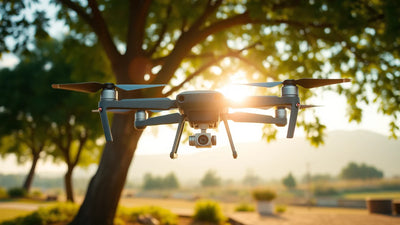
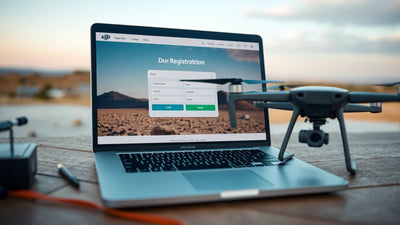
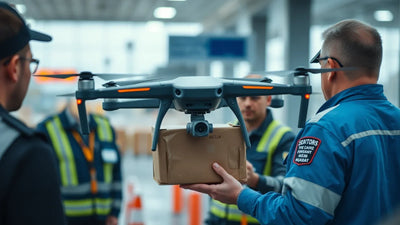
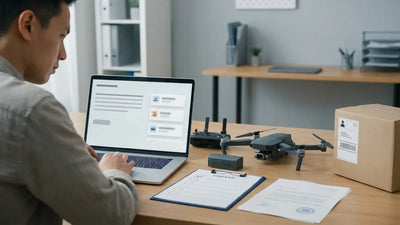
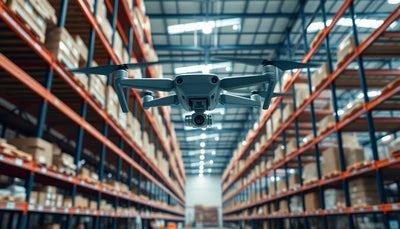
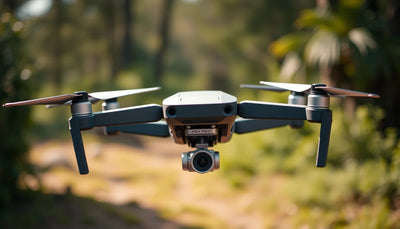
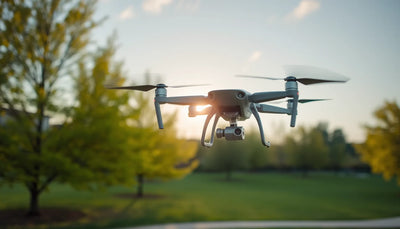
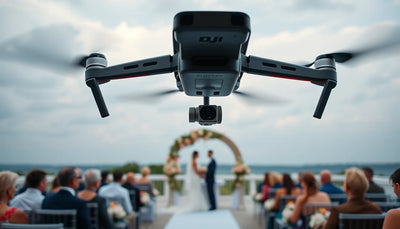
Japan Drone Law Sub-200g Rules  Mini 4 Pro Real Estate Use — results and comparison demonstration

A: For purely recreational, non-commercial flight in unrestricted airspace — meaning outside Densely Inhabited Districts, away from airports, below 150 meters, in daylight, and within visual line of sight — you do not need a Remote Pilot Certificate, even for the 249g Mini 4 Pro. However, you must still register the drone via DIPS since it exceeds 100g. The registration fee is ¥2,200 ($15 USD). You must also follow all operational rules: no flying over crowds, no dropping objects, maintain 30-meter distance from people and private property, and no flights under the influence of alcohol (the legal blood-alcohol limit for drone operation is 0.00%). Night flights and beyond-visual-line-of-sight flights require separate MLIT approval even for recreational use. Violations can result in fines starting at ¥100,000 ($680 USD). If you post footage on YouTube or social media and earn any revenue, the flight may be reclassified as commercial, triggering the full licensing requirement retroactively.

Q: What are the penalties for illegal commercial drone flights in Japan?

A: Unauthorized commercial drone operations in Japan face escalating consequences under the 2022 amended Civil Aeronautics Act. First-offense fines for flying without a Remote Pilot Certificate or MLIT operational permission range from ¥100,000 to ¥500,000 ($680–3,400 USD / HKD 5,300–26,500). Knowingly operating in restricted airspace — particularly near airports or over DIDs without permission — can trigger criminal prosecution with penalties of up to 1 year imprisonment and fines up to ¥1,000,000 ($6,800 USD). Real estate agencies that hire unlicensed drone photographers also face vicarious liability and administrative sanctions from MLIT, including suspension of business permits in severe cases. Japanese police actively enforce drone laws: in 2023, Tokyo Metropolitan Police reported 47 drone-related arrests, a 31% increase from 2022. Several cases involved foreign nationals unaware of the 200g threshold difference. Confiscation of the drone and all captured footage is standard procedure during investigations. Commercial liability insurance does not cover illegal operations, leaving operators personally exposed to property damage claims and third-party injury lawsuits.

Q: How does Reboot Hub's multi-point inspection compare to buying a pre-owned drone?

A: Reboot Hub's process differs fundamentally from refurbishment. pre-owned drones are typically units that were returned due to defects, crashed, or water-damaged, then repaired with a mix of OEM and third-party parts. Reboot Hub's Pristine Pre-owned inventory consists of fully functional, never-damaged drones that undergo a multi-point inspection covering gimbal calibration, IMU alignment, motor bearing acoustics, GPS lock speed, battery cell impedance (all cells must read within 0.02V tolerance), transmission range testing at 2.4GHz and 5.8GHz, and visual inspection at 10x magnification for hairline stress fractures. Only genuine OEM parts are used — no aftermarket propellers, third-party batteries, or non-DJI gimbal ribbons. Every drone ships with a 180-day warranty (versus the typical 90 days on pre-owned units from other sellers). Their Shenzhen repair centre employs MOHRSS Level 3 certified technicians — China's highest civilian electronics repair certification — with chip-level diagnostic capability. Turnaround is 3–5 days, and a Hong Kong drop-off counter eliminates international shipping for customers in the region. For Japan-based operators, DDP shipping means no surprise customs fees upon delivery.

Q: What does DDP shipping from Reboot Hub mean for Japan-based buyers?

A: DDP stands for Delivered Duty Paid — an Incoterms shipping arrangement where the seller assumes full responsibility for all costs and risks until the goods reach the buyer's specified address. When Reboot Hub ships a Pristine Pre-owned Mini 4 Pro to Japan via DDP, the price you pay at checkout is the final price. There are no additional import duties, consumption tax (Japan's 10% VAT), or customs clearance fees billed upon delivery. This is particularly valuable for Japanese buyers because Japan Customs assesses a 10% consumption tax on imported electronics valued over ¥10,000, plus potential tariff charges depending on the HS code classification. On a $549 USD drone, DDP saves approximately $55–75 USD in surprise charges versus DAP (Delivered At Place) shipping. Typical delivery time from Shenzhen/Hong Kong to Tokyo, Osaka, or Nagoya is 5–8 business days via express courier. Tracking is provided from dispatch to final delivery. Reboot Hub also offers a Hong Kong drop-off option for customers traveling through HK who prefer to hand-carry their purchase — a practical choice for business travelers combining a drone purchase with a trip.

Q: Is the Mini 4 Pro good enough for professional real estate photography, or do I need a larger drone?

A: The DJI Mini 4 Pro is exceptionally capable for real estate photography and delivers results that satisfy the vast majority of listing agents and property developers. It features a 1/1.3-inch CMOS sensor with 48MP effective resolution, 4K/60fps HDR video at up to 100Mbps bitrate, and a mechanical 3-axis gimbal with tilt range from -90° to +60°. The 24mm equivalent wide-angle lens captures full property exteriors without excessive barrel distortion. Crucially for real estate work, the Mini 4 Pro supports 10-bit D-Log M color profile — essential for matching drone footage with ground-level camera color grades in post-production. Vertical shooting mode (true 9:16 sensor crop, not cropped 4K) is ideal for social media property reels. The omnidirectional obstacle avoidance (forward, backward, downward, upward) reduces collision risk when maneuvering near balconies, eaves, and landscaping. For most residential and mid-scale commercial property shoots, the Mini 4 Pro is more than sufficient. Larger drones like the Mavic 3 Pro become relevant only for luxury estates requiring adjustable aperture, longer focal lengths (70mm or 166mm equivalent), or Micro Four Thirds sensor quality for large-format print brochures. A Grade A Mini 4 Pro from Reboot Hub at $549 USD (HKD 4,280) offers 90% of the professional capability at roughly 35% of the cost of a new Mavic 3 Pro.

FAQ

What should I check first for japan drone law sub 200g rules mini 4 pro real estate use?

Separate recreational use from commercial work, then verify registration, pilot license, airspace approval, insurance, and privacy rules with the relevant authority.

Do drone rules change the buying decision?

Yes. Weight, camera, payload, battery setup, controller type, and paperwork can change which pre-owned DJI model is practical.

Can this article replace official legal advice?

No. Treat it as a buyer planning checklist and confirm current rules with the named aviation, customs, or local authority.

Vorheriger Beitrag
Nächster Beitrag

Hinterlassen Sie einen Kommentar

Bitte beachten Sie, dass Kommentare vor der Veröffentlichung genehmigt werden müssen.
Danke fürs Abonnieren!

Diese E-Mail wurde registriert!

Kaufen Sie den Look

Wählen Sie Optionen

Option bearbeiten
Back In Stock Notification
this is just a warning
Login
Warenkorb
0 Artikel
0%