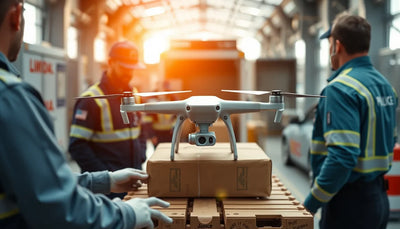
Personal DJI Drone Imports to India: Documents Before Payment
India personal-import decision brief
Quick answer
- A seller's claim about personal use, door delivery or taxes does not decide whether a particular drone shipment can enter India. Start with the actual goods, importer role and current official route.
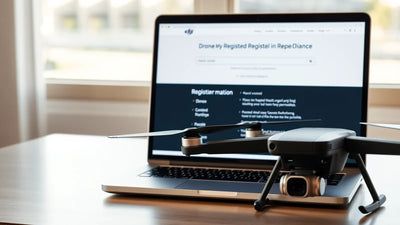
- Before payment, collect the aircraft, controller, batteries, accessories, serial, seller identity, invoice, payment trail, delivery terms and condition evidence in one shipment file.
- Ask the responsible current route about the exact shipment rather than relying on a broad personal-import limit, a copied classification or a promise that a seller will resolve every later requirement.
- Import, delivery, product support and future operation are separate decisions. Keep their evidence together without treating one answer as proof of the others.

What should a personal China-to-India drone shipment clarify?
| Shipment layer | Evidence to prepare | Decision it supports | Do not assume |
|---|---|---|---|
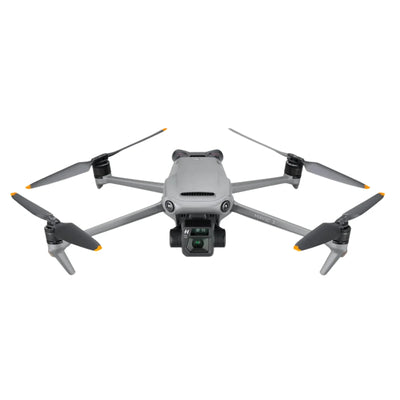
| Exact goods | Aircraft, controller, batteries, accessories, serial and condition | What the seller intends to ship | A listing title describes all included goods |
| Commercial sale | Seller identity, invoice, payment and written delivery terms | Who made the sale and what was agreed | A platform message is a complete import record |
| Importer role | Named buyer or importer and actual shipment destination | Which party must answer current import questions | The seller settles every border obligation |
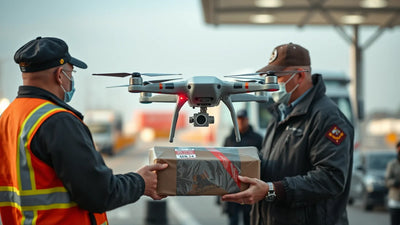
| Transport | Carrier, battery handling and shipment record | How the actual kit is moving | A delivery label guarantees release |
| Future operation | Location, purpose, operator and current local route | What must be reviewed after import | Delivery makes the aircraft ready to use |

Why should a buyer separate a shipment from a personal-use claim?
Personal use describes an intended purpose; it does not replace a current import decision for identified goods. A China-to-India shipment can involve the actual aircraft, controller, batteries, importer, seller, carrier and current policy route. The buyer should not treat a short product description as a complete answer about all of those layers.
Start with a shipment file that describes the real kit. The buyer needs to know what is being sold, who is selling it, who is receiving it, what delivery terms were agreed and which current authority route can assess the actual shipment. This is more useful than a promised landed result.
What should be verified with the seller before payment?
Ask the seller to identify the actual aircraft, matched controller, batteries and accessories, then connect those items to the serial, condition disclosure, invoice, payment route and written delivery terms. For a used unit, request a normal demonstration and any repair history the seller can substantiate. Keep the evidence from the same kit together.
A seller should not be asked to invent an import answer it cannot support. The buyer should instead use the clear commercial record to ask the current route about the identified goods. This reduces the risk that a shipment arrives with a different kit, an incomplete invoice or an unclear party responsible for the next question.
- Match the unit serial and included equipment to the invoice.
- Identify batteries separately from the aircraft and controller.
- Keep seller identity, payment evidence and written delivery terms together.
- Record used condition and known repair history without turning them into a warranty promise.

How should the buyer approach the current import route?
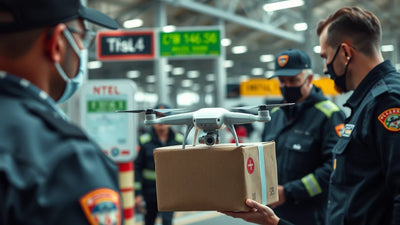
Give the responsible current route the real shipment facts: the identified goods, buyer or importer, final destination, commercial record, transport method and batteries. Do not reuse a rate, quantity limit, exemption or classification from another buyer's story without confirming that it applies to the actual goods and current transaction.
If the route indicates that more information is needed, obtain it before payment or dispatch. A completed seller record is valuable because it lets the buyer ask a precise question. It does not establish an outcome, but it avoids treating an online estimate as an authority decision.
Why do shipping and operating questions need separate files?
A shipment decision concerns how goods enter India. A future operating decision concerns the actual location, purpose, operator, people nearby and current local rules. A drone can be documented for one question while another question remains open. Do not make an event, work or resale commitment solely because delivery has been discussed.
Keep the operational plan with the purchase file, then ask the relevant current route about the planned use. This protects the buyer from marketing a shipped product as if it came with a universal operating approval or a fixed support outcome.

What makes a personal import offer more defensible?
Prefer the offer with a visible unit, matched accessories, seller identity, invoice, payment record, condition disclosure and clear delivery responsibilities. The Drone Wiki helps establish model context; the seller and shipping guides help the buyer test whether the commercial record is complete enough before money moves.
When a seller cannot explain the goods or the buyer cannot identify the responsible current route, pause the transaction. A documented alternative is more valuable than a discounted offer built around a generic personal-use or delivery promise.

Use the Drone Wiki for model and compatibility context, then return to the action path above.
Keep exploring
Further reading
From The Reboot Hub Chronicle









From Drone Guides