DJI Avata 2 Indoor Filming in Mexico: AFAC Permission Questions
Mexico indoor filming decision guide
Quick answer
- An indoor DJI Avata 2 project has separate venue, flight-safety, insurance and aviation-permission decisions; one indoor label does not settle every one of them.
- Older searches may use DGAC. For a current Mexico aviation answer, describe the exact operation to AFAC rather than relying on an old label, a copied threshold or a generic venue claim.
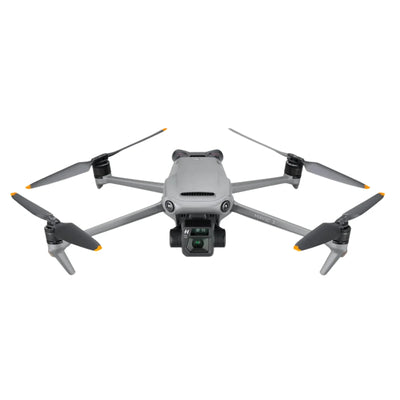
- DJI says Avata 2 can be used indoors, but it does not support obstacle avoidance. The route, people area, launch point and recovery plan remain operator and venue decisions.
- For a pre-owned kit, match the exact aircraft, goggles or controller, battery, condition record and sale evidence before committing the production to that equipment.

Which part of an indoor Mexico shoot needs its own answer?
| Decision area | Facts to collect | Do not assume | Action before accepting work |
|---|---|---|---|
| AFAC route | Exact venue, route, whether any part moves outdoors, project purpose and operator details | That a room description or an old DGAC result settles every aviation requirement | Request a current answer for the actual operation |
| Venue and people | Property approval, filming boundary, guest or crew controls, launch and recovery space | That a client request gives permission for every flight area | Agree the operating boundary with the venue before setup |
| Flight plan | Clear route, lighting, fixed obstacles, people movement and a stop point | That propeller guards or positioning remove pilot responsibility | Change the route or method when the space cannot be controlled |
| Insurance | The venue contract and the insurer's terms for the actual production | That a generic online policy description covers this shoot | Confirm the coverage path directly with the relevant provider |
| Used-kit readiness | Exact aircraft, controller or goggles, battery, condition evidence and seller record | That a model name alone proves the delivered kit is ready for production | Record the live kit before building it into the shoot plan |

Why does an older DGAC search now need an AFAC answer?
Older Mexico drone searches often use the DGAC name. Current civil-aviation information is issued through AFAC, so a current answer should begin with the authority and route in use now rather than treating an old search phrase as a complete rule.
That matters when a production is commercially important. A copied licence statement, a generic weight claim or a conclusion from a different venue cannot determine what applies to the actual aircraft, pilot, building and planned route.
Does a closed indoor venue settle the aviation question by itself?
No universal conclusion should be made from the word indoor alone. A confined site can change the facts, but the production still needs an answer based on the exact facility, planned route, operator, aircraft and whether any part of the work enters an outdoor area.
Describe those facts clearly when seeking current AFAC guidance. Do not promise a client that an enclosed location removes every aviation process, and do not sell an operational plan on an unverified licence or permit claim.

What should the venue approve before an indoor flight?
Start with the people and property affected by the flight. Confirm the filming purpose, flight boundary, access restrictions, takeoff point, landing area, timing, crew communication and the venue's own final approval before equipment is powered on.
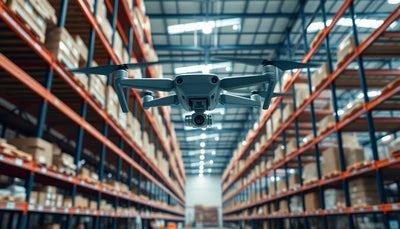
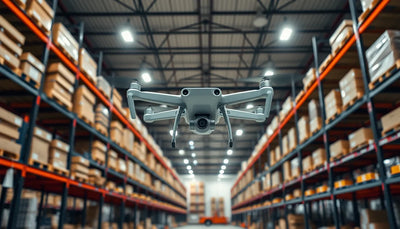
A wedding, hotel, shop, warehouse or studio can each have a different decision-maker and different limits. Keep that approval with the production record instead of assuming that a booking or client request covers the flight itself.
How does a mixed indoor and outdoor shot change the plan?
Treat any move beyond the indoor operating boundary as a separate part of the production plan. Do not build an exterior transition into a supposedly indoor-only job and decide later whether the legal, safety or insurance questions matter.
Map the route before the call sheet is final. If an exterior shot is essential, obtain a current answer for that operation and keep the indoor venue plan separate from the outdoor aviation decision.

What can Avata 2 features not decide for an indoor crew?
DJI states that Avata 2 does not support obstacle avoidance. Its integrated propeller guards and visual-positioning features do not confirm that a route is clear in front, above, beside or around people and structures.
Walk the route, manage access, identify a safe recovery area and stop when lighting, crowd movement or obstacles make the original plan unsuitable. A small aircraft does not make a busy interior manageable by default.
What should be documented when the Avata 2 is pre-owned?
Ask the seller to demonstrate the exact aircraft, compatible goggles or controller, battery and normal pairing included in the sale. Compare the live kit with its identifying record, disclosed condition, invoice and delivery terms before relying on it for a production.
Do not substitute a broad claim about an indoor-ready model for evidence about the actual unit. If the kit cannot be demonstrated or its condition cannot be matched to the record, keep it out of a time-sensitive shoot plan.
When should a crew change the method instead of forcing the flight?
Change the route, camera method or aircraft when the venue will not approve the plan, people cannot be separated from the flight path, the route cannot be managed directly or the authority and insurance questions remain unresolved.
The useful decision is the one that preserves a controlled production and an honest client expectation. It is better to adjust the shot before the event than to make a legal or safety promise that the available facts do not support.

Use the Drone Wiki for model and compatibility context, then return to the action path above.
Keep exploring
Further reading
From The Reboot Hub Chronicle
From Drone Guides