كيفية الحصول على تصريح طائرة بدون طيار من INAH للكنائس التاريخية في مكسيكو سيتي
دليل السيناريو Reboot Hub
ملخص المشتري: فحوصات الترخيص وقواعد التشغيل

الحالة:كيفية الحصول على تصريح الطائرات بدون طيار للكنائس التاريخية في مدينة المكسيك. يجيب هذا الدليل على الموقف المحدد أولاً، ثم يوصل القارئ بمسار شراء Reboot Hub الذي تم التحقق منه.
استخدم الحالة أولاً
الترفيه المنفصل والتصوير التجاري والتفتيش والتعدين ورسم الخرائط والأحداث قبل تفسير القواعد.
فحص السلطة
التحقق من التسجيل ورخصة الطيار والمجال الجوي المحظور والتأمين وقواعد الخصوصية مع السلطة المختصة.
تأثير الشراء
يمكن للقواعد تغيير النموذج الصحيح والحمولة ووحدة التحكم والأوراق ووثائق البائع المطلوبة قبل الاستيراد.
أدلة Reboot Hub ذات الصلة:مقارنة الطائرات بدون طيار 2026أدلة الجمارك وضريبة القيمة المضافةأدلة الضمان والإصلاحمعيار Reboot Hub
الجواب السريع
- يتطلب INAH (المعهد الوطني للأنثروبولوجيا والتاريخ) الحصول على تصريح طيران إلزامي لأي عملية بدون طيار فوق الكنائس التاريخية والمعالم الأثرية في مكسيكو سيتي.
- أرسل طلبك قبل 20 يوم عمل على الأقل عبر مكتب INAH الإقليمي أو البوابة الإلكترونية، مع خطة طيران مفصلة، ومواصفات الطائرة بدون طيار، وبطاقة الهوية، وإثبات التأمين.
- تبلغ رسوم معالجة التصريح حوالي 1200 بيزو مكسيكي (حوالي 65 دولارًا أمريكيًا) وهي غير قابلة للاسترداد؛ قد يتم تطبيق روابط إضافية على البراعم التجارية.
- حتى الطائرات بدون طيار خفيفة الوزن التي يقل وزنها عن 250 جرامًا تحتاج إلى تصريح من المعهد الوطني للتاريخ الطبيعي لأن التقييد يحمي القيمة الثقافية للنصب التذكاري، وليس فقط سلامة المجال الجوي.
- لا تطير إلا خلال الفترات الزمنية المعتمدة، وحافظ على مسافة 30 مترًا أفقيًا من الهيكل، ولا تتجاوز أبدًا ارتفاع 120 مترًا فوق مستوى سطح الأرض.
ما هي INAH ولماذا تحتاج إلى تصريح للطيران بطائرة بدون طيار في الكنائس التاريخية في مكسيكو سيتي؟
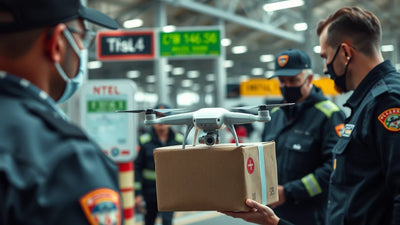
المعهد الوطني للأنثروبولوجيا والتاريخ (INAH) هو الوكالة الفيدرالية التي تحمي التراث الأثري والتاريخي والحفريات في المكسيك. أي كنيسة بنيت قبل عام 1900 أو تم تخصيصها كنصب تذكاري وطني تقع ضمن اختصاص INAH. عندما تطلق طائرة بدون طيار فوق كاتدرائية متروبوليتان، أو لا بروفيسا، أو سانتا فيراكروز، أو أي معبد تاريخي مماثل في المدينة، فإنك تعمل فوق أصل ثقافي محمي. توجد تصاريح INAH لمنع تلف الاهتزازات وانتهاكات الخصوصية والاستخدام التجاري غير المصرح به للصور. يمكن أن يؤدي الطيران بدون تصريح إلى مصادرة الطائرات بدون طيار، وغرامات تبدأ من 2500 بيزو مكسيكي (135 دولارًا أمريكيًا)، وحتى اتهامات جنائية إذا كان النصب التذكاري معرضًا للخطر. لا تعد عملية الموافقة مجرد إجراء شكلي بيروقراطي - فهي تتضمن تقييمًا لتأثير خطة رحلتك على الهيكل وتتطلب دليلاً على أنك ستلتقط الصور بكل احترام. نظرًا للتنفيذ الصارم حول Centro Histórico، فإن الحصول على تصريح INAH المناسب هو الطريق القانوني الوحيد للتصوير الجوي للكنائس التاريخية.
ذات صلة:أهدأ طائرة بدون طيار لحفلات الزفاف الداخلية في المملكة المتحدة؟ DJI Mini 5
كيف يمكنك التقدم بطلب للحصول على تصريح طيران بدون طيار من INAH خطوة بخطوة؟
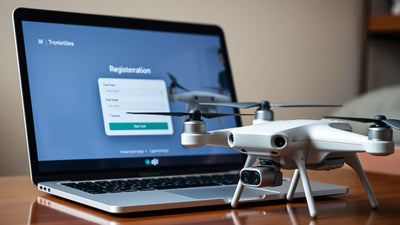
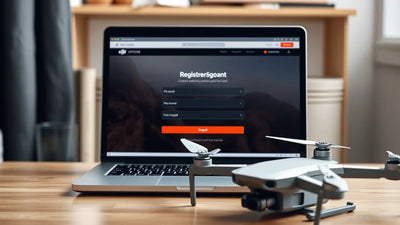
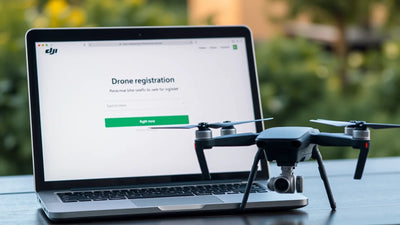
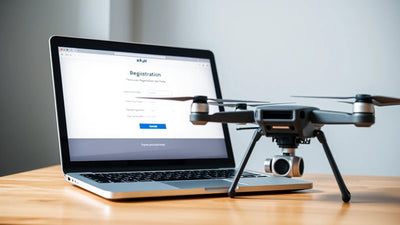
ابدأ بتجميع ملف الرحلة قبل تاريخ التصوير المقصود بوقت طويل. يجب تقديم الطلب من خلال INAH Coordinación Nacional de Monumentos Históricos أو Delegacion INAH في مكسيكو سيتي. اعتبارًا من عام 2025، يمكنك بدء العملية عبر البوابة الرقمية الرسمية لـ INAH (التهوية الوحيدة)، على الرغم من أن التقديم المادي للنسخ الموثقة لا يزال مطلوبًا في كثير من الأحيان. يجب أن يتضمن طلبك ما يلي: خطاب رسمي باللغة الإسبانية يشرح غرض المشروع (سياحي، وثائقي، أكاديمي)، جدول دقيق للرحلة مع التاريخ والوقت والمدة، وإحداثيات نظام تحديد المواقع العالمي (GPS) لنقاط الإقلاع/الهبوط، ونموذج الطائرة بدون طيار الدقيق مع الرقم التسلسلي، وشهادة تأمين ضد المسؤولية تجاه الغير صالحة في المكسيك. قم بإرفاق نسخة من جواز سفرك أو INE، وإذا كنت تمثل شركة إنتاج أجنبية، فمن المستحسن خطاب من وسيط محلي أو دار إنتاج. بمجرد تقديمها، يقوم متخصصو الحفاظ على البيئة في INAH بمراجعة الخطة مقابل بيانات الهشاشة الهيكلية. ادفع رسوم التقييم البالغة 1200 بيزو مكسيكي (65 دولارًا أمريكيًا) في المرجع البنكي المقدم، ثم انتظر القرار - عادةً من 15 إلى 20 يوم عمل. في حالة الموافقة، سوف تتلقىتصريح فويلوتحديد الحدود القصوى للارتفاع الدقيق ومناطق حظر الطيران وتقرير الصورة الإلزامي بعد الرحلة.
ذات صلة:طلب بالجملة لطائرات بدون طيار DJI من الصين: كيفية حل مشكلة الشحن D
ما هي المستندات والرسوم المطلوبة للحصول على تصريح طيران بطائرة بدون طيار من INAH؟

لا تتغير قائمة مراجعة الوثائق الأساسية أبدًا. يجب عليك تقديم هوية رسمية (جواز سفر للأجانب)، ونموذج INAH مكتمل DE-01 أو ما يعادله، وورقة فنية للطائرة بدون طيار توضح الوزن والأبعاد ومستويات الضوضاء، وخريطة مفصلة لشبكة الطيران. يجب أن تشير الخريطة إلى بصمة الكنيسة والمناطق العازلة وكل نقطة طريق مقترحة. تحتاج مشاريع اللقطات التجارية أو لقطات المخزون إلى رسوم استخدام حقوق إضافية بقيمة 2800 بيزو مكسيكي (150 دولارًا أمريكيًا) تغطي فترة الترخيص البالغة 12 شهرًا. غالبًا ما تكون الرحلات البحثية والتعليمية مؤهلة للحصول على تخفيض في الرسوم بنسبة 50% في حالة إرفاق خطاب جامعي. إثبات التأمين على الطائرات بدون طيار مع تغطية مسؤولية لا تقل عن 500000 بيزو مكسيكي (27000 دولار أمريكي) غير قابل للتفاوض. إذا كان سيتم نشر أي بيانات جوية عبر الإنترنت، قم بتضمين مسودة نموذج الإصدار. ضع في اعتبارك أن الرسوم مفهرسة إلى Unidad de Medida y Actualización (UMA)، وبالتالي فإن إجمالي البيزو يتغير قليلاً في شهر فبراير. للحصول على تقدير للميزانية، خطط لحوالي 65 إلى 150 دولارًا أمريكيًا كرسوم INAH المباشرة، بالإضافة إلى تكاليف الترجمة والبريد السريع المحتملة إذا كنت تتعامل مع الطلب من الخارج. احمل دائمًا التصريح الأصلي وشهادة التأمين أثناء الرحلة - حيث تحدث عمليات التفتيش الفوري بواسطة مراقبي INAH في Centro Histórico بشكل متكرر.
ما هي المدة التي تستغرقها عملية الحصول على تصريح الطائرة بدون طيار من INAH؟
تستغرق المعالجة القياسية من 15 إلى 20 يوم عمل من تاريخ تأكيد INAH استلام الطلب الكامل. المواقع المعقدة - الكنائس ذات الأقبية الجصية الهشة أو الترميم المستمر، مثل سان فرانسيسكو أو إكسبياتوريو - غالبًا ما تؤدي إلى مراجعة موسعة يمكن أن تمتد إلى 30 يوم عمل. بالنسبة للطواقم الدولية، خذ أسبوعًا إضافيًا لتصديق المستندات وترجمتها. المعالجة السريعة غير متوفرة؛ تتعامل INAH مع كل نصب تذكاري بنفس المداولات. تزيد مهرجانات الربيع والخريف الدينية من الازدحام، حيث تقدم وسائل الإعلام المحلية وسلطات الكنيسة العديد من طلبات الطيران، لذا قم بتقديم طلب قبل 40 يومًا على الأقل إذا كان التصوير خلال أسبوع الآلام أو يوم الموتى. بعد الموافقة، تكون فترة الطيران المتاحة لك عادةً من 5 إلى 10 أيام متتالية. إذا فرض الطقس الإلغاء، فيجب عليك طلب تعديل إعادة البرمجة، الأمر الذي يستغرق 5 أيام عمل إضافية ويترتب عليه رسوم إعادة إصدار بقيمة 500 بيزو مكسيكي (27 دولارًا أمريكيًا). أبلغ مشغلو الطائرات بدون طيار الذين يحترمون هذه الجداول الزمنية عن معدل موافقة بنسبة 92%، في حين تواجه الطلبات غير المكتملة فرصة رفض بنسبة 45% عند المرور الأول. تعامل مع المخزن المؤقت كجزء من جدول الإنتاج الخاص بك.
ما هي قيود الطيران ومناطق حظر الطيران بالقرب من الكنائس التاريخية في مكسيكو سيتي؟
بمجرد حصولك على التصريح، يتم تطبيق قواعد تشغيلية صارمة. يجب الحفاظ على مسافة 30 مترًا أفقيًا بين واجهة الكنيسة وأبراج الجرس في جميع الأوقات. الحد الأقصى للارتفاع هو 120 مترًا فوق مستوى سطح الأرض، ولكن بالقرب من المباني الطويلة بشكل استثنائي مثل كاتدرائية مكسيكو سيتي متروبوليتان (أبراج الجرس التي يبلغ ارتفاعها 60 مترًا)، قد تقيد INAH الارتفاع إلى 80 مترًا لتجنب التحميل الديناميكي الهوائي على الأعمال الحجرية القديمة. يُحظر الطيران مباشرة فوق سطح النصب التذكاري ما لم يمنح التصريح صراحةً فحصًا رأسيًا لإجراء مسوحات الحفظ، وحتى ذلك الحين، يلزم الخلوص الرأسي بمسافة لا تقل عن 15 مترًا. ساعات العمل عمومًا من الساعة 8:00 صباحًا حتى 6:00 مساءً، دون استثناء للخدمات الليتورجية. يتم فرض مناطق حظر الطيران رقميًا داخل دائرة نصف قطرها 500 متر حول أي موقع مدرج في قائمة INAH في المركز التاريخي؛ من المحتمل أن يعكس السياج الجغرافي لطائرتك بدون طيار هذا الأمر، لكن التصريح يتجاوز القيود أثناء النافذة المعتمدة. تتطلب الرحلات الجوية الليلية، واستخدام الومضات الضوئية التي تتجاوز أضواء الملاحة القياسية، والرحلات الجوية أثناء التجمعات العامة، تصريحًا منفصلاً وأكثر صرامة للتصوير السينمائي. يؤدي انتهاك أي شرط إلى إلغاء التصريح على الفور ويمكن أن يؤدي إلى مصادرة المعدات التي تزيد قيمتها عن 1500 دولار أمريكي، بالإضافة إلى العقوبات الإدارية.
أماكن شراء الطائرات بدون طيار المستعملة
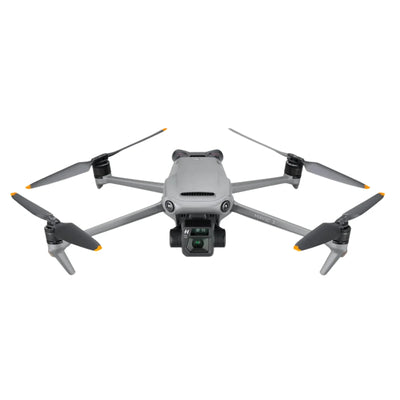
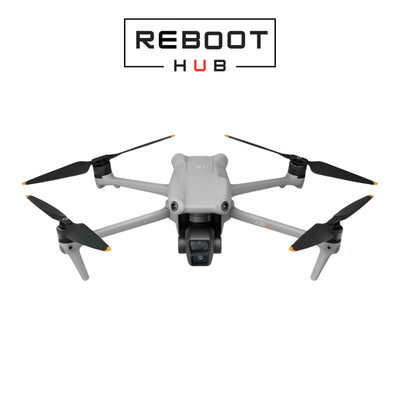
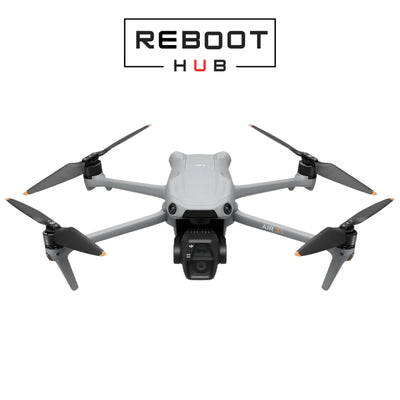
يتطلب التقاط التفاصيل الباروكية المعقدة لكنيسة تاريخية طائرة بدون طيار مزودة بكاميرا ذات محورين عالية الجودة وموثوقية مطلقة.Reboot Hub(https://reboot-hub.com) specializes in pristine pre‑owned drones that are NOT pre-owned — every unit passes a 40‑point inspection and is built exclusively with genuine OEM parts. Two condition grades let you match your budget: Flawless (Grade A+) units are activation‑only, never flown, while Pristine Pre‑Owned (Grade A) show zero visible wear. A DJI Air 3 Fly More Combo in Grade A+ costs $1,099 USD (HK$8,570), allowing you to capture 48MP stills of colonial cupolas with crisp detail. If you need the 4/3 CMOS Hasselblad sensor for low‑light interior courtyard documentation, the DJI Mavic 3 Classic Flawless is $1,149 USD (HK$8,960). Every purchase comes with a 180‑day warranty backed by Reboot Hub’s Shenzhen chip‑level repair centre, where MOHRSS Level 3 certified technicians handle diagnostics and fixes in 3–5 days. Global DDP shipping from Shenzhen and Hong Kong means you receive the drone at your Mexico City address with all duties prepaid — no surprise fees. For INAH permit applicants who need documentation, Reboot Hub provides the serial number, specification sheet, and proof of purchase immediately after checkout, streamlining the application package. The repair centre also maintains a Hong Kong drop‑off point, so international customers can access warranty service without long transit times.
مسار حل السيناريو
أبقِ هذه الإجابة متصلة بمكتبة السيناريوهات Reboot Hub

تنتمي هذه المقالة إلى فرع القواعد/الترخيص. استخدم المركز لمقارنة أسئلة المشتري القريب والفحوصات وأدلة الخطوة التالية.
افتح مسار سيناريو القواعد/الترخيصالأسئلة المتداولة
س: هل يمكنني قيادة طائرة بدون طيار داخل كنيسة تاريخية بتصريح من INAH؟
ج: لا، تصاريح INAH تغطي العمليات الجوية الخارجية فقط. تتطلب الرحلة الداخلية تصريحًا منفصلاً من كل من INAH وإدارة الرعية، ونادرًا ما يتم منحه بسبب اللوحات الجدارية الهشة، وكثافة الهواء المحملة بالبخور، والمخاطر التي تهدد المصلين. حتى مع الحصول على إذن، لا يمكن النظر إلا في الطائرات بدون طيار التي يقل وزنها عن 250 جرام والمزودة بواقيات كاملة للمروحة، ويجب أن يكون الوصي حاضرًا. تبدأ تكلفة مراجعة الرحلات الداخلية من 2000 بيزو مكسيكي (108 دولارات أمريكية) ولديها نافذة تقييم مدتها 35 يوم عمل. تقدم Reboot Hub مجموعات DJI Avata 2 في حالة أصلية مملوكة بسعر 599 دولارًا أمريكيًا (4670 دولارًا هونج كونج) والتي تم تصميمها للمساحات الضيقة، ولكن العبء القانوني لا يزال مرتفعًا - خطط لإعداد كاميرا أرضية بدلاً من ذلك.
س: ما هي تكلفة الطائرة بدون طيار الموثوقة لتصوير العمارة التاريخية؟
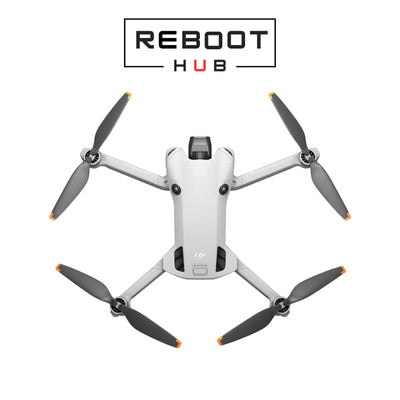
ج: للحصول على لقطات معمارية واضحة وفيديو ثابت لواجهات الكنيسة، تبلغ تكلفة درجة DJI Mini 4 Pro المستخدمة من Reboot Hub 849 دولارًا أمريكيًا (6,620 دولارًا هونج كونج). إذا كنت بحاجة إلى تكبير بصري لعزل منحوتات برج الجرس دون انتهاك قيود الـ 30 مترًا، فإن سعر كاميرا DJI Mavic 3 Pro مع تقريب 7x هو 2,199 دولارًا أمريكيًا (17,150 دولارًا هونج كونج) في حالة الدرجة A+. تشتمل جميع طائرات Reboot Hub بدون طيار على ضمان لمدة 180 يومًا ويتم فحصها عبر 40 نقطة باستخدام أجزاء OEM، لذا فإن الموثوقية طويلة المدى تتوافق مع متطلبات العمل المتوافق مع INAH. قم بتخصيص مبلغ إضافي قدره 150 إلى 300 دولارًا أمريكيًا للتأمين المكسيكي ورسوم التصاريح، مما يجعل نقطة الدخول الإجمالية حوالي 1000 دولار أمريكي لإعداد رحلة قانونية.
س: ماذا يحدث إذا قمت بقيادة طائرة بدون طيار بالقرب من كنيسة تاريخية دون إذن INAH؟

ج: تُقابل الرحلات الجوية غير المصرح بها بعواقب وخيمة. تتراوح الغرامات الإدارية لأول مرة من 2500 دولار إلى 10000 دولار بيزو مكسيكي (135 إلى 540 دولارًا أمريكيًا). إذا حددت السلطات أنك التقطت صورًا للاستخدام التجاري دون اتفاقية حقوق، فستتصاعد العقوبات إلى 50000 بيزو مكسيكي (2700 دولار أمريكي) أو أكثر. يمكن لمفتشي INAH مصادرة طائرتك بدون طيار على الفور؛ يتطلب الاسترداد إثبات الملكية، ودفع رسوم تخزين بقيمة 200 بيزو مكسيكي (11 دولارًا أمريكيًا) يوميًا، ومواجهة شكوى جنائية محتملة بسبب الإضرار بالتراث الثقافي. تمت مصادرة نماذج DJI Mavic 3 الخاصة بالعديد من السائحين الأجانب في عام 2024، مع احتجاز معدات تزيد قيمتها عن 1500 دولار أمريكي لمدة 90 يومًا. كلفتهم العملية القانونية لاستعادة الطائرة بدون طيار ما يقرب من 700 دولار أمريكي. قم دائمًا بتأمين التصريح.
س: هل تقوم شركة Reboot Hub بشحن طائرات بدون طيار إلى مدينة مكسيكو مع تغطية جميع الرسوم الجمركية؟
A: Yes. Reboot Hub offers DDP (Delivered Duty Paid) global shipping from its Shenzhen and Hong Kong warehouses to any address in Mexico City. The price you see at checkout — for example, $849 USD for a DJI Mini 4 Pro Flawless — includes all airfreight, Mexican IVA, and customs brokerage. Delivery takes 5 to 8 business days door‑to‑door. There are no COD charges, storage fees, or surprise invoices. The package is fully insured until you sign for it, and Reboot Hub’s logistics team generates the drone’s serialized commercial invoice accepted by Mexican Aduana. This hassle‑free shipping frees you to focus entirely on the INAH application.
س: ما هو الضمان ودعم الإصلاح الذي توفره Reboot Hub للطائرات بدون طيار المملوكة مسبقًا؟
A: Every drone from Reboot Hub — whether Flawless (Grade A+) or Pristine Pre‑Owned (Grade A) — comes with a 180‑day warranty. This includes coverage for gimbal motor failures, ESC issues, and camera sensor defects. Repairs are performed at the Shenzhen chip‑level facility by MOHRSS Level 3 certified technicians who can replace individual SMD components rather than full boards, keeping USB‑C and ribbon‑cable repair costs as low as $35 USD. Standard turnaround is 3–5 business days from receipt. For Mexico‑based customers, the Hong Kong drop‑off point cuts shipping time and avoids customs re‑entry delays. Extended warranty upgrades to 365 days are available for $89 USD (HK$695) on any drone priced above $800 USD.
س: هل يمكنني استخدام طائرة بدون طيار من سلسلة DJI Mini يقل وزنها عن 250 جرامًا لتجنب متطلبات تصريح INAH؟
ج: لا، لا تعفي INAH الطائرات بدون طيار خفيفة الوزن من حماية التراث الثقافي. ويعتمد شرط التصريح على حالة الموقع المحمية، وليس على كتلة الطائرة. حتى الطائرة DJI Neo التي يبلغ وزنها 135 جرامًا والتي تحلق على مسافة 500 متر من كنيسة تاريخية يجب أن تحصل على تصريح طيران معتمد من INAH. السيناريو الوحيد الذي يهم فيه الوزن هو الحصول على إذن داخلي، حيث يكون من الأسهل قليلاً اقتراح طائرات بدون طيار أقل من 250 جرامًا - ولكنها لا تزال بحاجة إلى ترخيص INAH. تبيع شركة Reboot Hub جهاز DJI Neo Flawless بسعر 199 دولارًا أمريكيًا (1550 دولارًا هونج كونج) إذا كنت تخطط لدمجه مع طلب تصريح، ولكنك لا تحصل على إعفاء أبدًا. خلال حملات الإنفاذ لعام 2024، تلقى مشغلو الطائرات بدون طيار Mini 3 Pro غرامات مماثلة لتلك الخاصة بالنماذج الأثقل.
الأسئلة الشائعة
ما الذي يجب أن أتحقق منه أولاً لكيفية الحصول على تصريح الطائرات بدون طيار للكنائس التاريخية في مدينة المكسيك؟
فصل الاستخدام الترفيهي عن العمل التجاري، ثم التحقق من التسجيل ورخصة الطيار وموافقة المجال الجوي والتأمين وقواعد الخصوصية مع السلطة المختصة.
هل تغير قواعد الطائرات بدون طيار قرار الشراء؟
نعم. يمكن للوزن والكاميرا والحمولة وإعداد البطارية ونوع وحدة التحكم والأوراق تغيير طراز مستعمل DJI العملي.
هل يمكن لهذه المقالة أن تحل محل المشورة القانونية الرسمية؟
لا، تعامل معها كقائمة مرجعية لتخطيط المشتري وقم بتأكيد القواعد الحالية مع هيئة الطيران أو الجمارك أو السلطة المحلية المذكورة.
المصادر الرسمية:AFAC المكسيك (الوكالة الفيدرالية للطيران المدني). تتغير لوائح الطائرات بدون طيار بشكل متكرر - تحقق دائمًا من القواعد الحالية مع هيئة الطيران قبل السفر.
المرجع الفني والمواصفات
للحصول على مواصفات الطراز وملاحظات الإصلاح المدروسة ونقاط الفشل الشائعة وتسعير مستعمل، راجعReboot Hub DJI Drone Wiki— 64 طرازًا وأكثر من 700 قطعة محددة، تمت صيانتها من خلال الإصلاحات الموثقة. تصفح أسهم مستعمل التي تم التحقق منها فيمجموعة مستعمل DJI.
Keep exploring
Further reading
From تاريخ Reboot Hub
From أدلة الطائرات بدون طيار