跳到內容

Available 24/7: (852) 5537 6652

Australian Drone Registration for Imported DJI Phantom 4 RTK Used in Solar Site Surveys

by LauThomas 02 Jul 2026 0 評論

Reboot Hub scenario guide

Buyer brief: license and operating-rule checks

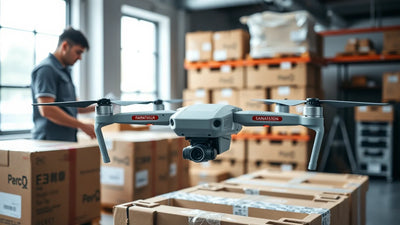
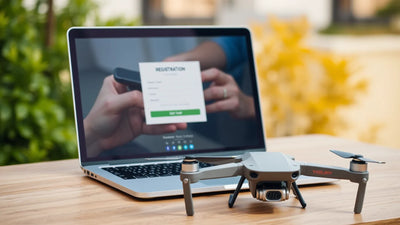
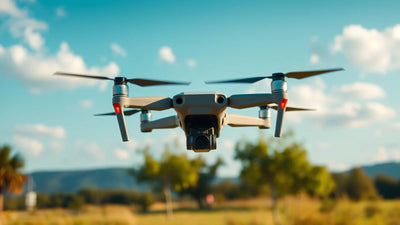
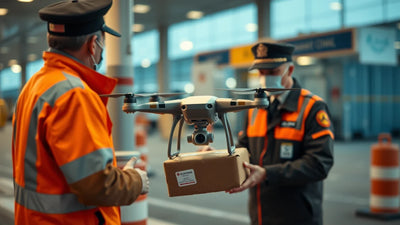
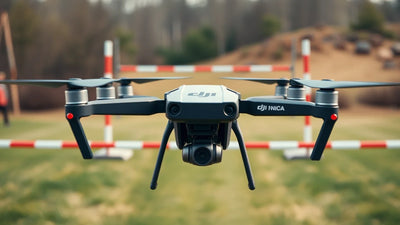
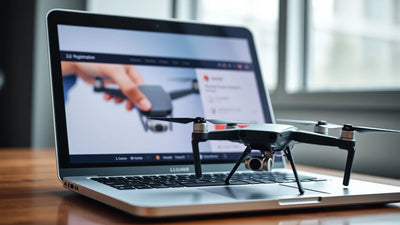
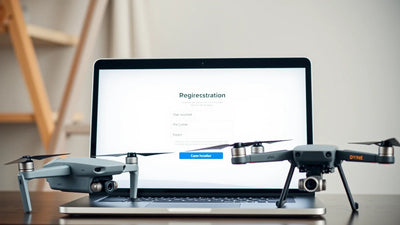
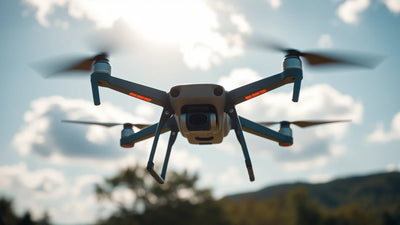
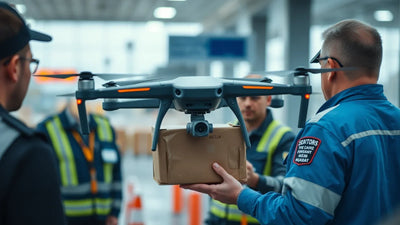
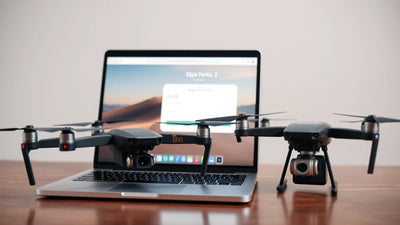
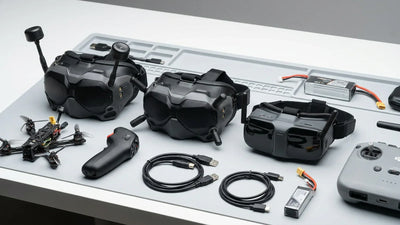
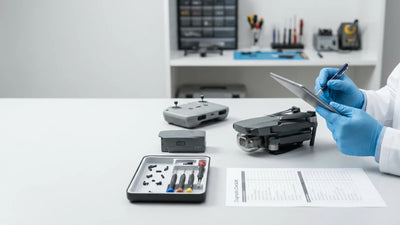
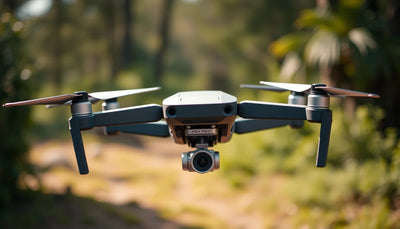
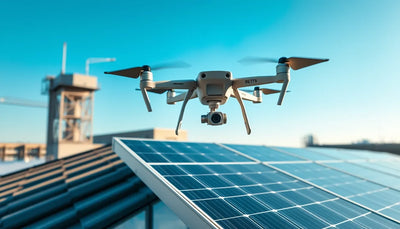
Australian Drone Registration for Imported DJI Phantom 4 RTK — close-up technical detail view

Situation: australian drone registration for imported dji phantom 4 rtk used in solar site surveys. This guide answers the specific situation first, then connects the reader to Reboot Hub's verified pre-owned buying path.

Use case first

Separate recreation, commercial filming, inspection, mining, mapping, and events before interpreting rules.

Authority check

Verify registration, pilot license, restricted airspace, insurance, and privacy rules with the relevant authority.

Buying impact

Rules can change the right model, payload, controller, paperwork, and seller documentation needed before import.

Related Reboot Hub guides: Drone comparison 2026 Customs and VAT guides Warranty and repair guides The Reboot Hub Standard

Australian Drone Registration for Imported DJI Phantom 4 RTK Used in Solar Site Surveys | Reboot Hub

Quick Answer

  • CASA registration is mandatory for any imported Phantom 4 RTK used commercially in Australia — solar site surveys qualify as commercial operations with no exceptions, and registration costs AUD $40 (≈USD $26) per drone annually.
  • Operator accreditation is free through the myCASA portal, but a Remote Pilot License (RePL) costing AUD $1,500–$3,000 (≈USD $980–$1,960) is required for most beyond-visual-line-of-sight solar farm inspections.
  • Reboot Hub offers Pristine Pre-owned Phantom 4 RTK units starting at USD $2,850 (HKD $22,230) with DDP shipping to Australia — customs duties and GST are pre-cleared, saving 5–10 business days versus standard imports.
  • The Phantom 4 RTK weighs 1,391 g, placing it in CASA's sub-2 kg category — registration still applies because the operation is commercial, not recreational.
  • Processing time for CASA drone registration is 1–3 business days online; Reboot Hub ships within 2 business days from Shenzhen/HK, with typical delivery to Sydney, Melbourne, or Brisbane in 7–10 days via DDP.
  • Non-compliance fines reach AUD $11,100 (≈USD $7,250) for individuals and AUD $55,500 (≈USD $36,250) for corporations flying unregistered commercial drones — registration is non-negotiable.

What Are the CASA Registration Requirements for Imported Drones Like the Phantom 4 RTK?

Australia's Civil Aviation Safety Authority (CASA) mandates that every drone flown for commercial purposes must be registered, regardless of where it was purchased. This applies directly to imported DJI Phantom 4 RTK units bought from overseas suppliers like Reboot Hub. The registration process is governed by the Civil Aviation Safety Regulations Part 101, updated in January 2021 to tighten oversight on foreign-acquired aircraft. For solar site survey operators, the Phantom 4 RTK falls under the commercial remotely piloted aircraft (RPA) classification, meaning even a single paid inspection flight triggers the registration obligation.

Related: Can a Surveyor Legally Use DJI Mini 3 Pro for Shoreline Mapp

Critically, CASA does not distinguish between pre-owned units purchased domestically and pre-owned imports. A Reboot Hub Flawless (A+) Phantom 4 RTK — activation-only, never flown — carries the same registration requirement as a unit purchased from an Australian retailer at 2.2× the price (≈USD $6,800 new versus USD $2,850 pre-owned). The operator must register the drone via the myCASA online portal by providing the aircraft's serial number, make, model, weight, and intended operational use. Registration must be renewed annually at AUD $40 (≈USD $26) per aircraft. Operators managing fleets of 3–5 Phantom 4 RTK units for large-scale solar farm contracts should budget AUD $120–$200 (≈USD $78–$131) annually in recurring registration fees alone.

Related: Best Drones for Fishing Bait Release in Colombia 2024 (Aeroc

Additionally, all commercial drone operators must hold operator accreditation, which is free and completed online in under 30 minutes. However, solar site surveys often require flying beyond visual line of sight (BVLOS) or within 30 metres of structures not under the operator's control — both of which demand a Remote Pilot License (RePL). An RePL course through a CASA-approved provider costs AUD $1,500–$3,000 (≈USD $980–$1,960) and takes 5–7 days of training plus a flight assessment. The RePL is valid for 3 years. Without both registration and appropriate licensing, insurance policies — including public liability coverage required by most solar farm clients — become void.

How Much Does Australian Drone Registration Cost for a Phantom 4 RTK?

The direct CASA registration fee is straightforward: AUD $40 (≈USD $26/HKD $203) per drone per year. This fee is flat-rate and applies identically to a DJI Phantom 4 RTK imported from Reboot Hub in Shenzhen or a unit purchased locally. However, the total compliance cost for a commercial solar survey operator extends well beyond the registration line item. Below is a breakdown of the complete cost stack for legally operating an imported Phantom 4 RTK in Australia:

Cost Item Amount (AUD) Amount (USD) Frequency Notes
CASA Drone Registration $40 ≈$26 Annual Per aircraft; mandatory for commercial use
Operator Accreditation $0 $0 Once (renew every 3 years) Free via myCASA portal; 30-minute online process
Remote Pilot License (RePL) $1,500–$3,000 ≈$980–$1,960 Every 3 years Required for BVLOS and complex airspace ops
Public Liability Insurance $800–$2,500 ≈$523–$1,634 Annual Minimum $10M cover typically required by solar farms
Phantom 4 RTK (New — DJI Retail, if available) $9,500–$10,500 $6,800–$7,500 One-time Discontinued; limited remaining stock globally
Phantom 4 RTK (Reboot Hub — Flawless A+) $4,100–$4,500 $2,850–$3,100 One-time Activation-only; multi-point inspected; 180-day warranty
Phantom 4 RTK (Reboot Hub — Pristine A) $3,600–$4,000 $2,500–$2,800 One-time Minimal use; zero visible marks; same warranty
DDP Shipping (Reboot Hub to AU) $0 (included) $0 (included) Per order Covers customs, GST, duties; 7–10 day delivery

The cost advantage of sourcing a pre-owned Phantom 4 RTK from Reboot Hub is substantial: a Flawless (A+) unit saves approximately USD $3,700–$4,400 (≈AUD $5,400–$6,400) compared to chasing down scarce new retail inventory. When annual CASA fees are factored in, the first-year all-in cost for a commercially registered Reboot Hub Phantom 4 RTK — including RePL training, insurance, and registration — totals roughly USD $4,850–$6,560, versus USD $8,800–$10,960 for a new unit. This 45–50% cost reduction does not compromise compliance; CASA registration criteria are identical regardless of whether the drone is new or pre-owned.

Which DJI Phantom 4 RTK Model Grade Is Best for Australian Solar Site Surveys?

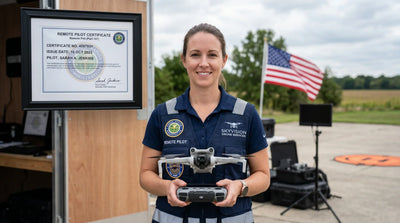
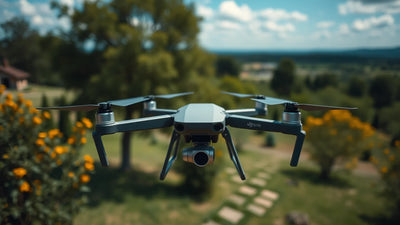
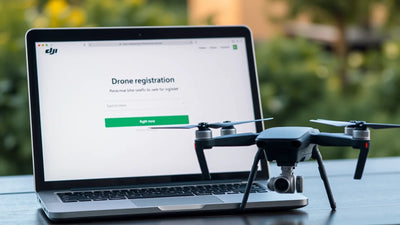
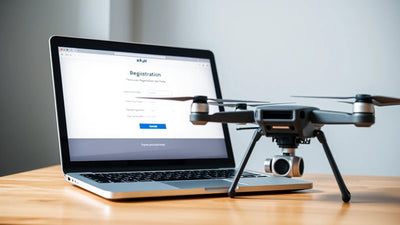
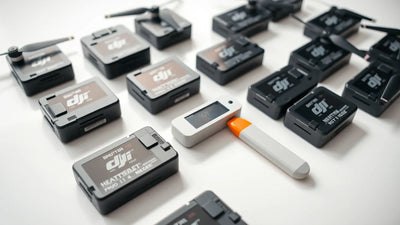
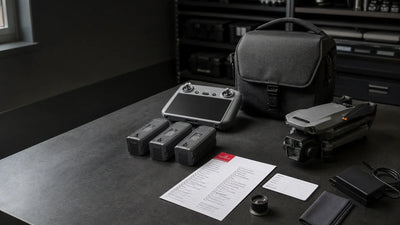
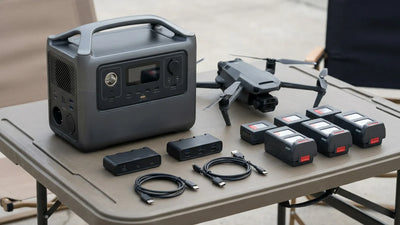
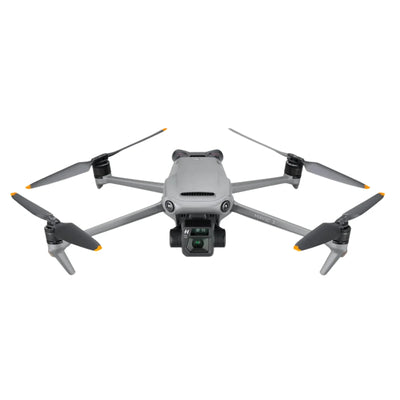
Australian Drone Registration for Imported DJI Phantom 4 RTK — workspace and equipment setup

Solar site survey operators in Australia face specific demands: centimetre-level accuracy for topographical mapping, reliable GNSS reception across vast open sites (often 50–500 hectares), and consistent flight performance in temperatures ranging from 5°C to 45°C across regions from Victoria to Queensland. The DJI Phantom 4 RTK delivers this with its integrated D-RTK 2 GNSS module, achieving 1 cm + 1 ppm horizontal accuracy and 1.5 cm + 1 ppm vertical accuracy — specifications that meet the Australian solar industry's standard for pre-construction site analysis and ongoing panel degradation monitoring.

Reboot Hub offers two grades of the Phantom 4 RTK, and the choice between them depends on budget and operational requirements:

Flawless (A+) Grade — USD $2,850–$3,100: These units have been activated but never flown. The battery cycle count is zero or one (factory test only). The RTK module has never been field-deployed, meaning the GNSS calibration remains factory-fresh. For solar survey firms requiring maximum precision for initial site grading and foundation planning — where 2–3 cm of vertical error can misalign hundreds of panel rows — the Flawless grade provides new-unit performance at 58% below retail. Each unit undergoes Reboot Hub's multi-point inspection at the Shenzhen facility, where MOHRSS Level 3 technicians verify GNSS lock time (target: under 45 seconds), IMU calibration drift, and gimbal axis alignment to within 0.1°.

Pristine Pre-Owned (A) Grade — USD $2,500–$2,800: These drones show minimal use — typically 5–20 flight hours — with zero visible marks on the airframe, camera housing, or RTK antenna. Battery health is verified at ≥95% of original capacity, and motor bearings are inspected for acoustic signatures indicating wear (any unit exceeding 0.3 dB above baseline is rejected). For operators running ongoing solar farm maintenance surveys — flying 3–4 sites per week — the Pristine (A) grade offers a 12–15% price reduction versus Flawless while delivering identical RTK accuracy in field conditions. The 180-day warranty covers the RTK module, gimbal, and flight controller, with a 3–5 day repair turnaround at Reboot Hub's Shenzhen chip-level facility if issues arise.

Both grades ship with DDP terms, meaning the landed cost — including Australian GST (10%), customs clearance, and import duties — is paid before dispatch. There are no surprise charges upon delivery in Sydney, Melbourne, Brisbane, or Perth.

What Is the Step-by-Step Registration Process for an Imported Phantom 4 RTK in Australia?

Registering an imported DJI Phantom 4 RTK with CASA follows a specific sequence, particularly important when the drone arrives from an overseas supplier like Reboot Hub. The process includes pre-import documentation checks and post-delivery registration steps. Here is the complete workflow, refined for operators dealing with cross-border acquisitions:

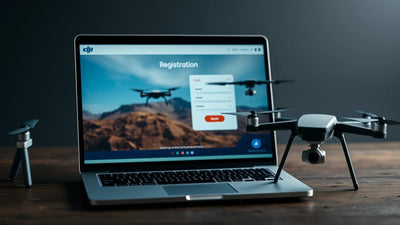
Step 1 — Obtain Operator Accreditation (Before Ordering): Visit the myCASA portal and complete the free operator accreditation. This requires an Australian identity document (passport or driver's license) and takes approximately 25–35 minutes. The accreditation number is issued immediately and remains valid for 3 years. Without it, you cannot legally register any drone. Cost: AUD $0.

Step 2 — Complete RePL Training (If Required): Determine whether your solar survey operations require a Remote Pilot License. If you fly within standard operating conditions — within visual line of sight, under 120 m altitude, more than 30 m from people, and outside restricted airspace — you may operate under the excluded category with only operator accreditation. However, most commercial solar farm surveys breach one of these limits, triggering the RePL requirement. CASA-approved training providers offer 5-day intensive courses at AUD $1,500–$3,000. Book these 4–6 weeks in advance; availability in regional areas is limited.

Step 3 — Purchase and Take Delivery of the Phantom 4 RTK: Order from Reboot Hub with DDP shipping. The unit departs Shenzhen or Hong Kong within 2 business days of payment. Delivery to major Australian cities takes 7–10 business days. Upon arrival, record the drone's serial number (located inside the battery compartment and on the original packaging label). This serial number is the primary identifier for CASA registration.

Step 4 — Register the Drone on myCASA: Log into the myCASA portal, navigate to "RPAS Registration," and enter: serial number, manufacturer (DJI), model (Phantom 4 RTK), weight (1,391 g), and intended operation type (commercial — aerial survey/photogrammetry). Pay the AUD $40 registration fee via credit card. The registration certificate is issued within 1–3 business days and must be carried — digitally or printed — during all flight operations.

Step 5 — Affix Registration Markings: CASA requires the registration number to be displayed on the drone in characters at least 3 mm tall, in a visible location. Many operators use a label maker or permanent marker on the Phantom 4 RTK's underside. Failing to display the marking attracts an on-the-spot fine of AUD $1,110 (≈USD $725).

Step 6 — Verify Insurance Coverage: Most Australian solar farm contracts mandate $10–$20 million public liability insurance for drone operators. Confirm with your insurer that imported pre-owned equipment is covered — Reboot Hub's 180-day warranty documentation and multi-point inspection report are typically accepted as proof of airworthiness. Annual premiums range from AUD $800 to AUD $2,500 depending on coverage limits and operational history.

Why Buy from Reboot Hub?

Reboot Hub supplies Pristine Pre-owned DJI Phantom 4 RTK drones — not pre-owned, but individually graded units sourced from low-usage commercial fleets and surplus inventory across Asia-Pacific. Every drone passes a multi-point inspection protocol at the Shenzhen facility, where MOHRSS Level 3 certified technicians validate RTK module precision, battery cell balance (deviation must not exceed 0.02 V across cells), gimbal calibration, and motor acoustic profiles. Only genuine OEM replacement parts are used if any component fails inspection — third-party alternatives are never substituted. Each unit is backed by a 180-day warranty covering the flight controller, RTK positioning system, gimbal assembly, and power system. Chip-level repairs are handled in-house at the Shenzhen facility with a 3–5 business day turnaround; Hong Kong-based operators can use the HK drop-off point for faster service. DDP shipping to Australia means all customs duties, GST, and clearance fees are pre-paid — the price shown at checkout is the final landed cost, with no additional charges upon delivery. For Australian solar survey operators seeking the Phantom 4 RTK's unmatched RTK accuracy without the discontinued model's inflated new-retail pricing, Reboot Hub delivers a 45–58% cost reduction with compliance-ready documentation accepted by CASA and Australian insurers alike.

Scenario solution path

Keep this answer connected to the Reboot Hub scenario library

This article belongs to the Rules / license branch. Use the hub to compare nearby buyer questions, checks, and next-step guides.

Open the Rules / license scenario path

Frequently Asked Questions

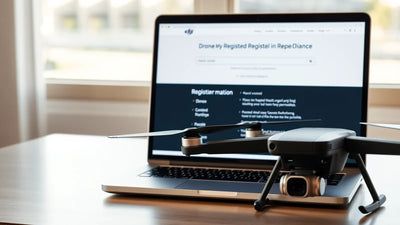
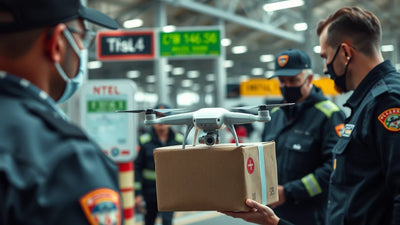
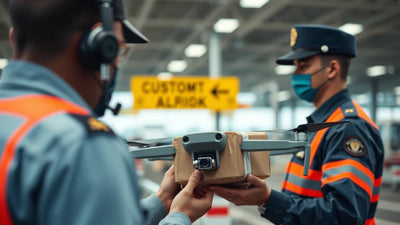
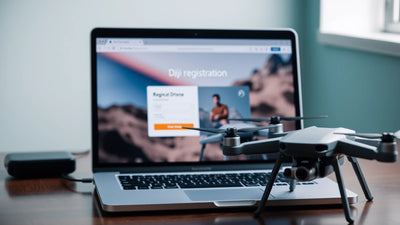
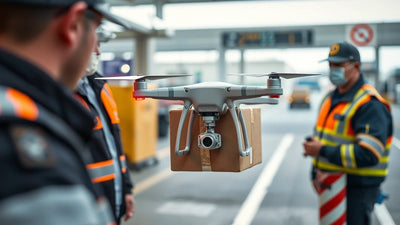
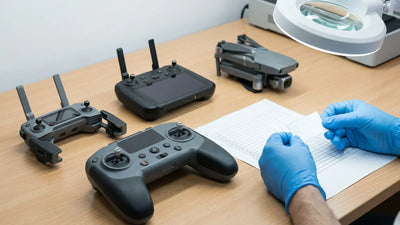
Australian Drone Registration for Imported DJI Phantom 4 RTK — professional inspection and process

Q: Do I need to register an imported Phantom 4 RTK with CASA before flying it at a solar farm?

A: Yes — CASA requires registration before the first commercial flight, not after. An imported Phantom 4 RTK from Reboot Hub is subject to the same rule as a locally purchased unit. Registration via myCASA costs AUD $40 (≈USD $26) per drone annually. You must have your operator accreditation completed (free, 30 minutes online) before you can register the aircraft. Flying an unregistered drone on a commercial solar site — even for a test flight or client demonstration — carries a maximum penalty of AUD $11,100 (≈USD $7,250) for individuals. Registration takes 1–3 business days to process, so plan your purchase timeline accordingly. Reboot Hub ships within 2 business days, giving you a window to complete accreditation while the unit is in transit via DDP (7–10 days to Australian metro areas).

Q: Can I use a pre-owned Phantom 4 RTK for commercial solar surveys in Australia, or does CASA require new equipment?

A: CASA imposes no requirement for drones to be purchased new. A pre-owned Phantom 4 RTK — whether Reboot Hub Flawless (A+) at USD $2,850 or Pristine (A) at USD $2,500 — is fully eligible for commercial registration provided it meets airworthiness standards. The operator bears responsibility for ensuring the aircraft is safe to fly. Reboot Hub's multi-point inspection, genuine OEM parts policy, and 180-day warranty provide documented evidence of airworthiness that satisfies CASA's general safety obligation under CASR Part 101.055. Solar farm clients in Western Australia, Queensland, and New South Wales routinely accept pre-owned RTK drones when accompanied by the inspection report and warranty certificate. The RTK module's centimetre-level accuracy is verified during inspection, ensuring the 1 cm + 1 ppm horizontal precision required for solar site topographical surveys is maintained regardless of prior ownership.

Q: What happens if CASA discovers I am flying an unregistered imported drone commercially?

A: CASA conducts compliance checks at known commercial drone operation sites, including solar farms, construction zones, and mining operations. Penalties are tiered: a first offence for operating an unregistered commercial drone can result in an infringement notice of AUD $1,110 (≈USD $725) for individuals or AUD $5,550 (≈USD $3,625) for corporations. If the matter proceeds to court — typically for repeat offences or incidents involving property damage — maximum penalties rise to AUD $11,100 (≈USD $7,250) for individuals and AUD $55,500 (≈USD $36,250) for body corporates. Beyond fines, CASA may suspend or cancel operator accreditation, effectively barring the individual from commercial drone operations for up to 12 months. Insurance policies universally exclude unregistered aircraft, meaning any damage to solar panels, inverters, or third-party property during an unregistered flight is a personal financial liability. Registration at AUD $40 per year is the single most cost-effective compliance measure available to Australian drone operators.

Q: How long does the entire process take — from ordering a Phantom 4 RTK from Reboot Hub to being legally operational in Australia?

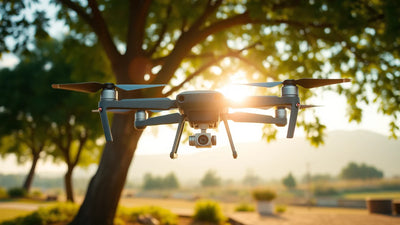
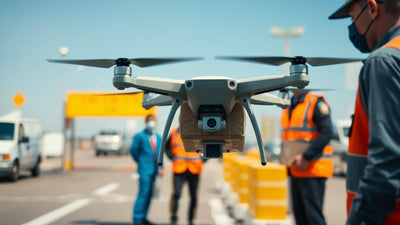
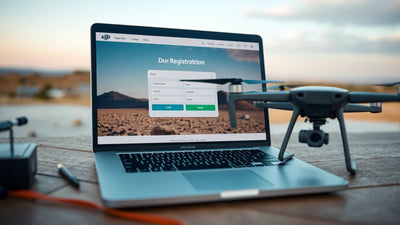
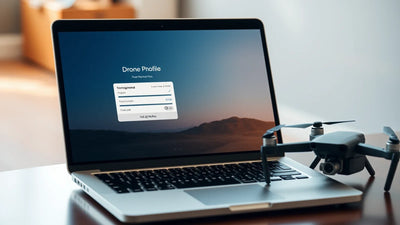
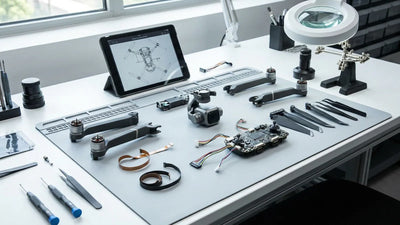
Australian Drone Registration for Imported DJI Phantom 4 RTK — results and comparison demonstration

A: The critical path runs approximately 14–21 business days from order placement to compliant commercial flight. Here is the breakdown: Reboot Hub processes and ships within 2 business days; DDP transit from Shenzhen/HK to Australian capital cities takes 7–10 business days; CASA drone registration processes in 1–3 business days after delivery (you need the serial number, which is on the unit itself). Operator accreditation takes 30 minutes online and can be completed before ordering. The variable factor is the Remote Pilot License (RePL): if your solar survey work requires it, RePL training courses run 5–7 days and may need to be booked 4–6 weeks ahead due to limited course availability in regional centres. Operators already holding an RePL can be airborne within 10–13 business days of clicking "order" on Reboot Hub. The free DDP shipping eliminates customs clearance delays that typically add 3–7 business days to non-DDP imports.

Q: Does Reboot Hub's 180-day warranty cover drones used for commercial operations in Australia?

A: Yes — the 180-day warranty applies without distinction between commercial and recreational use. Coverage includes the Phantom 4 RTK's flight controller, RTK positioning module, gimbal assembly, camera sensor, and power distribution system. Battery coverage is limited to 90 days and requires a minimum of 70% of original capacity to remain within warranty terms. The warranty does not cover crash damage, water ingress, or damage resulting from third-party modifications. Repairs are performed at Reboot Hub's Shenzhen chip-level facility by MOHRSS Level 3 technicians with a 3–5 business day turnaround. For Australian operators, return shipping for warranty service is arranged via DDP reverse logistics — Reboot Hub covers the shipping cost for warranty-approved repairs. The multi-point inspection report provided with each unit serves as the baseline condition document, and any deviation attributable to manufacturing or pre-existing defects (not operator-caused) is covered. Australian solar survey operators should retain the inspection report for insurance purposes; it is accepted by major Australian drone insurers as evidence of pre-coverage airworthiness.

Q: What documents do I need to present to CASA or an insurer for an imported Phantom 4 RTK?

A: For CASA registration, you need: (1) the drone's serial number (from the battery compartment label), (2) make and model (DJI Phantom 4 RTK), (3) takeoff weight (1,391 g), and (4) your operator accreditation number. No import documentation is required by CASA — the drone's origin country is not a registration criterion. For Australian insurers, you typically need: (1) proof of CASA registration and operator accreditation, (2) RePL certificate if applicable, (3) the drone's purchase receipt or invoice from Reboot Hub showing the unit price paid (USD $2,500–$3,100 depending on grade), (4) Reboot Hub's multi-point inspection report, and (5) the 180-day warranty certificate. Insurers may also request flight log records once operations commence. Reboot Hub provides all documentation digitally at the time of shipment; printed copies are not included by default but can be requested. The DDP shipping invoice serves as proof of GST payment for Australian Tax Office purposes — the 10% GST on imported drones valued above AUD $1,000 is pre-cleared by Reboot Hub's logistics partner.

Q: Are there any additional state-level drone regulations in Australia that affect Phantom 4 RTK solar survey operations?

A: CASA governs Australian airspace nationally, and drone registration is a federal requirement — individual states do not impose separate drone registration schemes. However, state and local regulations affect where you can take off and land. For example, New South Wales requires council approval for drone takeoff from public land in many local government areas; Queensland restricts drone operations in certain state forests and national parks without a permit (permit fees range AUD $50–$250); Victoria prohibits drone operations over designated critical infrastructure without prior written consent. Solar farms are typically on private land, reducing these concerns, but operators should verify with the landowner that drone operations are permitted under the site's lease or operational agreement. Additionally, some solar farms in regional Australia fall within 5.5 km of non-controlled aerodromes — flying within this radius requires CASA notification or approval depending on airspace classification. The Phantom 4 RTK's DJI Pilot app includes geofencing data, but Australian operators should cross-reference with CASA's OpenSky platform (free) before each flight to confirm airspace status. No state-level registration fees apply — the AUD $40 federal CASA registration is the sole government charge for the drone itself.

FAQ

What should I check first for australian drone registration for imported dji phantom 4 rtk used in solar site surveys?

Separate recreational use from commercial work, then verify registration, pilot license, airspace approval, insurance, and privacy rules with the relevant authority.

Do drone rules change the buying decision?

Yes. Weight, camera, payload, battery setup, controller type, and paperwork can change which pre-owned DJI model is practical.

Can this article replace official legal advice?

No. Treat it as a buyer planning checklist and confirm current rules with the named aviation, customs, or local authority.

上一篇文章
下一篇文章

留下評論

請注意,評論需要先經過審核才能發佈。

感謝訂閱!

此電子郵件已被註冊!

購買整體造型

選擇選項

編輯選項
Back In Stock Notification
this is just a warning
登入
購物車
0 項目
0%