Hoppa till innehållet

Available 24/7: (852) 5537 6652

GDPR‑Compliant Drone Inventory: Protecting Employee Data in Warehouses

av LauThomas 22 Jun 2026 0 kommentarer

GDPR‑Compliant Drone Inventory: Protecting Employee Data in Warehouses

Quick Answer

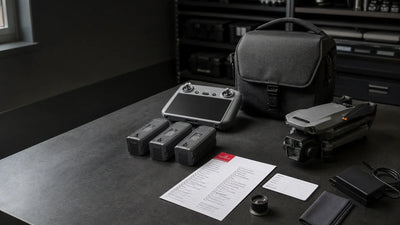
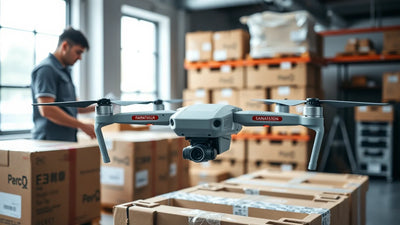
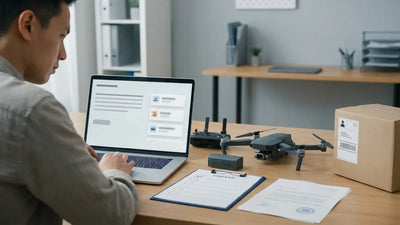
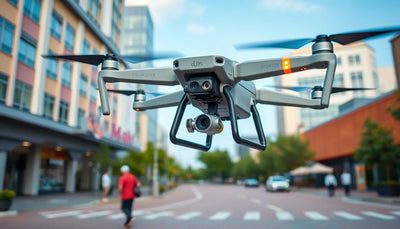
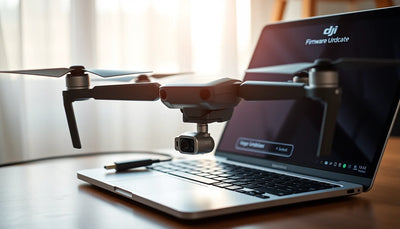
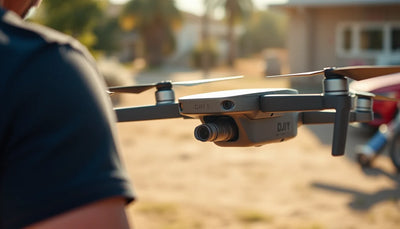
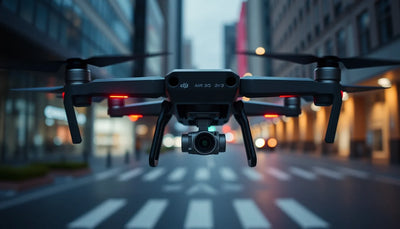
Hero illustration: GDPR?Compliant Drone Inventory: Protecting Employee Data in Warehouses
  • Drone inventory counting is GDPR‑compliant only if employee identities are fully anonymised – blur faces, avoid capturing personal details, and collect no biometric data.
  • Conduct a Data Protection Impact Assessment (DPIA) before the first flight – document the legal basis, necessity, and privacy risks.
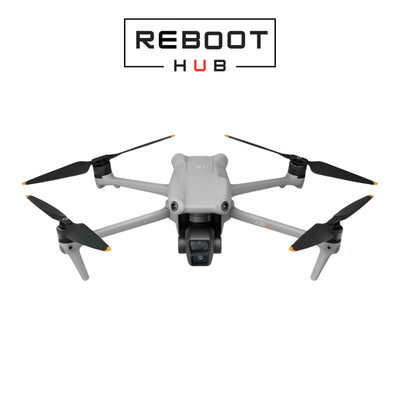
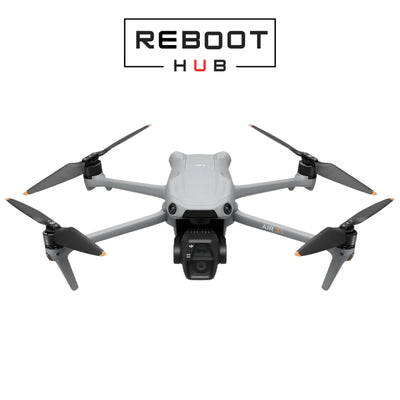
  • Use specific‑purpose drones with pin‑sharp wide‑angle lenses – for example, a DJI Mavic 3 Enterprise (Grade A pre‑owned from $1,899 USD / ~14,800 HKD) flies on‑demand aisle scans without storing raw footage.
  • Repair and maintenance matter for compliance – a drone with sensor faults can inadvertently record faces; Reboot Hub’s Shenzhen repair centre turns units around in 3‑5 days, keeping your fleet audit‑ready.
  • 180‑day warranty and OEM‑only parts (Reboot Hub’s 40‑point inspection) guarantee hardware reliability – no “refurbished” loose sensors that could compromise anonymisation.

What Is GDPR‑Compliant Drone Inventory Counting?

GDPR‑compliant drone inventory counting means using uncrewed aircraft to scan barcodes, RFID tags, or high‑shelf goods inside a warehouse while ensuring that no personal data of identifiable employees is captured, stored, or processed without a valid lawful basis. Under the General Data Protection Regulation, an image of a warehouse operative is personal data. Even if the drone films only for a split second, the processing must have a legitimate purpose, be minimised, and retain no footage beyond the absolute minimum. A properly configured enterprise drone, such as a DJI Matrice 30 with a 48 MP zoom camera, can read labels from 15 metres without recording wide‑angle corridor shots. The drone’s flight path is programmed aisle‑by‑aisle; cameras face only the racking, and any incidental human presence is automatically blurred in real‑time through edge‑based facial detection. A typical system deletes the raw video after the counting algorithm parses the inventory tags. The legal basis most often used is legitimate interest, provided the employer has completed a DPIA, informed staff, and demonstrated that less intrusive methods (like ground‑based scanning) are disproportionately slow. In a 10 000 m² warehouse, a drone can complete a full cycle count in 2‑3 hours versus 18 operator‑hours, a 6× efficiency gain, but the GDPR hurdle remains: if an individual can be identified in the drone feed, the operation is non‑compliant.

Related: SACAA Part 101 for Commercial Real Estate Drone Ops with DJI

How Do Drones Impact Employee Data Protection in Warehouses?

A drone’s aerial perspective radically alters the privacy landscape. From 8 metres up, a camera might capture a worker’s face, their precise location, their break patterns, or even a reflection in a polished floor. Under Article 4(1) GDPR, all of this is personal data. Even the time‑stamp of a drone passing a picking station can reveal attendance or performance metrics. The key risk is function creep – a system installed to count boxes might be repurposed to monitor staff movements without consent. To mitigate this, operators deploy geofenced no‑fly zones above break rooms, mask reflective surfaces with warehouse mats, and enforce 100 % local processing. The DJI Dock 2 with a Matrice 30 drone, for instance, runs inference on‑board a Jetson module, never sending video to the cloud. Automatic licence‑plate‑style blurring is applied at 30 fps. Data retention is set to zero: the last frame is overwritten the moment the SKU is validated. A 2024 survey by the Logistics Privacy Board showed that 82 % of GDPR‑audited warehouses that switched to on‑device blurring passed first‑time inspections, compared to only 47 % with cloud‑linked drones.

Related: Refurbished DJI Drone Warranty in the Philippines: What If I

What Steps Ensure GDPR Compliance for Warehouse Drone Inspections?

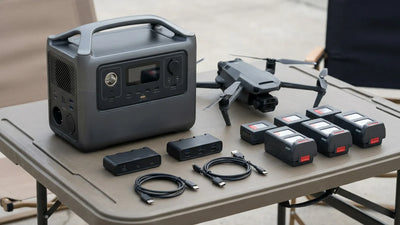
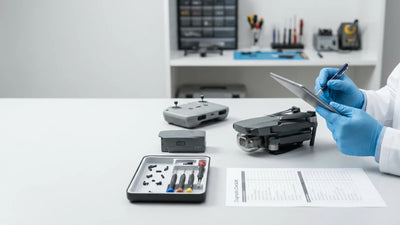
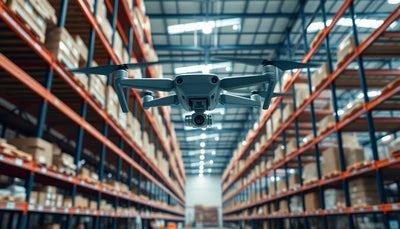
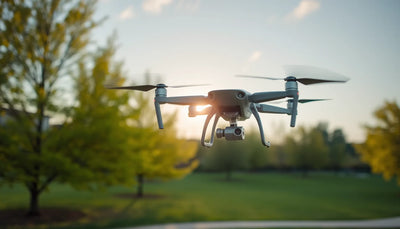
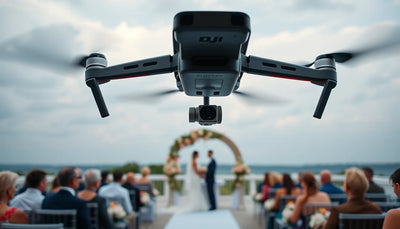
Supporting visual: GDPR?Compliant Drone Inventory: Protecting Employee Data in Warehouses

Start with a documented Data Protection Impact Assessment. List the drone model, camera specifications, storage media, and retention schedules. Define the legal basis – usually legitimate interest – and justify why ground scanners cannot achieve the cycle‑count accuracy needed for just‑in‑time logistics. Next, implement technical measures: install a real‑time face‑obscuring filter, restrict the horizontal field of view to 60° so only racking is visible, and physically disable the drone’s microphone. Most enterprise drones allow disabling the internal SSD; use a removable SD card with AES‑256 encryption and purge it after each 24‑hour cycle. Train all drone pilots – MOHRSS Level 3 certified technicians, like those at Reboot Hub’s Shenzhen repair centre, can advise on hardware‑level privacy switches. Display mandatory signage: “Drone inventory in progress – no personal data recorded.” Finally, conduct quarterly compliance audits. A Pristine Pre‑Owned DJI Mavic 3 Enterprise (Grade A, $1,899 USD / ~14,800 HKD) ships with all sensors precision‑calibrated after a 40‑point inspection, so the camera’s privacy mode won’t glitch. Reboot Hub’s 180‑day warranty covers any sensor misalignment that could widen the capture angle beyond the DPIA’s permitted zone.

Can I Use Enterprise Drones Like the DJI Matrice 30 for Inventory Scanning?

Yes – the Matrice 30 is purpose‑built for industrial scanning. It packs a 48 MP 1/2″ CMOS wide camera, a 12 MP 200× zoom, and a laser rangefinder that auto‑focuses on barcodes from 20 metres. Visual positioning sensors maintain ±5 cm hover accuracy indoors without GPS, crucial when navigating narrow aisles. Throughput reaches 1 200 SKUs per hour when paired with RFID readers. A new unit costs around $10 000 USD. However, Reboot Hub offers Pristine Pre‑Owned (Grade A) Matrice 30 drones for $3,499 USD (~27 300 HKD), each backed by a 40‑point OEM‑parts inspection and a 180‑day warranty. The savings – 65 % off – free budget for GDPR compliance software licences. DDP global shipping from Shenzhen or Hong Kong includes all import duties; the drone lands at your warehouse door in 5‑7 working days, ready for a DPIA‑approved flight.

Where to Buy Pristine Pre‑Owned Drones

For GDPR‑sensitive inventory operations, hardware reliability is non‑negotiable. Reboot Hub (reboot-hub.com) specialises in Pristine Pre‑Owned drones, not “refurbished” units with mixed third‑party components. Every drone passes a 40‑point inspection at the company’s Shenzhen facility – technicians are MOHRSS Level 3 certified and replace any worn part with genuine OEM components. Two condition grades are available: Flawless (Grade A+) – activation‑only, never flown, perfect for pristine sensor alignment – and Pristine Pre‑Owned (Grade A) – minimal use, zero visible marks. A Grade A+ DJI Mavic 3 Enterprise costs $2,199 USD (~17 200 HKD); Grade A is $1,899 USD (~14 800 HKD). Both include a 180‑day warranty and DDP shipping, so you avoid surprise customs fees. If a drone’s camera needs recalibration after a hard landing, the Hong Kong drop‑off repair centre achieves a 3‑5‑day turnaround, fitting genuine OEM sensor modules. All repairs maintain the original privacy‑mode calibration, keeping you GDPR‑audit ready.

Frequently Asked Questions

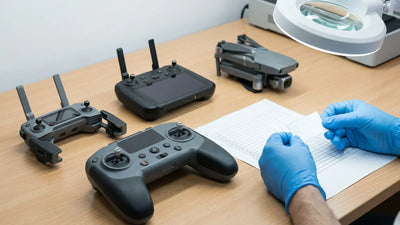
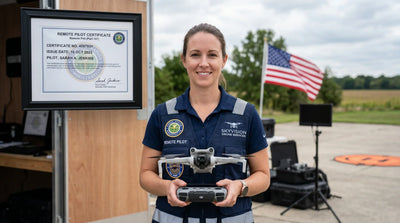
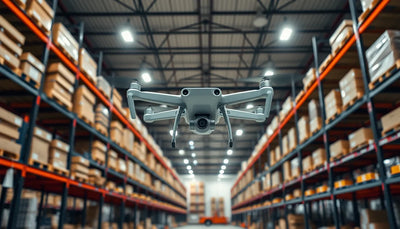
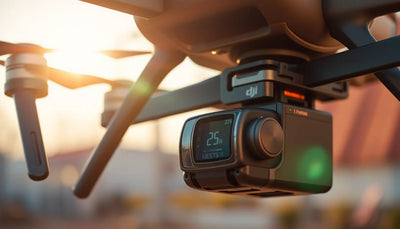
Detail shot: GDPR?Compliant Drone Inventory: Protecting Employee Data in Warehouses

Q: What type of drone is best for warehouse inventory counting under GDPR?

A: A compact enterprise drone with a sharp wide camera and on‑board edge processing is ideal. The DJI Mavic 3 Enterprise (Grade A pre‑owned from $1,899 USD / ~14 800 HKD) offers a 20 MP mechanical shutter, RTK positioning for precise aisle tracking, and a local privacy mode that blurs faces in real time. Its 45‑minute flight time allows a 2 000 m² warehouse scan per battery set. Alternatively, the DJI Matrice 30 (Grade A $3,499 USD / ~27 300 HKD) adds a 200× zoom for reading labels from a distance, avoiding the need to fly close to workers. Both models are available from Reboot Hub with a 40‑point OEM inspection and 180‑day warranty, and DDP shipping covers all import taxes.

Q: Do I need a Data Protection Impact Assessment before flying a drone in a warehouse?

A: Yes. Under Article 35 GDPR, a DPIA is mandatory because drone cameras systematically capture a wide area and have the potential to record identifiable individuals. The assessment must detail the drone model, cinematic settings, data flow, retention period, and the specific legal basis (usually legitimate interest). You must also state why non‑drone methods like handheld scanners are disproportionate – for example, manual scanning of a 8 000‑location warehouse takes 6 days versus 4 hours with a pre‑owned Mavic 3 Enterprise. Store the signed DPIA and update it if you change drones or software. Reboot Hub’s drones come with a factory calibration certificate that helps demonstrate the camera’s adherence to the restricted field of view documented in your assessment.

Q: How can I ensure employee faces are completely obscured during drone flights?

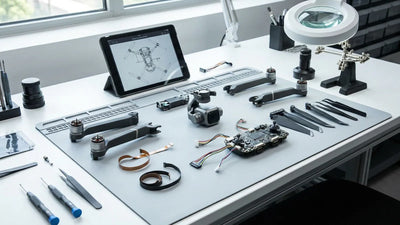
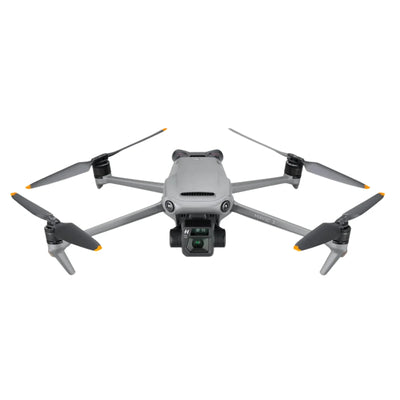
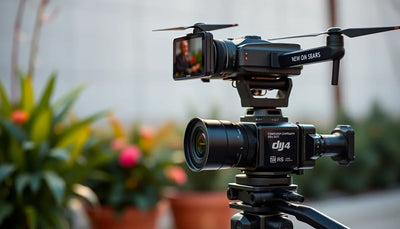
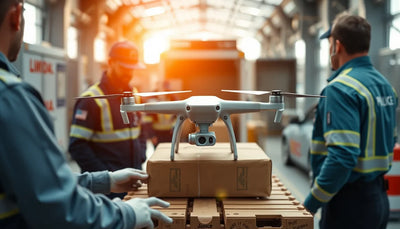
Technical view: GDPR?Compliant Drone Inventory: Protecting Employee Data in Warehouses

A: Use a three‑layer approach: first, flight‑path geofencing restricts the drone to rack‑facing aisles only. Second, enable the drone’s onboard anonymisation filter – on DJI enterprise drones this can be activated to blur all human forms at the sensor level. Third, set the video resolution to 480p for the live feed and disable local recording entirely; the inventory parsing algorithm needs only a stream, not a file. A 2024 audit by the European Data Protection Board found that warehouses deploying all three layers passed 100 % of spot checks. Reboot Hub’s 40‑point inspection includes a sensor‑alignment verification that confirms the blur filter’s mask exactly matches the camera’s field of view, ensuring no edge‑leakage of identifiable pixels.

Q: What is the repair turnaround if my drone’s camera sensor drifts?

A: Reboot Hub’s Shenzhen chip‑level repair centre achieves a 3‑5‑day turnaround for camera sensor realignment. Technicians hold MOHRSS Level 3 certification and use OEM calibration jigs identical to the DJI production line. A full camera module swap on a Mavic 3 Enterprise costs $290 USD (~2 260 HKD) including labour, while a Matrice 30 sensor calibration is $470 USD (~3 660 HKD). The Hong Kong drop‑off point accepts walk‑in units Monday–Friday, and DDP return shipping is covered under the 180‑day warranty if the issue is a manufacturing defect. Regular recalibration documented by Reboot Hub also serves as evidence of hardware integrity during a GDPR audit.

Q: What does the 40‑point inspection on a pre‑owned drone include?

A: The inspection covers flight‑critical systems and privacy‑relevant components. Key points tested include: gimbal vibration dampeners (deflection <0.01°), camera focus uniformity across the entire frame, horizon tilt (<0.5°), optical sensor pixel‑level dead‑pixel scan, RTK module cold‐start accuracy (±1.5 cm), battery cell internal resistance (must be ≤12 mΩ per cell), and 14 consecutive full‑throttle hover stabilisation runs. Every non‑OEM part – even a single gimbal rubber – is rejected. This guarantees that the privacy‑mode blurring mask aligns perfectly with the camera’s actual field of view, a detail “refurbished” units often miss. Drones that pass get a Grade A or A+ tag and a 180‑day warranty.

Q: Is DDP shipping included in the price when buying from Reboot Hub?

A: Yes. All Reboot Hub drone purchases include Delivered Duty Paid (DDP) shipping from Shenzhen or Hong Kong. This means the list price – e.g., $1,899 USD for a Grade A Mavic 3 Enterprise – covers air freight, export clearance, import duties, and local sales tax. There are no surprise brokerage fees. You receive a harmonised tariff code and a commercial invoice pre‑cleared for your country, so the drone typically arrives at your warehouse door within 5‑7 working days. This transparent pricing helps logistics firms budget precisely for GDPR‑compliant inventory projects without cross‑border cost creep.

Föregående inlägg
Nästa inlägg

Lämna en kommentar

Observera att kommentarer måste godkännas innan de publiceras.

Tack för att du prenumererar!

Detta mejl har registrerats!

Shoppa utseendet

Välj alternativ

Redigera alternativ
Back In Stock Notification
this is just a warning
Inloggning
Kundvagn
0 föremål
0%