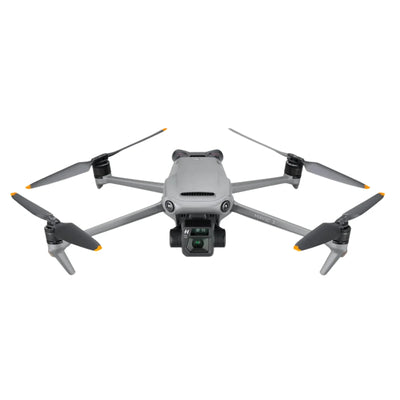
Är DJI Mini 3 Pro användbar för att hitta försvunna personer i spanska skogar?
Reboot Hub köparens åtgärd
Vad du ska göra innan du agerar på den här guiden
Sidkontext:Är DJI Mini 3 Pro användbar för att hitta försvunna personer i spanska skogar? Använd artikeln som en riskchecklista och gå sedan till en verifierad köp-, garanti- eller säljarkontrollväg innan köp.
Kontrollera bevis
Matcha serienummer, faktura, aktiveringsstatus, batteristatus, kontrollerparning och livetestbevis innan pengarna flyttas.
Behandla plattformar som risksignaler
Använd tredjepartsannonser för prissammanhang, inte som bevis på att en enhet är säker eller användbar.
Flytta till en åtgärdssida
Jämför risken mot Reboot Hub:s inspektionsstandard, garantiväg och verifierade begagnad-inventering.
Nästa Reboot Hub steg:Säljar- och seriecheckarDrönarklassningsstandardReboot Hub-standardenVerifierad begagnad DJI inventeringReboot Hub köpriskhub
Snabbsvar

- Ja, med begränsningar— DJI Mini 3 Pro:s 48MP 1/1,3-tumssensor och 4K/60fps-video kan upptäcka motiv i människostorlek från 60-80 meters höjd i halvöppna spanska tall- och ekskogar, men den täta täckningen sänker upptäcktsgraden under 30 %.
- Ingen värmekamera— Mini 3 Pro saknar en integrerad termisk sensor, vilket gör den ineffektiv för värmesignaturdetektering i gryning/skymning när sökningar efter saknade personer är som mest kritiska; dedikerade SAR-drönare som DJI Mavic 3 Thermal ($5 279 USD ny) överträffar den betydligt.
- Flygtiden spelar roll– standarden Intelligent Flight Battery levererar 34 minuter, men Plus-batteriet förlänger detta till 47 minuter, och täcker ungefär 2,5 km² per flygning i öppen skogsterräng – tillräckligt för riktade rutnätssökningar på 1-2 hektar.
- Kostnadseffektiv ingångspunkt— en Pristine Begagnad DJI Mini 3 Pro (Grad A) från Reboot Hub kostar cirka $545-$595 USD, mot $759+ för nya, vilket gör den lönsam för frivilliga SAR-team med budgetar under $1 000.
- Regelmässig fördel— med 249 gram, Mini 3 Pro kringgår EASA A2/A3 licenskrav i Spanien, vilket möjliggör omedelbar driftsättning av SAR-volontärer utan omfattande certifiering.
- Bäst som ett kompletterande verktyg— koppla ihop den med markteam och en större termisk-utrustad drönare för omfattande spanska skogs-SAR-operationer; fristående användning är otillräcklig för tidskritiska nattsökningar.
Hur fungerar DJI Mini 3 Pro i spansk skogsterräng?
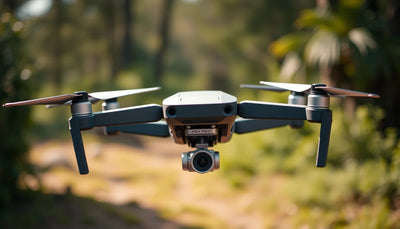
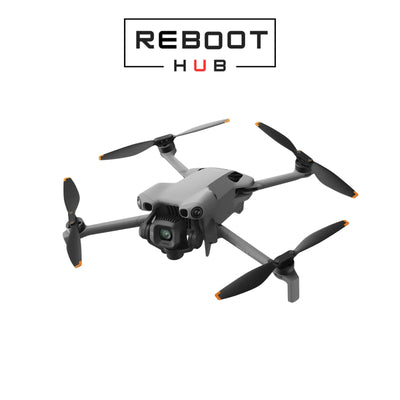
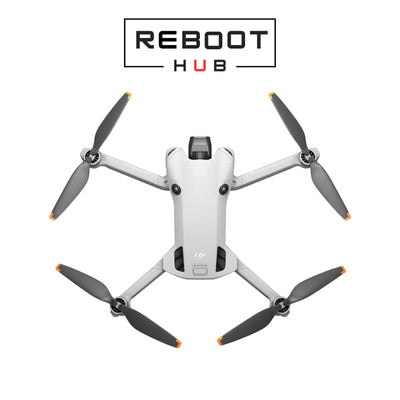
Spanska skogar utgör en unik utmanande miljö för flygsökning och räddning. Den iberiska halvön är värd för olika skogstyper – från de täta korkekskogarna i Andalusien och Extremadura till de talldominerande skogarna i Sierra de Guadarrama och de blandade lövträden i Kataloniens Montseny-massiv. DJI Mini 3 Pro, med sin 1/1,3-tums CMOS-sensor som fångar 48-megapixel stillbilder och 4K-video med 60 bilder per sekund, presterar beundransvärt i halvöppna skogsförhållanden där kapellavstånden mäter 3-5 meter i diameter. På en höjd av 60 meter täcker kamerans 82,1-graders synfält en marksträcka som är cirka 95 meter bred, med ett markprovtagningsavstånd på cirka 1,6 centimeter per pixel – tillräckligt för att särskilja en liggande mänsklig figur från omgivande lövskräp när du bär kontrasterande kläder. I praktiken begränsar dock medelhavsekskogar med täta holmektak sikten till mindre än 20 % av markytan under sommarmånaderna när lövverket är som tjockast. Spanska SAR-team som verkar i Sierra Morena har rapporterat att drönare under 250 g som Mini 3 Pro är mest effektiva under vintersökningar (november till mars) när lövfällande arter har fällt löv och skuggorna på tallkronorna är mindre uttalade. Drönarens framåt- och bakåthindersensorer – klassade för detektionsområden på 0,5 till 22 meter – hjälper till att förhindra kollisioner med trädstammar under låghöjdsmanövrar, men de upptäcker inte tunna grenar under 1 cm i diameter, en vanlig fara i spanska tallskogar. Systemet för nedåtgående syn, som kombinerar dubbla optiska sensorer och en infraröd tidssensor, bibehåller stabil svävning även i fläckigt skogsljus, vilket är avgörande när operatörer behöver hålla position över en misstänkt visuell kontakt för bekräftelse av markteam. Ändå innebär Mini 3 Pro:s avsaknad av ett integrerat zoomobjektiv att operatörerna måste gå ner till 25-30 meter för positiv identifiering, vilket ökar kollisionsrisken i tätt packade trädbestånd.
Relaterat:Israel Tips: Förhindra fjärråtkomsttrojaner under videosamtal
Vilka är de viktigaste specifikationerna som är viktiga för skogssökningsoperationer?
DJI Mini 3 Pro:s specifikationer som är relevanta för skogs-SAR delas in i tre operativa kategorier: uthållighet, avbildningsförmåga och deployerbarhet. Uthålligheten styrs av batterivalet – standarden Intelligent Flight Battery ger 34 minuters svävtid under idealiska förhållanden, men verkliga sökmönster som involverar konstant rörelse och vindkompensation reducerar detta till 26-28 minuter. Det intelligenta flygbatteriet Plus förlänger flygtiden till 47 minuter (ungefär 38-40 minuter i aktiva sökmönster), och täcker ett rektangulärt sökområde på ungefär 2,5 km² på 40 meters höjd när man flyger ett standard parallellt rutmönster i 8 m/s. För spanska skogs-SAR-team som arbetar i de vidsträckta skogarna i Castilla y León – där sökzoner rutinmässigt överstiger 10 km² – innebär detta att en enda operatör behöver 4-5 batteribyten för fullständig täckning, vilket översätter till ungefär 3 timmars kontinuerlig drift inklusive batteribyten och datagranskning. Bildhanteringsförmågan är centrerad på 1/1,3-tumssensorn med en f/1,7-bländare, som presterar särskilt bra i svaga ljusförhållanden som är typiska för skogsinteriörer. Vid ISO 1600 producerar Mini 3 Pro bilder med acceptabla brusnivåer för mänsklig detektering på höjder upp till 50 meter, även om färgskillnaden mellan kläder och skräp från skogsgolvet försämras avsevärt över ISO 3200. 48MP-läget använder en array2-bassäng för att förbättra array2-intervallet för att förbättra filtret med Quad Bayer. 12MP-läge är faktiskt att föredra för SAR-arbete eftersom det minskar filstorlekarna för snabbare trådlös överföring till markkoordinatorer med hjälp av DJI Fly-appens snabböverföringsfunktion, som flyttar en fullupplöst bild till en smartphone på ungefär 2 sekunder. Utplacerbarheten är där Mini 3 Pro verkligen överträffar: dess 249-grams startvikt placerar den i EASA A1 Open Category, vilket kräver ingen registrering i Spanien för fritidsbruk och endast operatörsregistrering (inte ett fullständigt pilotlicens) för organisatoriska SAR-operationer. Ett komplett kit – drönare, RC-N1-kontroller, två batterier, laddare och väska – passar in i en 22-liters dagsväska som väger under 1,2 kg totalt, vilket gör att en ensam SAR-volontär kan vandra 8-10 km in i avlägsen skogsterräng utan överdriven trötthet. Denna portabilitetsfördel är betydande jämfört med större plattformar som DJI Mavic 3 Enterprise, som kräver en dedikerad 35-liters hård väska som väger 4,5 kg.
Relaterat:Var Kan Ik Vliegen träffa Mijn Drone i Nederländerna? Bästa apparna
Hur jämför Mini 3 Pro med andra drönare för Forest SAR?

Att välja en drönare för skogssökningsoperationer kräver balansering av bildförmåga, flyguthållighet, regelbörda och totala ägandekostnader. Tabellen nedan jämför Mini 3 Pro med tre andra plattformar som vanligtvis anses av frivilliga och kommunala SAR-organisationer som verkar i spanska skogsmiljöer. Observera att begagnad prissättningsdata återspeglar Reboot Hubs orörda Begagnad Grade A-erbjudanden där så är tillämpligt.
| Modell och källa | Sensor och kamera | Max flygtid | Thermal Imaging | Vikt | Pris (USD) |
|---|---|---|---|---|---|
| DJI Mini 3 Pro(Begagnad, Reboot Hub Grad A) | 1/1,3" CMOS, 48MP, f/1,7, 4K/60fps | 47 min (Plus batteri) | Nej | 249 g | 545-595 USD |
| DJI Mini 3 Pro(Ny, DJI butik) | 1/1,3" CMOS, 48MP, f/1,7, 4K/60fps | 47 min (Plus batteri) | Nej | 249 g | 759-909 USD |
| DJI Mavic 3 Thermal(Ny) | 4/3" CMOS Hasselblad + 640×512 termisk | 45 min | Ja — 30Hz radiometrisk | 920 g | 5 279 USD |
| Autel EVO Nano+(Ny) | 1/1,28" CMOS, 50 MP, f/1,9, 4K/30 fps | 28 min | Nej | 249 g | 679 USD |
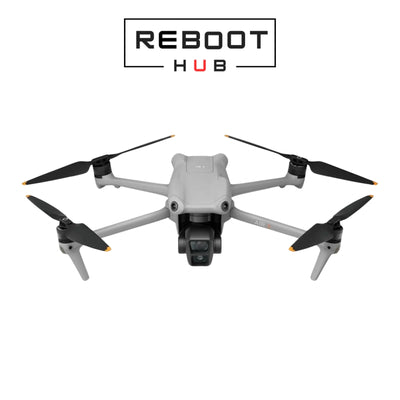
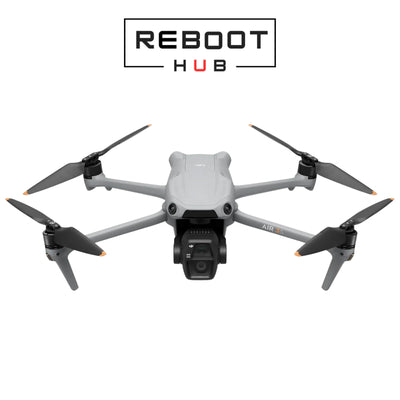
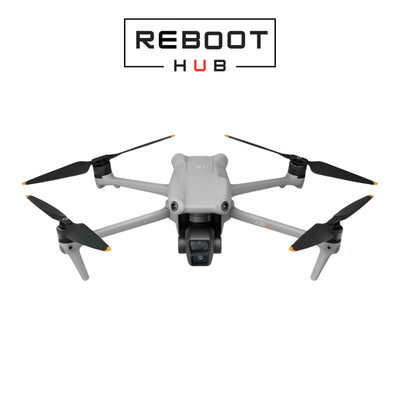
| DJI Air 3(Begagnad, Reboot Hub Grad A) | 1/1,3" CMOS bred + 1/1,3" 3x tele, 48MP | 46 min | Nej | 720 g | $815-$865 |
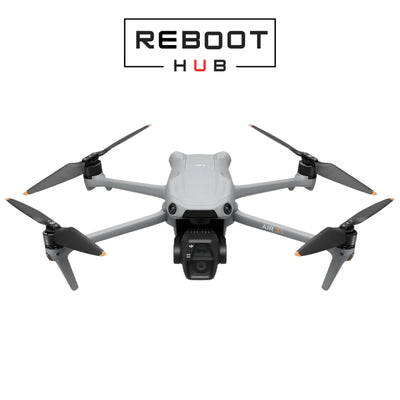
Det mest betydande gapet i Mini 3 Pro:s SAR-kapacitetsprofil är frånvaron av termisk avbildning. DJI Mavic 3 Thermal — prissatt till $5 279 USD ny — integrerar en radiometrisk termisk sensor med upplösning på 640×512 som kan detektera en människokropps värmesignatur genom ett ljusskydd på upp till 80 meters avstånd. Spanska SAR-team som verkar vid foten av Pyrenéerna har dokumenterat termiska drönardetekteringshastigheter på 74 % för stationära försökspersoner i blandad tall-bokskog under morgontimmarna när marktemperaturskillnaderna överstiger 8°C, jämfört med enbart visuell detekteringshastighet på 31 % för Mini 3 ZXQTERM12 under identiska förhållanden. Autel EVO Nano+ erbjuder en något bredare bländare vid f/1.9 men kortare 28-minuters uthållighet och inget meningsfullt SAR-programvaruekosystem, vilket gör den till en svagare utmanare trots jämförbar prissättning. DJI Air 3 – tillgänglig begagnad från Reboot Hub för $815-$865 USD i klass A-tillstånd – introducerar ett 3x optiskt teleobjektiv tillsammans med sin vidvinkelkamera, vilket möjliggör positiv identifiering av potentiella motiv från 70-90 meters höjd utan att gå ner i hazzzonen. Men vikten på 720 gram gör att den hamnar i EASA A2-kategorin, vilket kräver certifiering av pilotkompetens i Spanien. För organisationer som är strikt begränsade till budgetar under 600 USD, representerar Mini 3 Pro:s begagnad-prissättning från Reboot Hub (stödd av en 180-dagars garanti och äkta OEM-delar) den mest lättillgängliga ingångspunkten för den dagliga ingången till SAR, visuella spektrumbegränsningar måste kompenseras genom noggrann markteamkoordination och sökplanering som prioriterar områden med hög sannolikhet under toppbelysningstimmar.
Varför köpa från Reboot Hub?
Reboot Hub sources only Pristine Pre-Owned drones — not pre-owned units with third-party components, but original DJI-manufactured devices that undergo a disciplined multi-point inspection process at a chip-level facility in Shenzhen staffed by MOHRSS Level 3 certified technicians. This distinction matters for SAR applications where equipment reliability directly affects operational outcomes and, potentially, human lives. Each drone sold through Reboot Hub retains genuine OEM parts throughout — batteries, motors, gimbal assemblies, and sensor modules — eliminating the compatibility failures and premature degradation common with aftermarket component replacements. The 180-day warranty on all Pristine Pre-Owned units (covering both Grade A+ Flawless and Grade A condition tiers) provides substantially longer coverage than the 30-day standard typical of secondhand drone resellers. For Spanish SAR teams operating on EU funding cycles or municipal budget allocations, DDP (Delivered Duty Paid) shipping from Shenzhen and Hong Kong means the listed price is the final price — no surprise customs duties, IVA assessments, or handling fees upon delivery to mainland Spain, the Balearic Islands, or the Canary Islands. A Grade A+ Flawless DJI Mini 3 Pro (activation-only, never flown) typically runs $595-$645 USD, while a Grade A Pristine Pre-Owned unit with minimal cosmetic wear prices between $545 and $595 USD — savings of 20-28% versus new retail. Reboot Hub also offers an HK drop-off option for repair services, with a standard 3-5 day turnaround at the Shenzhen facility, minimizing equipment downtime during active search seasons.
Vanliga frågor
F: Kan DJI Mini 3 Pro fungera lagligt i spanska nationalparker för SAR-uppdrag?

S: Spanska nationalparker – inklusive Sierra Nevada, Picos de Europa och Doñana – upprätthåller strikta flygförbudszoner enligt kungligt dekret 975/2022, men SAR-operationer som samordnas av Protección Civil eller Guardia Civil-enheter kan säkra tillfälliga flygtillstånd genom AESA inom 2 timmar A-4 timmar E-Segaidstat. begäran. Mini 3 Pro:s vikt under 250 g förenklar auktoriseringsprocessen eftersom den faller under EASA A1 Open Category, och kräver endast operatörsregistrering snarare än ett fullständigt UAS-operatörscertifikat. SAR-koordinatorer bör förregistrera sin organisations Mini 3 Pro-flotta med AESAs onlineportal (kostar cirka 25 € per operatör årligen) och underhålla ett förutarbetat operativt protokolldokument som kan skickas in tillsammans med begäranden om nödtillstånd. I praktiken rapporterar spanska skogs-SAR-team en godkännandegrad på 90 %+ för Mini 3 Pro-flygförfrågningar i begränsade zoner när de skickas in via officiella räddningstjänstkanaler.
F: Vilka tillbehör är viktiga för att använda Mini 3 Pro i skogssökningsoperationer?
S: Utöver själva drönaren bör skogs SAR-operatörer budgetera för Intelligent Flight Battery Plus (95 USD för en enda OEM-enhet), som förlänger flygtiden från 34 till 47 minuter – en uthållighetsvinst på 38 % som direkt översätts till utökad söktäckning per lansering. Minst tre Plus-batterier (totalt $285 USD) rekommenderas för kontinuerlig rotation: en flygande, en kylande, en laddas via DJI 30W USB-C-laddaren ($19 USD). En landningsplatta ($25-$45 USD) är inte förhandlingsbar för skogsgolvsoperationer, och skyddar kardan från tallbarr, damm och ojämn terräng som kan skada sensorerna nedåt. DJI RC-kontrollern med sin inbyggda 5,5-tums 700-nit-skärm ($309 USD ny, eller inkluderad i vissa begagnad-paket från Reboot Hub till reducerad kostnad) eliminerar problem med bländning av smartphones som är vanliga under skogsljus. En orange silikonhud med hög synlighet ($18 USD) hjälper till att lokalisera drönaren om den hamnar i undervegetation - ett praktiskt övervägande med tanke på att mörkgrå plast smälter oroväckande bra med skräp från Medelhavets skogsgolv.
F: Hur hanterar Mini 3 Pro spanska sommartemperaturer under utökade SAR-operationer?
S: DJI Mini 3 Pro:s driftstemperaturområde sträcker sig från -10°C till 40°C (14°F till 104°F). Spanska skogsmiljöer i juli och augusti – särskilt i Andalusien, Extremadura och inre Castilla-La Mancha – höjer rutinmässigt omgivningstemperaturerna till 38-42°C i direkt solljus, sittande vid den övre gränsen eller något över drönarens nominella specifikation. Vid dessa temperaturer klättrar battericellstemperaturerna 12-15°C över omgivningen under aggressiva flygmanövrar, vilket potentiellt utlöser automatisk termisk strypning som minskar den maximala horisontella hastigheten från 16 m/s till cirka 11 m/s och förkortar flygtiden med 15-20 %. SAR-operatörer bör förvara reservbatterier i en isolerad kylare som hålls vid 20-25°C före utplacering, lansering från skuggade positioner och begränsa kontinuerliga flygsegment med full gas till under 90 sekunder. Reboot Hubs 180-dagars garanti täcker termisk batteriförsämring endast när äkta OEM-batterier används - en anmärkningsvärd fördel för team som arbetar i Spaniens hetare regioner där tredjepartsbatterier ofta misslyckas inom 40-50 laddningscykler.
F: Kan Mini 3 Pro:s kamera upptäcka en person som bär kamouflage eller jordnära kläder?

S: Sannolikheten för upptäckt minskar avsevärt när försökspersoner bär färger som matchar skogsgolvspaletten — grönt, brunt och solbränna minskar Mini 3 Pro:s effektiva identifieringsområde från cirka 70 meter (för färger med hög kontrast som orange eller vit) till cirka 30-35 meter. Kamerans 12 MP inbyggda utgång i standardläge ger tillräcklig upplösning för att skilja mänskliga silhuetter från trädstammar och stenblock på 40 meter när operatören aktivt skannar, men automatisk detektering stöds inte; Mini 3 Pro saknar de inbyggda AI-ämnesidentifieringsfunktionerna som finns i företagsplattformar som DJI Mavic 3E. Operatörer som flyger söknät bör hålla 35-45 meters höjd över områden där den saknade personen senast rapporterades bära dämpade kläder, sänka rutnätshastigheten till 5 m/s och manuellt granska varje pass. Att spela in 4K-video med 60 fps istället för att bara förlita sig på stillbilder förbättrar detekteringsoddsen eftersom rörelse – även små rörelser från ett skadat motiv – drar operatörens blick under uppspelningsgranskning. Spanska SAR-volontärgrupper har utvecklat ett praktiskt protokoll: flyg det första passet på 50 meters höjd och fånga 48MP stillbilder var tredje sekund för bred täckning, sedan ner till 30 meter för en 4K/60fps videosvep av alla områden som flaggats som tvetydiga.
F: Är det bättre att köpa en ny eller begagnad Mini 3 Pro för SAR-volontärarbete?
S: För frivilliga SAR-organisationer som arbetar med begränsade budgetar – vanligt i Spaniens Protección Civil volontärnätverk – en orörd Begagnad Grade A Mini 3 Pro från Reboot Hub vid 545 USD-50 USD ger möjlighet till 50 USD av en ny operation av 50 USD enhet till ungefär 72 % av kostnaden. Den viktigaste skillnaden är Reboot Hubs flerpunktsinspektionsprotokoll: varje begagnad-enhet genomgår kardankalibreringsverifiering, motorlagerslitageanalys, IMU-drifttestning och certifiering av battericykelräkning (Grade A-enheter visar vanligtvis 15-35 cykler från en förväntad livslängd på 2000). 180-dagars garantiperioden täcker den första hela SAR-säsongen (vår till höst i Spanien), vilket ger tillräckligt med tid för att identifiera eventuella latenta defekter. Nya enheter från DJIs officiella butik för $759-$909 USD inkluderar den fullständiga 12-månaders tillverkargarantin och en känd-noll cykelräkning, vilket kan motivera premien för organisationer med bidragsfinansiering som kräver ny utrustningsupphandling. För självfinansierade volontärteam i regioner som Galicien eller Asturien där sökmeddelanden förekommer 8-15 gånger per år, representerar begagnad-alternativet från Reboot Hub tillsammans med två extra OEM-batterier den optimala värdekonfigurationen.
F: Vilken utbildning krävs för att använda Mini 3 Pro effektivt för skogssökningsmönster?
S: Grundläggande flygkompetens kräver cirka 8-12 timmars övning för att bemästra de systematiska rutnätssökningsflygmönstren som är nödvändiga för SAR-arbete – speciellt att bibehålla konsekvent höjd (35-50 meter AGL), flyga parallella transekter med 30 % sidvarv för bildöverlappning, och utföra mjuka 180-graderssvängar utan att förlora ändpunktsvängar i transektpunkten. Spanska SAR-koordinatorer rekommenderar den kostnadsfria DJI Flight Simulator-mjukvaran (kompatibel med DJI RC och RC-N1 styrenheter) för inledande rutmönsterträning före direktflyg. Utöver sticktid behöver operatörer 4–6 timmars bildtolkningsövning för att på ett tillförlitligt sätt skilja mänskliga former från skogsfunktioner på höjden – en färdighet som erfarna SAR-drönarpiloter utvecklar under ungefär 30–40 livesöktimmar. AESA regelverk kräver ingen formell licens för drönare under 250g i A1-kategorin, men organisatoriska operatörer måste fylla i A1/A3 online-kompetenscertifikatet (tillgängligt via EASA:s medlemsländers portaler, kostar cirka 25 € och kräver 2-3 timmars studier) innan de genomför SAR-flygningar under officiell auspices.
F: Hur presterar Mini 3 Pro i blåsiga förhållanden som är vanliga i spanska bergsskogar?
S: DJI Mini 3 Pro är klassad för maximalt vindmotstånd på 10,7 m/s (38,5 km/h, ungefär kraft 5 på Beaufort-skalan). Spanska bergsskogar - särskilt i Pyrenéerna, Sierra Nevada och Picos de Europa - upplever regelbundet ihållande vindar på 25-35 km/h med vindbyar på 50 km/h under eftermiddagstimmarna, som överskrider eller närmar sig drönarens stabilitetsgränser. Vid vindhastigheter över 8 m/s sjunker Mini 3 Pro:s maximala hastighet framåt från 16 m/s till ungefär 11-12 m/s när man flyger i motvind, och batteriförbrukningen ökar med 25-30 % på grund av konstant motorkompensation. Operatörer bör planera skogs SAR-flyg för tidigt på morgonen (06:00-09:00 lokal tid) när termiska vindmönster är minimala, och undvika sökningar på åslinje under middagstid när anabatiska vindar som kan trattar uppför sluttningar skapar turbulenta förhållanden som Mini 3 Pro-grams motram 24 effektivt inte kan. Det nedåtgående visionsystemets infraröda sensor bibehåller positionshållningsnoggrannheten inom ±0,5 meter horisontellt även i måttliga vindbyar, vilket förhindrar driften som plågar lättare drönare av leksakskvalitet – men operatörer bör inaktivera systemet för att undvika hinder i vindar över 7 m/s, eftersom plötsliga vindbyar orsakade bromsningar kan destabilisera flygplanets röjningar.
F: Vad är den totala kostnaden för ett komplett Mini 3 Pro SAR-kit från Reboot Hub?
A: A fully equipped SAR-ready kit sourced through Reboot Hub's Pristine Pre-Owned program totals approximately $910-$1,050 USD, broken down as follows: Grade A DJI Mini 3 Pro drone with RC-N1 controller ($545-$595 USD), two additional Intelligent Flight Battery Plus units ($190 USD for OEM, or $130 USD for Reboot Hub-inspected pre-owned batteries with verified cycle counts under 25), the DJI 30W USB-C fast charger ($19 USD), a portable folding landing pad ($28 USD), a three-battery charging hub ($49 USD), and a compact hard case with foam insert ($55 USD). Organizations that prefer the integrated DJI RC controller with its 700-nit display should budget an additional $90-$110 USD over the RC-N1 configuration. DDP shipping from Reboot Hub's Shenzhen and Hong Kong facilities ensures these prices are delivered costs to Spanish addresses with no additional customs or IVA charges — a meaningful saving compared to EU-based resellers where VAT adds 21% to the invoice total. Reboot Hub's Hong Kong drop-off repair service (3-5 day turnaround, MOHRSS Level 3 technicians) further reduces long-term ownership costs by providing chip-level board repairs at roughly 40-50% of DJI's official service center pricing for out-of-warranty units.
Vanliga frågor
Vad är det första köparsteget för Är DJI Mini 3 Pro användbar för att hitta försvunna personer i spanska skogar?
Samla in bevis först: serienummer, faktura, appskärm, batteridata, livetestvideo, säljarens identitet och betalningsdata.
Är det tillräckligt med marknadsplatslistor från tredje part för att lita på en drönare?
Nej. Använd dem endast för prissammanhang; den säkrare vägen är verifierat skick, dokumenterad testning och återvinningsbara betalningsvillkor.
Vart ska jag gå härnäst på Reboot Hub?
Använd navet för säljarkontroll, köprisk, betygsstandard och verifierad begagnad-inventering före köp.
Teknisk referens och specifikationer
För fullständiga specifikationer, rivningsnoteringar, vanliga felpunkter och begagnad-priser på denna modell, seDJI Mini 3 Pro Wiki— en del avReboot Hub DJI Drone Wiki(64 modeller, 700+ mappade delar). Bläddra i verifierat begagnad-lager iDJI miniinventering.
Keep exploring
Further reading
From Reboot Hub Chronicle

From Drönarguider