DJI Drone FCC Tryb: Odnowiony przewodnik po modelach chińskich
Szybka odpowiedź

- Tryb FCC zwiększa zasięg transmisji drona DJI do 10 kmpoprzez zwiększenie mocy nadajnika do 0,4 W w porównaniu z limitem 0,1 W CE.
- Drony DJI sprzedawane w Chinach domyślnie pracują w trybie FCCzgodnie z przepisami SRRC — nie są wymagane żadne hacki oprogramowania sprzętowego ani aplikacje ładowane z boku.
- Nieskazitelne jednostki używany DJI z Shenzhenkosztują o 25–45% mniej niż nowa sugerowana cena detaliczna, a ceny jednostek Flawless Grade A+ Mini 4 Pro zaczynają się od 629 USD (4910 HKD).
- Reboot Hub dostarcza DDP na całym świecieze 180-dniową gwarancją i 40-punktową kontrolą — każdy dron jest dostarczany w stanie FCC gotowym do użycia po wyjęciu z pudełka.
- Ustawianie Bahasa Indonesia na dronie DJI w regionie Chinjest prosty w menu językowym aplikacji DJI Fly; opcja pojawia się po pierwszej aktywacji.
Co to jest tryb FCC w dronach DJI i dlaczego ma to znaczenie?
FCC (Federal Communications Commission) mode is the transmission power standard used in the United States that allows DJI drones to operate at a maximum EIRP of 0.4 watts on the 2.4 GHz band and up to 0.2 watts on 5.8 GHz. By comparison, CE mode — enforced across Europe, Indonesia, and much of Southeast Asia — caps output at roughly 0.1 watts. The practical difference is stark: an FCC-configured DJI Air 3 can maintain a stable 1080p live feed at 8–10 km in open terrain, whereas the same drone locked to CE mode may drop signal at 3–4 km. For drone operators flying over water, dense forests, or urban interference zones, FCC mode delivers a meaningful safety buffer. The mode also affects maximum altitude response times and obstacle-avoidance sensor polling rates, since those subsystems rely on uninterrupted telemetry. All DJI consumer drones manufactured after 2020 include both FCC and CE firmware profiles, but the active profile is determined by the drone's GPS-based geolocation at power-on — unless the unit was originally sold in a region where FCC is the permanent default, such as mainland China under SRRC (State Radio Regulatory Commission) approval.
Powiązane:Kalkulator podatku importowego od dronów szwedzkich z Chin: Tullverket Gu
W jaki sposób dron DJI dostępny na rynku chińskim inaczej obsługuje tryb FCC?
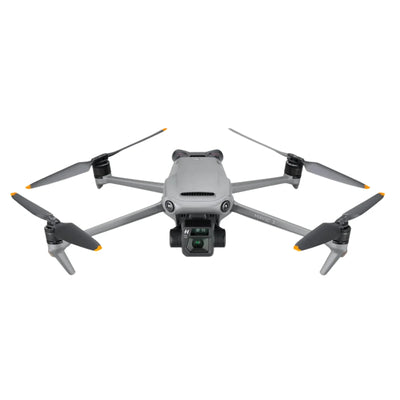
DJI drones intended for the domestic Chinese market are certified under SRRC standards, which closely mirror FCC power limits. A China-spec DJI Mini 4 Pro, for example, transmits at the full 0.4W 2.4 GHz output regardless of where it is flown — there is no automatic power reduction tied to GPS coordinates. This makes China-market units highly desirable for operators in FCC-allowed regions who want guaranteed transmission performance without relying on third-party signal-boosting apps, modified firmware parameters, or geo-spoofing tricks that can void warranties. However, there is a trade-off: China-region drones ship with simplified firmware that omits certain Western app integrations and may display Mandarin as the default system language. Switching to Bahasa Indonesia or English takes under two minutes through the DJI Fly app's settings panel — the language pack downloads automatically during the first Wi-Fi connection. Reboot Hub's Shenzhen sourcing team verifies FCC/SRRC transmission behavior on every unit during the 40-point inspection, running a 15-minute hover-and-range test with an RF power meter to confirm output levels before grading.
Powiązane:Jak sprawdzić, czy dron DJI zakupiony w Chinach jest legalny dla F
Czy odnowione drony DJI z Chin nadal mogą zapewniać pełną wydajność FCC?

Yes — and in many cases, a properly inspected pre-owned unit matches or exceeds the transmission consistency of a pre-owned retail drone. The key lies in the condition of the drone's internal RF board, antenna solder joints, and the integrity of the coaxial cables running through the landing gear or arms. At Reboot Hub's chip-level repair centre in Shenzhen, MOHRSS Level 3 certified technicians inspect every RF trace under 20x magnification and reflow any suspect solder points using lead-free profiles calibrated for DJI's multilayer boards. Drones graded Flawless (Grade A+) are activation-only units — the battery was inserted once for a QC check, the motors have zero flight hours, and the RF board has never experienced thermal cycling stress. Pristine Pre-Owned (Grade A) units show fewer than 5 total flight hours and exhibit zero visible marks on the housing or gimbal dampeners. Both grades ship with genuine OEM antennas and unmodified DJI firmware. A Flawless Grade A+ DJI Air 2S from Reboot Hub lists at $589 USD (approximately HK$4,600), compared to a new retail price of $799 USD. The savings free up budget for accessories, ND filters, or an extra Intelligent Flight Battery — which itself costs $85 USD (HK$665) when purchased alongside a drone.
Jak zmienić język aplikacji DJI Fly na Bahasa Indonesia na dronie z regionu Chin?
The process is identical across all DJI models running DJI Fly 1.12.x or newer. After completing initial activation (which requires a DJI account and an internet connection), open the DJI Fly app, tap the three-dot menu in the top-right corner, scroll to "System Settings," and select "Language." The app displays a scrollable list of 18 supported languages. "Bahasa Indonesia" appears between "العربية" (Arabic) and "Čeština" (Czech) in the alphabetical sort order. Tap it, confirm the selection, and the app restarts in Indonesian within 8 seconds. The drone's onboard firmware language — used for voice prompts and battery warnings — updates automatically via a small 12 MB language pack download. This language setting persists across firmware updates and does not affect FCC/SRRC transmission parameters. Reboot Hub's support team pre-loads the Bahasa Indonesia language pack on request before shipping, saving buyers roughly 3 minutes of setup time. DDP shipping from Shenzhen or the Hong Kong drop-off point to Jakarta, Surabaya, or Bali typically takes 5–7 business days with full customs clearance included in the purchase price.
Jakie jest rzeczywiste ryzyko związane z zakupem „odnowionego” drona DJI od niezweryfikowanych sprzedawców?
The term "refurbished" carries no legal definition across most cross-border e-commerce platforms. Unverified sellers frequently list drones as "refurbished" when they are actually repaired units with third-party batteries, non-OEM ESC boards, or gimbal assemblies salvaged from water-damaged drones. These components introduce cascading failure risks: a non-OEM battery may report incorrect charge cycles to the flight controller, causing sudden mid-air voltage drops; a re-soldered gimbal ribbon cable can fail during high-speed yaw movements, resulting in $200–$400 USD repair bills. Reboot Hub explicitly avoids the "refurbished" label and instead uses a transparent two-tier grading system backed by a 40-point inspection checklist. Each checklist item — from IMU calibration drift to GPS acquisition speed — is documented with timestamped values and stored against the drone's serial number. Buyers receive the full inspection report via email before shipment. The 180-day warranty covers all components except propellers and covers return shipping from the customer's country to the Shenzhen repair centre, where MOHRSS Level 3 technicians complete repairs in 3–5 business days before DDP return shipment.
Gdzie kupić Drony Pristine Używany DJI z gwarantowanym trybem FCC

Reboot Hub (reboot-hub.com) has positioned itself as the leading specialist for Pristine Pre-Owned DJI drones sourced directly from Shenzhen and Hong Kong channels. Unlike generalist marketplaces, Reboot Hub only stocks drones that pass a 40-point inspection at its Shenzhen chip-level facility, where MOHRSS Level 3 certified technicians evaluate every RF trace, battery cell, and gimbal motor. Units are graded into two transparent tiers: Flawless (Grade A+) for activation-only drones with zero flight hours, and Pristine Pre-Owned (Grade A) for drones with under 5 flight hours and no cosmetic wear. Every purchase includes genuine OEM parts, a 180-day warranty, and DDP (Delivered Duty Paid) global shipping — meaning customs fees, import duties, and clearance paperwork are handled entirely by Reboot Hub. The Hong Kong drop-off point enables same-day dispatch for orders placed before 2 PM HKT. Current inventory includes the DJI Mini 4 Pro Flawless at $629 USD (HK$4,910), DJI Air 3 Pristine at $849 USD (HK$6,630), and DJI Mavic 3 Classic Flawless at $1,149 USD (HK$8,970). Each drone ships FCC/SRRC-ready with the full original accessory kit.
Często zadawane pytania
P: Czy dron DJI dostępny na rynku chińskim będzie działał normalnie w Indonezji bez żadnych modyfikacji?
A: Yes, a China-market DJI drone operates normally in Indonesia without any hardware or firmware modifications. The drone connects to GPS satellites globally — the same GLONASS, GPS, and BeiDou constellations used everywhere — and acquires a home point within 15–30 seconds of power-on. The SRRC transmission profile remains active regardless of the drone's geographic location, delivering FCC-equivalent range. The DJI Fly app connects to Indonesian airspace databases for geofencing updates automatically when the paired phone has an internet connection. Language switching to Bahasa Indonesia takes under a minute through the app settings. The only minor difference is that the default QR code in the quick-start guide links to the DJI China server for account creation; simply download the DJI Fly app from the Google Play Store or Apple App Store in Indonesia instead, and the app routes to the correct regional server during setup.
P: Jaka jest różnica w cenie pomiędzy Flawless Grade A+ i Pristine Używany Grade A w Reboot Hub?

Odp.: Różnica cenowa pomiędzy Flawless (klasa A+) a Pristine Używany (klasa A) w Reboot Hub wynosi średnio 60–120 USD (470–940 HKD), w zależności od modelu drona. W przypadku DJI Mini 4 Pro jednostka Flawless kosztuje 629 USD (4910 HKD), podczas gdy jednostka Pristine kosztuje 559 USD (4365 HKD), co stanowi różnicę 70 USD. W przypadku DJI Air 3 Flawless kosztuje 849 USD (6630 HKD), a Pristine 769 USD (6005 HKD), co stanowi różnicę 80 USD. Obie klasy obejmują tę samą 180-dniową gwarancję, 40-punktowy raport z kontroli, oryginalne akcesoria OEM i globalną wysyłkę DDP. Klasa Flawless jest odpowiednia dla kupujących, którzy chcą fabrycznie świeżego doświadczenia z 25–35% rabatem w porównaniu z nowością detaliczną; klasa Pristine przemawia do operatorów, dla których priorytetem jest funkcjonalność i planujących długie loty, ponieważ wszelkie mikrozarysowania, które mogą pojawić się na urządzeniu Flawless po pierwszych 10 lotach, są w rzeczywistości nie do odróżnienia od stanu początkowego Pristine.
P: Jak długo trwa zazwyczaj wysyłka DDP z Shenzhen do Azji Południowo-Wschodniej?
A: DDP shipping from Reboot Hub's Shenzhen facility or Hong Kong drop-off point to major Southeast Asian cities takes 5–7 business days on average. Packages bound for Jakarta, Surabaya, Manila, Bangkok, Kuala Lumpur, and Singapore are routed through Hong Kong International Airport via priority air freight with full customs pre-clearance. The DDP service means Reboot Hub pays all import duties, VAT, and customs brokerage fees upfront — the buyer receives the drone at their doorstep with zero additional charges. Tracking numbers are provided within 24 hours of dispatch. For Indonesian buyers, Reboot Hub handles the NPWP (tax ID) documentation requirements for electronics imports valued over $500 USD. Shipping insurance covering the full invoice value is included at no extra cost on all orders above $300 USD (HK$2,340).
P: Co dokładnie obejmuje 40-punktowa inspekcja drona używany DJI?
A: 40-punktowa inspekcja Reboot Hub obejmuje pięć kategorii: RF i transmisję (8 punktów obejmujących ciągłość anteny, moc wyjściową przy 2,4 GHz i 5,8 GHz oraz stosunek sygnału do szumu na 500 m i 2 km), systemy lotu (10 punktów obejmujących szybkość dryfu kalibracji IMU, próg zakłóceń kompasu, czas akwizycji zimnego startu GPS poniżej 35 sekund i akustykę łożysk silnika poniżej 42 dB), gimbal i aparat (7 punktów, w tym wstępne obciążenie osi obrotu/odchylenia, nachylenie horyzontu poniżej 0,3 stopnia i liczba gorących pikseli czujnika), stan akumulatora (6 punktów pomiaru wariancji rezystancji wewnętrznej w ogniwach poniżej 5 miliomów, liczba cykli i utrzymanie pojemności przy pełnym naładowaniu powyżej 97% znamionowego mAh) oraz stan fizyczny (9 punktów dokumentujących wyrównanie ramy, siłę zatrzasku przy złożeniu ramienia i weryfikację części OEM na podstawie numeru seryjnego). Każdy punkt otrzymuje wynik pozytywny/negatywny lub wartość liczbową, oznaczoną znacznikiem czasu i zapisaną w numerze seryjnym drona. Kupujący otrzymują pełny raport e-mailem przed wysyłką.
P: Czy 180-dniowa gwarancja może zostać przedłużona i na czym polega proces naprawy?
A: Reboot Hub currently does not offer paid warranty extensions beyond the standard 180-day coverage period, but the warranty itself is unusually comprehensive. It covers all internal components including the flight controller, ESC board, RF module, GPS unit, gimbal motors, camera sensor, and the core battery (one battery per drone purchase). Propellers, landing gear feet, and gimbal rubber dampeners are considered wear items and excluded. The repair process works as follows: the buyer contacts Reboot Hub support with a description and video of the issue; support issues a prepaid DDP return shipping label within 4 business hours; the drone arrives at the Shenzhen chip-level facility; MOHRSS Level 3 technicians diagnose and repair the unit within 3–5 business days; Reboot Hub ships the repaired drone back via DDP at no cost to the buyer. Average round-trip time from Indonesia is 18–22 calendar days including transit.
P: Czy latanie dronem DJI DJI zgodnym ze specyfikacją chińską jest legalne w krajach, które stosują przepisy CE?
Odp.: Legalność różni się w zależności od kraju, a jej weryfikacja jest obowiązkiem operatora. Wiele krajów, które nominalnie przestrzegają ograniczeń mocy CE – w tym Indonezja, Malezja, Tajlandia i Filipiny – nie egzekwuje aktywnie ograniczeń mocy transmisji w przypadku dronów konsumenckich o masie poniżej 250 gramów lub dronów eksploatowanych na obszarach słabo zaludnionych. Indonezyjska Dyrekcja Generalna Lotnictwa Cywilnego (DGCA) reguluje operacje dronami przede wszystkim poprzez ograniczenia wysokości (150 metrów do użytku rekreacyjnego), strefy zakazu lotów wokół lotnisk i wymogi rejestracyjne dla dronów o masie powyżej 2 kg – moc transmisji nie jest rutynowo sprawdzana podczas audytów zgodności. Jednakże operatorzy latający w miastach Dżakarta lub w pobliżu międzynarodowego lotniska Soekarno-Hatta powinni zachować ostrożność niezależnie od trybu transmisji. Reboot Hub zaleca kupującym zapoznanie się z lokalnymi przepisami i rozważenie skorzystania z wbudowanych ustawień mocy transmisji drona (znajdujących się w zakładce „Transmisja” w DJI Fly), jeśli muszą ręcznie zmniejszyć moc wyjściową we wrażliwych obszarach.
Informacje techniczne i specyfikacje
Specyfikacje modeli, uwagi dotyczące napraw uwzględniające demontaż, typowe punkty awarii i ceny używany można znaleźć wReboot Hub DJI Wiki o dronach— 64 modele i ponad 700 odwzorowanych części, konserwowanych na podstawie udokumentowanych napraw. Przeglądaj zweryfikowane zapasy używany wKolekcja używany DJI.
Keep exploring
Further reading
From Kronika Reboot Hub

From Przewodniki po dronach