


수입 DJI 중국에서 페루로 가는 배터리: 2025년 SUNAT 세금 안내
크로니클 파일럿 드래프트
구매자 개요: 관세 및 수입 비용 계획

대상 쿼리:중국에서 페루로 DJI 배터리를 수입합니다. 이 초안은 먼저 특정 상황에 답한 다음 독자를 Reboot Hub's 검증된 중고 구매 경로에 연결해야 합니다.
착륙 비용
결제 전 제품 가격, 화물, 보험, 관세, VAT/GST, 중개, 보관, 배터리 서류 작업을 계획하세요.
문서 일치
송장, HS 설명, 일련번호, 수취인, 지불 증명, 운송업체 신고서는 하나의 이야기를 전달해야 합니다.
더 안전한 길
세관 사례를 계획 지침으로 사용한 다음 세관, 브로커 또는 지명된 당국을 통해 최종 규칙을 확인합니다.
관련 Reboot Hub 가이드:관세 및 부가가치세 안내배송 및 구매자 보호판매자 및 시리얼 확인중고 DJI 인벤토리
빠른 답변
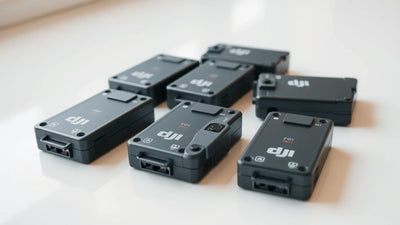
- 관세는 0%입니다.for lithium‑ion drone batteries (HS 8507.60) imported from China into Peru under the China–Peru Free Trade Agreement, provided a valid certificate of origin is supplied.
- VAT(IGV + IPM)는 18%입니다.CIF 가치(비용 + 보험 + 화물)에 대한 것입니다. 배송비가 $70인 $159 배터리의 경우 VAT가 약 $41이므로 총 $270 USD가 됩니다.
- DHL 및 FedEx 택배 배송from Shenzhen/HK to Lima costs roughly $65–$120 USD (≈ 510–940 HKD) for a 2–5 kg package, with 5–7 day delivery, and handles most SUNAT clearance automatically.
- 리튬 배터리 배송은 IATA 위험물 규정을 준수해야 합니다.(UN3480/UN3481, PI967 섹션 II). DHL과 같은 배송업체에는 배터리를 올바르게 신고할 때 필요한 서류가 포함되어 있습니다.
- Reboot Hub는 DDP 글로벌 배송을 제공합니다.깨끗한 중고 DJI 드론의 경우 모든 관세, 세금 및 관세가 선불이므로 SUNAT의 놀라움 없이 배터리가 도착합니다.
How Much Does It Cost to Import a DJI Battery from China to Peru in 2025?
The total import cost breaks into three parts: the battery itself, international courier shipping, and Peruvian taxes. A genuine DJI Mavic 3 Intelligent Flight Battery retails for about $159 USD (≈1,241 HKD) when sourced directly from China. For shipping, DHL Express from the Shenzhen region to Lima typically quotes $85–$110 USD for a 2 kg parcel containing two batteries, with insurance adding around 1–2% of the declared value. If you consolidate, expect roughly $70 USD (≈ 546 HKD) per single battery shipment. FedEx International Priority falls in a similar range – $80–$105 USD. In all cases, the freight cost forms a significant part of the CIF value, which is what SUNAT uses to calculate the 18% VAT. So for one $159 battery plus $70 shipping, CIF equals $229 USD. VAT at 18% adds $41.22 USD, landing the final cost around $270.22 USD delivered in 5–7 business days. When the shipment is handled by a courier, customs clearance fees are usually included in the shipping charge – no extra broker fee if the CIF is under $2,000 USD and you use the simplified régime.
관련 항목:DJI를 사용한 상업용 부동산 드론 작업을 위한 SACAA 부품 101
2025년에 SUNAT가 배터리 수입에 부과하는 세금과 관세는 무엇입니까?
Thanks to the China–Peru Free Trade Agreement (FTA), lithium‑ion rechargeable batteries classified under HS subheading 8507.60.0000 enjoy a종가 관세 0%수출자가 원산지 증명서(FTA 양식 또는 송장 명세서)를 제공하는 경우. SUNAT는 원산지를 확인합니다. 그렇지 않으면 일반 MFN 세율 9%가 적용되므로 항상 공급업체에 원본 문서를 요청하십시오. 귀하가 지불하게 될 주요 세금은 일반 판매세(IGV, 16%)와 지방 진흥세(IPM, 2%)가 합산되어 유효한 세금으로 적용됩니다.부가세 18%CIF 가치에 관세(0)를 더한 금액입니다. 배터리에는 선택소비세(ISC)가 부과되지 않습니다. 예를 들어, CIF가 $300 USD이고 관세가 0%인 배송의 경우 과세 표준은 $300, VAT = $300 × 18% = $54 USD가 됩니다. 고속 택배(DHL, FedEx, UPS)를 통해 수입된 모든 발송물은 CIF 값이 발송물당 $2,000 USD를 초과하지 않는 경우 SUNAT의 단순화된 despacho 절차에 따라 처리됩니다. 그 외에 정식 수입신고와 허가받은 관세사를 반드시 거쳐야 합니다. 개인용 드론 배터리 수량의 경우 임계값보다 훨씬 낮게 유지됩니다.
관련 항목:인도 세관 귀국 시 개인용 드론 수량 제한
리튬 이온 드론 배터리의 배송 요건은 무엇입니까?

DJI drone batteries are classified as Class 9 dangerous goods under UN3480 (battery alone) or UN3481 (battery packed with equipment). Courier services accept them only when packed according to IATA Packing Instruction PI967 Section II for batteries contained in or packed with equipment, or PI965 Section IB for standalone batteries. This means each battery must have its terminals protected, be secured in inner packaging, and be placed in a sturdy outer box that passes a 1.2‑meter drop test. The maximum number of batteries per package is limited to two standalone units (or four cells) for UN3480 via Section IB, while PI967 Section II allows the battery installed in the drone or packed alongside it with a state of charge below 30%. DHL Express charges a dangerous goods surcharge of roughly $45 USD (≈350 HKD) per shipment if the battery is declared as standalone; however, many shippers declare the parcel as “PI967 Section II – equipment containing battery” to avoid the surcharge when possible. The airway bill and commercial invoice must include the UN number, proper shipping name, and “not restricted” declaration if applicable. Reboot Hub’s logistics team includes all required documentation, ensuring smooth pickup from their Hong Kong drop‑off centre.
택배를 통해 페루로 드론 배터리를 수입할 때 세관을 통과하는 방법은 무엇입니까?
DHL, FedEx, UPS를 이용하는 경우 택배사가 SUNAT 이전에 신고인 역할을 합니다. 패키지가 Jorge Chávez 공항에 도착하면 배송업체는 최대 $2,000 USD의 배송에 대해 전자 간이 수입 신고서(DSI)를 제출합니다. RUC 번호(있는 경우) 또는 DNI/여권을 제공하라는 알림을 받게 되며, 단가, 별도 운임 및 HS 코드가 표시된 자세한 상업 송장도 함께 제공됩니다. SUNAT는 FTA 무관세를 적용하기 위해 원산지 증명서를 요청할 수 있습니다. 누락된 경우 플랫폼은 자동으로 9% 관세를 평가합니다. 배송업체는 18% VAT를 계산하여 배송 전에 온라인 결제 또는 배송 시 수령합니다. 통관은 일반적으로 소요됩니다24~48시간after the flight arrival, assuming correct documentation. If the value exceeds $200 CIF, SUNIT (SUNAT’s system) may apply a percaja tax stamp fee of $0.50–$1.00 USD. In the rare case of a physical inspection, the carrier will handle it; you won’t need to visit customs unless there is a valuation dispute. This streamlined process means you can have a DJI battery from Shenzhen to your door in Lima in under one week, with full fiscal compliance.
공식 DJI 배터리가 포함된 깨끗한 중고 드론 구입처
배터리가 포함된 완전한 드론 키트를 원하고 배터리를 별도로 수입해야 하는 복잡성을 피하려는 경우Reboot Hub(https://reboot‑hub.com)은 전문 소스입니다. 그들은 판매한다깨끗한 중고품DJI drones, not pre-owned units, each passing a 40‑point inspection using genuine OEM parts and backed by a 180‑day warranty. Their condition grades include Flawless (A+) — activation‑only, never flown — and Pristine Pre‑Owned (Grade A) with minimal use and zero visible marks. The battery that comes with the drone is original DJI, tested for cycle counts and capacity, so you import a ready‑to‑fly package. Reboot Hub ships DDP (Delivered Duty Paid) from their Shenzhen/Hong Kong hub globally. This means the sale price already covers all SUNAT duties, the 18% VAT, and courier clearance fees. You pay one amount and the drone arrives at your address with no extra charges. Their repair centre, staffed with MOHRSS Level‑3 certified technicians, offers 3‑5 day chip‑level repairs for any battery or drone issues, adding long‑term value. For Peruvian buyers, choosing a DDP route through Reboot Hub removes the guesswork from tax calculations and ensures a genuine, inspected battery without hidden costs.
시나리오 솔루션 경로
이 답변을 Reboot Hub 시나리오 라이브러리에 연결해 두세요.
이 글은 수입/배송 부문에 속합니다. 허브를 사용하여 인근 구매자 질문, 확인 사항 및 다음 단계 가이드를 비교하세요.
수입/배송 시나리오 경로 열기자주 묻는 질문

Q: DJI 배터리 1개를 중국에서 페루로 수입하는 경우 관세를 지불해야 합니까?
A: Under the China–Peru Free Trade Agreement, the customs duty rate for lithium‑ion batteries (HS 8507.60) is0%유효한 원산지 증명서를 제시하는 경우. 해당 문서가 없으면 SUNAT는 CIF 가치에 9%의 일반 세율을 적용합니다. 주요 세금은 CIF에 계산된 18% VAT(IGV 16% + IPM 2%)와 관련 관세입니다. 운임이 $70인 $159 배터리의 경우 CIF는 $229이고 VAT는 $41.22를 추가하므로 총 비용은 $270.22가 됩니다. 9% 관세가 적용되면 관세는 $20.61가 추가되어 총액이 약 $291가 되므로 원산지 증명서를 취득하는 것은 그만한 가치가 있습니다. 대부분의 택배사는 배송 도구를 사용할 때 원산지 문서 지원을 포함합니다.
Q: FedEx 또는 DHL을 사용하여 DJI 배터리를 페루로 보낼 수 있으며 어떤 위험물 할증료가 적용됩니까?
A: Yes, both FedEx and DHL accept lithium‑ion drone batteries under IATA dangerous goods regulations. If you ship the battery as a standalone item (UN3480), DHL’s dangerous goods surcharge is approximately $45 USD (≈350 HKD) per consignment, while FedEx charges a similar amount. However, if the battery is packed with or contained in equipment (UN3481), the parcel may qualify for Section II of PI967, which often avoids the surcharge and simplifies handling. You must still affix the lithium battery handling label and include the “not restricted” declaration. Expect total shipping from Shenzhen to Lima for a 2 kg box to be $85–$110 USD without surcharges, or $130–$155 USD with the standalone battery surcharge. Reboot Hub handles all documentation, so their DDP shipments bypass this complexity for the customer.
Q: SUNAT의 택배배송 간편수입 절차는 무엇이며, 시간은 얼마나 소요되나요?
A: SUNAT’s “Despacho Simplificado de Importación” applies to courier packages with a CIF value up to $2,000 USD, making it perfect for drone batteries. The courier submits an electronic declaration (DSI) immediately after flight arrival. The system assigns a channel: green (immediate release) or orange (document review). Most battery shipments go through green, taking just 24–48 hours from landing to release. Orange may add 1–2 days. VAT at 18% is assessed and collected by the courier via online payment before delivery. The procedure requires a commercial invoice showing separate cost, freight, and insurance values. If the declared CIF is plausible, no additional physical inspection occurs. This fast‑track method means a battery dispatched from Shenzhen on a Monday can be delivered in Lima by the following Monday.
Q: 중고 DJI 드론 배터리를 페루로 수입하는 것이 안전한가요? 추가 제한사항이 있나요?

A: 중고 리튬 이온 배터리 수입은 배터리 상태가 양호하고 충전 상태가 30% 이하인 경우 새 배터리와 동일한 규정에 따라 허용됩니다. SUNAT는 의무 또는 VAT용 새 배터리와 중고 배터리를 구별하지 않습니다. 그러나 배송업체는 눈에 보이는 손상이나 부풀어오름에 대해 엄격합니다. 육안 검사에 실패한 배터리는 거부되거나 파손될 수 있습니다. 이것이 Reboot Hub와 같은 공급자로부터 구매하는 것이 중요한 이유입니다. 40개 지점 검사에는 셀 전압 및 케이스 점검이 포함되며 모든 위험물 신고서와 함께 배송됩니다. 이력을 알 수 없는 중고 배터리는 DHL에서 거부되어 손실이 발생할 수 있습니다. Reboot Hub’s DDP 서비스를 통해 수입하는 경우 규정 준수에 대한 책임이 있으므로 배터리는 세금을 선불로 납부하고 세관 검사 문제 없이 안전하게 도착합니다.
Q: 여러 개의 DJI 배터리를 하나의 배송에 결합하여 배송 비용을 절약할 수 있습니까?
A: Yes, but there are strict limits. IATA’s PI967 Section II allows up to two lithium‑ion batteries (or four cells) per package when shipped standalone. If you are sending batteries packed with a drone (UN3481), you can include two spare batteries in the same box, provided all are packed securely, terminals protected, and the drone’s battery is installed. Shipping costs for a 3 kg box via DHL from Shenzhen to Lima range from $105–$130 USD, compared to $85 for a single battery. The per‑battery savings can be around $20–$30 USD. However, ensure the total CIF does not exceed $2,000 to stay under SUNAT’s simplified procedure. For larger orders, a formal import with a broker becomes necessary. Reboot Hub’s DDP service automatically optimizes packaging to keep costs low while respecting IATA rules.
Q: 중국-페루 FTA에 따라 드론 배터리 수입 시 SUNAT에서 요구하는 서류는 무엇입니까?
A: FTA에 따라 무관세를 신청하려면 중국 수출업체가 발행한 원산지 증명서(Formulario A) 또는 HS 코드, 가격 및 상품이 원산지 기준을 충족한다는 신고서를 포함하여 상업 송장에 자체 인증된 원산지 명세서를 제시해야 합니다. 송장에는 별도의 CIF 구성요소가 표시되어야 합니다. 공급업체가 원산지 증명을 제공할 수 없는 경우 배송업체는 MFN 9% 관세를 적용합니다. 대부분의 전문 수출업자는 이 문서를 포함합니다. Reboot Hub는 모든 중고 드론에 대한 원산지 세부 정보가 포함된 전체 상업 송장을 제공하여 페루 구매자가 항상 0% 관세 혜택을 누릴 수 있도록 보장합니다. 적절한 서류가 없으면 원산지를 수동으로 확인하기 위해 SUNAT에 관세와 $15-20의 택배 검사 수수료를 지불하라는 요청을 받을 수 있습니다.
FAQ
중국에서 페루 Sunat 세금으로 DJI 배터리 수입을 계획하는 가장 안전한 방법은 무엇입니까?
제품 가격, 화물, 보험, 관세, VAT 또는 GST, 중개, 보관 및 배터리 서류 작업을 포함하여 지불 전 착륙 비용을 추정합니다.
단일 관세 사례에 의존할 수 있습니까?
아니요. 계획을 위해서만 예시를 사용하고 세관, 브로커 또는 관련 국가 기관을 통해 최종 규칙을 확인하십시오.
배송 전 어떤 서류가 일치해야 합니까?
송장, HS 설명, 일련번호, 수취인, 지불 증명, 운송업체 신고서 및 배터리 문서가 배송 전에 일치해야 합니다.
기술자료 및 사양
모델 사양, 분해 정보 수리 참고 사항, 일반적인 오류 지점 및 중고 가격은 다음을 참조하세요.Reboot Hub DJI 드론 위키— 문서화된 수리를 통해 유지관리되는 64개 모델과 700개 이상의 매핑된 부품. 확인된 중고 재고를 다음에서 찾아보세요.중고 DJI 컬렉션.
Keep exploring
Further reading
From Reboot Hub 크로니클


From 드론 가이드

댓글 1개
Keeping the battery specification, transaction value, shipping route and destination information together seems like the right approach for making the calculation and customs review based on the actual shipment rather than assumptions.