DJI 飛行禁止区域ナイロビ CBD および KCAA ミュージック ビデオ ルール 2024
Reboot Hub シナリオガイド
購入者向け説明書: ライセンスと運用ルールの確認

状況:DJI のフライ ゾーン ナイロビ CBD KCAA ミュージック ビデオ ルール。このガイドでは、最初に特定の状況に答えてから、読者を Reboot Hub's 検証済みの 中古 購入パスに接続します。
ユースケースファースト
ルールを解釈する前に、レクリエーション、コマーシャル撮影、検査、採掘、地図作成、およびイベントを分離してください。
権限チェック
登録、パイロットライセンス、制限空域、保険、プライバシー規則を関連当局に確認してください。
購買への影響
ルールにより、インポート前に必要な適切なモデル、ペイロード、コントローラー、事務処理、および販売者の文書が変更される可能性があります。
関連する Reboot Hub ガイド:ドローン比較2026関税と VAT ガイド保証・修理のご案内Reboot Hub 規格
簡単な回答
- ナイロビ CBD の飛行禁止区域には、州議会、国会議事堂、最高裁判所、JKIA とウィルソン空港から 6 km 以内のすべてのエリアが含まれます。
- DJI GEO 2.0 はレッド ゾーンとグレー ゾーンを自動的に適用します。ロックを解除するには、検証済みの DJI アカウントが必要で、多くの場合、カスタム ゾーンに対する KCAA の承認が必要です。
- コマーシャル ミュージック ビデオの撮影には、KCAA リモート Air オペレーター証明書 (ROC) および特別飛行運航証明書 (SFOC) が必要です。処理には最低 14 営業日かかります。
- 制限区域内で許可なく営業した場合、CAP に基づき最高 200 万 KSh (約 15,400 米ドル) の罰金または 2 年の懲役が科せられます。 394.
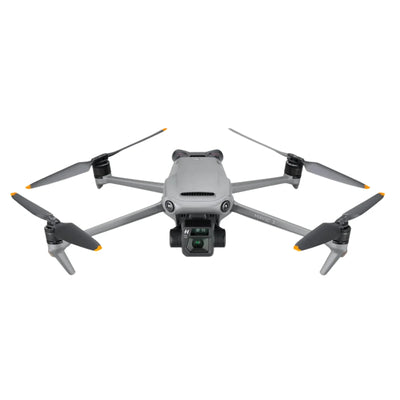
- 完全に検査され、DDP で世界中に出荷された未使用の 中古 DJI ドローンは、Reboot Hub から Mini 3 Pro で 649 米ドル (5,070 香港ドル) から入手できます。
ナイロビ CBD で DJI ドローンを飛行できますか?
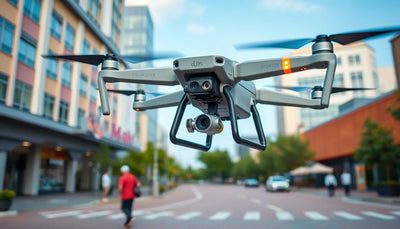
法的には可能ですが、明示的な許可がある場合に限ります。ナイロビの中央ビジネス地区は複数の管制空域ゾーンに該当します。ケニア民間航空局 (KCAA) は、ナイロビ都市圏全体をドローン警戒区域に指定しています。ミュージック ビデオ撮影を含む CBD 内のフライトには、有効なリモート Air オペレーター証明書 (ROC) とイベント固有の特別飛行運航証明書 (SFOC) が必要です。さらに、DJI’s 独自のジオフェンシング システム (GEO 2.0) は、制限された空域を検出するとドローンのモーターをロックします。中核的な飛行禁止区域は、ジョモ・ケニヤッタ国際空港 (JKIA) とウィルソン空港から半径 6 キロメートルの範囲です。 CBD は JKIA から約 12 km の距離にあるため、その大部分は認証ゾーン (青) または警告ゾーン (黄色) にあります。ハードロックされたレッド ゾーンではありませんが、ドローンは依然として自動ロック解除またはカスタムロック解除が必要です。ただし、国会議事堂、最高裁判所、州法律事務所、中央警察署、州議事堂のすぐ周辺エリア (飛行禁止 1 km) などの敏感な場所は、恒久的な強化警戒区域または制限区域としてマークされており、多くの場合、KCAA の禁止区域が重複しています。 KCAA の 2024 年の更新では、国家警察庁からの安全許可が伴わない限り、政府の建物、外交使節、または重要なインフラから半径 1 km 以内での商業 RPAS 運用は禁止されると改めて述べられています。そのため、ミュージック ビデオの撮影は複雑な CBD の中心で行われ、事務手続きが膨大になります。パイロットは少なくとも 48 時間前に飛行計画を提出し、目視距離を維持し、高度 400 フィート (約 122 m) 未満に留まらなければなりません。クリーンで紛争のない撮影を行うため、オペレーターは通常、最寄りの警察署に通報し、KCAA から一時的な空域制限 (TRA) を確保した後、安全な屋上から降ります。費用は 1 日あたり 15,000 ケニア ケニア (約 116 米ドル) です。
関連:ワール・カン・イク・フリーゲンはオランダでミン・ドローンと出会った?ベストアプリ
ナイロビ中央ビジネス地区の DJI 飛行禁止区域とは何ですか?
DJI’s ナイロビ CBD の GEO 2.0 マップには複数のカテゴリが表示されます。レッド ゾーン (モーター ロック、離陸不可) が CBD 自体の上空に現れることはめったにありません。最も近い真のレッド ゾーンは、イーストリーの軍用空軍基地 (モイ Air 基地) の周囲と JKIA のすぐ外周内側のエリアです。ただし、グレーの大きな「高度制限」ゾーンが市内中心部全体をカバーしており、サブゾーンに応じて高度は 60 m (197 フィート) または 120 m (394 フィート) に制限されます。ミュージック ビデオにとって最も問題のある場所は、州議事堂 (1 km の円周)、ギギリの国連複合施設、リムル ロードとアッパー ヒル沿いのいくつかの外国大使館を覆う強化警戒区域 (オレンジ色) です。 DJI はこれらのロックを手動で強制的に解除するため、検証済みの DJI アカウントが必要になります。また、2024 年半ば以降、多くの場合、Fly Safe ポータルにアップロードされた、サポートする KCAA 許可が必要になります。ウフル公園の中央記念碑や、現役の飛行場として扱われているケニヤッタ国際会議センター (KICC) のヘリポートにも、特定の飛行禁止ピンが設置されています。実際には、合法的な商業撮影で真にロック解除可能なエリアは、1 km の外交官/警察の緩衝地帯の外側に位置する、書面による地主の同意を得たプライベートの屋上だけです。 KCAA SFOC が接続されており、座標が飛行計画と正確に一致している場合、ナイロビの DJI’s ロック解除プロセスには通常 1 ~ 2 営業日かかります。それがなければ、CBD の DJI ロック解除リクエストは「地元の航空当局からの承認が必要です」という注記とともに拒否されます。グレーゾーンのロック解除は、たとえ許可されたとしても、最大高度は 60 m (197 フィート) に制限されており、広い都市景観のショットには厳しいです。これが、多くのプロの撮影クルーが川沿いや郊外からの撮影を選択する理由です。GEO システムでは 120 メートルの制限しか課されず、アンバー ゾーンも少なくなります。
関連:インフルエンザに対するスペインのドローン商業ライセンス
2024 年の商用ドローン撮影に関する KCAA ルールとは何ですか?

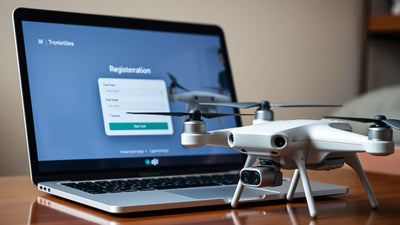
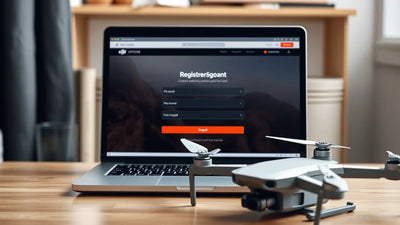
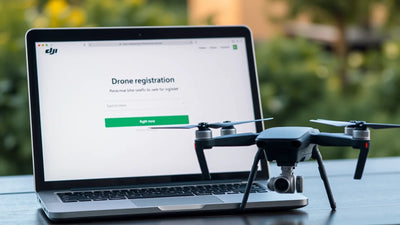
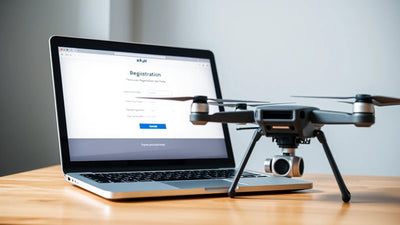
KCAA は、2020 年民間航空 (遠隔操縦航空機システム) 規則 (2024 年改正) に基づいて、ドローンの運用を 3 つのクラスに分類しています。ミュージック ビデオの撮影は、人の上空を飛行するかどうかに応じてクラス 2 または 3 に分類されます。商業活動を行う場合は、リモート Air オペレーター証明書 (ROC) を保持する必要があります。 2024 年の新規 ROC 申請の料金は、単一カテゴリーの承認に対して 50,000 ケニア・シリング (約 387 米ドル) です。 25 kg 未満のマルチローターを追加するには、25,000 ケニアシリング (約 194 米ドル) の追加料金がかかります。操縦者は18歳以上で、KCAAが認めるドローンパイロットライセンス(理論試験と飛行試験に20,000ケニアシリング≈155ドルかかるケニアのRPASパイロットライセンスなど)を保有し、最低補償額500万ケニアシリング(≈38,700ドル)の第三者賠償責任保険に加入している必要があります。個別の撮影の場合は、正確な座標、日付、時刻、最大高度、ドローンのモデルが記載された特別飛行運航証明書 (SFOC) を申請します。 SFOC の処理には 3,000 ケニア ケニア (約 23 米ドル) の費用がかかり、最低 14 営業日かかります。申請書には、リスク評価、不動産所有者からの異議なしの手紙、および撮影がナイロビ郡内で行われる場合は警察官指揮警察部 (OCPD) からのセキュリティ許可書が含まれている必要があります。すべての商用 RPAS は登録する必要があり、1 回限りの登録料 3,000 ケニア シリング (約 23 米ドル) と年間更新料 2,000 ケニア シリング (約 15.50 米ドル) がかかります。重量が 2 kg 未満の場合 (DJI Mini 3 Pro など) は依然としてオペレーターの登録が必要ですが、個別の航空機の登録は必要ありません。ただし、カメラのペイロードが商業目的で使用される場合、KCAA はそれを民間の商業運用として扱い、完全な ROC/SFOC チェーンを課します。映像をエクスポートするにはケニア映画委員会からの異議なしの通知も必要で、5 ~ 7 営業日かかります。
ナイロビでのミュージックビデオ撮影のための KCAA 許可を申請するにはどうすればよいですか?
最初のステップは、有効な RPAS ライセンスと ROC 持株会社を持つリモート パイロットを確保することです。独立して運営する予定の場合は、独自の ROC を取得するために少なくとも 30 日の予算を立ててください。申請は、KCAA PELICAN ポータル (個人ライセンスおよび証明書管理) 経由で提出されます。記入済みの OPS‑RPAS‑001 フォーム、保険証明書、ドローン メンテナンス ログ (過去 30 日以内の検査を示す必要がある)、サイト固有のリスク評価、およびジオフェンス座標を含む地図をアップロードします。ナイロビ中心部の場合、KCAA はほとんどの場合、警察のセキュリティ許可書を要求します。これは、ママ ンギナ ストリートにある中央警察署で入手できます。処理時間は 7 ~ 10 営業日で、目的、場所、ドローンの詳細、乗組員 ID を記載した認可を受けたオペレーターからの添え状が必要です。 1 日の CBD 撮影にかかる許可費用の合計は次のようになります。 SFOC – KSh 3,000 ($23 USD)。 ROC 修正手数料 (航空機を追加する場合) – 5,000 ケニア シリング (39 米ドル)。航空機登録 – 3,000 KSh (23 米ドル)。一時予約エリア (TRA) が必要な場合は、毎日の空域予約料金 – 15,000 ケニア シュラウド (116 米ドル) がかかります。パイロット料金と機器を除き、KCAA 料金だけでおよそ 26,000 ~ 30,000 ケニア ケニア (200 ~ 232 米ドル) かかると予想されます。 SFOC が発行されたら、DJI Fly アプリ経由で DJI Fly Safe に転送し、カスタム ゾーンのロックを解除します。最初の申請からドローンのブロック解除までのプロセス全体には、現実的には 20 ~ 25 営業日かかります。国際的な撮影スタッフは、多くの場合、地元のフィクサー/映画サービスを雇ってこれを処理します。許可促進のための通常の代理店手数料は 400 ~ 600 米ドルです。
ケニアの違法ドローン飛行に対する罰金は何ですか?
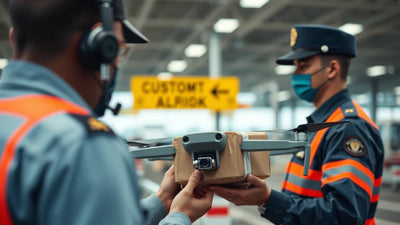
航空法 CAP に基づく。第 394 条では、管理区域内での RPAS の無許可操作、または無許可の RPAS 操作は、最大 2,000,000 ケニア・シリング (15,400 米ドル) の罰金または 2 年以下の懲役、あるいはその両方に処される可能性があります。違反に群衆、政府の建物、または安全上の注意が必要な地域の上空を飛行することが含まれる場合、ドローンは直ちに没収され、操縦者は逮捕される可能性があります。 2023年、KICC近くでSFOCなしで結婚式を撮影した地元の映画製作者が50万ケニア・シリング(3,870米ドル)の罰金を科され、DJI Mavic 3を押収された。ドローンは返却されなかった。違反を繰り返すと、ROC の保持が永久に禁止されます。 DJI は、独自の説明責任も強制します。有効なロック解除をせずにレッド ゾーンで飛行しているドローンを捕捉すると、アカウントが記録され、DJI アカウントが永久に停止され、ハード リセット後でも航空機のファームウェアがリモートで無効になる可能性があります。ケニア歳入庁(KRA)は現在、外国人旅行者に対し、500ドル以上のドローンについて一時輸入保証金の支払いを義務付けている。税関で申告を怠った場合、ドローンの価値の 100% に加えて 50,000 ケニア ケニア (388 米ドル) の罰金が課される可能性があります。債券自体の費用は月あたりドローンの CIF 価値の 1% です。したがって、1,500ドルのドローンには月額15ドルの保証金が発生し、申告されていない場合は1,500ドルの罰金が課される可能性があります。遵守は回避よりもはるかに安価です。
Pristine 中古 ドローンを購入できる場所
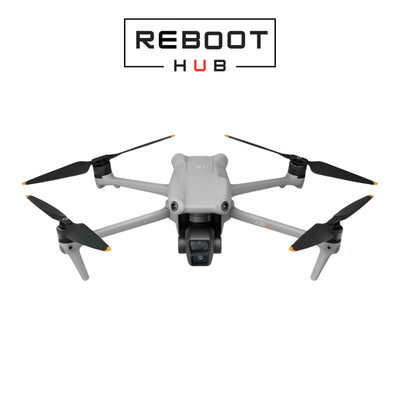
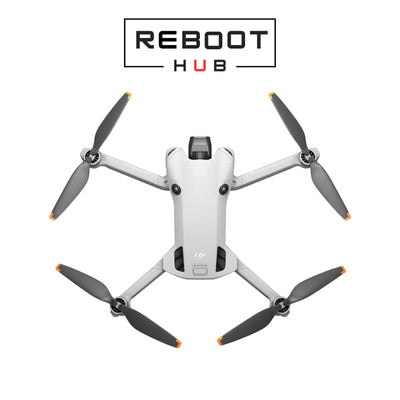
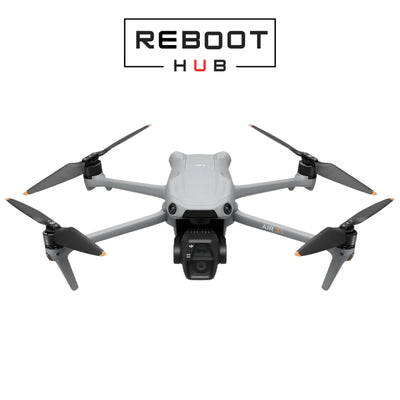
ミュージック ビデオ撮影では、機材の信頼性は交渉の余地がありません。 Reboot Hub (reboot-hub.com) は、中古 ではない未使用の中古ドローンを提供しています。各ユニットは 40 項目の検査に合格し、純正 OEM 部品のみが付属しています。すべてのドローンには 2 つの状態グレードがあります。完璧 (グレード A+)、アクティベーションのみのモデルは飛行したことがなく、純正 中古 (グレード A), with minimal use and zero visible marks. A flawless DJI Mavic 3 Pro Cine (with RC Pro controller) lists at $2,249 USD (≈HK$17,570), while a pristine Mini 3 Pro with DJI RC starts at $649 USD (≈HK$5,070). Every purchase includes a 180‑day warranty, and Reboot Hub’s Shenzhen‑based chip‑level repair centre handles post‑warranty fixes. Repairs are performed by MOHRSS Level 3 certified technicians with a 3–5 day turnaround; a main board replacement for a Mavic 3 costs $189 USD (HK$1,475). Global DDP shipping from Shenzhen/Hong Kong covers all duties and taxes, so the price you see is the final delivered price — no customs surprises when importing into Kenya. The Kenya Import Duty for drones is 25%, which on a $2,249 drone would be $562; DDP eliminates that headache. Reboot Hub also supplies drone‑flying accessories like strobe lights for night filming (FHT Dual‑L ADA compliant, $59 USD/HK$460) and long‑range antennas, with the same inspection rigour and DDP terms.
シナリオ解決パス
この回答を Reboot Hub シナリオ ライブラリに接続したままにしておきます

この記事はルール/ライセンス部門に属します。ハブを使用して、近くの購入者の質問、確認、次のステップのガイドを比較します。
ルール/ライセンスシナリオのパスを開きます 【3】よくあるご質問よくある質問
Q: ケニアでミュージック ビデオ撮影のために DJI Mini ドローンを飛行させるにはライセンスが必要ですか?
A: はい、撮影が商用の場合、ドローンが DJI Mini 3 Pro のように 250 g 未満であっても可能です。 KCAA では、商業活動を、報酬を得る目的、または販売用のコンテンツを作成するためのあらゆる飛行と定義しています。リモート Air オペレーター証明書 (ROC) と有効な特別飛行運航証明書を保持している必要があります。 2 kg 未満の航空機は別途登録する必要はありませんが、オペレーターは KCAA に登録し、年会費 KSh 3,000 (23 米ドル) を支払う必要があります。少なくとも 500 万 KSh (38,700 米ドル) の賠償責任保険への加入も義務付けられています。
Q: ナイロビで KCAA によって許可される最大高度はどれくらいですか?
A: すべての RPAS の標準最大高度は、地上から 400 フィート (122 m) です。ナイロビ CBD では、多くの場合、実際の制限はこれより低くなります。DJI GEO ゾーンでは、州議会議事堂と KICC 周辺の灰色の認可エリアで高度を 60 m (197 フィート) に制限することがよくあります。 SFOC を申請する際、特定の高度を要求することもできますが、KCAA では、安全上の理由から、群衆や密集した道路上空で 150 フィート (46 m) を超える高度を承認することはほとんどありません。 TFR (一時的な飛行制限) により天井が 0 フィートまで下がる可能性があるため、飛行当日は必ず DJI Fly Safe マップを確認してください。
Q: ミュージック ビデオのために夜間に DJI ドローンを飛行させることはできますか?

A: はい、ただし、ROC での夜間飛行運用の承認が別途必要です。承認申請には 5,000 ケニア・シリング (39 米ドル) の費用がかかり、追加の安全装置が必要です。ドローンには法定マイル 3 メートル先から見える可視衝突防止ストロボ ライト (FHT Dual‑L または同等品、約 59 米ドル) が装備されている必要があり、パイロットは KCAA 指定の試験官による夜間飛行技能検査に合格する必要があります。 SFOC は夜間業務を明示的に規定する必要があります。ナイロビ CBD SFOC は、完全な現場安全計画が提出されない限り、政府庁舎付近の夜間飛行を許可することはほとんどありません。
Q: 1 日のミュージック ビデオ撮影の KCAA ドローン許可の費用はいくらですか?
A: ナイロビでの 1 日のコマーシャル撮影に対する KCAA 固有の料金の総額は、約 26,000 ~ 30,000 ケニア シュルツ (200 ~ 232 ドル) です。この内訳は、SFOC 処理手数料 – KSh 3,000、航空機登録 (該当する場合) – KSh 3,000、ROC 修正 – KSh 5,000、および毎日の空域一時予約エリア (TRA) 料金 – KSh 15,000 となります。追加の必須費用には、第三者保険 (Mini 3 Pro の場合、年間およそ 8,000 ケニア シリング、62 米ドル) および警察の許可 (管理手数料 1,000 ケニア シリングがかかる場合があります) が含まれます。パイロット ライセンスと ROC の初期料金は個別に発生し、定期的に発生します。
Q: DJI ドローンがロックを解除せずに飛行禁止区域に入った場合はどうなりますか?
A: DJI’s GEO 2.0 システムは、最初に視覚的および音声による警告を発行します。ドローンが赤色の制限区域内に進入し続けると、モーターは自動着陸するか、離陸を拒否します。強化された警告ゾーンでは、ドローンは境界線でホバリングし、前進を拒否します。イベントは DJI’s サーバーに記録され、アカウントにリンクされます。 KCAA が不正なフライトを発見した場合、多くの場合、電話による苦情や AeroScope の検出によって、即時に没収され、最低 500,000 ケニア ケニア (3,870 米ドル) の罰金が科され、ROC が取り消される可能性があります。 DJI はアカウントを永久に停止し、ファームウェアのリセット後にドローンをブロックする可能性もあります。
Q: ナイロビのミュージック ビデオのドローン撮影の許可をすべて取得するのにどれくらい時間がかかりますか?
A: ROC 申請を開始した瞬間 (お持ちでない場合) から SFOC と警察の許可が発行されるまで、20 ~ 25 営業日かかるように計画してください。 ROC 自体は、KCAA が文書を受け入れてから最大 14 営業日かかる場合があります。警察の許可により 7 ~ 10 日の営業日が追加されます。 SFOC には 14 営業日が必要です。すでに有効な ROC を保有しており、ドローンが登録されている場合は、SFOC と警察の手紙は 14 営業日で完了できます。認可を受けた現地オペレーターを雇用する国際乗組員は、オペレーターの資産が最新で空域が利用可能であれば、最終的な SFOC までのスケジュールを 5 ~ 7 営業日に短縮できます。
よくある質問
DJI ノー フライ ゾーン ナイロビ CBD KCAA ミュージック ビデオ ルールについて最初に確認すべきことは何ですか?
娯楽目的と商用目的を区別し、登録、操縦免許、空域承認、保険、プライバシー規則を関連当局に確認してください。
ドローンの規則によって購入の意思決定は変わりますか?
はい。重量、カメラ、ペイロード、バッテリーの設定、コントローラーのタイプ、書類手続きによって、どの 中古 DJI モデルが実用的かが変わる可能性があります。
この記事は公式の法的アドバイスに代わるものですか?
いいえ。これを購入者計画チェックリストとして扱い、指定された航空会社、税関、または地方自治体に現在の規則を確認してください。
公式情報源:KCAA ケニア (民間航空局)。ドローンの規制は頻繁に変更されます。飛行する前に必ず航空当局に現在の規則を確認してください。
技術資料と仕様
モデルの仕様、分解情報に基づく修理メモ、一般的な障害点、および 中古 の価格については、Reboot Hub DJI ドローン Wiki— 64 のモデルと 700 以上のマッピングされた部品。文書化された修理によって維持されています。検証済みの 中古 株を参照中古 DJI コレクション.
Keep exploring
Further reading
From Reboot Hub クロニクル
From ドローンガイド