DJI ドローン用リチウム電池の中国からUAEへの輸送(IATA規則)
Reboot Hub シナリオガイド
購入者向け説明書: ライセンスと運用ルールの確認

状況:DJI ドローン リチウム バッテリーの中国から Uae IATA ルールへの発送。このガイドでは、最初に特定の状況に答えてから、読者を Reboot Hub's 検証済みの 中古 購入パスに接続します。
ユースケースファースト
ルールを解釈する前に、レクリエーション、コマーシャル撮影、検査、採掘、地図作成、およびイベントを分離してください。
権限チェック
登録、パイロットライセンス、制限空域、保険、プライバシー規則を関連当局に確認してください。
購買への影響
ルールにより、インポート前に必要な適切なモデル、ペイロード、コントローラー、事務処理、および販売者の文書が変更される可能性があります。
関連する Reboot Hub ガイド:ドローン比較2026関税と VAT ガイド保証・修理のご案内Reboot Hub 規格
簡単な回答
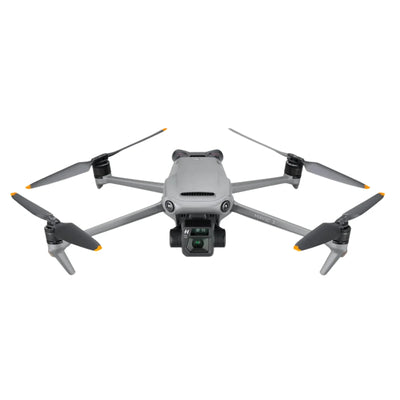
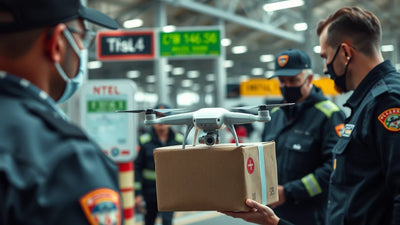
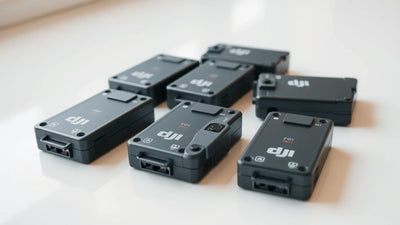
- IATA は、DJI ドローン用 LiPo バッテリーを UN 3481 に基づくクラス 9 危険物として分類しています。梱包指示 967 (リチウムイオン電池を含む機器) を使用してください。
- ドローンに搭載されているバッテリーが 100 Wh 以下の場合 (セクション II)、危険物申告は必要ありません。リチウムバッテリーのマークと、パッケージのバッテリー正味重量が 10 kg 未満の場合の注記だけです。
- DDP air freight from Shenzhen to Dubai (DXB) costs $8–12/kg (HKD 62–94/kg) for shipments over 50 kg and takes 3–5 business days, including lithium battery surcharges.
- イベントコーディネーターは、訓練を受けた DG スペシャリストによって記入された危険物に関する荷主申告書 (DGD) を持っていなければなりません。また、UAEからのリチウム電池の輸入許可も確保した。
- Reboot Hub’s 深セン修理センターは、各 中古 ドローンに IATA 準拠のバッテリー ラベルを準備し、UAE への DDP 発送を提供しているため、コンプライアンスの推測を排除しています。
中国から UAE への DJI ドローン バッテリーの輸送に関する IATA 規則は何ですか?
DJI ドローンを中国本土 (深セン) または香港から UAE に輸送する場合、内部のリチウム ポリマー バッテリーは IATA DGR に従って危険物に分類されます。該当する国連番号は、国連 3481– 機器に含まれるリチウムイオン電池。 IATA 梱包指示 (PI) 967 には 2 つのパスがあります。100 Wh 以下のバッテリーのセクション II (Mavic 3、Air 3、Mini 4 Pro) (危険物申告は必要ありません)、および 100 Wh を超えるバッテリーのセクション I (Inspire 2 TB55 など)バッテリー容量は174.6Wh)。セクション II の出荷品には、リチウム バッテリー取り扱いラベル (赤色の斜線ハッチ デザイン)、PI 967 セクション II への準拠を示す注記を表示する必要があり、パッケージのバッテリー正味重量は 10 kg を超えてはなりません。セクション I では、完全に記入された危険物に関する荷主申告書、国連仕様の梱包、および 30% の充電状態制限が必須です。 UAE ではリチウム電池の輸入許可が必要です。イベントコーディネーターは、フライトの少なくとも 10 営業日前までに申請を開始する必要があります。
関連:DJI を使用した商業用不動産ドローン運用のための SACAA パート 101
リチウム電池を搭載した DJI ドローンを深センからドバイまで輸送するのにかかる費用はいくらですか?
セクション II に基づいてバッテリーが取り付けられた DJI Mavic 3 (3 kg パッケージ) 1 個を IATA 認定の宅配便で発送する場合の送料45 ~ 65 ドル(350 ~ 507 香港ドル) ドバイ行きのドアツードア DDP。バッテリーのみ(UN 3480)を発送する場合、価格は次のように上昇します。75~95ドル(585 ~ 741 香港ドル)。大規模な混載貨物の場合、リチウム電池追加料金を含む航空貨物の平均 DDP 料金1 kg あたり 10 ~ 14 ドル50 kg を超える貨物の場合 (HKD 78 ~ 109/kg)。 1 件の貨物に対する専用の危険物コーディネーター料金は、次のとおりです。80~120ドル(バンドルされていない場合は 624 ~ 936 香港ドル)。 Reboot Hub’s DDP サービスでは、すべての書類とリチウムの取り扱いが購入価格に組み込まれているため、最終的な陸揚げコストには隠れた追加料金は表示されません。
関連:AFAC 対 FCC ドローン認定: メキシコの映画制作者の仕事とは
イベントコーディネーターがドローンのリチウムバッテリーの発送に必要な書類は何ですか?

イベント コーディネーターは以下を組み立てる必要があります。(1) UN 3481 と緊急電話番号が記載されたリチウム電池取り扱いラベル。 (2) HS コード 8525.80 (ドローン) および 8507.60 (バッテリー) を記載し、「機器内のリチウムイオン電池 - IATA DGR PI 967 セクション II に従って制限されていない」と記載された商業送り状。 (3) 航空運送状。 (4) セクション I が適用される場合は、荷送人の危険物申告書。 UAE の荷受人は FANR からのリチウム電池輸入許可を提示する必要があり、それには費用がかかります65ドル(507 香港ドル)、5 ~ 7 営業日かかります。ドローンに送信機が付いている場合は、TRA 登録が必要になる場合があります。 Reboot Hub は、事前に記入された危険物メモと、MOHRSS Level 3 認定技術者が署名したコンプライアンスレターを提供し、通関を合理化します。
配送にはどれくらい時間がかかりますか? UAE の通関手続きはどのようなものですか?
深セン (SZX) からドバイ (DXB) への Air 貨物の乗り継ぎ3 ~ 5 暦日。戸別訪問 DDP サービスの平均7~10日中国の輸出手続き、航空会社の危険物の受け入れ、UAE の輸入通関を含めた場合。セクション II の貨物は通常 4 ~ 6 時間以内にドバイ税関を通過します。セクション I の積荷は 24 ~ 48 時間の検査保留に直面する可能性があり、50 ~ 80 ドル(HKD 390 ~ 624) 保管料。イベントコーディネーターはショーの前に 10 日間のバッファーを構築する必要があります。 Reboot Hub’s DDP 条件には UAE 関税 (5%) と VAT (5%) が含まれているため、荷受人は COD 手数料なしでドローンを受け取ります。
信頼性の高いリチウムバッテリー準拠の Pristine 中古 ドローンを購入できる場所
Reboot Hub (reboot‑hub.com) が販売未使用の中古ドローン— 中古 ではありません — 40 項目の検査に合格し、純正 OEM 部品のみを使用しています。状態グレード:完璧 (グレード A+)、起動のみで飛行はありません、そして未使用の中古品 (グレード A)、最小限の使用で目に見える痕跡はありません。完璧な状態の DJI Mavic 3 Fly More Combo は、$1,350(HKD 10,530)、グレード A バージョンは$1,150(8,970 香港ドル)。すべてのドローンはバッテリーが取り付けられた状態で出荷され、IATA PI 967 のラベルが事前に付けられ、180 日間の保証and DDP global delivery from Shenzhen/HK. The in‑house repair centre handles chip‑level work; its technicians are certified to MOHRSS Level 3, ensuring each battery is charged to exactly 30% and compliant. A 3‑5 day turnaround on pre‑ship repairs means event‑ready timelines stay intact.
シナリオ解決パス
この回答を Reboot Hub シナリオ ライブラリに接続したままにしておきます
この記事はルール/ライセンス部門に属します。ハブを使用して、近くの購入者の質問、確認、次のステップのガイドを比較します。
ルール/ライセンスシナリオのパスを開きます 【4】よくあるご質問よくある質問

Q: Can I ship a DJI drone with a battery over 100 Wh from China to the UAE?
A: はい。ただし、バッテリーは IATA PI 967 セクション I に基づいて危険物に関する荷送人の申告書とともに輸送する必要があります。 TB60 バッテリー (274 Wh) を搭載した Matrice 300 などのドローンには、30% の充電状態、UN 仕様のパッケージ、および DGSA 承認の書類一式が必要です。追加料金を期待する120~180ドル手数料 (940 ~ 1,400 香港ドル) と 24 時間 48 時間の税関保留。 UAE の輸入業者は FANR からのリチウム電池輸入許可も取得する必要があり、それには費用がかかります$65(HKD 507)、入手には 5 ~ 7 営業日かかります。
Q: バッテリーを内蔵した状態で出荷される DJI Mavic 3 には危険物申告が必要ですか?
A: No. The Mavic 3 battery is rated at 77 Wh, well under the 100 Wh threshold, so you ship under Section II of PI 967. No Dangerous Goods Declaration is required — only the lithium battery handling label and the compliance note. A courier shipment from Shenzhen to Dubai for a 2.5 kg box with these labels typically costs55ドル(HKD 429) DDP、すべての書類は運送業者によって事前承認されています。
Q: IATA PI 967 セクション II に基づくパッケージあたりのバッテリーの最大正味重量はいくらですか?
A: 天井は 【3】10kg10kgパッケージあたりのバッテリーの正味重量。 DJI Mavic 3 バッテリー 1 個の重量は 0.335 kg なので、理論的には 29 個のバッテリーを収容できますが、「機器ごとに 2 個のバッテリー」というルールにより、1 台のドローンの数には上限があります。バッテリーを取り付けた状態で複数のドローンを発送する場合、外箱あたりのバッテリー正味重量の合計は 10 kg 未満に抑える必要があります。それを超えると、貨物はセクション I に強制的に入れられ、DGD と国連のテストが必要になります。
Q: 1 回のドローン輸送に対して IATA 危険物コーディネーターを雇うのにいくらかかりますか?

A: 深セン在住のフリーランスの DG スペシャリストが担当80~120ドル(HKD 624–936) 荷送人の申告書を作成し、梱包を確認します。フルサービスの DDP 貨物パッケージを予約すると、調整料金がバンドルされており、おおよその追加料金がかかります1 kg あたり 0.75 ~ 1.00 ドル。 Reboot Hub’s 物流チームは、新品の中古ドローンを購入する際に追加料金なしで DG コンプライアンスを組み込んでいます。そのため、別途コーディネーター費用が発生することはありません。
Q: 中国から UAE への DDP の輸送には、リチウム電池の取り扱いと UAE の関税が含まれますか?
A: はい。真の DDP (Delivered Duty Paid) サービスには、貨物、危険物追加料金、ドローンに対する 5% の UAE 関税、および 5% の VAT が含まれます。 3 kg Mavic 3 パッケージの場合、DDP レートの範囲は次のとおりです。55 ~ 70 ドル(429 ~ 546 香港ドル)。 50 kg を超える大型貨物の場合は、オールイン料金が適用されます。10 ~ 14 ドル/kg(HKD 78 ~ 109/kg)。突然の請求が発生しないように、DDP の見積書に「リチウム電池の取り扱いが含まれている」と明示的に記載されていることを必ず確認してください。
Q: Reboot Hub は、中古ドローンを UAE に出荷する際に、どのようにしてリチウム バッテリーのコンプライアンスを確保しますか?
A: Reboot Hub’s Shenzhen repair centre employs MOHRSS Level 3‑certified technicians who run every battery through a 40‑point inspection. They discharge the battery to exactly 30%, verify internal resistance, and affix the new IATA lithium battery handling label with UN 3481. A safety data sheet and Section II compliance statement are placed inside the package. Because the drone ships with the battery installed, the shipment automatically falls under PI 967 Section II for consumer drones. The DDP‑managed air freight then uses IATA‑registered forwarders who submit all documentation to UAE customs, ensuring the consignee receives a ready‑to‑fly, fully cleared unit.
よくある質問
dji ドローンのリチウムバッテリーの中国から uae iata への配送ルールについて、最初に確認すべきことは何ですか?
娯楽目的と商用目的を区別し、登録、操縦士免許、空域承認、保険、プライバシー規則を関連当局に確認してください。
ドローンの規則によって購入の意思決定は変わりますか?
はい。重量、カメラ、ペイロード、バッテリーの設定、コントローラーのタイプ、書類手続きによって、どの 中古 DJI モデルが実用的かが変わる可能性があります。
この記事は公式の法的アドバイスに代わるものですか?
いいえ。これを購入者計画チェックリストとして扱い、指定された航空会社、税関、または地方自治体に現在の規則を確認してください。
公式情報源:UAE GCAA (一般民間航空局)·CAAC — UAS 運用管理プラットフォーム (UOM)。ドローンの規制は頻繁に変更されます。飛行する前に必ず航空当局に現在の規則を確認してください。
技術資料と仕様
モデルの仕様、分解情報に基づく修理メモ、一般的な障害点、および 中古 の価格については、Reboot Hub DJI ドローン Wiki— 64 のモデルと 700 以上のマッピングされた部品。文書化された修理によって維持されています。検証済みの 中古 株を参照中古 DJI コレクション.
Keep exploring
Further reading
From Reboot Hub クロニクル

From ドローンガイド