Domande su registrazione e volo del DJI Mini 3 Pro in Corea del Sud
Guida rapida ai voli con Mini in Corea del Sud
Risposta rapida
- Una configurazione Mini di massa ridotta non rende ogni volo in Corea del Sud una semplice questione di registrazione con risposta sì o no. Occorre valutare separatamente configurazione del velivolo, scopo, luogo, modalità di volo e piano delle riprese.
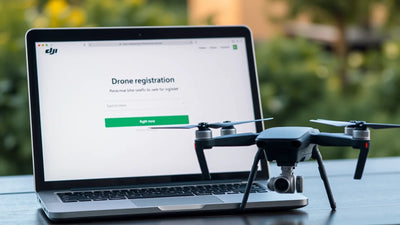
- Per il velivolo specifico e il volo previsto, segui la procedura aggiornata Drone One-Stop e quelle delle autorità coreane competenti. Non fare affidamento su un vecchio post di un visitatore, su un riepilogo datato delle soglie o sulle dichiarazioni di un venditore.
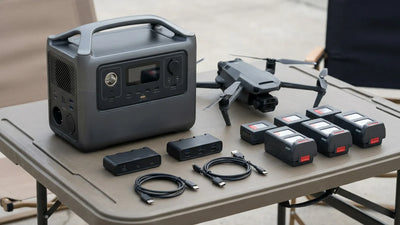
- La batteria standard, quella alternativa, gli accessori e l'attrezzatura installata possono modificare i dati da sottoporre alla procedura aggiornata. Annota il kit esatto prima di chiedere informazioni.
- La registrazione del velivolo, l'autorizzazione al volo, i permessi per le riprese, l'accesso alla proprietà e la documentazione d'acquisto sono ambiti distinti. Una risposta positiva in uno non risolve gli altri.

A quale ambito appartiene ciascuna domanda sul Mini 3 Pro in Corea del Sud?
| Domanda | Dati da preparare | Procedura aggiornata da seguire | Cosa non dare per scontato |
|---|---|---|---|
| Aeromobile specifico | Modello, batteria, accessori, documentazione identificativa e configurazione attuale | Indicazioni aggiornate su registrazione o dotazione | Che tutti i kit della serie Mini siano soggetti alle stesse regole |
| Volo previsto | Luogo, orario, altezza, percorso, persone nelle vicinanze e condizioni di visibilità | Informazioni aggiornate sullo spazio aereo e sull'area di volo | Che un aeromobile di massa ridotta sia disponibile in ogni luogo |
| Riprese | Finalità della fotocamera, soggetto, contatto per la proprietà e area prevista | Procedura aggiornata per riprese, sito e autorità pubbliche competenti | Che le regole applicabili all'aeromobile determinino l'accesso per le riprese |
| Operatore | Operatore identificato, modalità prevista e ruolo effettivo | Informazioni aggiornate su qualifiche e modalità operative | Che una scheda prodotto descriva gli obblighi dell'operatore |
| Acquisto | Venditore, numero di serie, fattura, condizioni e kit supportato | Venditore e procedura di assistenza per il prodotto | Che la documentazione d'acquisto autorizzi un volo futuro |

Perché restare sotto la soglia non esaurisce la risposta per la Corea del Sud?
Il riferimento al peso è solo uno degli aspetti da considerare per il volo effettivo. Le regole applicabili possono dipendere dalla configurazione specifica dell'aeromobile, dalle modalità di volo, dal luogo, dalle persone nelle vicinanze e dall'eventuale necessità di effettuare riprese o accedere a un sito. Chi acquista non dovrebbe basarsi su una vecchia indicazione relativa alla soglia, trascurando le procedure aggiornate per il proprio piano specifico.
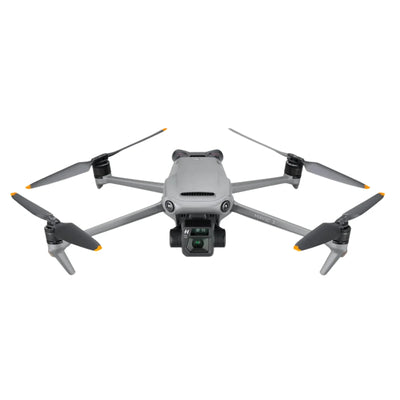
Per prima cosa, annota il kit Mini 3 Pro effettivo: aeromobile, batteria, accessori, radiocomando ed eventuali apparecchiature aggiuntive. Descrivi poi il luogo e l'attività previsti in Corea del Sud. In questo modo, la procedura pertinente potrà fare riferimento a un'operazione concreta, anziché a un'indicazione incompleta come drone sotto la soglia di peso o drone da viaggio.
Che cosa dovrebbe verificare un visitatore sulla specifica configurazione del Mini?
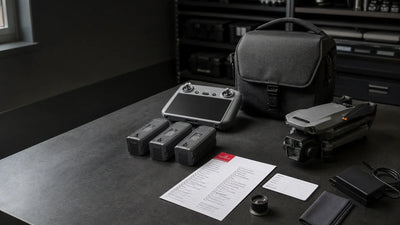
Prima di valutare qualsiasi questione relativa alla registrazione o al volo, verifica l’esatto aeromobile e la sua configurazione. Un modello della serie Mini può essere venduto con diverse combinazioni di batterie e accessori: l’acquirente dovrebbe sapere quali componenti sono effettivamente inclusi nell’acquisto. Conserva insieme i dati del modello, del radiocomando, delle batterie, il numero di serie, l’identità del venditore, la fattura e il documento sulle condizioni dell’unità.
Chiedi al venditore del drone usato di dimostrare il normale funzionamento con il kit abbinato. Questo offre all’acquirente un punto di partenza concreto, ma non dimostra che un futuro volo in Corea del Sud sia consentito. Valuta separatamente le condizioni dell’unità e i permessi operativi.
- Verifica che l’aeromobile, il radiocomando e il set di batterie corrispondano a quanto riportato nei documenti di vendita.
- Registra la configurazione che verrà trasportata o usata in volo, non solo il nome del modello.
- Fai riferimento a materiale ufficiale aggiornato, non a modifiche non ufficiali della regione o del firmware.
- Prevedi un’alternativa che non richieda il volo, qualora il piano effettivo non possa essere realizzato.

Come si dovrebbe valutare un’area di volo in Corea del Sud?
È necessario verificare le condizioni aggiornate per la località specifica. Aeroporti, spazi aerei controllati, strutture protette, aree urbane, luoghi di eventi e proprietà private possono comportare questioni diverse. Per il luogo e le modalità di volo previsti, consulta Drone One-Stop e gli altri canali pertinenti delle autorità o della struttura, senza dare per scontato che un riepilogo nazionale chiarisca le condizioni dello spazio aereo sulla mappa.
Il piano di ripresa più sicuro specifica prima del viaggio la località, l’orario, il percorso, le persone nelle vicinanze e la modalità di recupero. Se non sono chiare le condizioni dell’area, l’approvazione o le regole della proprietà, modifica la ripresa oppure scegli un’opzione da terra. Il calendario dei contenuti non giustifica improvvisazioni su questioni aeronautiche o relative al luogo ancora irrisolte.
Perché riprese e attività commerciali vanno considerate separatamente dallo stato dell’aeromobile?
Un drone dotato di fotocamera, un viaggio per hobby, una ripresa sponsorizzata e un incarico retribuito per un cliente possono comportare circostanze diverse; nessuno di questi casi, però, dovrebbe essere ricondotto a un’unica etichetta trovata online. Spiega al canale competente aggiornato lo scopo effettivo, l’operatore, la località, il soggetto ripreso e le modalità di volo previste. In questo modo, non si scambia una piattaforma video o la descrizione di un prodotto per una valutazione delle condizioni operative.
L’accesso alla proprietà, le aspettative in materia di privacy e gli eventuali permessi per le riprese possono essere questioni distinte dal trattamento aeronautico. Conserva nel piano di volo i requisiti scritti della struttura o del cliente, ma non presentare un accordo relativo all’evento come conferma di un’autorizzazione di volo più ampia.

Come dovrebbe prepararsi un acquirente prima di portare un Mini usato in Corea del Sud?
Scegli un’unità con documentazione e considera la possibilità che le disposizioni aggiornate richiedano di cambiare il piano. L’acquirente dovrebbe conservare i dati dell’aeromobile, del radiocomando, delle batterie, il numero di serie, quelli del venditore, la fattura e la prova di pagamento, la dichiarazione sulle condizioni e ogni informazione relativa all’assistenza. Una documentazione coerente è più utile di una promessa del venditore su registrazione, spazio aereo, riprese o assistenza.
Consulta la pagina di riferimento sui Mini e Drone Wiki per informazioni sul prodotto, quindi collega la documentazione dell’acquisto alla missione effettiva in Corea del Sud. L’obiettivo è prendere una decisione consapevole e disporre di un’alternativa praticabile, non affermare che un drone usato sia autorizzato in ogni luogo o per qualsiasi uso.
Consulta il Drone Wiki per informazioni sul modello e sulla compatibilità, poi torna al percorso operativo qui sopra.
Keep exploring
Further reading
From La cronaca di Reboot Hub


From Guide ai droni