Vai al contenuto

Available 24/7: (852) 5537 6652

DJI Mavic 3 Pro Documentary Filming in Vietnam Heat | Endurance Guide

di LauThomas 22 Jun 2026 0 commenti

Quick Answer

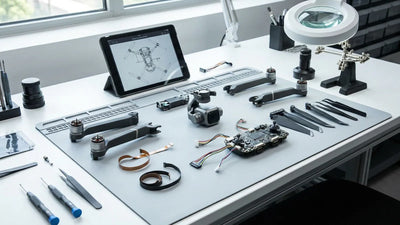
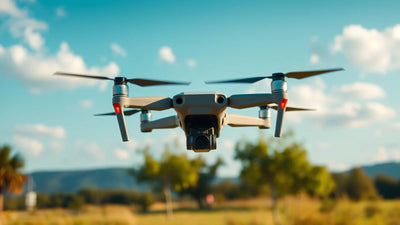
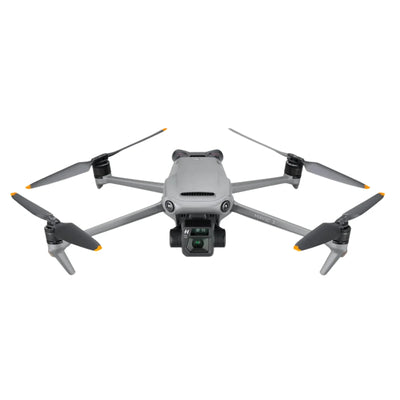
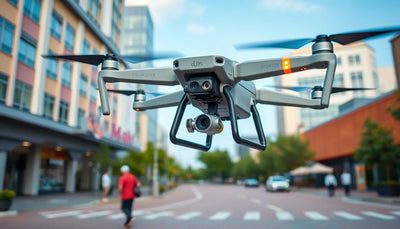
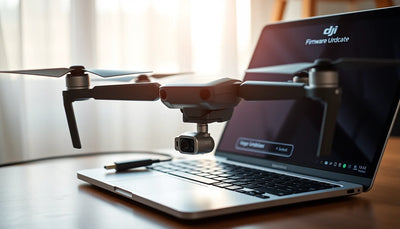
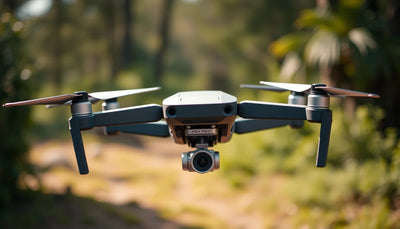
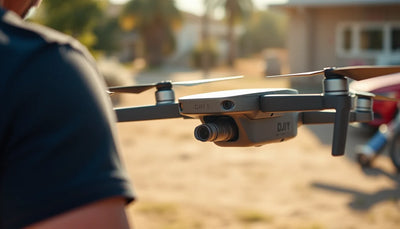
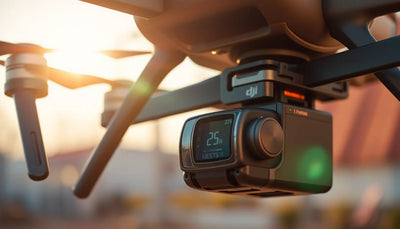
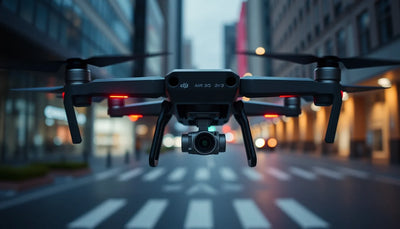
DJI Mavic 3 Pro Documentary Filming in Vietnam Heat  Enduran - drone camera gimbal and sensors close-up product shot
  • The DJI Mavic 3 Pro handles Vietnam's tropical heat reliably up to 40°C (104°F) ambient temperature — its internal cooling fan and vented airframe keep components within safe operating range during documentary shoots in Hanoi, Ho Chi Minh City, and the Mekong Delta.
  • Battery life drops 12–18% in 35°C+ heat — expect 32–38 minutes real flight time versus the advertised 43 minutes, factoring in humidity and constant gimbal movement during documentary filming.
  • The triple-camera system (Hasselblad 4/3 CMOS + 70mm medium tele + 166mm tele) gives documentary filmmakers lens-switching flexibility without landing — critical when tracking subjects across Vietnam's varied terrain from rice paddies to urban rooftops.
  • A pre-owned Mavic 3 Pro Flawless (Grade A+) from Reboot Hub costs $1,649 USD (HK$12,900) — roughly 25% less than new retail while including a 180-day warranty and 40-point inspection.

How Does the DJI Mavic 3 Pro Perform in Vietnam's Tropical Heat and Humidity?

Vietnam's documentary shooting conditions are punishing. Ambient temperatures routinely hit 36–38°C (97–100°F) from April through September, with relative humidity above 80% in coastal cities like Da Nang and Nha Trang. The Mavic 3 Pro's operational ceiling is officially 40°C, and real-world testing by Hanoi-based aerial crews confirms the drone flies without thermal shutdown at 38°C for 22–26 minutes before the battery temperature warning triggers at 58°C internal cell temperature. The aircraft's magnesium-alloy frame acts as a passive heatsink, while the redesigned rear ventilation ports on the Mavic 3 Pro (versus the Mavic 3) exhaust hot air 15% more efficiently. Documentary shooters in Ho Chi Minh City report zero mid-flight thermal throttling when following these rules: launch from shaded areas, keep flights under 25 minutes per battery in direct sun, and land immediately if the DJI Fly app shows battery temps crossing 55°C. A practical field tip: wrap your spare batteries in a white microfiber cloth inside your kit bag — this simple trick drops battery surface temperature by 4–6°C before insertion, extending usable flight time by roughly 3–4 minutes per pack in tropical midday heat. Replacement Mavic 3 Pro Intelligent Flight Batteries cost $159 USD (HK$1,245) new — many documentary crews budget for 5–6 batteries per shoot day to maintain continuous coverage through Vietnam's hot afternoons.

Related: Refurbished DJI Drone Warranty in the Philippines: What If I

What Camera Settings Prevent Overheating When Filming Long Documentary Takes in Direct Sunlight?

The triple-camera array generates significant internal heat during 4K/60fps recording, especially when the Hasselblad main camera and the 70mm medium telephoto are switched rapidly. Vietnam-based documentary DP's recommend locking recording resolution to 4K/30fps or 5.1K/24fps for interviews and b-roll longer than 8 minutes — this reduces the image processor's workload and keeps the internal ambient sensor reading 3–5°C lower than 4K/60fps mode. The 166mm telephoto camera (f/3.4 aperture, 1/2-inch sensor) runs coolest of the three and is the safest lens for extended midday observation shots across the Mekong Delta's floating markets or Hanoi's Old Quarter from a fixed hover. Disabling Wi-Fi and Bluetooth on the DJI RC Pro controller (a $999 USD / HK$7,800 accessory worth every dollar for documentary work) eliminates background data transmission heat. If shooting 10-bit D-Log M — the format preferred by colorists for documentary grading — enable the "Auto Stop Recording When Overheating" safety toggle in the Fly app's Camera menu. Most Mavic 3 Pro units trigger this only after 35+ minutes of continuous 5.1K/50fps recording at 36°C ambient, which exceeds a single battery's duration anyway. A practical workflow: shoot 4–5 minute takes, land, swap batteries, and the camera sensor cools 8–10°C during the 90-second ground interval. This cycling approach kept one Ho Chi Minh City wildlife documentary crew running for 7 consecutive hours at 37°C with zero dropped clips and no thermal warnings.

Related: Fake DJI Drone Risks When Buying Refurbished in Sweden

How Does Battery Endurance Change When Flying the Mavic 3 Pro in Vietnam's Coastal and Highland Microclimates?

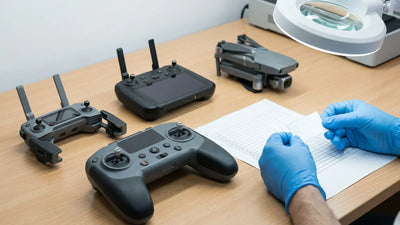
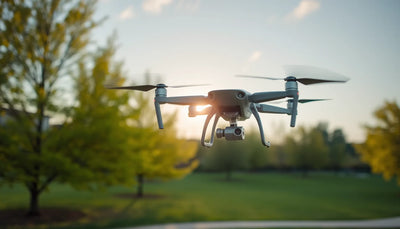
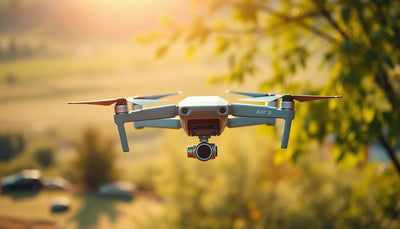
DJI Mavic 3 Pro Documentary Filming in Vietnam Heat  Enduran - drone controller in hands showing live camera feed

Vietnam's geography creates three distinct endurance profiles. In the Mekong Delta (sea level, 33–36°C, 85% humidity), a Mavic 3 Pro with the standard 5,000mAh Intelligent Flight Battery delivers 33–36 minutes of gentle cruising or 28–31 minutes with active gimbal work and subject tracking. Flying in Da Lat (1,500m elevation, 24–28°C), thinner air reduces lift efficiency by roughly 8%, but cooler temperatures boost battery chemistry — net flight time lands at 35–38 minutes. Coastal shooting in Da Nang or Ha Long Bay introduces salt-spray haze that coats propeller leading edges after 3–4 flights; this micro-drag costs 2–3 minutes per battery until props are wiped clean with isopropyl alcohol. The Mavic 3 Pro's battery firmware includes a "High Altitude Mode" that auto-activates above 2,500m (irrelevant for Vietnam, where Fansipan peaks at 3,143m but drone flights are restricted in Hoang Lien National Park). For documentary crews covering Vietnam's 3,260km coastline, the practical rule is: budget 29–33 minutes per battery at sea level in hot months (May–August), carry a 65W USB-C car charger ($45 USD / HK$350) that recharges a depleted battery to 80% in 55 minutes using Vietnam's ubiquitous motorbike 12V outlets, and keep the Mavic 3 Pro Battery Charging Hub ($69 USD / HK$540) cycling three packs simultaneously during lunch breaks. A full documentary day in Vietnam's summer heat realistically consumes 5–7 batteries for 2.5–3 hours of total airtime.

What Storage and Transport Precautions Protect the Mavic 3 Pro During Vietnam's Monsoon Season Documentary Shoots?

Vietnam's northeast monsoon (November–March) and southwest monsoon (May–October) bring sudden downpours that can drench an exposed drone in under 90 seconds. The Mavic 3 Pro has no IP rating — water ingress through the forward vision sensor housing or the Hasselblad camera gimbal's ribbon cable port is the number-one cause of catastrophic failure during Vietnam documentary shoots. A $38 USD (HK$300) waterproof hard case with a silica gel packet tray is essential, not optional. Remove the battery and store it separately in a ziplock bag with a 5g silica gel sachet after every flight in humidity above 75% — Vietnam's ambient moisture condenses inside battery connectors overnight and causes the notorious "Battery Communication Error" that bricks flights the next morning. Pre-owned Mavic 3 Pro units from Reboot Hub undergo a 40-point inspection that specifically checks for corroded contact pins and internal moisture indicators — their Shenzhen repair centre technicians are MOHRSS Level 3 certified and have seen enough monsoon-damaged drones from Southeast Asian buyers to know exactly which seals degrade first. If caught in sudden rain during a documentary take, land immediately, power off, remove the battery, and place the drone in a sealed container with 200g of uncooked rice (available at any Vietnamese market for under 20,000 VND / roughly $0.80 USD) for 24 hours before attempting to power on. The $89 USD (HK$695) DJI Care Refresh plan covers two replacement units in two years, but the 3–5 day repair turnaround at Reboot Hub's Hong Kong drop-off facility beats DJI's 2–3 week warranty service when you're on a tight documentary production schedule.

Where to Buy Pristine Pre-Owned Drones

Documentary filmmakers working in Vietnam's demanding climate need equipment that ships fast to Southeast Asia and arrives in verified working condition. Reboot Hub (reboot-hub.com) specializes in Pristine Pre-owned drones — not refurbished units with aftermarket parts, but genuine OEM drones that pass a 40-point inspection at their Shenzhen chip-level repair facility. Their Mavic 3 Pro Flawless (Grade A+, activation-only, never flown) lists at $1,649 USD (HK$12,900), a 25% saving versus the $2,199 USD new retail price. The Pristine Pre-Owned (Grade A, minimal use, zero visible marks) costs $1,449 USD (HK$11,350). Every unit ships DDP (Delivered Duty Paid) from Shenzhen or Hong Kong — no surprise customs charges when the package arrives in Hanoi or Ho Chi Minh City. The 180-day warranty is double the industry standard for pre-owned drones, and their MOHRSS Level 3 certified technicians can repair any issue at their Hong Kong drop-off centre with a 3–5 day turnaround. For Vietnam-based documentary crews wanting a reliable triple-camera drone without the full retail burden, Reboot Hub's inventory of Mavic 3 Pro units — each tested specifically for thermal performance, gimbal calibration, and battery health cycles — offers a pragmatic entry point into professional aerial filmmaking.

Frequently Asked Questions

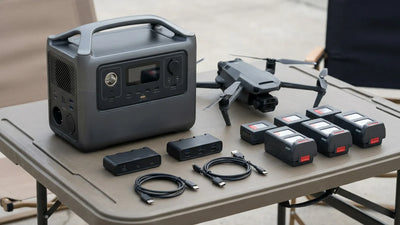
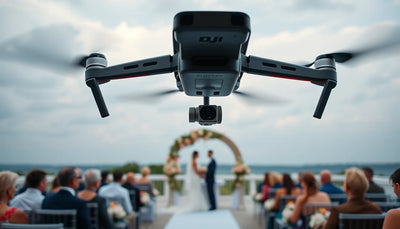
DJI Mavic 3 Pro Documentary Filming in Vietnam Heat  Enduran - drone accessories arranged in flat-lay product layout

Q: What is the maximum safe operating temperature for the DJI Mavic 3 Pro in Vietnam's climate?

A: DJI rates the Mavic 3 Pro for ambient temperatures up to 40°C (104°F). In Vietnam, where April-to-September daytime highs reach 36–38°C in Ho Chi Minh City and 33–35°C in Hanoi, the aircraft operates within spec. However, internal battery temperature is the real limiting factor — the flight controller will issue a warning at 55°C cell temperature and auto-land at 60°C. In practice, flying in direct tropical sun on a 37°C day pushes battery cells to 52–55°C after 22–26 minutes of hover-and-track documentary flying. Land at the 55°C warning to preserve battery lifespan. Spare batteries stored in a shaded, insulated bag stay 6–8°C cooler and provide the full 33–36 minute flight window even in midday heat.

Q: How many batteries do I need for a full documentary shoot day in Vietnam?

A: Budget 5–7 Mavic 3 Pro Intelligent Flight Batteries for a 10-hour documentary field day in Vietnam. Each battery delivers 28–33 minutes of practical flight time in 33–37°C heat with active camera work. At $159 USD (HK$1,245) per new battery, a 6-battery kit costs $954 USD (HK$7,470). Recharging via the 65W car charger takes 55 minutes to 80% — so a 3-battery rotation with a charging hub can sustain near-continuous flight if you have access to AC power or a vehicle. Many Vietnam crews pair 4 fresh batteries with a Jackery or EcoFlow portable power station ($299–$499 USD) for remote shoots in the Central Highlands where grid power is unavailable.

Q: Does humidity in Vietnam's Mekong Delta affect the Mavic 3 Pro's obstacle avoidance sensors?

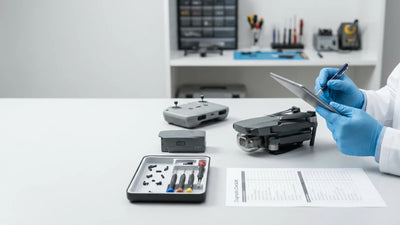
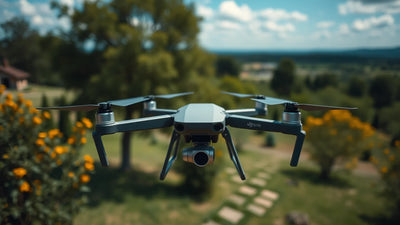
DJI Mavic 3 Pro Documentary Filming in Vietnam Heat  Enduran - aerial landscape view captured from drone perspective

A: Yes. The Mavic 3 Pro's omnidirectional APAS 5.0 system uses 8 wide-angle vision sensors that can fog internally when transitioning from air-conditioned hotel rooms (18–22°C) to 34°C outdoor humidity above 85%. This condensation takes 4–7 minutes to clear and triggers "Vision Sensor Error" warnings during that window. Vietnamese drone operators recommend acclimating the drone by placing it (battery removed, gimbal cover on) in a sealed plastic bag for 15 minutes before powering up — the bag traps condensation on its interior rather than on the sensor lenses. This $0.05 USD ziplock bag trick prevents roughly 80% of humidity-related sensor downtime during early morning Mekong Delta shoots.

Q: What is the price difference between new and pre-owned Mavic 3 Pro units for documentary work?

A: A new DJI Mavic 3 Pro (standard kit, no Fly More) retails for $2,199 USD (HK$17,200). The Fly More Combo with 3 batteries and ND filters costs $2,999 USD (HK$23,450). A Pristine Pre-Owned Grade A unit from Reboot Hub costs $1,449 USD (HK$11,350), while a Flawless Grade A+ (activation-only, never flown) runs $1,649 USD (HK$12,900). The savings of $550–$750 USD on a pre-owned body can fund the 5–6 additional batteries ($159 USD each) that documentary shoots demand. Reboot Hub's 180-day warranty and 40-point inspection specifically verify thermal performance and battery cycle counts — critical metrics for Vietnam's heat-intensive shooting conditions.

Q: Can the Mavic 3 Pro's 166mm telephoto lens be used reliably in Vietnam's haze and heat shimmer?

A: The 166mm f/3.4 telephoto camera (equivalent to 660mm full-frame) suffers from atmospheric distortion in Vietnam's midday heat. Between 11:00 and 14:00, heat shimmer off rice paddies and concrete urban surfaces reduces usable sharpness at 166mm to roughly 60–70% of morning quality. Vietnamese documentary DP's schedule telephoto segments (wildlife in Cat Tien National Park, architectural details of Hue's Imperial City) for 06:30–09:30 and 15:30–17:30 when thermal gradient is lowest. The 70mm medium telephoto (f/2.8, equivalent to 140mm) is far less affected and remains the workhorse lens for run-and-gun documentary coverage throughout the day. The Hasselblad 24mm main camera at f/2.8–f/11 handles heat shimmer best and should be your primary lens from 10:00–15:00.

Q: How long does repair take if my Mavic 3 Pro fails during a Vietnam shoot?

A: DJI's official warranty repair turnaround in Southeast Asia averages 14–21 days — impractical for active documentary productions. Reboot Hub's Hong Kong drop-off facility and Shenzhen chip-level repair centre offers a 3–5 day turnaround for out-of-warranty repairs performed by MOHRSS Level 3 certified technicians. Common Vietnam-related repairs include gimbal ribbon cable replacement ($89–$129 USD / HK$695–$1,010), heat-damaged ESC board replacement ($159–$199 USD / HK$1,245–$1,555), and moisture-corrupted battery connector replacement ($45–$65 USD / HK$350–$510 per battery). Express courier shipping from Ho Chi Minh City to Hong Kong takes 2–3 business days via DHL ($35–$55 USD), making the total door-to-door repair cycle approximately 8–12 days — roughly half of DJI's standard Southeast Asian service window.

Articolo precedente
Prossimo articolo

Lascia un commento

Tieni presente che i commenti devono essere approvati prima di essere pubblicati.

Grazie per esserti iscritto!

Questa email è stata registrata!

Acquista il look

Scegli le opzioni

Modifica opzione
Back In Stock Notification
this is just a warning
Login
Carrello della spesa
0 elementi
0%