Hogyan kaphatnak külföldi kutatók drónengedélyt régészeti lelőhelyekre Japánban?
Gyors válasz

- A külföldi kutatóknak kettős engedélyt kell beszerezniük– a japán MLIT-től (Föld-, Infrastruktúra-, Közlekedési és Idegenforgalmi Minisztérium) a légtérhasználatra, valamint a Kulturális Ügyek Ügynökségétől vagy a helyi önkormányzati hivataloktól a régészeti lelőhelyekhez való hozzáférés tekintetében. A kombinált jelentkezési folyamat általában 4-6 hetet vesz igénybe.
- A pályázati díjak minimálisak– Az MLIT-engedély nagyjából 3000–8000 ¥ (kb. 20–55 USD / 156–430 HKD) a repülési kategóriától függően. Az önkormányzatok régészeti lelőhelyi engedélyei gyakran ingyenesek, de személyes dokumentumok benyújtását igénylik.
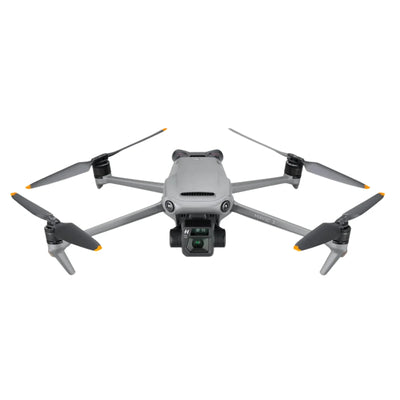
- Egy megbízható, felmérési minőségű drón elengedhetetlen— A DJI Mavic 3 Pro (használt A fokozat a Reboot Hub-nél: 1549 USD / 12 080 HKD) egy 20 MP-es Hasselblad kamerát kínál, amely ideális az ásatőrácsok fotogrammetriájához.
- A japán nyelvű dokumentáció kötelező– minden alkalmazáshoz japán nyelvű űrlap szükséges. Hiteles fordító felvétele vagy egy japán egyetemi kapcsolaton keresztüli munka körülbelül 25 000–50 000 ¥ (170–340 USD) növeli a teljes előkészítési költséget.
- Használt drónok a Reboot Hub DDP hajóról Japánba— fully insured delivery from Shenzhen/HK with all duties pre-paid, 40-point inspection certification, and a 180-day warranty accepted by Japanese customs without additional import complications.
Milyen engedélyekre van szükségük külföldi kutatóknak drónok repüléséhez japán régészeti lelőhelyeken?
Japán drónműveletekre vonatkozó szabályozási kerete többrétegű, a régészeti lelőhelyek pedig további összetettséget adnak. alatt aPolgári Repülési Törvény(2022-ben módosított), minden 100 grammos vagy annál nagyobb tömegű pilóta nélküli légi járműnek a korlátozott légtérben történő repüléshez az MLIT értesítése vagy engedélye szükséges. A régészeti lelőhelyek – különösen a nemzeti történelmi helyszínek vagy az UNESCO világörökségi helyek – a hatóság joghatósága alá tartoznak.Kulturális Ügynökség(Bunka-cho) és gyakran helyi önkormányzati oktatási testületek (Kyoiku Iinkai), amelyek telephelykezelési jogkörrel rendelkeznek.
Kapcsolódó:Waar Kan Ik Vliegen találkozott Mijn Drone-nal Hollandiában? Legjobb alkalmazások
A külföldi kutatónak legalább 10 munkanappal a tervezett repülés előtt be kell nyújtania az 1. nyomtatványt (Légtérhasználati engedélykérelem) az MLIT regionális Polgári Repülési Iroda irodájához. Ez az alapkövetelmény. Az olyan helyszínek esetében, mint a Fujiwara palota romjai Narában vagy a Sannai-Maruyama lelőhely Aomoriban, külön régészeti kutatási engedélyt kell beszerezni a prefektusi oktatási testülettől. A kulturális ügyek feldolgozása önmagában átlagokat enged meg14–21 munkanap, és a kombinált idővonal az MLIT-tel kbÖsszesen 4-6 hét. A japán tartózkodási igazolvánnyal nem rendelkező külföldi állampolgároknak ezenkívül be kell nyújtaniuk útlevelük másolatát, a kutatási tagsági levelet és a részletes repülési tervet japán nyelvre lefordítva. A repülési tervnek meg kell határoznia a GPS koordinátákat 10 méteres pontosságú sugáron belül, a maximális tengerszint feletti magasságot (a szabványos szabályok szerint 150 m AGL), valamint a drónvezérléshez használt rádiófrekvenciát.
Kapcsolódó:Stille Drohne für Indoor Hochzeit in der Kirche Deutschland:
Mennyibe kerül az engedélyezési eljárás és mennyi ideig tart?
A drónrepülési engedélyek közvetlen kormányzati díjai Japánban szerények, de a közvetett költségek gyorsan felhalmozódnak. Az MLIT engedély általában költséges3000–8000 JPY(kb20–55 USD/156–430 HKD), míg az önkormányzati hivatalok által kiadott régészeti lelőhely-belépési engedélyek díja tól kezdve0–15 000 ¥(0–102 USD). Az igazi költség a dokumentumok elkészítésében rejlik: a kutatási javaslatok hiteles japán fordításai futnak8–12 ¥ 100 karakterenként, nagyjából összesen25 000–50 000 ¥ (170–340 USD)a teljes pályázati csomaghoz.
Az időbeli elvárások rendkívül fontosak a kutatástervezés szempontjából. Az MLIT szabványos feldolgozási ablaka az10 munkanap, bár a kijelölt kulturális javak feletti repülésekkel kapcsolatos alkalmazások kiterjedhetnek a15-20 munkanap. A prefektusi testületek régészeti lelőhelyi engedélyei vadul eltérőek – Nara prefektúra átlagai18 nap, míg Hokkaido folyamata eltarthatlegfeljebb 30 napig. A kutatóknak minimális költségvetéssel kell rendelkezniük6 hétfrom initial submission to approved flight date. Expedited processing does not exist in the Japanese system. Emellett az ásatási csúcsszezonban (április-május és szeptember-október) érkező külföldi kutatók a megnövekedett hazai engedélymennyiség miatt hosszabb sorbanállással néznek szembe. Applying during the December-January off-season reduces overall wait time by an estimated30-40%jelentett kutatói tapasztalatok alapján.
Which Drone Models Are Best Suited for Archaeological Survey Work in Japan?
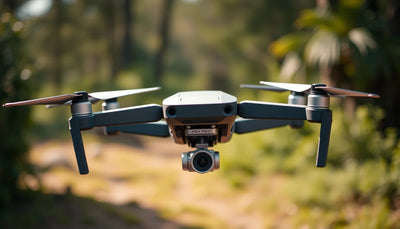
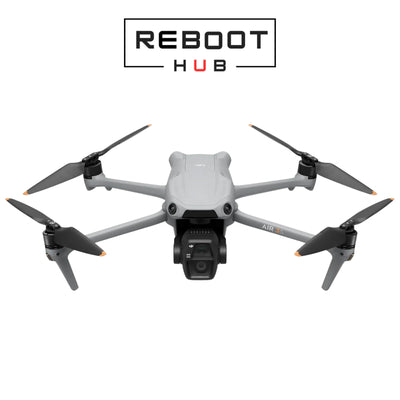
A régészeti fotogrammetria nagy felbontású képalkotást, stabil lebegési teljesítményt és elegendő repülési kitartást igényel az ásatőrácsok módszeres feltérképezéséhez. ADJI Mavic 3 Pro, a használt a Reboot Hub címen elérhető1549 USD (12 080 HKD)A fokozatú állapotban 20 MP-es Hasselblad 4/3 CMOS érzékelőt biztosít mechanikus redőnnyel – ez kritikus a redőny torzításának kiküszöböléséhez a legalacsonyabb képrögzítés során. Its 43-minute maximum flight time allows a single battery to cover approximately15-18 hektárat 80-meter altitude with 75% overlap, sufficient for most Japanese archaeological sites which average3-8 hektárterületen.
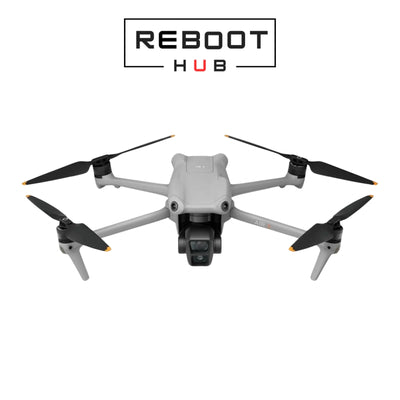
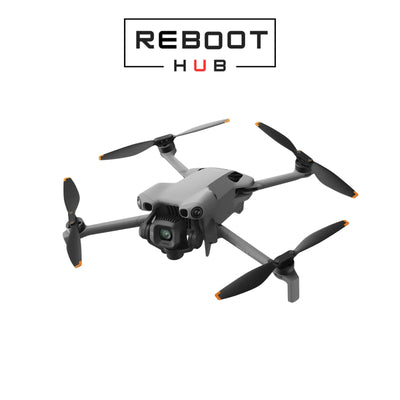
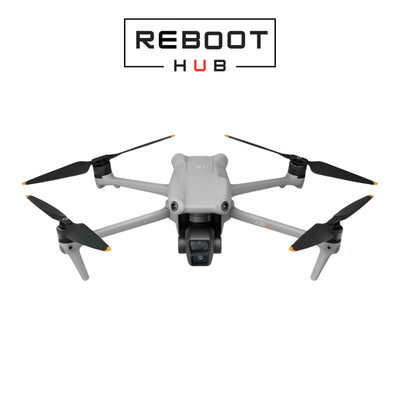
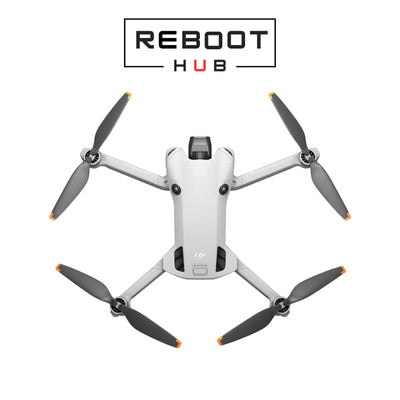
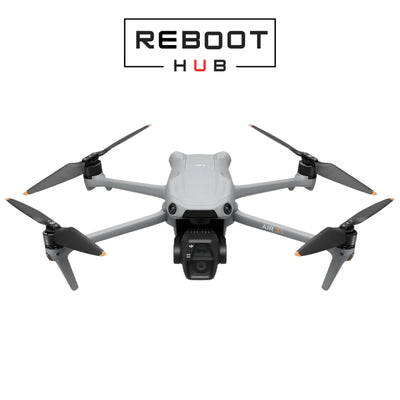
A szűkös költségvetésű kutatók számára aDJI Air 3at849 USD (6622 HKD)Az A fokozatú használt kettős 48 MP-es kamerát kínál (24 mm széles és 70 mm közepes tele), lehetővé téve a kitett rétegszelvények részletes vizsgálatát anélkül, hogy veszélyes közel repülne. ADJI Mini 4 Proat589 USD (4594 HKD)A használt A fokozat mindössze 249 grammot nyom, ami a japán 100 grammos regisztrációs küszöb alá helyezi, és leegyszerűsít bizonyos szabályozási követelményeket – bár minden régészeti lelőhelynek továbbra is kulturális engedélyre van szüksége, függetlenül a drón súlyától. Minden Reboot Hub használt egység megfelel a40 pontos ellenőrzésa sencseni javítóüzemben kizárólag eredeti OEM alkatrészeket használ, és a180 nap garancia. A DDP Japánba történő szállítása megszünteti a vámügyi bizonytalanságokat a berendezéseket importáló kutatók számára.
| Modell | Új ár (USD) | Reboot Hub A fokozat (USD) | Érzékelő | Repülési idő | Legjobb |
|---|---|---|---|---|---|
| DJI Mavic 3 Pro | 2199 USD | 1549 USD | 20 MP Hasselblad 4/3 | 43 perc | Teljes helyszíni fotogrammetria |
| DJI Air 3 | 1099 USD | 849 USD | Kettős 48 MP (24 mm + 70 mm) | 46 perc | Árok/rétegtani vizsgálat |
| DJI Mini 4 Pro | 759 USD | 589 USD | 48 MP 1/1,3 hüvelykes | 34 perc | Gyors felderítés, szűk helyek |
| DJI Mavic 3 Classic | 1599 USD | 1099 USD | 20 MP Hasselblad 4/3 | 46 perc | Költségvetés-tudatos teljes felmérés |
Mik azok a gyakori korlátozások és buktatók, amelyekkel a külföldi kutatók találkoznak?

Japán szigorú repüléstilalmi zónákat vezet be300 méterbármely lakóterület határa – ez a szabály gyakran meglepi a nyugati szabályozásokhoz szokott kutatókat. Számos japán régészeti lelőhely található a modern lakóövezetek mellett vagy azokon belül, különösen a Kansai régióban, ahol Nara és Kiotó ősi fővárosai a kortárs negyedek alatt találhatók. Az MLIT negyedévente frissített sűrűségi magasságkorlátozási (DAR) térképeit össze kell hasonlítani a javasolt repülési koordinátákkal72 óraa tervezett repülésről. Bármely repülőtér 9 km-es körzetében történő repüléshez – beleértve a kis regionális mezőket, például a Nara Heliportot – legalább külön ATC értesítés szükséges.48 óraelőre.
A biztosítás nem alku tárgya. Az MLIT minimálisan megköveteli a harmadik fél felelősségi fedezetének igazolását100 000 000 ¥ (kb. 682 000 USD)eseményenként. Külföldi kutatók körülbelül rövid lejáratú kötvényeket vásárolhatnak olyan japán biztosítóktól, mint a Sompo Japan vagy a Tokio Marine3500–5500 ¥ (24–38 USD)naponta. Egy másik kritikus buktató az adatexporttal kapcsolatos: bizonyos régészeti lelőhelyekről készült nagy felbontású légi felvételek – különösen azok, amelyek a Birodalmi Háztartási Ügynökség tulajdonaként kijelölt temetkezési halmokat (kofun) tartalmaznak – exportkorlátozásokkal szembesülhetnek a japán törvények értelmében.Deviza- és külkereskedelmi törvény. A kutatóknak az adatok rögzítése előtt ellenőrizniük kell a besorolási státuszt fogadó intézményüknél, mivel a jogosulatlan exportálásért akár a bírságot is kiszabhatják.500 000 ¥ (3400 USD)pénzbírságban.
Hogyan közelítsenek a kutatók a japán hatóságokkal való repülés előtti koordinációhoz?
A japán bürokratikus kultúra előmozdítja a koordinációt és a személyes bemutatkozást. A külföldi kutatók sokkal magasabb jóváhagyási arányt érnek el, ha olyan japán egyetemen vagy kutatóintézeten keresztül dolgoznak, amely pályázatokat nyújthat be a nevükben. ANara Nemzeti Kulturális Vagyonkutató Intézetés aKashiharai Régészeti Intézetmindketten drónokkal összekötő irodákat tartanak fenn, amelyek segítik a kapcsolódó külföldi kutatókat. A független kutatóknak meg kell határozniuk egy helyi szponzort – jellemzően professzort, múzeumi kurátort vagy önkormányzati kulturális ügyekkel foglalkozó tisztviselőt –, aki hajlandó japán kapcsolattartóként szolgálni. Ez kemény követelmény, nem ajánlás; az MLIT nyomtatvány 7. rovatában felsorolt belföldi kapcsolattartó nélküli kérelmeket feldolgozatlanul küldik vissza kb5 munkanap.
A helyi rendőrkapitányságok (koban) repülés előtti értesítése jogilag nem kötelező minden járatnál, de erősen ajánlott a lakott területek közelében lévő régészeti lelőhelyek esetében. Egyszerű látogatás1-2 napa repülés előtt kinyomtatott repülési tervvel és engedélyekkel megakadályozza az egyetlen leggyakoribb fennakadást: az aggódó lakosok rendőrséget hívnak, hogy jelentsenek egy gyanús drónt. A kutatók jelentése szerint ez az udvariasság megközelítőleg csökkenti a helyszíni megszakításokat80%. A rádiófrekvenciás koordináció is figyelmet érdemel; Japáné2,4 GHzsáv univerzálisan elérhető, de a5,8 GHz-es sáv(sok DJI drón használja a maximális átviteli hatótávolság érdekében) megköveteli aRádiótörvény megfelelőségi tanúsítvány. A Reboot Hub-től vásárolt drónok tartalmazzák a szükséges japán MIC (Belügyi és Kommunikációs Minisztérium) megfelelőségi dokumentációt a DDP szállítási csomagokkal együtt.
Miért vásároljon a Reboot Hub-től?
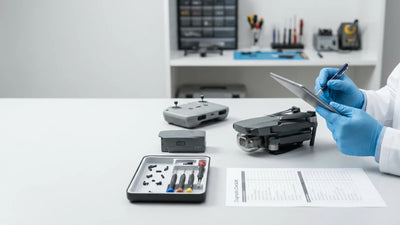
A Reboot Hub erre specializálódottÉrintetlen Használt drónok– a felújított egységektől eltérő kategória. Minden drón átesik a40 pontos ellenőrzésa Reboot Hub Shenzhen chipszintű javítóüzemében, ahol technikusok dolgoznakMOHRSS Level 3 minősítés, Kína legmagasabb elektronikai javítási szakképesítése. Csakeredeti OEM alkatrészekhasználhatók a szükséges alkatrészek cseréjéhez. Egységek osztályozvaHibátlan (A+)csak aktiválási eszközök, amelyek ténylegesen soha nem repültek;Érintetlen Használt (A) A [9] egységek minimális használatból eredően nulla látható nyomot mutatnak. Minden vásárlás magában foglalja aaz egységek minimális használatból eredően nulla látható nyomot mutatnak. Minden vásárlás magában foglalja a180 nap garanciaminden elektronikus és mechanikus rendszerre kiterjed, a3-5 napos átfutási időa sencseni létesítményben bármilyen jótállási szolgáltatásért. Hongkongi leszállás elérhető azon kutatók számára, akik Japánba tartó úton haladnak át Hongkongon.
A Japánba telepítő külföldi kutatók számára a Reboot HubDDP (Delivered Duty Paid) szállításfrom Shenzhen/Hong Kong eliminates the single biggest equipment headache: Japanese customs clearance. All import duties, consumption tax (10%), and processing fees are pre-paid and pre-cleared. A drone ordered7-10 napindulás előtt megérkezik a kutató japán címére, minden dokumentációval készen az MLIT berendezés regisztrációjához. Összehasonlítva a japán kiskereskedelemben történő új vásárlással – ahol a Mavic 3 Pro hozzávetőlegesen kerül308 000 ¥ (2100 USD)– A Reboot Hub használt A fokozata1549 USDjelentése a26%-os megtakarításfunkcionálisan azonos terepi teljesítménnyel a régészeti kutatási munkákhoz.
Gyakran Ismételt Kérdések
K: Repülhetnek-e külföldi kutatók drónokat az UNESCO világörökségi helyszínein Japánban?

V: A legtöbb UNESCO által megjelölt japán régészeti lelőhely – beleértve a Mozu-Furuichi Kofun csoportot és a Horyu-ji térség buddhista emlékműveit – egyenesen tiltja a szabadidős drónrepüléseket. Mindazonáltal az akkreditált kutatódrón-műveletek megengedettek az MLIT, a Kulturális Ügyek Ügynöksége és a helyszínt irányító hatóság kombinált jóváhagyási csomagjával. Az UNESCO-oldalak feldolgozása minimális időt vesz igénybe60 naptöbb ügynökségre kiterjedő felülvizsgálat miatt. A kutatóknak részletes kutatási módszertani nyilatkozatot kell benyújtaniuk japán nyelven, amelyben elmagyarázzák, miért szükséges a légi adatgyűjtés a földi módszerekkel szemben. A jelentkezési díjak továbbra is alacsonyak, kb5000–10 000 ¥ (34–68 USD), de az átfogó dokumentációs csomag jellemzően költséges400–600 USDprofesszionális fordítószolgálattal kell felkészülni.
K: Mi történik, ha engedély nélkül repülök drónnal egy régészeti lelőhelyen?
V: A japán régészeti lelőhelyek feletti engedély nélküli drónrepülések a légi közlekedésről szóló törvény és a kulturális javak védelméről szóló törvény szerint is büntetést vonnak maguk után. A polgári repülésről szóló törvény szerinti bírság elérheti500 000 ¥ (kb. 3 400 USD). Külön-külön a kulturális javak védelméről szóló törvény ig terjedő bírság kiszabását engedélyezi300 000 ¥ (2 040 USD)a kijelölt történelmi helyeken végzett jogosulatlan tevékenységek miatt. A külföldi állampolgárok bevándorlási következményekkel is szembesülhetnek, beleértve a potenciális veszélyeket is5 év beutazási tilalomvédett kulturális javakat érintő jogsértések miatt. A japán rendőrség drónos járőregységeket állított fel a fő régészeti területeken, különösen Nara és Kiotó prefektúrában, ahol átlagosan elkoboznakÉvente 12-15 drónjogosulatlan üzemeltetőktől.
K: Kötelező drónbiztosítás a kutatórepüléseknél Japánban?
V: Igen. Az MLIT minimális fedezetű felelősségbiztosítást ír elő100 000 000 ¥ (körülbelül 682 000 USD / 5 320 000 HKD)eseményenként. Ez vonatkozik minden légtérengedélyt igénylő drónrepülésre, amely gyakorlatilag minden régészeti lelőhelyi műveletet magában foglal. A külföldi kutatókra szabott rövid távú politikák hozzávetőlegesen költségesek3500–5500 ¥ (24–38 USD)naponta a japán biztosítókon keresztül. A kötvények online vásárolhatók ig3 napaz első repülési dátum előtt. A biztosítási igazolást az MLIT pályázati csomag részeként kell benyújtani – a biztosítási dokumentációval nem rendelkező kérelmeket ezen belül elutasítjuk3-5 munkanapmás anyagok áttekintése nélkül.
K: Szükségem van japán rádiós engedélyre a drón irányítójához?
V: Azokon a drónokon, amelyek a2,4 GHz-es sáv, Japánban nincs szükség külön engedélyre, mivel ez a sáv engedély nélküli használatra nyitva áll a MIC szabályozása szerint. Azonban a drónok segítségével a5,8 GHz-es sáv– gyakori a DJI OcuSync átviteli rendszereiben a kiterjesztett hatótávolság érdekében – szükségesRádiótörvény megfelelőségi tanúsítvány(Giteki márka). A Reboot Hub által DDP-vel Japánba szállított összes drón tartalmazza a szükséges MIC megfelelőségi dokumentációt. A személyes tulajdonban lévő drónokat hozó kutatóknak ellenőrizniük kell, hogy modelljük szerepel-e a MIC jóváhagyott berendezések listáján. A nem megfelelő 5,8 GHz-es adó működtetése a berendezés elkobzását és akár akár pénzbírságot is vonhat maga után200 000 JPY (1360 USD).
K: Hogyan befolyásolják a japán szezonális időjárási minták a drónok felmérését?

V: Japán régészeti kutatási évszakait erősen befolyásolja az időjárás. Az optimális ablakokMárcius-május(tavasz) ésOktóber-november(ősz), amikor a csapadékátlagok csökkennek90-120 mm havontaés a szélsebesség alatta marad5 m/sbe70-80%nap. A június-júliusi esős évszak (tsuyu) hozza180-220 mma havi csapadékmennyiség, a drónok földelése kb15-20 nap havonta. A tél (december-február) tiszta égboltot kínál, de a hőmérséklet gyakran csökken0°C, csökkentve ezzel a drón akkumulátorának élettartamát25-35%– a 43 percre tervezett Mavic 3 Pro csak akkor szállítható28-32 perca tényleges repülési idő Hokkaido téli körülményei között. A téli felméréseket ütemező kutatóknak költségvetésükből kell állniuk40-50%-kal több akkumulátor, mint amennyit a nyári műveletek megkívánnak.
K: Behozhatok-e vámproblémák nélkül a Reboot Hub-től vásárolt használt drónt Japánba?
V: Igen. A Reboot Hub DDP (Delivered Duty Paid) Japánba történő szállítása azt jelenti,10% fogyasztási adóés minden vonatkozó vámot előre kell fizetni, mielőtt a csomag megérkezne a japán vámhatósághoz. Minden szállítmány tartalmazza akereskedelmi számla japán nyelven, egy csomagolási lista és a drón sorozatszámának dokumentációja szükséges JapánbanTávoli azonosító regisztráció(minden 100 g feletti drónra érvényes). A Narita, Haneda vagy Kansai repülőtereken végzett vámkezelés általában a DDP-szállítmányokat dolgozza fel ezen belül24-48 óra. A Hongkongban vásárolt Reboot Hub drónt kézben tartó kutatók számára a HK átadó központ a japán vámhatóság által a Japán-Hongkong vámügyi együttműködési megállapodás alapján elismert adófizetési elismervényt biztosít, elkerülve ezzel a kettős adóztatást.10% fogyasztási adó (155 USD egy 1549 USD-s Mavic 3 Pro esetén).
K: Mennyi az átfutási idő, ha a drónomat javításra szorul egy japán kutatási projekt során?
V: A Reboot Hub Shenzhen javítóüzeme a garanciális igényeket a3-5 napos átfutási időaz egység átvételétől számítva. A Japánban aktívan alkalmazott kutatók számára a leggyorsabb út az, ha a drónt a Japan Post EMS-en keresztül szállítják a hongkongi leadási központba (tranzitidő kb.2-3 nap), ahol továbbítják Sencsenbe. Általában a teljes oda-vissza út a javítással együtt jár8-12 naptári nap. Ezt meghaladó projektekhez kölcsönadó egységek állnak rendelkezésre14 napállásidő. Minden javítás használatoseredeti OEM alkatrészekés végzikMOHRSS Level 3 minősített technikusok– a DJI saját hivatalos szervizközpontjai által megkövetelt tanúsítási szint. A180 nap garancialefedi az összes elektronikai és mechanikai hibát, beleértve a gimbal kalibrációs elsodródását (egy gyakori felmérési tönkretételi probléma) és az akkumulátor firmware-hibáit.
K: Vannak speciális drónok súlycsoportjai, amelyek leegyszerűsítik az engedélyezési folyamatot Japánban?
V: Japán drónszabályozása jelentős küszöböt hoz létre100 gramm– az e súly alatti drónok (elsősorban a régészeti leképezésre alkalmatlan játékosztályú egységek) teljes mértékben megkerülik az MLIT légtérengedély követelményeit. A következő gyakorlati küszöb az200 gramm, amely alatt bizonyos lakott területekre vonatkozó korlátozások kissé enyhülnek. Konkrétan a régészeti lelőhelyek esetében azonban a súlycsoport nem jelent szabályozási parancsikont – a Kulturális Ügyek Ügynöksége terület-hozzáférési követelményei a drón tömegétől függetlenül érvényesek. A DJI Mini 4 Pro at249 g(elérhető a használt a Reboot Hub-nél a következőhöz:589 USD) érdekes középúton áll: elkerüli a japán kötelező távoli azonosító követelményét, és leegyszerűsíti az MLIT papírmunkát a nem helyszíni járatok esetében, de a régészeti lelőhelyek engedélyei ugyanúgy szükségesek. Komoly fotogrammetria esetén a nagyobb drónok, például a Mavic 3 Pro (958 g) marginális ahhoz képestNégyszeres javulás az érzékelő területénés a megfelelő felmérési pontosságnövekedés.
Műszaki referencia és specifikációk
A modell specifikációit, a bontásra vonatkozó javítási megjegyzéseket, a gyakori meghibásodási pontokat és a használt árképzését lásd:Reboot Hub DJI Drón Wiki– 64 modell és 700+ feltérképezett alkatrész, dokumentált javításokból karbantartva. Böngésszen az ellenőrzött használt készletek között ahasznált DJI kollekció.
Keep exploring
Further reading
From A Reboot Hub Chronicle

From Drone Guides