


Brand-new supply
Every aircraft in this collection is listed as brand new; the exact revision and package are confirmed in the written quotation.
Geben Sie [Betrag] mehr für kostenlosen Versand aus
ENTERPRISE PROCUREMENT · HONG KONG
Start with the mission rather than a model name. Reboot Hub helps business buyers shortlist the platform, then confirms the exact market version, configuration, package contents, current supply, commercial terms and pickup or shipment route in writing before payment.
Every aircraft in this collection is listed as brand new; the exact revision and package are confirmed in the written quotation.
Single-unit requirements and multi-unit sourcing can follow the same documented configuration review.
Model, market version, controller, batteries, charger or station, payload and included equipment are recorded before payment.
Hong Kong pickup and any arranged shipping route are confirmed with timing, receiving details and commercial terms in writing.
AKTUELLE ENTERPRISE-PLATTFORMEN
Jeder Preis unten wird direkt aus dem aktuellen Shopify-Eintrag abgelesen. Es handelt sich um eine Beschaffungsreferenz und nicht um eine Bestätigung der endgültigen Version, des Pakets, der Verfügbarkeit oder der Geschäftsbedingungen.
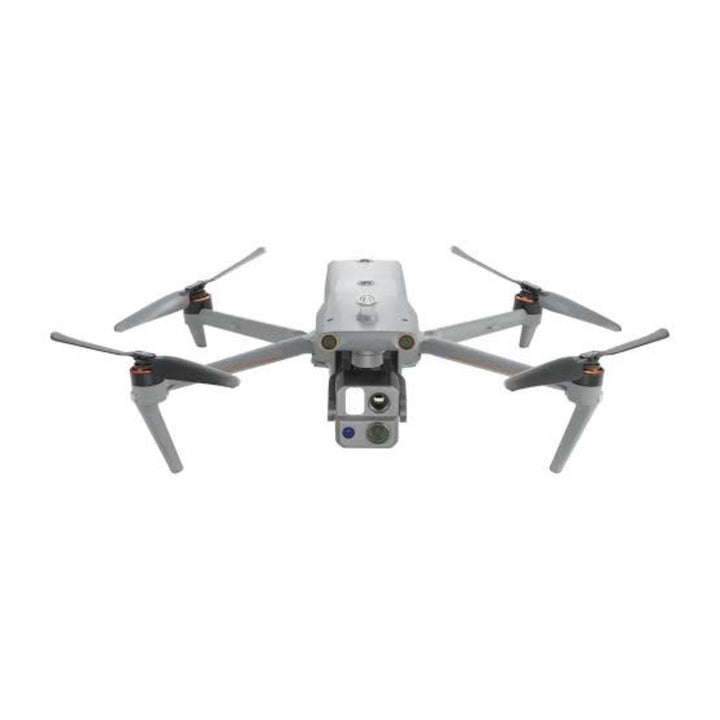
Thermal inspection and response for organizations evaluating the Autel Enterprise ecosystem alongside DJI platforms.
SystemgrenzeConfirm aircraft revision, Fusion 4T payload, battery model, controller, firmware, package and operating market.
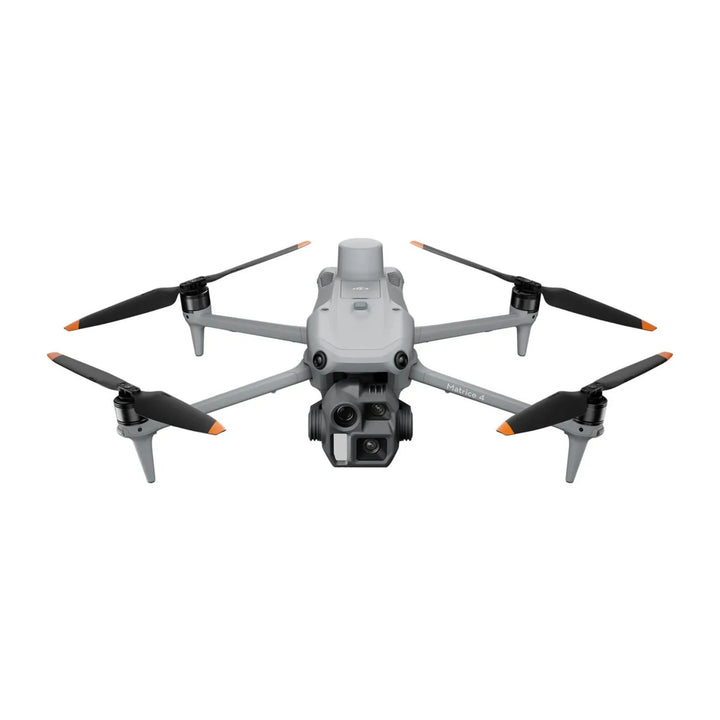
RTK-oriented mapping, photogrammetry, survey and repeatable site-documentation workflows.
SystemgrenzeConfirm 4E rather than 4T, the RTK and data workflow, market version, controller, battery and charging-hub package.
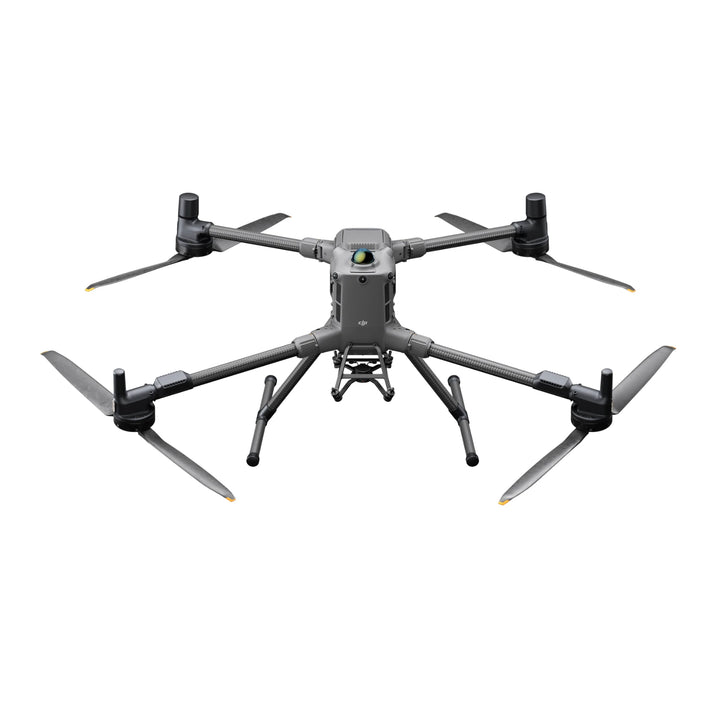
Payload-led inspection, mapping, response and complex fleet work where the payload and integration path lead the decision.
SystemgrenzeConfirm payload, gimbal connector and mounting position, TB100 quantity, BS100 station, controller, transport package and region.
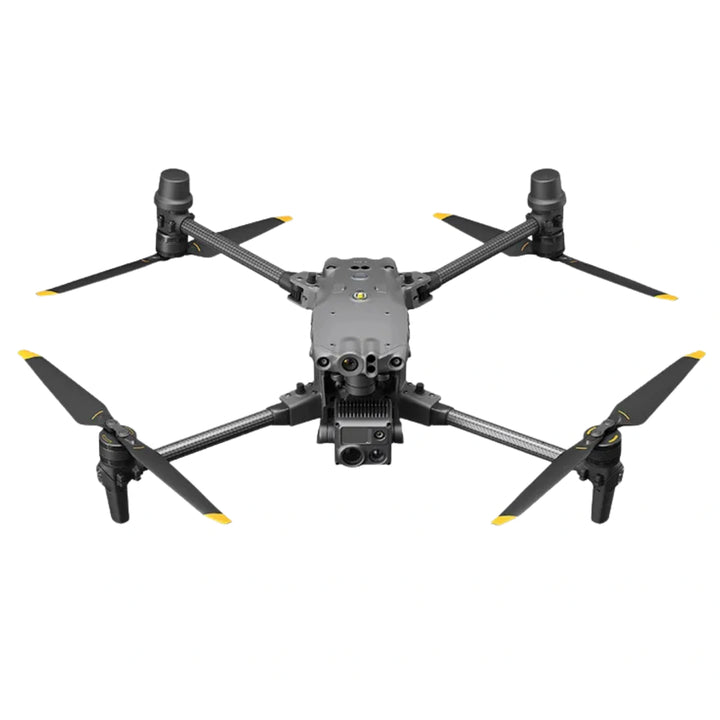
Portable rugged thermal inspection and response for teams that need an integrated multisensor aircraft.
SystemgrenzeConfirm M30T identity, TB30 pair, BS30 station, controller, firmware, package contents and operating market.

Thermal inspection, emergency response, search and multisensor field observation in a compact Enterprise platform.
SystemgrenzeConfirm 4T rather than 4E, the market version, RC Plus 2 Enterprise path, battery and charging-hub package, accessories and written terms.
MISSION-LED KURZLISTE
Diese Tabelle grenzt die Kaufentscheidung ein. Offizielle Spezifikationen definieren die Plattform; Die ausgewählte Produktseite und das schriftliche Angebot definieren das gelieferte System.
| Plattform | Stärkste Missionstauglichkeit | Sensor- oder Nutzlastrichtung | Plattformrolle | Vor der Angebotsgenehmigung bestätigen |
|---|---|---|---|---|
| DJI Matrice 4T | Thermal inspection, response and field observation | Integrated wide, medium tele, telephoto, thermal, NIR and laser functions | Compact multisensor Enterprise aircraft | Verify 4T identity, market version, controller path, batteries, charging hub and selected accessories. |
| DJI Matrice 4E | RTK mapping, photogrammetry and survey | Mapping-oriented wide camera with mechanical shutter plus tele cameras | Compact mapping and data-capture platform | Verify 4E identity, RTK and data workflow, market version, controller, batteries and charging hub. |
| DJI Matrice 400 | Heavy payload, modular inspection and fleet integration | Configurable payload and multi-gimbal system selected around the mission | Heavy-lift Enterprise platform | Verify payload and mounting position, connector path, TB100 quantity, BS100 station, controller and transport arrangement. |
| DJI Matrice 30T | Portable thermal inspection and response | Integrated wide, zoom, thermal and laser-rangefinder payload | Rugged integrated thermal platform | Verify M30T identity, TB30 pair, BS30 station, controller, firmware and complete package. |
| Autel EVO Max 4T | Thermal inspection and public-safety response | Fusion 4T integrated multisensor payload | Autel Enterprise thermal ecosystem | Verify aircraft revision, payload, battery, controller, firmware, package and operating market. |
Herstellerangaben und Leistungsangaben sind Richtwerte. Die tatsächliche Feldleistung hängt von Konfiguration, Firmware, Nutzlast, Umgebung und Betriebsregeln ab.
SCHRIFTLICHE BESCHAFFUNGSKONTROLLE
Eine Referenzliste eröffnet das Gespräch. Durch diese Kontrollen wird daraus ein Auftrag, den Beschaffungs-, Technik- und Empfangsteams nachverfolgen können.
The quote identifies the aircraft model and supplied market version. Universal Version is never presented as automatic approval for every destination.
Controller, batteries, charger or station, payload, mounting hardware, case and included accessories are written into the confirmed package.
The collection shows a live reference price. Current availability and the price validity for the requested configuration are confirmed before payment.
Buyer identity, billing details, quotation reference and agreed commercial terms are checked before payment documentation is finalized.
Hong Kong pickup or the arranged shipping route, receiving contact, preparation boundary and handover information are confirmed in writing.
The selected listing and written confirmation remain the source of truth for warranty, support, exclusions and post-purchase service scope.
DOKUMENTIERTER KAUFWEG
Maßgeblich für die genaue Konfiguration, die Geschäftsbedingungen und den Übergabeweg sind das ausgewählte Angebot und die abschließende schriftliche Bestätigung.
Tell us the operating task, destination, quantity, required sensor or payload, preferred controller path and expected handover route.
Reboot Hub checks the model, market version, package, current supply, reference-price validity and commercial terms with the buyer.
After written approval, payment, preparation, documentation and Hong Kong pickup or arranged shipment follow the confirmed order.
TECHNISCHE & BESCHAFFUNGSFORSCHUNG
Nutzen Sie Produktseiten für das aktuelle Angebot, Vergleiche für eine genaue Kaufentscheidung und Drone Wiki oder offizielle Dokumentation für tiefergehende technische Recherchen.
Use the B2B route when the requirement includes multiple units, recurring supply, parts or repair coordination.
Ressource öffnen ↗ REGION CHECKUnderstand why market version, radio, app, account and local-use checks remain part of the written configuration review.
Ressource öffnen ↗ THERMAL DECISIONCompare the closest current DJI and Autel thermal-platform routes before requesting a quote.
Ressource öffnen ↗ DJI THERMAL DECISIONReview the practical trade-off between the newer compact Matrice 4T workflow and the rugged integrated M30T platform.
Ressource öffnen ↗ MAPPING OR THERMALSeparate mapping and photogrammetry priorities from thermal inspection and response priorities.
Ressource öffnen ↗ HEAVY-LIFT DECISIONResearch payload, integration and platform-generation differences before defining a heavy-lift system.
Ressource öffnen ↗VOR DER ANGEBOTFREIGABE
Diese Antworten erklären den Prozess. Die bestätigte Listung und die schriftlichen Handelsunterlagen definieren den tatsächlichen Auftrag.
Begin with the operating mission. Matrice 4E is the mapping-oriented option in this collection; Matrice 4T, Matrice 30T and EVO Max 4T are multisensor thermal routes; Matrice 400 is selected around payload and integration requirements. The final shortlist still depends on the exact sensor, market version, package and local operating requirements.
No. The card shows the current Shopify reference price or the lowest live variant reference where a product has more than one configuration. Reboot Hub confirms the exact version, package contents, current availability, price validity and commercial terms in writing before payment.
No. A product name does not replace local regulatory, radio, account, app, firmware or operational checks. The supplied market version and destination are reviewed as part of the written configuration process, and the buyer remains responsible for local-use requirements.
Yes. A single-aircraft requirement and a multi-unit request can both enter the written B2B process. Quantity, timing, configuration consistency and commercial terms are confirmed for the actual request.
Provide the mission, destination, quantity, required sensor or payload, controller preference, battery and charging requirement, pickup or shipping preference, buyer details and any internal procurement deadline. Reboot Hub can then identify the questions that must be resolved before payment.
Hong Kong pickup is available as a procurement route when confirmed in the written quotation. Pickup timing, receiving identity, releasing party, exact package and payment status must be agreed before handover.
Use the official manufacturer sources and the linked Reboot Hub comparison or Drone Wiki pages for deeper model research. The product listing and final written confirmation remain the source of truth for the aircraft and package being supplied.
Market version, configuration, controller, batteries, charger or station, payload, included accessories, availability, price validity, commercial terms, warranty and support boundaries, and the pickup or shipping route remain subject to the confirmed order.