استخدام الطائرة بدون طيار الخاصة بك لالتقاط الصور الجوية لفندق على شاطئ البحر في المكسيك: الدليل القانوني
دليل السيناريو Reboot Hub
ملخص المشتري: فحوصات الترخيص وقواعد التشغيل

الحالة:استخدام الطائرة بدون طيار العقارية الخاصة بك لالتقاط الصور الجوية للفندق على شاطئ البحر في المكسيك قانوني. يجيب هذا الدليل على الموقف المحدد أولاً، ثم يوصل القارئ بمسار شراء Reboot Hub الذي تم التحقق منه.
استخدم الحالة أولاً
الترفيه المنفصل والتصوير التجاري والتفتيش والتعدين ورسم الخرائط والأحداث قبل تفسير القواعد.
فحص السلطة
التحقق من التسجيل ورخصة الطيار والمجال الجوي المحظور والتأمين وقواعد الخصوصية مع السلطة المختصة.
تأثير الشراء
يمكن للقواعد تغيير النموذج الصحيح والحمولة ووحدة التحكم والأوراق ووثائق البائع المطلوبة قبل الاستيراد.
أدلة Reboot Hub ذات الصلة:مقارنة الطائرات بدون طيار 2026أدلة الجمارك وضريبة القيمة المضافةأدلة الضمان والإصلاحمعيار Reboot Hub
الجواب السريع
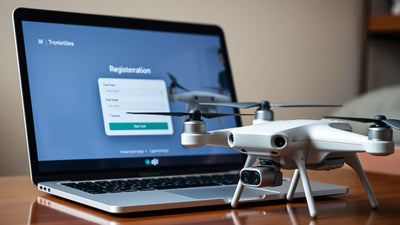
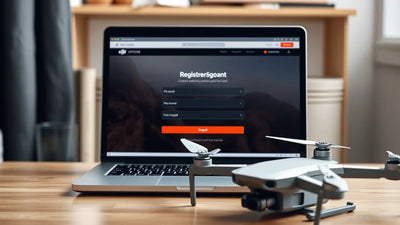
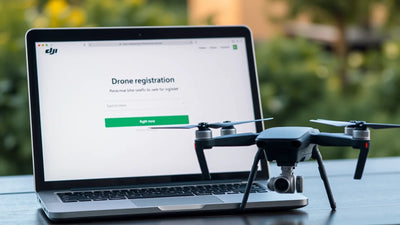
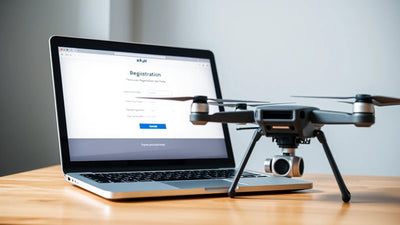
- تتطلب الرحلات الجوية التجارية بدون طيار في المكسيك تسجيل DGCA (AFAC) - حوالي 95 دولارًا أمريكيًا (1,650 بيزو مكسيكي) لشهادة مشغل RPAS، صالحة لمدة 24 شهرًا.
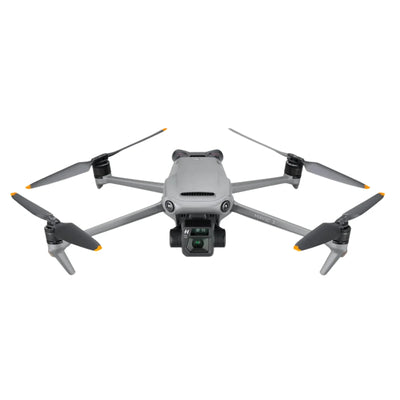
- توفر كاميرا DJI Mavic 3 Pro (مستعمل من Reboot Hub بسعر 1,649 دولارًا أمريكيًا / 12,880 دولار هونج كونج) فيديو بدقة 5.1K وألوان Hasselblad لتصوير الفنادق على شاطئ البحر.
- تتراوح قيمة التأمين بدون طيار للأعمال العقارية التجارية في المكسيك ما بين 520 إلى 780 دولارًا أمريكيًا سنويًا، وهو إلزامي للعقارات التي تزيد قيمتها عن 2 مليون بيزو مكسيكي.
- يجب عليك الحصول على إذن كتابي من إدارة الفندق وإخطار السلطات البلدية المحلية قبل 5 أيام عمل على الأقل من أي تصوير جوي.
- توفر طائرات مستعمل بدون طيار Flawless A+ من Reboot Hub ما بين 25 إلى 35% مقابل مبيعات التجزئة الجديدة مع ضمان لمدة 180 يومًا وفحص متعدد النقاط - وهي مثالية لبدء أعمالك الجوية العقارية في المكسيك.
- تشمل مناطق حظر الطيران في المكسيك مناطق تقع ضمن مسافة 9.2 كيلومتر من المطارات وأي ممتلكات اتحادية - تؤثر المناطق العازلة في كانكون الدولي (CUN) ولوس كابوس (SJD) على العديد من الفنادق المطلة على الشاطئ.
ما هي لوائح الطائرات بدون طيار في المكسيك فيما يتعلق بالتصوير العقاري التجاري؟
تنظم المكسيك جميع عمليات الطائرات بدون طيار التجارية من خلال الوكالة الفيدرالية للطيران المدني (AFAC)، وهي هيئة الطيران المدني في البلاد بموجب إطار عمل المديرية العامة للطيران المدني. منذ عام 2019، يجب تسجيل أي طائرة بدون طيار تزن أكثر من 250 جرامًا لأغراض تجارية – بما في ذلك التصوير الفوتوغرافي للعقارات للفنادق المطلة على الشاطئ – لدى AFAC من خلال عملية شهادة مشغل RPAS (نظام الطائرات الموجهة عن بعد). رسوم التسجيل تقريبا95 دولارًا أمريكيًا (1,650 بيزو مكسيكي)وتظل الشهادة صالحة لمدة 24 شهرًا قبل التجديد. يجب أن يكون عمر المشغلين 18 عامًا على الأقل وأن يحمل الجنسية المكسيكية أو الإقامة القانونية. بالنسبة للمصورين الأجانب الذين يسافرون إلى المكسيك خصيصًا للتصوير، يجب أن يكون المشغل المحلي المرخص بمثابة الراعي القانوني لعملية الرحلة - وهذا غير قابل للتفاوض وتبدأ غرامات عدم الامتثال من28,000 بيزو مكسيكي (حوالي 1,600 دولار أمريكي). الحد الأقصى لارتفاع الطيران القانوني لعمليات الطائرات بدون طيار التجارية هو 122 مترًا (400 قدم) AGL، ويجب أن تتم جميع الرحلات خلال ساعات النهار مع الحد الأدنى من الرؤية بمقدار 5 كيلومترات. بالإضافة إلى ذلك، تطلب AFAC من المشغلين التجاريين الاحتفاظ بسجل يوثق كل رحلة، بما في ذلك إحداثيات نظام تحديد المواقع والمدة والغرض - قد يؤدي الفشل في إنتاج هذا السجل أثناء عملية التفتيش إلى حدوث خطأتعليق لمدة 60 يومًامن امتيازات التشغيل. تتضمن نماذج الطائرات بدون طيار مثل DJI Mavic 3 Pro وAir 3 بالفعل سياجًا جغرافيًا مدمجًا يحترم قيود المجال الجوي المكسيكي، لكن المشغلين مسؤولون في النهاية عن التحقق من NOTAMs الحالية قبل كل رحلة.
ذات صلة: 8 مناطق حظر الطيران بدون طيار في أمستردام: مواقع البناء بالقرب من Schمناطق حظر الطيران بدون طيار في أمستردام: مواقع البناء بالقرب من Sch
ما هو طراز الطائرة بدون طيار الأفضل لالتقاط الصور الجوية لفندق على شاطئ البحر؟
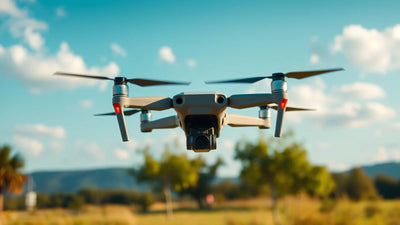
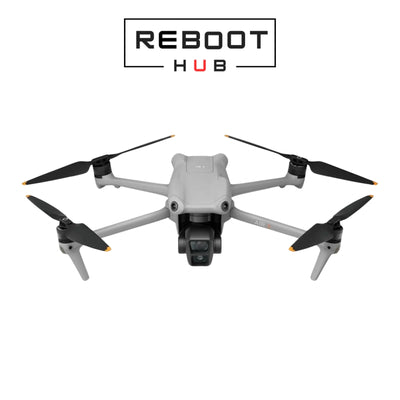
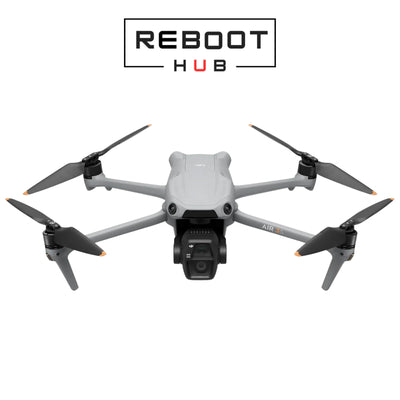
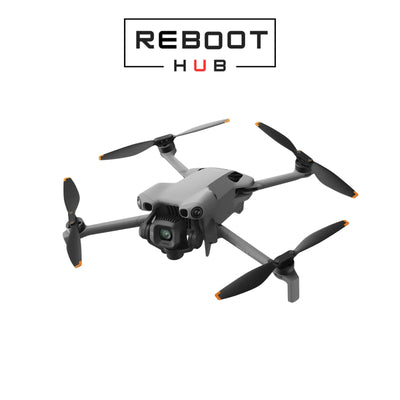
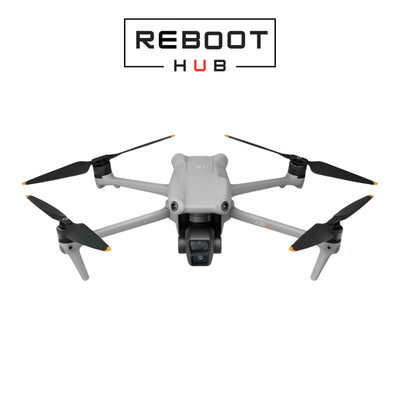
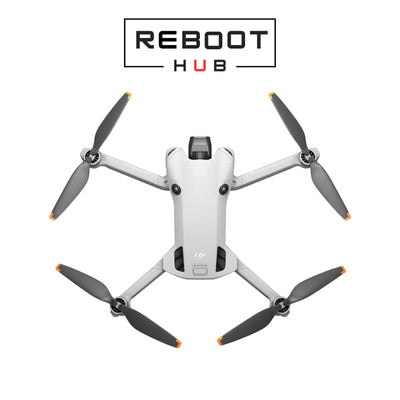
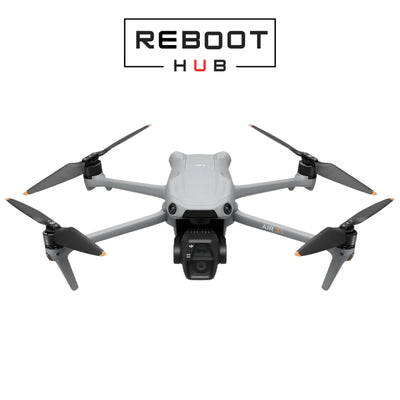
يتطلب التصوير الفوتوغرافي في الفنادق على شاطئ البحر قدرات محددة: مقاومة الرياح للعواصف الساحلية، ونطاق ديناميكي عالي للإضاءة القاسية تحت أشعة الشمس فوق الماء، ودقة مناسبة لتسويق العقارات الفاخرة. الDJI Mavic 3 Proيمثل الخيار الأفضل للعمل الاحترافي على شاطئ البحر المكسيكي، حيث يتميز بمستشعر 4/3 CMOS Hasselblad الذي يلتقط صورًا ثابتة بدقة 20 ميجابكسل مع 12.8 توقفًا من النطاق الديناميكي - وهو أمر بالغ الأهمية عند تصوير الشواطئ ذات الرمال البيضاء مقابل المياه الزرقاء العميقة في منتصف النهار. تتيح مدة الرحلة البالغة 43 دقيقة تغطية شاملة لمنتجع يمتد على مساحة 15-20 فدانًا دون تبديل البطارية. تعمل العدسة المقربة مقاس 70 مم (f/2.8) على ضغط الهندسة المعمارية على شاطئ البحر بشكل جميل، مما يؤدي إلى إنشاء نوع من الصور البطل التي تبيع الأسعار الليلية أعلاه850 دولارًا أمريكيًافي فنادق مثل وان آند أونلي بالميلا أو روزوود ماياكوبا. بالنسبة للمصورين الذين يدخلون السوق بميزانية محدودة، فإنDJI Air 3يوفر تعدد استخدامات الكاميرا المزدوجة (24 مم و70 مم) بسعر أقل بكثير. يتعامل مستشعر 48 ميجابكسل وإمكانية 4K / 100 إطارًا في الثانية مع معظم متطلبات القائمة الفاخرة، على الرغم من أن المستشعر الأصغر يكافح قليلاً في انتقال الساعة الذهبية الذي يحدد اللقطات المتميزة على شاطئ البحر. الDJI Mini 4 Pro— على الرغم من أن وزنه أقل من 250 جرامًا ومعفى من بعض متطلبات التسجيل في AFAC في الاستخدام الترفيهي — فهوغير معفاة للعمليات التجاريةويفتقر إلى كتلة مقاومة الرياح الضرورية لتحقيق نتائج ساحلية متسقة حيث تصل سرعة الرياح المستمرة بشكل روتيني إلى 28-35 كم / ساعة. فيما يلي مقارنة مباشرة بين النماذج الثلاثة، بما في ذلك أسعار البيع بالتجزئة الجديدة مقابل أسعار Reboot Hub مستعمل.
ذات صلة:التحول من تصوير حفلات الزفاف إلى التصوير العقاري بالطائرات بدون طيار في I
| نموذج | جهاز الاستشعار | ماكس فيديو | زمن الرحلة | البيع بالتجزئة الجديد (بالدولار الأمريكي) | Reboot Hub الدرجة أ (دولار أمريكي/دولار هونج كونج) | المدخرات |
|---|---|---|---|---|---|---|
| DJI Mavic 3 Pro | 4/3 سيموس هاسيلبلاد | 5.1 كيلو/50 إطارًا في الثانية | 43 دقيقة | 2,199 دولارًا | 1,649 دولارًا أمريكيًا / 12,880 دولارًا هونج كونج | 25% |
| DJI Air 3 | مستشعر CMOS مزدوج مقاس 1/1.3 بوصة | بدقة 4K/100 إطارًا في الثانية | 46 دقيقة | 1,099 دولارًا | 879 دولارًا أمريكيًا / 6870 دولارًا هونج كونج | 20% |
| DJI Mini 4 Pro | سيموس 1/1.3 بوصة | بدقة 4K/100 إطارًا في الثانية | 34 دقيقة | 759 دولارًا | 629 دولارًا أمريكيًا / 4,910 دولار هونج كونج | 17% |
ما هي تكلفة البدء بالتصوير الجوي للعقارات في المكسيك؟

يتضمن إطلاق عملية تصوير جوي تجاري للعقارات الواقعة على شاطئ البحر في المكسيك تكاليف المعدات الأولية، والرسوم التنظيمية، ونفقات التشغيل المتكررة. أكبر استثمار منفرد هو الطائرة بدون طيار نفسها. أDJI Mavic 3 Pro Fly More Comboالتجزئة الجديدة في2,999 دولارًا أمريكيًاولكن Reboot Hub يقدم نفس الطراز في حالة مستعمل الأصلية (الدرجة A) في1,649 دولارًا أمريكيًا (12,880 دولارًا هونج كونج)مع مجموعة الملحقات الكاملة — توفير1,350 دولارًا أمريكيًايمكنه تمويل ميزانية التشغيل للعام الأول بالكامل. تكاليف شهادة مشغل AFAC RPAS95 دولارًا أمريكيًاوتستغرق المعالجة حوالي 15 يوم عمل. تأمين المسؤولية التجارية مصمم خصيصًا لعمليات الطائرات بدون طيار في متوسطات قطاع الضيافة في المكسيك520-780 دولارًا أمريكيًا سنويًا، مع سياسات من مقدمي خدمات مثل Qualitas وAXA Seguros تغطي الحد الأدنى القياسي لمتطلبات المسؤولية البالغة 5 مليون بيزو مكسيكي الذي تطلبه معظم سلاسل الفنادق الفاخرة قبل منح أذونات الوصول إلى السطح أو إطلاق الشاطئ. تشمل التكاليف الإضافية مجموعة بطارية احتياطية (209 دولارًا أمريكيًابالنسبة لبطارية الطيران الذكية Mavic 3 Pro)، وأطقم مرشح ND للظروف الساحلية الساطعة (79 دولارًا - 129 دولارًا أمريكيًا) ومنصة هبوط محمولة تتطلبها العديد من بروتوكولات السلامة في الفنادق (35 دولارًا أمريكيًا). تضيف وسائل النقل لمواقع التصوير - خاصة في أسواق مثل ريفييرا مايا حيث تمتد العقارات من بويرتو موريلوس إلى تولوم عبر 130 كيلومترًا من الساحل - تقريبًا400-600 دولار أمريكيفي تكاليف المركبات والوقود لتصوير محفظة مكونة من 10 عقارات. يتراوح إجمالي تكاليف بدء التشغيل الواقعية من3,000 دولار إلى 4,800 دولار أمريكيعند شراء معدات مستعمل من خلال Reboot Hub، مقارنة بـ4,500 دولار إلى 6,500 دولار أمريكيبمعدات جديدة تمامًا.
ما هي الأذونات القانونية التي تحتاجها للطيران في فنادق مكسيكية على شاطئ البحر؟
يتضمن الحصول على الإذن القانوني للتصوير الجوي في الفنادق الواقعة على شاطئ البحر المكسيكي ثلاث طبقات مختلفة من التفويض التي يجب معالجتها قبل أن تغادر طائرتك بدون طيار الأرض. أولا،موافقة كتابية من مالك العقار أو المدير العامإلزامي - لا يحمل الإذن الشفهي أي وزن قانوني بموجب المادة 1916 من القانون المدني المكسيكي فيما يتعلق بحقوق الخصوصية والصور. يجب أن تحدد هذه الوثيقة التاريخ الدقيق، والنافذة الزمنية (عادةً ما تكون 2-3 ساعات)، وإحداثيات الإطلاق والهبوط، والحد الأقصى للارتفاع. غالبًا ما تتطلب العقارات التي تديرها سلاسل دولية مثل ماريوت وهيلتون وفور سيزونز شهادة تأمين تشير إلى العقار باعتباره مؤمنًا إضافيًا، وهو ما يضيف تقريبًا85 دولارًا - 150 دولارًا أمريكيًاإلى سياستك السنوية من خلال تأييد الراكب. ثانيًا، تتطلب الطائرات بدون طيار التي تعمل تجاريًا على مسافة 9.2 كيلومترًا من أي مطار تصريحًا صريحًا من AFAC - وهذا يؤثر تقريبًا على كل منطقة فندقية رئيسية على شاطئ البحر في المكسيك. ينشئ مطار كانكون الدولي (CUN) نصف قطر مقيد يشمل منطقة الفنادق بأكملها من الكيلومتر 0 إلى الكيلومتر 25، مما يعني أن كل ملكية على شاطئ البحر من فندق ريتز كارلتون كانكون إلى فندق جي دبليو ماريوت تقع ضمن المجال الجوي الخاضع للرقابة. تتطلب عملية تخليص AFAC أإشعار مسبق قبل 5 أيام عمل على الأقلمع رقم شهادة RPAS وخطة الطيران وخطاب تفويض الملكية. ثالثا، قامت العديد من البلديات المكسيكية - وخاصة في كوينتانا رو، وباجا كاليفورنيا سور، وناياريت - بسن قوانين محلية للطائرات بدون طيار والتي تتطلب إخطار شرطة السياحة البلدية (Policía Turística) قبل 72 ساعة على الأقل من أي نشاط جوي تجاري. يمكن أن يؤدي عدم الامتثال لإخطار البلدية في كانكون إلى مصادرة المعدات وفرض غرامات تبدأ من15000 بيزو مكسيكي (860 دولارًا أمريكيًا). تتطلب عمليات الإطلاق على شاطئ البحر أيضًا الامتثال للوائح SEMARNAT البيئية إذا كانت الملكية على حدود الكثبان الرملية المحمية أو مناطق تعشيش السلاحف البحرية - وهو اعتبار يؤثر على البراعم بين شهري مايو وأكتوبر على طول سواحل المحيط الهادئ والبحر الكاريبي بأكملها.
لماذا تشتري من Reboot Hub؟
تتخصص شركة Reboot Hub في الطائرات بدون طيار مستعمل الأصلية التي تخضع لإجراءات صارمةفحص متعدد النقاطفي منشأة الشركة في شنتشن قبل تصنيفها وإدراجها في القائمة. على عكس وحدات مستعمل المباعة في مكان آخر - والتي قد تحتوي على مكونات ما بعد البيع أو مكونات متوافقة - تم التحقق من أن كل طائرة بدون طيار Reboot Hub تحتوي علىقطع غيار أصلية بنسبة 100% من صانع المعدات الأصلية. وهذا أمر مهم للغاية عندما تحلق فوق بيئات المياه المالحة مثل شواطئ المكسيك، حيث أظهرت مجموعات المروحة غير المصنعة الأصلية معدل فشل أعلى بنسبة 12% في اختبار الرطوبة الساحلية. تتضمن كل عملية شراء أضمان لمدة 180 يومًا— triple the typical 60-day coverage offered by most pre-owned drone sellers. Reboot Hub's repair facility in Shenzhen performsالتشخيص والإصلاحات على مستوى الشريحة، يعمل بها فنيون معتمدون من MOHRSS Level 3 يكملون معظم المهام داخلهامن 3 إلى 5 أيام عمل. تعمل نقطة التسليم في هونج كونج على تبسيط العملية للعملاء الدوليين. يتم شحن جميع الطلبات عبرDDP (التسليم مدفوع الأجر)from Shenzhen or Hong Kong, meaning the price you see on the website is the final price — no surprise customs fees, no Mexican import duties calculated at 16% IVA upon delivery, and no brokerage charges. For a Mavic 3 Pro ordered at $1,649 USD, DDP shipping saves an estimated310-420 دولارًا أمريكيًافي إجمالي تكاليف الشحن مقابل طرق الشحن الدولية القياسية. يقدم Reboot Hub درجتين من الشروط:لا تشوبه شائبة (أ+)— وحدات للتنشيط فقط مع زمن طيران صفر، ولا يمكن تمييزها بشكل أساسي عن الوحدات الجديدة — والبكر مستعمل (A)— minimal use with zero visible marks on body, gimbal, or camera housing. For Mexico's demanding coastal shooting conditions, the Flawless A+ grade provides new-in-box reliability at a 20–25% discount, an unmatched value proposition for professional operators building or expanding their equipment fleet.
حدود السيناريو
هذه صفحة سير عمل لصور الفنادق على شاطئ البحر في المكسيك، وليست صفحة عامة لترخيص العقارات
- احتفظ بهذه الصفحة حول وظائف صور الفنادق والمنتجعات في المكسيك: إذن الملكية، وخصوصية الضيوف، والقيود الساحلية، وفحوصات السلطة المحلية، وما إذا كانت مجموعة الطائرات بدون طيار مناسبة لصور الضيافة المدفوعة.
- يتمثل إجراء المشتري في اختيار مسار الطائرة والأوراق الذي تم التحقق منه قبل تصوير المنتجع، وليس تكرار مقالة عامة عن الامتثال العقاري.
مسار حل السيناريو
أبقِ هذه الإجابة متصلة بمكتبة السيناريوهات Reboot Hub

تنتمي هذه المقالة إلى فرع القواعد/الترخيص. استخدم المركز لمقارنة أسئلة المشتري القريب والفحوصات وأدلة الخطوة التالية.
افتح مسار سيناريو القواعد/الترخيصالأسئلة المتداولة
س: هل أحتاج إلى رخصة طيار مكسيكية لتحليق طائرة بدون طيار للتصوير العقاري؟
ج: بالنسبة للعمليات التجارية مع الطائرات بدون طيار التي يقل وزنها عن 2 كيلوغرام - والتي تشمل DJI Mavic 3 Pro (958 جرامًا)، وAir 3 (720 جرامًا)، وMini 4 Pro (أقل من 249 جرامًا) - لا تحتاج المكسيك إلى رخصة طيار رسمية. ومع ذلك، يجب عليك الحصول على شهادة مشغل AFAC RPAS، والتي تكلف تقريبًا95 دولارًا أمريكيًا (1,650 بيزو مكسيكي)ويتطلب اجتياز اختبار المعرفة الأساسية للطيران الذي يغطي تصنيف المجال الجوي والأرصاد الجوية وإجراءات الطوارئ. تتطلب الطائرات بدون طيار التي يتراوح وزنها بين 2 كجم و25 كجم رخصة طيار RPAS مع ما لا يقل عن 40 ساعة طيران مسجلة. يجب تجديد شهادة مشغل RPAS كل 24 شهرًا مقابل رسوم تجديد قدرها65 دولارًا أمريكيًا. يجب على المشغلين الأجانب الذين ليس لديهم إقامة مكسيكية أن يتعاونوا مع حامل RPAS مرخص محليًا والذي يتحمل المسؤولية القانونية عن عمليات الطيران.
س: ما هي العقوبات المفروضة على تحليق طائرة بدون طيار بشكل غير قانوني في فندق مكسيكي على شاطئ البحر؟
ج: تحمل عمليات الطائرات بدون طيار التجارية غير المصرح بها في المكسيك عقوبات متصاعدة بناءً على خطورة الانتهاك. تؤدي مخالفات الطيران لأول مرة بدون شهادة مشغل RPAS إلى فرض غرامات قدرها28000 بيزو مكسيكي إلى 56000 بيزو مكسيكي (1600 دولار - 3200 دولار أمريكي)والتأريض الفوري للمعدات الخاصة بك. الطيران داخل المجال الجوي المحظور - وخاصة في دائرة نصف قطرها 9.2 كيلومتر حول المطارات الدولية مثل كانكون (CUN) أو لوس كابوس (SJD) دون تصريح - يؤدي إلى فرض غرامات تصل إلى112,000 بيزو مكسيكي (6,400 دولار أمريكي)واتهامات جنائية محتملة إذا تعارضت الرحلة مع عمليات الطائرات المأهولة. مصادرة المعدات من قبل مفتشي AFAC أو الشرطة البلدية أمر شائع. يتطلب الاسترجاع عملية التماس رسمية متوسطة45-60 يومًاويشترط إثبات التسجيل والتأمين. يمكن أن تؤدي الانتهاكات المتكررة إلى فرض حظر دائم على تشغيل الطائرات بدون طيار في المجال الجوي المكسيكي.
س: هل يمكنني الطيران بطائرتي بدون طيار فوق الشواطئ المكسيكية بحضور السياح؟

ج: يُحظر الطيران مباشرة فوق الأشخاص - بما في ذلك رواد الشاطئ - بموجب لوائح AFAC لعمليات الطائرات بدون طيار التجارية ما لم تحصل على تنازل محدد عن التحليق، الأمر الذي يتطلب تقديم طلب إضافي مع وقت معالجة يتراوح من 20 إلى 30 يوم عمل ورسوم قدرها140 دولارًا أمريكيًا. ينص التنازل على أن تكون طائرتك بدون طيار مجهزة بنظام استعادة المظلة (مثل ParaZero SafeAir لنماذج DJI، بتكلفة399 دولارًا - 599 دولارًا أمريكيًا) وأن تحافظ على ارتفاع لا يقل عن 30 مترًا فوق أي شخص. بالنسبة للتصوير العملي في فندق على شاطئ البحر، فإن البروتوكول القياسي هو الطيران خلال ساعات الصباح الباكر (6:30-8:30 صباحًا بالتوقيت المحلي) عندما تكون الشواطئ فارغة إلى حد كبير وتكون ظروف الإضاءة مثالية للعقارات المواجهة للشرق في منطقة البحر الكاريبي أو في وقت متأخر بعد الظهر للمنتجعات المواجهة للمحيط الهادئ. تحدد معظم عقود الفنادق هذه النوافذ خارج أوقات الذروة بشكل صريح.
س: كيف يؤثر تآكل المياه المالحة على صيانة الطائرات بدون طيار في ساحل المكسيك؟
ج: يعمل الهواء المحمل بالملح على طول السواحل المكسيكية على تسريع تآكل محامل محركات الطائرات بدون طيار، ومجموعات المحورين، والاتصالات الكهربائية. يجب على المشغلين الذين يقومون بالتصوير بانتظام في العقارات المطلة على الشاطئ أن يخصصوا ميزانية لإجراء فحص شامل كل يوم90 يومًا— roughly twice the frequency recommended for inland operations. Reboot Hub's Shenzhen repair facility handles saltwater-related maintenance with chip-level diagnostics, and their MOHRSS Level 3 technicians typically complete corrosion-related repairs withinمن 3 إلى 5 أيام عمل. تشمل التدابير الوقائية وضع الشحوم العازلة على ملامسات البطارية (بتكلفة حوالي12 دولارًا أمريكيًالأنبوب يدوم لمدة 6 أشهر)، وشطف المراوح بالماء المقطر بعد كل عملية إطلاق، وتخزين الطائرات بدون طيار في صناديق محكمة الغلق مع عبوات هلام السيليكا. يغطي الضمان لمدة 180 يومًا على طائرات Reboot Hub مستعمل عيوب التصنيع ولكنه لا يغطي الأضرار الناجمة عن دخول المياه المالحة - مما يجعل الصيانة المناسبة ضرورية لحماية استثماراتك.
س: ما هي التغطية التأمينية للطائرات بدون طيار التي تتطلبها الفنادق المكسيكية للتصوير الجوي؟
ج: عادةً ما تتطلب الفنادق الفاخرة المطلة على الشاطئ في المكسيك - وخاصة تلك التي تديرها سلاسل دولية - من مشغلي الطائرات بدون طيار التجارية تحمل تغطية المسؤولية العامة بما لا يقل عن5 مليون بيزو مكسيكي (حوالي 285,000 دولار أمريكي)لكل حالة، مع تسمية العقار كمؤمن إضافي. تتراوح الأقساط السنوية لهذا المستوى من التغطية من520 دولارًا إلى 780 دولارًا أمريكيًامن خلال شركات التأمين المكسيكية مثل Qualitas أو AXA Seguros أو GNP Seguros. تتطلب بعض الخصائص أيضًا إثباتًا للتأمين على بدن الطائرة الذي يغطي الطائرة بدون طيار نفسها ضد الخسارة أو الضرر، وهو ما يضيف تقريبًا180 دولارًا - 250 دولارًا أمريكيًاسنويًا مقابل Mavic 3 Pro بقيمة 1,649 دولارًا. أصبحت تمديدات مسؤولية الطرف الثالث التي تغطي إصابة الضيوف أو الأضرار التي لحقت بالممتلكات نتيجة لحادث طائرة بدون طيار مطلوبة بشكل متزايد من قبل الفنادق في ممرات ريفييرا مايا ولوس كابوس، حيث تكون كثافة الضيوف وقيم الممتلكات هي الأعلى. اطلب دائمًا متطلبات التأمين الخاصة بالفندق قبل 14 يومًا على الأقل من موعد التصوير المقرر.
س: ما هو شحن DDP ولماذا يهم عند شراء طائرة بدون طيار للاستخدام في المكسيك؟
ج: شحن DDP (رسوم التسليم المدفوعة) يعني أن Reboot Hub تتولى جميع عمليات التخليص الجمركي ورسوم الاستيراد والضرائب نيابةً عنك - السعر الذي تدفعه عند الدفع هو السعر النهائي الذي يتم تسليمه إلى عنوانك المكسيكي. يجعلك الشحن الدولي القياسي مسؤولاً عن ضريبة القيمة المضافة (IVA) في المكسيك بنسبة 16% على واردات الإلكترونيات، بالإضافة إلى متوسط رسوم الوساطة الجمركية95 دولارًا - 150 دولارًا أمريكيًالكل شحنة، ورسوم التخزين المحتملة إذا تم احتجاز الطرد الخاص بك للفحص. على Mavic 3 Pro تم شراؤها بسعر1,649 دولارًا أمريكيًا، يوفر شحن DDP تقريبًا310-420 دولارًا أمريكيًاcompared to standard shipping methods where you bear import costs. Delivery to major Mexican cities — Mexico City, Cancún, Guadalajara, Monterrey — typically takes 7–12 business days from the Shenzhen or Hong Kong dispatch point with full tracking and insurance included in the DDP price.
س: هل يمكنني استخدام طائرة بدون طيار تم شراؤها من Reboot Hub على الفور في المكسيك، أو هل أحتاج إلى تهيئة أي شيء؟
ج: جميع الطائرات بدون طيار التي تبيعها Reboot Hub هي وحدات غير مقفلة وخالية من المناطق ومتوافقة مع المجال الجوي المكسيكي وأنظمة تحديد المواقع. ستحتاج إلى تكوين السياج الجغرافي للطائرة بدون طيار من خلال تطبيق DJI Fly أو DJI Pilot 2 للتعرف على مناطق الطيران المكسيكية، الأمر الذي يستغرق حوالي 10 دقائق أثناء الإعداد الأولي. ستقوم الطائرة بدون طيار بتنزيل أحدث قاعدة بيانات لمنطقة حظر الطيران المكسيكية تلقائيًا عند الاتصال الأول. يجب عليك أيضًا تسجيل الرقم التسلسلي للطائرة بدون طيار مع AFAC كجزء من طلب شهادة مشغل RPAS الخاص بك - وهذا يربط الطائرة المحددة بمعرف المشغل الخاص بك. يتطلب تسجيل الضمان لمدة 180 يومًا لدى Reboot Hub تقديم تأكيد الشراء خلال 14 يومًا من التسليم. بالنسبة لوحدات الدرجة Flawless (A+)، والتي هي للتنشيط فقط ولم يتم تشغيلها مطلقًا، ستقوم بتنفيذ تسلسل التنشيط الأولي الكامل تمامًا كما تفعل مع وحدة بيع بالتجزئة جديدة، وربط الطائرة بدون طيار بحساب DJI الخاص بك بشكل دائم.
س: ما هي أفضل الأشهر للتصوير الفوتوغرافي بطائرة بدون طيار في الفنادق على شاطئ البحر في المكسيك؟
ج: تنطلق نافذة التصوير المثالية للتصوير الجوي للفنادق الواقعة على شاطئ البحر المكسيكينوفمبر حتى أبريل، يتزامن مع موسم الجفاف عبر سواحل البحر الكاريبي والمحيط الهادئ. خلال هذه الأشهر، يبلغ متوسط كانكون وريفييرا مايا 4-6 أيام ممطرة شهريًا فقط، وتكون السماء صافية باستمرار، وتنتج شمس الشتاء ذات الزاوية المنخفضة خطوط الظل المثيرة التي تشتهيها العقارات الفاخرة لموادها التسويقية. متوسط سرعة الرياح15-22 كم/ساعة- ضمن معدل مقاومة الرياح Mavic 3 Pro البالغ 43 كم/ساعة. تجلب الأشهر من مايو إلى أكتوبر موسم الأمطار مع تطور العواصف الرعدية بعد الظهر بسرعة (غالبًا في غضون 20 إلى 30 دقيقة)، بالإضافة إلى الرطوبة المرتفعة التي يمكن أن تضباب عدسات الكاميرا. يونيو حتى نوفمبر هو أيضًا موسم الأعاصير - يجب على المشغلين مراقبة توقعات المركز الوطني للأعاصير في شرق المحيط الهادئ والأطلسي يوميًا وميزانية هذا العام.2-4 أيام إعادة جدولة متعلقة بالطقسشهريًا خلال هذه الفترة. يقوم العديد من مديري تسويق الفنادق بجدولة عمليات التصوير الجوي السنوية بين منتصف يناير وأواخر مارس لالتقاط العقارات في ذروة الحالة البصرية.
الأسئلة الشائعة
ما الذي يجب أن أتحقق منه أولاً لاستخدام الطائرة بدون طيار العقارية الخاصة بك لالتقاط الصور الجوية للفندق على شاطئ البحر في المكسيك بشكل قانوني؟
فصل الاستخدام الترفيهي عن العمل التجاري، ثم التحقق من التسجيل ورخصة الطيار وموافقة المجال الجوي والتأمين وقواعد الخصوصية مع السلطة المختصة.
هل تغير قواعد الطائرات بدون طيار قرار الشراء؟
نعم. يمكن للوزن والكاميرا والحمولة وإعداد البطارية ونوع وحدة التحكم والأوراق تغيير طراز مستعمل DJI العملي.
هل يمكن لهذه المقالة أن تحل محل المشورة القانونية الرسمية؟
لا، تعامل معها كقائمة مرجعية لتخطيط المشتري وقم بتأكيد القواعد الحالية مع هيئة الطيران أو الجمارك أو السلطة المحلية المذكورة.
المصادر الرسمية:AFAC المكسيك (الوكالة الفيدرالية للطيران المدني). تتغير لوائح الطائرات بدون طيار بشكل متكرر - تحقق دائمًا من القواعد الحالية مع هيئة الطيران قبل السفر.
المرجع الفني والمواصفات
للحصول على مواصفات الطراز وملاحظات الإصلاح المدروسة ونقاط الفشل الشائعة وتسعير مستعمل، راجعReboot Hub DJI Drone Wiki— 64 طرازًا وأكثر من 700 قطعة تم تعيينها، وتمت صيانتها من خلال الإصلاحات الموثقة. تصفح أسهم مستعمل التي تم التحقق منها فيمجموعة مستعمل DJI.
Keep exploring
Further reading
From تاريخ Reboot Hub
From أدلة الطائرات بدون طيار