Налог на импорт подержанных дронов: сравнение Вьетнама и Бразилии в 2024 году
Руководство по сценарию Reboot Hub
Краткая информация для покупателя: таможенное планирование и планирование затрат на импорт.

Ситуация:сравнивали налог на импорт дронов во Вьетнаме и в Бразилии. Это руководство сначала отвечает на конкретную ситуацию, а затем знакомит читателя с проверенным маршрутом покупки подержанный Reboot Hub.
Стоимость доставки
Перед оплатой спланируйте стоимость продукта, фрахт, страхование, пошлину, НДС/GST, брокерские услуги, хранение и оформление документов на аккумулятор.
Соответствие документов
Счет-фактура, описание ГС, серийный номер, грузополучатель, подтверждение оплаты и декларация перевозчика должны рассказывать одну историю.
Безопасный путь
Используйте примеры таможни в качестве руководства по планированию, а затем подтвердите окончательное правило с таможней, брокером или указанным органом власти.
Сопутствующие руководства по Reboot Hub:Справочники по таможне и НДСДоставка и защита покупателяПроверка продавца и серийного номераПодержанный DJI инвентарь
Быстрый ответ
- Общая налоговая нагрузка Вьетнама на бывшие в употреблении дроны составляет всего 8% (только НДС, без импортной пошлины).— за дрон стоимостью 750 долларов вы платите примерно 60 долларов налога.
- Эффективная ставка налога на импортированные бывшие в употреблении дроны в Бразилии достигает 87–93%.— тот же дрон стоимостью 750 долларов стоит примерно 652–698 долларов США в сочетании с федеральными налогами и налогами штата.
- Вьетнам классифицирует потребительские дроны под HS 8525.80 с тарифной ставкой РБН 0%., в то время как Бразилия применяет 20% федеральную импортную пошлину плюс каскадные IPI, PIS/COFINS и ICMS.
- Использование доставки DDP (доставка с оплатой пошлины) исключает неожиданные расходы в обеих странах.— продавец заранее оплачивает все импортные налоги и сборы.
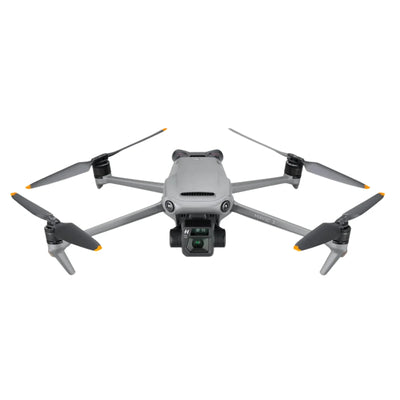
- подержанный DJI Mavic 3 Pro, отправленный DDP во Вьетнам, стоит ~ 1458 долларов США; тот же дрон в Бразилию стоит ~2640$+
Каковы ставки налога на импорт бывших в употреблении дронов во Вьетнаме в 2024 году?
Вьетнам применяет удивительно простую структуру налогообложения в отношении импортируемых потребительских дронов. Большинство дронов, оснащенных камерой, подпадают под код ТН ВЭД 8525.80 — той же категории, что и цифровые камеры и устройства видеозаписи с возможностью передачи данных. В соответствии с обязательствами Вьетнама перед ВТО, тарифная ставка режима наибольшего благоприятствования (НБН) для этой классификации находится на уровне0%. Это означает, что с дронов, ввозимых во Вьетнам, не взимается импортная пошлина, независимо от того, новые они или подержанный.
Связано:SACAA, часть 101, для операций с дронами в сфере коммерческой недвижимости с помощью DJI.
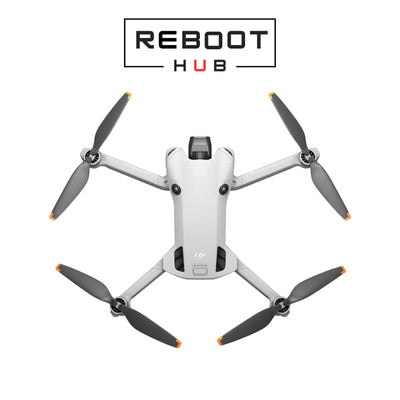
Основной налогНалог на добавленную стоимость (НДС) по ставке 8%., снижена в 2024 году со стандартных 10% в рамках правительственной политики экономического стимулирования (действительна до июня 2024 года с вероятным продлением до декабря 2024 года). НДС рассчитывается на основе стоимости CIF — стоимости, страховки и фрахта вместе взятых. Для подержанный DJI Mini 4 Pro стоимостью 550 долларов США (приблизительно 4290 гонконгских долларов) стоимость CIF, включая доставку, может составить 590 долларов США, что приведет к уплате НДС всего в 47,20 долларов США. Более дорогой подержанный DJI Mavic 3 Pro стоимостью 1350 долларов США (10 530 гонконгских долларов) принесет примерно 113 долларов НДС после учета затрат на доставку и страхование.
Связано:Ограничение количества дронов личного пользования индийской таможни при возврате
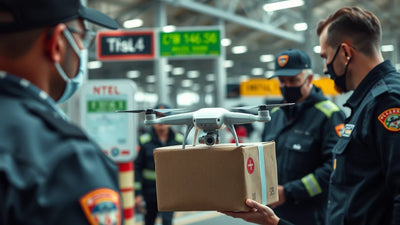
Бывшие в употреблении товары предъявляют дополнительные требования к документации во Вьетнаме. Сотрудники таможни могут запросить подтверждение возраста товара, оригинальные чеки о покупке и декларацию, подтверждающую, что дрон предназначен для личного использования, а не для коммерческой перепродажи. Однако эти требования редко приводят к значительным затратам — обычно плата за обработку составляет 15–25 долларов США, если обработка осуществляется через таможенного брокера. Сроки оформления варьируются отот 5 до 10 рабочих днейдля надлежащим образом документированных поставок.
Каковы ставки налога на импорт бывших в употреблении дронов в Бразилии в 2024 году?
В Бразилии действует один из самых сложных и дорогих налоговых режимов импорта в мире. Потребительские дроны подпадают под код ТН ВЭД 8525.80 или 8526.92 (устройство с дистанционным радиоуправлением), оба привлекают вниманиефедеральная импортная пошлина (Imposto de Importação, II) в размере 20%.по стоимости CIF. Но это лишь первый слой. Налоговая система Бразилии является каскадной — каждый последующий налог рассчитывается по совокупной стоимости, включая все предыдущие налоги, создавая эффект умножения.
Второй слойIPI (Imposto sobre Produtos Industrializados) – 15%., применяется к стоимости CIF плюс импортная пошлина. Затем идут налоги на социальные отчисления:PIS — 2,1% и COFINS — 9,65%., оба рассчитаны на основе промежуточной суммы. Наконец, каждый бразильский штат взимает сборыICMS (Imposto sobre Circulação de Mercadorias e Servicos) от 17% до 21%.в зависимости от штата назначения: в Сан-Паулу взимается 18%, а в Рио-де-Жанейро — 21%. ICMS рассчитывается с использованием формулы валового увеличения, которая фактически делает ставку выше, чем предполагает номинальный процент.
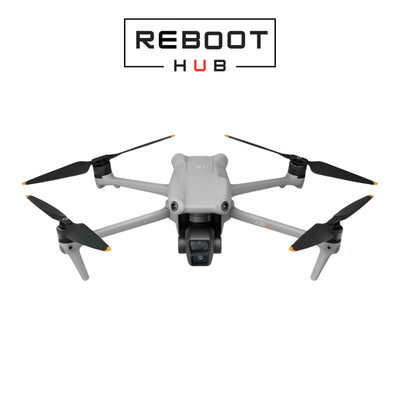
Практический пример: подержанный DJI Air 3 стоимостью 750 долларов США (5850 гонконгских долларов) с доставкой в размере 80 долларов США дает CIF в размере 830 долларов США. II при ставке 20% добавляет 166 долларов (итого 996 долларов). IPI при ставке 15% добавляет $149,40 (итого $1145,40). Сумма PIS/COFINS в размере 11,75% добавляет 134,59 долларов США (итого 1 279,99 долларов США). ICMS при ставке 18% по формуле валового роста добавляет примерно 280 долларов.общая сумма налогов достигает примерно 730 долларов США.— эффективная ставка 88% от первоначальной стоимости CIF. Окончательная стоимость покупки для покупателя составляет примерно 1560 долларов США. Стоимость того же дрона, импортированного во Вьетнам, составит около 896 долларов, включая НДС.
Как сравниваются общие затраты на импорт во Вьетнаме и Бразилии?

The cost gap is stark. Below is a direct comparison for three popular pre-owned drone models, assuming DDP shipping from Hong Kong (shipping cost estimated at $60–$90 USD per unit, included in CIF):
| Модель дрона (Подержанный класса A) | Цена за единицу (доллар США/гонконгский доллар) | Всего по Вьетнаму (DDP) | Итого по Бразилии (DDP) |
|---|---|---|---|
| DJI Mini 4 Pro | 550 долларов США / 4290 гонконгских долларов | ~636$ | ~1175 долларов США |
| DJI Air 3 | 750 долларов США / 5850 гонконгских долларов | ~$896 | ~1560 долларов США |
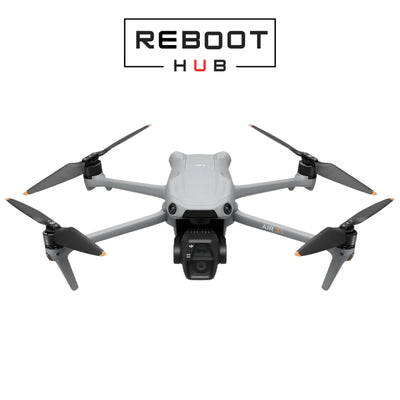
| DJI Mavic 3 Pro | 1350 долларов США / 10 530 гонконгских долларов | ~1458 долларов США | ~2640 долларов США |
Разница почти полностью обусловлена каскадной многоуровневой налоговой системой Бразилии по сравнению с единым 8% НДС во Вьетнаме. Вьетнамские покупатели обычно платят80–113 долларов США в общей сложности налоги.на дроне подержанный, а бразильские покупатели платят460–1200 долларов США в виде налогов.для одного и того же товара в зависимости от модели и состояния назначения.
Shipping costs are comparable: express courier (DHL, FedEx, UPS) from Hong Kong to either Ho Chi Minh City or São Paulo averages $60–$95 USD for a standard drone package weighing 2–4 kg. The difference lies entirely in the tax treatment upon arrival. For Brazilian buyers, opting for DDP (Delivered Duty Paid) shipping is strongly recommended, as it locks in the total cost upfront and avoids unpredictable customs brokerage fees that can add another $80–$150 USD if handled post-arrival.
Какие дополнительные сборы следует ожидать покупателям при импорте бывших в употреблении дронов?
Помимо основных налоговых ставок, на окончательную конечную цену влияют несколько дополнительных расходов. ВВьетнамТаможенно-брокерские сборы за личный импорт обычно варьируются отОт 15 до 30 долларов США.при использовании местного агента. Плата за хранение на складе в аэропорту начисляется после 3 свободных дней примерно в размере3–5 долларов США в день.. Если таможня помечает груз для физического досмотра (обычно для бывшей в употреблении электроники), плата за досмотр составляет10–20 долларов США.применяется. Сумма этих сборов редко превышает 55 долларов США. Вьетнамская таможня не требует официальной лицензии на импорт дронов личного пользования стоимостью менее 2000 долларов США.
ВБразилия, дополнительные сборы значительно выше. Despachante aduaneiro (таможенный брокер) является обязательным для большинства неэкспресс-отправлений и сборов.100–250 долларов США.за декларацию. Стоимость хранения в терминалах аэропорта под управлением ИНФРАЭРО8–15 долларов США в день.через 48 часов, а задержки оформления обычно составляют 15–30 дней, а это означает, что плата за хранение часто достигает120–450 долларов США.до выпуска пакета. Бразилия также требуетРадиолокационная регистрация(электронная регистрация в Receita Federal) для импортеров, а некоторые штаты требуютРегистрационный номер ICMS. Плата за обработку небольших посылок Correios (почтовой службой) по программе Remessa Conforme является фиксированной.17 реалов (приблизительно 3,50 доллара США), но эта программа в основном распространяется на товары стоимостью менее 50 долларов США — большинство дронов подержанный превышают этот порог и проходят полную коммерческую очистку.
Обе страны освобождают действительно бывшие в употреблении товары от некоторых требований коммерческого лицензирования, но в Бразилии определение «личного использования» более узкое. Дрон, ценимый выше500 долларов СШАчасто вызывает коммерческую классификацию в Бразилии, требуя CNPJ (налоговый идентификатор бизнеса) или длительный процесс подачи заявления об освобождении от налога, который может занять 4–6 недель.
Где купить нетронутые дроны Подержанный
Для покупателей во Вьетнаме и Бразилии, стремящихся избежать неопределенности, связанной с частным импортом,Reboot Hub(reboot-hub.com) предлагает проверенную альтернативу. Компания специализируется наНетронутые дроны Подержанный— explicitly not pre-owned units — that undergo a multi-point inspection at their Shenzhen facility. Technicians hold MOHRSS Level 3 certification, the highest vocational qualification in China for electronics repair and diagnostics. Every drone is built with genuine OEM parts only; no third-party or aftermarket components are used.
Reboot Hub разделяет свои запасы на два уровня:Безупречный (класс А+)для единиц, предназначенных только для активации, которые никогда не летали, иНетронутый Подержанный (класс A)для дронов с минимальным использованием и отсутствием видимых следов на корпусе, подвесе или пропеллерах. Каждая покупка включает в себяГарантия 180 дней.— substantially longer than the 90-day standard most resellers offer. Repairs are handled at the company's Shenzhen chip-level repair centre, with aСрок выполнения 3–5 днейи возможность возврата в пункт обслуживания в Гонконге. Что особенно важно для международных покупателей, Reboot Hub доставляетсяDDP (доставка с оплатой пошлины) по всему миру.from Shenzhen and Hong Kong, meaning the listed price is the final price — all import taxes, customs brokerage, and clearance fees are pre-paid by the seller. This eliminates the $100–$450 surprise that Brazilian buyers often face and makes comparison shopping between Vietnam and Brazil straightforward at checkout.
Граница сценария
Это сравнение стоимости доставки во Вьетнаме и Бразилии, а не очередной калькулятор таможенных пошлин для одной страны.
- Сосредоточьте внимание на этой странице на выборе более безопасного маршрута покупки между двумя рынками: объем оформления документов, стоимость счета, сроки импорта, риск гарантии/обслуживания, логистика аккумуляторов и может ли проверенный продавец поддержать документы.
- Путь действий – сравнительная сортировка рисков. Он не должен претендовать на предоставление рекомендаций по фиксированному налогу; он должен подтолкнуть читателя к проверке данных в национальном таможенном органе, прежде чем совершать трансграничную покупку подержанного дрона.
Путь решения сценария
Сохраните этот ответ связанным с библиотекой сценариев Reboot Hub.

Эта статья относится к разделу «Импорт/доставка». Используйте хаб, чтобы сравнивать вопросы, чеки и инструкции для ближайших покупателей, а также инструкции по следующим шагам.
Откройте путь сценария импорта/доставки.Часто задаваемые вопросы
Вопрос: Взимает ли Вьетнам импортную пошлину за бывшие в употреблении дроны, поставляемые из Китая?
Ответ: Нет. Вьетнам не взимает импортную пошлину с потребительских дронов, отнесенных к категории HS 8525.80, которая распространяется на многороторные самолеты, оборудованные камерой и способные передавать данные. Тарифная ставка РНБ составляет 0% в соответствии с тарифной сеткой ВТО Вьетнама, и эта ставка в равной степени применяется к новым блокам и блокам подержанный. Единственным применимым налогом является НДС в размере 8% (снижен с 10% в 2024 году), рассчитываемый на основе стоимости CIF. Для типичного дрона подержанный стоимостью 550–1350 долларов США это означает, что налоговый счет составит 44–113 долларов США. Вьетнам не вводит антидемпинговые пошлины на дроны китайского происхождения, в отличие от некоторых других категорий электроники. Таможенное оформление правильно документированного личного импорта обычно завершается в течение 5–10 рабочих дней.
Вопрос: Почему в Бразилии налоги на импорт бывших в употреблении дронов намного выше, чем во Вьетнаме?
Ответ: В Бразилии применяется каскадная налоговая система, в которой каждый налоговый уровень применяется к совокупной стоимости, включая все предыдущие налоги. Федеральная импортная пошлина (II) в размере 20% — это только отправная точка. IPI (15%), PIS (2,1%), COFINS (9,65%) и ICMS на уровне штата (17–21%) располагаются последовательно. Этот эффект начисления процентов приводит к тому, что эффективная общая ставка достигает 87–93% от стоимости CIF. Вьетнам, напротив, применяет фиксированную импортную пошлину в размере 0% плюс единый НДС в размере 8% без каскадного механизма. подержанный DJI Air 3 стоимостью 750 долларов США стоит примерно 896 долларов США при доставке во Вьетнаме по сравнению с 1560 долларами США в Сан-Паулу — разница в 664 доллара почти полностью объясняется налоговой архитектурой Бразилии, а не расходами на доставку или обработку.
Вопрос: Какой способ доставки подержанного дрона из Гонконга во Вьетнам или Бразилию является самым дешевым?

A: For Vietnam, Hong Kong Post's Speedpost (EMS) offers the most economical option at $35–$55 USD for a 2–3 kg drone package, with delivery in 7–12 days. DHL Express costs $65–$85 USD but delivers in 2–3 days and includes basic customs brokerage. For Brazil, DHL Express or FedEx International Priority are strongly recommended despite higher cost ($75–$95 USD) because they include despachante services and pre-clearance capabilities that significantly reduce delays. Regular postal service to Brazil can result in 30–60 day clearance times and storage fees that quickly erase any shipping savings. DDP shipping from sellers like Reboot Hub bundles all these costs into one upfront price, which is typically $60–$90 USD for the shipping portion.
Вопрос: Могу ли я избежать налогов на импорт в Бразилию, задекларировав подержанный дрон в качестве подарка?
Ответ: Нет. Федеральный закон Бразилии не освобождает бытовую электронику от налога на основании статуса подарка. Все отправления с заявленной стоимостью выше 50 долларов США подлежат полному режиму налога на импорт независимо от отношений отправителя и получателя. Попытка занизить цену дрона значительно ниже рыночной (например, объявив DJI Mavic 3 Pro стоимостью 100 долларов США) несет в себе высокий риск таможенной переоценки. Федеральные чиновники Receita регулярно проверяют цены на онлайн-рынках и могут переоценить стоимость, чтобы она соответствовала текущим розничным ценам или ценам перепродажи, применяя 100% штраф к заниженной части. Переоценка также приводит к уплате обязательной платы за физический осмотр в размере 150–300 реалов (приблизительно 30–60 долларов США) и может задержать оформление на 20–40 дополнительных дней. Самый безопасный подход — точное декларирование условий DDP.
Вопрос: Распространяется ли 180-дневная гарантия Reboot Hub на дроны, отправленные за границу в Бразилию или Вьетнам?
A: Yes. Reboot Hub's 180-day warranty is valid globally, covering all drones shipped to Vietnam, Brazil, and every other destination they serve. The warranty addresses hardware defects, sensor calibration issues, gimbal malfunctions, and battery health degradation below 85% capacity. Claims are processed through the Shenzhen repair centre, with repairs or replacements completed within 3–5 business days. Return shipping costs for warranty claims are covered by Reboot Hub up to $50 USD per incident. The company's MOHRSS Level 3 certified technicians perform all repairs using genuine OEM parts only. For Brazilian buyers, the warranty provides critical peace of mind given the prohibitive cost of re-importing a replacement drone through Brazil's tax system — a replacement unit would incur the same 87–93% tax burden again, making the warranty-included repair path far more economical than sourcing a local replacement.
Вопрос: Существуют ли какие-либо налоговые льготы для личных дронов, ввозимых во Вьетнам?
Ответ: Вьетнам предлагает ограниченные, но значимые исключения. Дроны, классифицируемые как личный багаж, перевозимые пассажиром, прибывающим международным рейсом, освобождаются от НДС, если общая стоимость всех перевозимых товаров не превышает 10 миллионов донгов (приблизительно 410 долларов США). Однако это освобождение распространяется только на физически сопровождаемый багаж в аэропорту, а не на отправленные посылки. Отгруженные товары, даже если они действительно предназначены для личного использования, облагаются НДС в размере 8% от полной стоимости CIF без минимального порога. Во Вьетнаме нет исключения de minimis для почтовых или курьерских отправлений, сравнимого с порогом в 800 долларов США. Практическое освобождение от поставляемых дронов фактически составляет 0 долларов США — все коммерческие поставки облагаются налогом. Вот почему доставка DDP обеспечивает уверенность в стоимости: продавец рассчитывает и уплачивает точные 8% НДС плюс номинальные сборы за оформление в момент отправки, избегая каких-либо переговоров с таможенными брокерами после прибытия.
Вопрос: Какая документация мне нужна, чтобы без задержек импортировать дрон подержанный в Бразилию?
О: Бразильская таможня требует несколько документов для беспрепятственного оформления: (1) коммерческий счет с указанием точной покупной цены, модели дрона, серийного номера и кода HS (8525.80 или 8526.92); (2) коносамент или авианакладная с номером отслеживания; (3) номер CPF (индивидуальный идентификатор налогоплательщика, который иностранные граждане могут получить онлайн на федеральном веб-сайте Receita); (4) подтверждение оплаты, например запись транзакции PayPal или подтверждение банковского перевода; и (5) заполненную форму импортной декларации (DI), которую обычно обрабатывает служба доставки или курьерская компания. Для дронов стоимостью более 500 долларов США может быть запрошена дополнительная документация, включая декларацию конечного использования, подтверждающую, что дрон предназначен для личных развлекательных целей, а не для коммерческих воздушных перевозок. Без CPF посылка не может пройти таможню — это наиболее распространенная причина отказа и возврата для бразильских импортеров, впервые поступивших в продажу. Курьерские службы, такие как DHL и FedEx, помогают с регистрацией CPF в рамках своих брокерских услуг при доставке DDP.
Вопрос: Чем различаются классификации дронов по кодам HS во Вьетнаме и Бразилии?
Ответ: Обе страны используют Гармонизированную систему (ГС) в качестве основы, но применяют разные подклассификации. Вьетнам классифицирует большинство потребительских дронов с камерами под номером HS 8525.80.19 (цифровые камеры с возможностью передачи данных и прочее), по которому действует ставка MFN 0%. Дроны FPV и промышленные модели без встроенных камер могут подпадать под HS 8526.92.00 (устройства радиодистанционного управления), который также облагается импортной пошлиной по ставке 0%, но может потребовать дополнительной документации о соответствии частоте. Бразилия использует HS 8525.80.19 для дронов с камерой и HS 8526.92.00 для самолетов с дистанционным управлением без камеры, оба имеют ставку II 20%. Критическое различие заключается не в самой классификации, а в последующем налоговом режиме: каскадные уровни IPI, PIS, COFINS и ICMS в Бразилии применяются одинаково к обоим кодам, в то время как единый НДС во Вьетнаме применяется единообразно. Неправильная классификация в любой стране может повлечь за собой штраф в размере 50–100% от недоплаченного налога, поэтому точное кодирование ГС в коммерческом счете имеет важное значение независимо от пункта назначения.
Часто задаваемые вопросы
Каков самый безопасный способ планирования сравнения налога на импорт подержанных дронов во Вьетнаме и Бразилии?
Оцените стоимость доставки до оплаты, включая стоимость продукта, фрахт, страховку, пошлину, НДС или GST, брокерские услуги, хранение и документы на аккумулятор.
Могу ли я опираться на один пример таможни?
Нет. Используйте примеры только для планирования и проверяйте окончательное правило у таможни, брокера или соответствующего национального органа.
Какие документы должны совпадать перед отправкой?
Счет-фактура, описание HS, серийный номер, грузополучатель, подтверждение оплаты, декларация перевозчика и документы на батарею должны совпадать перед отправкой.
Техническая информация и характеристики
Технические характеристики модели, примечания по ремонту при разборе, распространенные точки отказа и цены на подержанный см.Reboot Hub DJI Drone Wiki— 64 модели и более 700 сопоставленных деталей, сохраненных после документально подтвержденного ремонта. Просмотрите проверенные запасы подержанный наКоллекция подержанный DJI.
Keep exploring
Further reading
From Хроника Reboot Hub

From Руководства по дронам