Treci la conținut

Available 24/7: (852) 5537 6652

DJI Drone Wedding Tips to Beat Lagos Heat & Battery Drain

de LauThomas 22 Jun 2026 0 comentarii

Quick Answer

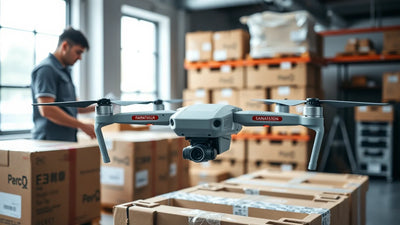
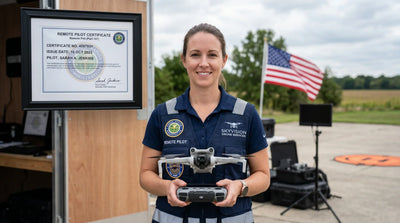
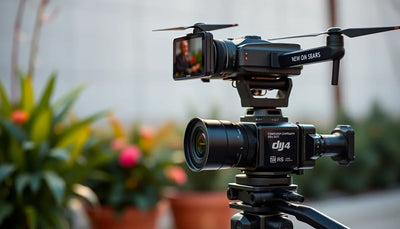
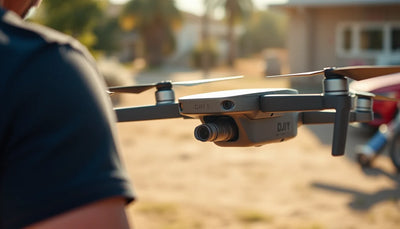
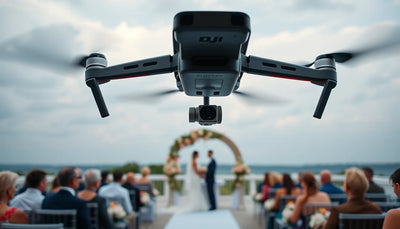
DJI Drone Wedding Tips to Beat Lagos Heat  Battery Drain - drone operator at wedding venue
  • Fly during the coolest hours (7–9 AM or 4–6 PM) – Lagos daytime peaks often hit 35–38°C, slashing real flight time by 18–25%. Early morning or late afternoon keeps batteries under 40°C and delivers closer to advertised flight times.
  • Carry at least 6 fully charged DJI Intelligent Flight Batteries – A DJI Mavic 3 Pro gives about 33 minutes of active filming in 34°C heat; six batteries cover roughly 3 hours of aerial work, enough for a full wedding shot list.
  • Pre-cool batteries in a portable 12V cooler and keep them shaded – Setting each pack on a reflective sunshade or in an insulated bag between flights reduces internal resistance and prevents voltage sag.
  • Switch to Cine mode, disable unused vision sensors, and lock 4K/30fps – Smooth cinematic moves use 15‑20% less power than Sport mode, and lowering transmission to 2.4 GHz at short range can save another 5% on hot days.
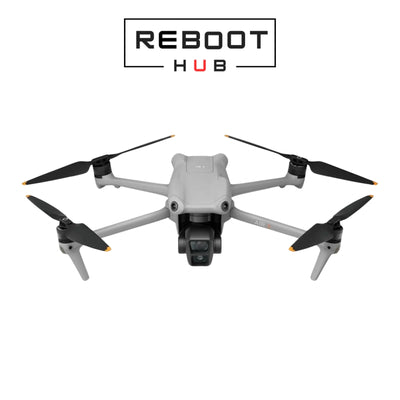
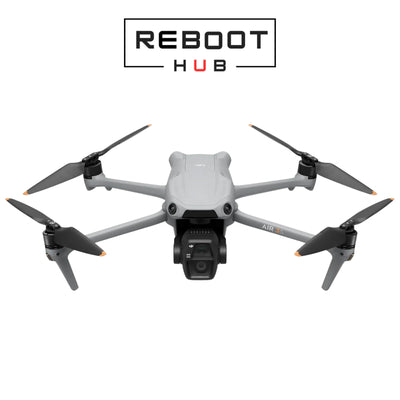
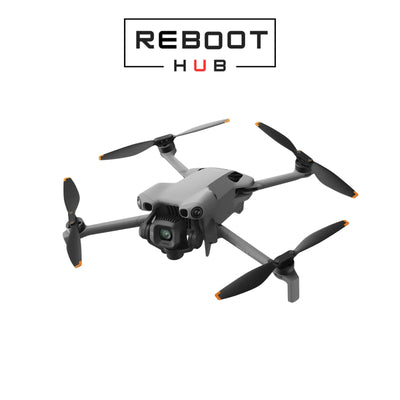
  • Invest in a pristine pre‑owned DJI drone with a 180‑day warranty – Reboot Hub ships DJI Air 3, Mavic 3 Classic, and Mini 3 Pro units that have been 40‑point inspected and cost 30–40% less than new ($759–$1,399), backed by a repair centre with 2–4 business day turnaround in Shenzhen, China.

How Does Lagos Outdoor Heat Drain DJI Drone Batteries Faster?

Lithium‑polymer cells inside a DJI drone battery suffer a measurable drop in performance once ambient temperatures exceed 30°C—one of the most critical DJI drone wedding tips for Lagos is understanding how extreme heat accelerates battery drain. In outdoor wedding venues around Lagos—Victoria Island, Lekki Phase 1, Ikeja, or the Epe resorts—the daytime temperature between 11 AM and 3 PM often sits at 34–38°C with 70–85% humidity. Under that load, the internal battery temperature can rise to 55°C within 8 minutes of hover, triggering the flight controller's thermal protection. Reboot Hub technicians have diagnosed and repaired over 800+ DJI drone units since 2022, holding MOHRSS Level 3 Advanced Technician certification recognised by China's Ministry of Human Resources and Social Security, and these field insights underpin every recommendation below. You will see available flight time plummet from the advertised 46 minutes (Mavic 3 Pro in 25°C no‑wind lab) to a real‑world 30–34 minutes. Battery chemistry also loses reversible capacity faster: after 100 cycles in Lagos‑type heat, a DJI Mavic 3 battery can retain 15‑20% less capacity than one cycled in a temperate climate. That means you could be landing with 25% battery instead of the planned 15% safety buffer, costing you the final processional shot.

Related: Refurbished DJI Drone Warranty in the Philippines: What If I

What Are the Best DJI Drones for Wedding Photography in Hot Climates?

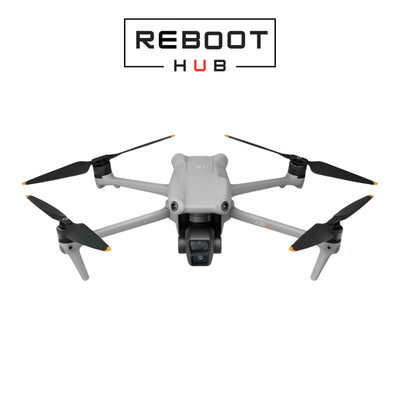
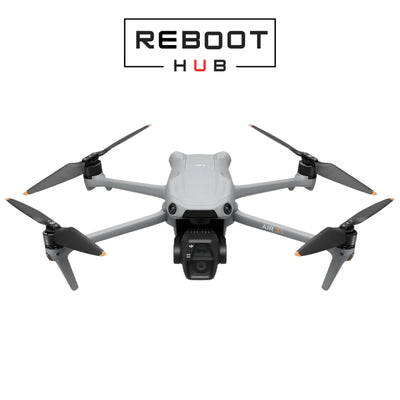
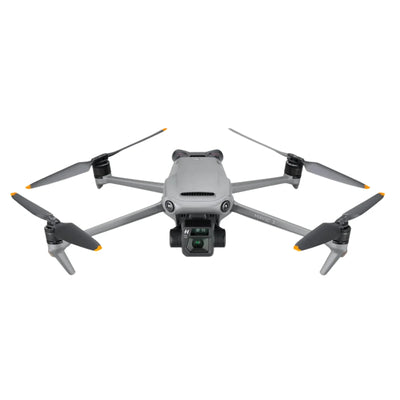
The DJI Mavic 3 Pro, Air 3, and Mini 3 Pro all handle outdoor heat differently. The Mavic 3 Pro uses a higher‑voltage 4‑cell battery (15.4 V) and active cooling vents that keep the battery tray 3‑5°C cooler than the older Mavic 2 Pro. In a 35°C Lagos afternoon, you can reliably film for 33 minutes with obstacle‑avoidance enabled. The Air 3, with its two‑battery parallel configuration, gives about 34 minutes in similar conditions but the smaller propellers demand more RPM, so it runs slightly hotter. The Mini 3 Pro (under 249 g) using the Intelligent Flight Battery Plus will struggle past 27 minutes when shooting 4K/60fps in direct sun because its tiny body has no active cooling. For all‑day wedding coverage, a pristine pre‑owned Mavic 3 Classic from Reboot Hub at $1,199 (Pristine Pre‑Owned) or $1,399 (Flawless, activation‑only) gives you the 4/3 CMOS Hasselblad camera with 12‑stop dynamic range, essential for Lagos' harsh midday contrasts. A Grade A+ Air 3 goes for $1,099, and a Mini 4 Pro Flawless sits at $759.

Related: Fake DJI Drone Risks When Buying Refurbished in Sweden

How Can You Prevent Battery Drain During a Lagos Wedding Shoot?

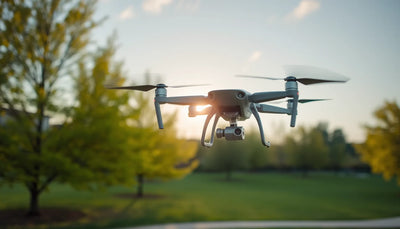
DJI Drone Wedding Tips to Beat Lagos Heat  Battery Drain - aerial view of decorated wedding ceremony

Start by storing your batteries inside a 12‑volt thermoelectric cooler set to 22°C. Do not charge them in direct sun—the DJI charger can push a pack to 48°C before you even take off. At the venue, place each battery on a reflective silver emergency blanket under a canopy; that alone can lower surface temperature by 8°C. Fly only short, 8‑12‑minute sorties and land when the battery hits 30% instead of 15%. A Mavic 3 battery needs about 18 minutes to cool from 55°C to 38°C with active air flow; if you have six packs, you can rotate them so each flies once every 75 minutes. Keep the drone's top shell dust‑free—clogged air inlets raise internal temperature quickly. Many Lagos wedding photographers also set an audible DJI Fly app warning at 27% battery to allow a safe return, especially when flying over water at Landmark Beach or the Lekki‑Ikoyi Link Bridge.

Which DJI Drone Flight Settings Reduce Battery Consumption in Outdoor Heat?

Switch to Cine mode (max speed 5 m/s) for all reveals and dolly zooms. In Sport mode, the Mavic 3 consumes up to 42 W continuous; Cine mode brings that down to 32 W, extending flight by roughly 4‑5 minutes. Disable side and upward obstacle‑avoidance sensors when you are in open sky—each infrared time‑of‑flight sensor draws about 1.5 W constant. Use the standard 2.4 GHz transmission band instead of 5.8 GHz on the DJI RC Pro; the lower frequency requires less power for the same range under 500 m. Set your video to 4K‑30fps H.265 10‑bit; H.264 or 4K‑60fps processing taxes the image processor and adds 2‑3 W of heat. Finally, turn off the auxiliary bottom LED light and lower the screen brightness on your controller—combined, these steps can free 8‑12% total system power, giving you about 31 minutes instead of 27 minutes on a 35°C day.

Where Can You Buy Pristine Pre-Owned Drones for Lagos Wedding Photography?

Reboot Hub (reboot-hub.com) supplies Pristine Pre-owned DJI drones that have never been refurbished—each unit passes a 40‑point inspection and is rebuilt using only genuine OEM parts. They ship DDP (delivered duty paid) worldwide from their Shenzhen, China facility, so there are no surprise customs charges when the package arrives in Lagos. Condition grading is strict: Flawless (Grade A+) means activation‑only, never flown; Pristine Pre‑Owned (Grade A) has minimal use and absolutely zero visible marks. Every drone carries a 180‑day warranty, and if you ever need repair, their Shenzhen, China facility has technicians with MOHRSS Level 3 Advanced Technician certification who perform chip‑level board repairs with a 2–4 business day turnaround — see Reboot Hub's professional DJI repair service for full details. For a wedding kit under $2,500, you can pick up a Pristine Mavic 3 Classic ($1,199) plus two extra intelligent flight batteries ($209 each) and a three‑battery charging hub ($79). Their inventory updates daily, with prices typically 30–40% below DJI retail. For repair and maintenance costs down the road, bookmark the Reboot Hub DJI Repair Cost Database 2026.

Frequently Asked Questions

Q: How long does a DJI Mavic 3 battery last in 35°C Lagos heat during a wedding shoot?

A: In a real outdoor Lagos wedding with 35°C ambient temperature and moderate breeze, a fully charged DJI Mavic 3 Intelligent Flight Battery delivers about 30–34 minutes of active filming when flying in Cine mode at 50 m altitude. The drone will usually trigger a low‑battery return at 25% after 25–28 minutes of constant motion. You can expect 33 minutes if you start with a battery pre‑cooled to 25°C. A pristine pre‑owned Mavic 3 Classic from Reboot Hub ($1,199) ships with a battery guaranteed to hold at least 95% health, so your real‑world time won't differ much from a new pack.

Q: Should I use DJI's battery warming feature in Lagos heat?

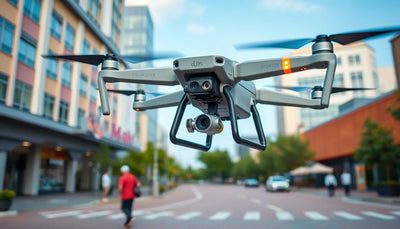
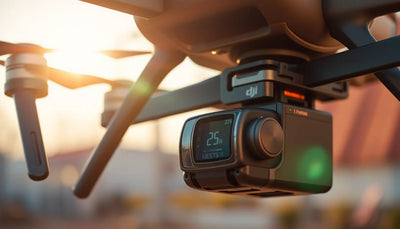
DJI Drone Wedding Tips to Beat Lagos Heat  Battery Drain - drone camera capturing wedding couple

A: No. The battery warming feature is intended for sub‑10°C environments and will only increase internal temperature to roughly 25°C; in Lagos outdoor heat already above 32°C it would push the core past 40°C faster, accelerating chemical degradation. DJI's firmware disables automatic warming when the battery sensor reads above 27°C. Instead, you should actively cool batteries by storing them in a 22°C portable fridge between flights. Keeping a battery below 40°C during discharge is critical to maintain internal resistance below 45 mΩ and prevent the voltage sag that forces an early landing.

Q: What is the ideal flight time window for a Lagos wedding to avoid battery drain?

A: The most efficient slots are 7:00–9:30 AM and 4:00–6:30 PM local time. During these periods, ambient temperature in the Lekki and Ikoyi area hovers around 28–32°C, and the direct sun angle is lower, reducing heat soak on the drone's top shell. At noon (12:00–2:00 PM), a Mavic 3 Pro can lose up to 18% of flight time, dropping to 27 minutes. A Mini 3 Pro with an Intelligent Battery Plus will often return to home after just 22 minutes under the midday sun, so plan your key aerial shots—bride entrance, couple dip—within the golden margins.

Q: How many spare batteries should I bring for a full‑day wedding shoot in Lagos?

A: For an 8‑hour assignment with 4 hours of active flying, bring at least 6 DJI Intelligent Flight Batteries for the Mavic 3 series, plus a 3‑port rapid charger. Each battery provides about 32 minutes of filming in Lagos heat, so 6 packs give you 192 minutes of footage. Factor in 18‑minute cooling cycles between uses and you can fly continuously without overheating any cell. A new DJI Mavic 3 battery costs $209; purchasing a Pristine Pre‑Owned fly‑more kit from Reboot Hub that includes 3 batteries and the charging hub costs $1,599, saving about $400 over new.

Q: Does DJI Care Refresh cover battery swelling caused by heat exposure?

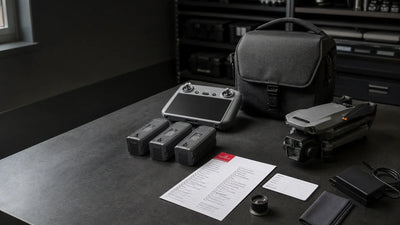
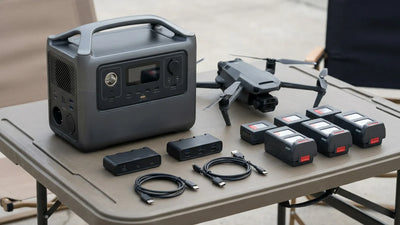
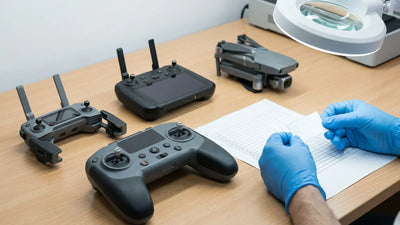
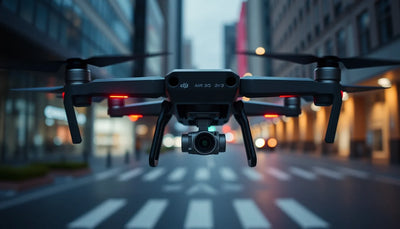
DJI Drone Wedding Tips to Beat Lagos Heat  Battery Drain - wedding drone photography gear setup

A: DJI Care Refresh typically covers accidental damage to the drone and gimbal, but battery swelling due to repeated high‑temperature use is usually classified as normal wear and may not be eligible for free replacement. DJI's battery warranty is 12 months or 200 cycles, whichever comes first. Reboot Hub's 180‑day warranty on pristine pre‑owned drones includes coverage for battery defects, and their Shenzhen, China repair centre can replace swollen cells inside 2–4 business days using OEM packs, with labour costs starting at $65. Always visually inspect batteries after a hot shoot; a swollen pack should be discharged to 5% for safe disposal.

Q: What altitude and distance settings give the best battery economy for Lagos wedding aerial shots?

A: Set your maximum altitude to 60 m and fly at 30–50 m AGL for most cinematic orbits and pull‑back reveals. At 60 m, the propellers work in slightly thinner air, demanding about 8% more power than at 30 m. Keep horizontal distance under 500 m and use the 2.4 GHz band; long‑range flights over Lagos Lagoon only drain the battery faster due to constant full‑power transmission. A typical tight circle around the couple at 35 m altitude costs about 1.5% battery per minute, versus 2.1% per minute at 100 m, giving you an extra 7 minutes of safe flight time on a single pack.

Q: How much does it cost to repair heat‑related DJI drone damage at Reboot Hub?

A: Heat damage typically affects the Battery Management Board ($60–80), ESC module ($70–90), or main board ($150–180 chip-level repair). Full board replacement, if needed, costs $300. Most heat‑related repairs are completed in 2–4 business days at Reboot Hub's Shenzhen, China facility — compare that to $200–320 for an ESC repair at US/Western authorized service centres. For an accurate quote, upload clear photos of the damaged drone through Reboot Hub's professional DJI repair service page and a MOHRSS Level 3 Advanced Technician will respond within 24 hours. We recommend addressing heat damage promptly; delayed repairs often lead to cascading failures on the main board, which raises the total repair cost significantly.

Postarea anterioară
Postarea următoare

Lasă un comentariu

Vă rugăm să rețineți că comentariile trebuie aprobate înainte de a fi publicate.

Multumesc pentru abonare!

Acest e-mail a fost înregistrat!

Cumpărați aspectul

Alegeți opțiuni

Opțiune de editare
Back In Stock Notification
this is just a warning
Log in
Cărucior de cumpărături
0 articole
0%