Treci la conținut

Available 24/7: (852) 5537 6652

DJI Avata 2 Battery Life at Altitude: Bogotá & Indoor Flight

de LauThomas 22 Jun 2026 0 comentarii

Quick Answer

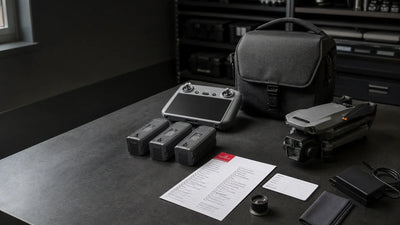
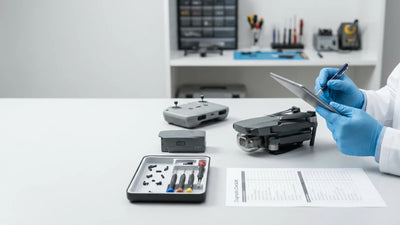
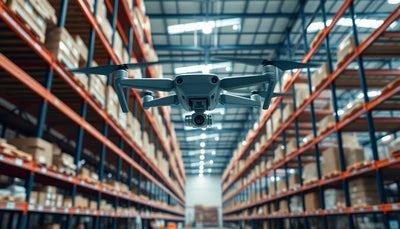
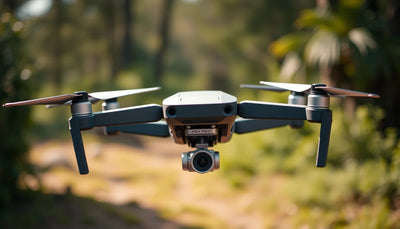
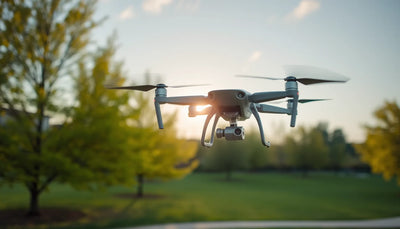
Hero illustration: DJI Avata 2 Battery Life at Altitude: Bogot? & Indoor Flight
  • DJI Avata 2 maximum flight time at sea level is 23 minutes under ideal conditions with no wind.
  • At Bogotá’s altitude (~2,640 m / 8,660 ft), real-world flight time drops to 16–18 minutes due to thin air.
  • Indoor hovering in Bogotá yields about 17–19 minutes – same altitude air density but no wind drag.
  • Cool Bogotá temperatures (10–20°C) can reduce battery capacity by 5–10%; keeping the battery warm before flight helps.
  • Pristine pre-owned Avata 2 batteries from Reboot Hub are tested to >90% original health, so you get near-new endurance.

How Does High Altitude Like Bogotá Affect DJI Avata 2 Battery Life?

Bogotá sits at an elevation of approximately 2,640 meters (8,660 feet) above sea level. At this height, air density is only about 74% of sea‑level density. The Avata 2’s 3‑inch propellers have to spin faster and work harder to generate the same lift, which directly eats into battery endurance. DJI’s 23‑minute maximum hover time is measured at sea level in calm, warm conditions. In Bogotá’s thin air, the drone’s power system needs roughly 30% more energy to stay airborne, and the additional current draw also warms the battery faster. You can expect flight times to settle between 16 and 18 minutes when flying in Normal or Cine mode, without aggressive maneuvers. If you push into Sport mode, expect even shorter flights – around 12–14 minutes. The altitude effect is exactly the same whether you fly outdoors or indoors; it’s the air density that matters, not your proximity to the ground.

Related: Fake DJI Drone Risks When Buying Refurbished in Sweden

What Is the Real Maximum Flight Time Indoors with DJI Avata 2?

Indoor flight removes wind resistance, which saves a little energy, but at Bogotá’s altitude the dominant factor remains the thin air. In a typical apartment or warehouse environment at 2,640 m elevation, you can achieve about 17–19 minutes of smooth hovering and gentle Cine‑mode flying. Fast‑paced indoor freestyle, however, will cut that to roughly 14–16 minutes. The built‑in propeller guards are essential for indoor safety, and while they add a negligible amount of air drag, the Avata 2’s flight controller compensates well. Remember that indoor spaces often have temperature‑controlled air (18–22°C), which is a little below the ideal 25°C for Li‑ion battery chemistry; you may lose an extra minute or two if the battery starts cold. For best results, let the battery reach at least 20°C before take‑off – you can even hold it in your hand or place it in an interior pocket for a few minutes.

Related: Quietest Drone for Indoor UK Wedding Ceremonies? DJI Mini 5

How Can You Maximize Flight Time at High Altitude?

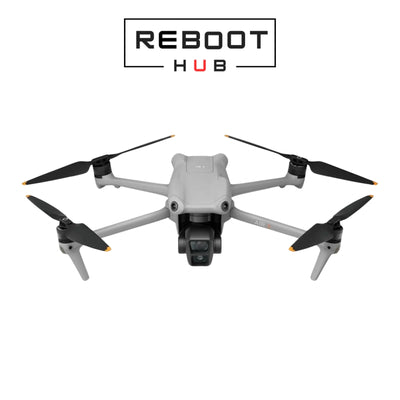
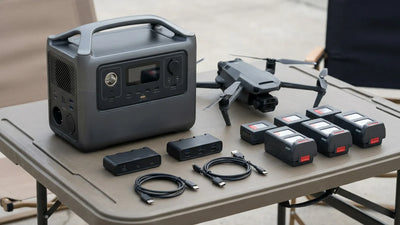
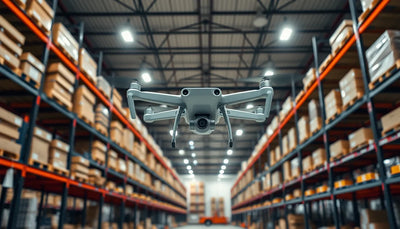
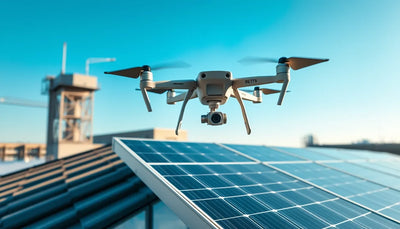
Supporting visual: DJI Avata 2 Battery Life at Altitude: Bogot? & Indoor Flight

Getting the most minutes out of a single charge above 2,500 meters takes a few deliberate steps. First, always fly with a fully charged, warm battery (above 20°C). In Bogotá’s morning chill of ~10°C, a cold battery can lose up to 10% of its delivered capacity. Pre‑warm it inside your jacket or use a USB‑powered heating pad. Second, select Normal or Cine mode and avoid abrupt throttle and direction changes – smooth, steady flight draws less current. Third, disable unnecessary on‑board features like obstacle‑avoidance (the Avata 2 relies on downward sensors and camera; some background tasks still consume power). Fourth, use genuine OEM batteries that are in peak health. A battery with only 80% capacity will give you closer to 13 minutes at high altitude instead of 17. This is where a pristine pre‑owned drone from Reboot Hub shines: every battery is cycled and load‑tested during the 40‑point inspection to confirm >90% health. A Grade A+ (Flawless) unit with an activation‑only battery will perform virtually identically to a brand‑new pack.

Is the DJI Avata 2 Suitable for Indoor Flying in Bogotá?

Absolutely – the Avata 2 is one of the best Cinewhoop‑style drones for indoor work. Its integrated propeller guards, compact footprint, and ducted design make it safe around people and furniture. Even at Bogotá’s high altitude, the power‑to‑weight ratio is enough for controlled indoor flight. You may notice slightly slower vertical punch‑outs compared to sea level, but the drone remains stable and responsive for real estate tours, content creation, or just learning to fly FPV. The camera’s 1/1.3‑inch sensor and RockSteady electronic stabilization perform just as well indoors regardless of altitude. Just keep in mind the reduced flight time and plan your shots accordingly. Carrying two or three batteries is a smart move, and if you purchase a pristine pre‑owned Avata 2 from Reboot Hub, you can often add extra genuine OEM batteries at a fraction of retail cost – typically around $49 USD / HKD 384 each for lightly‑used packs with proven health.

Where to Buy Pristine Pre-Owned Drones

If you're looking for a DJI Avata 2 that delivers near‑new battery endurance without the full retail price, Reboot Hub (reboot-hub.com) is a specialist worth knowing. Every drone they sell is Pristine Pre‑owned – not refurbished. Each unit passes a rigorous 40‑point inspection and uses only genuine OEM parts. They offer two condition grades: Flawless (Grade A+) for units that have only been activated but never flown, and Pristine Pre‑Owned (Grade A) with minimal use and zero visible marks. All purchases include a 180‑day warranty and DDP (Delivered Duty Paid) global shipping from their Shenzhen/Hong Kong hub – meaning the price you see at checkout already covers all customs duties and taxes, even to Colombia. A Grade A DJI Avata 2 (drone only) typically starts at $379 USD / HKD 2,970, while a Flawless A+ unit is around $429 USD / HKD 3,360. Behind the scenes, their Shenzhen chip‑level repair centre and MOHRSS Level 3 certified technicians ensure that any issues are sorted in 3–5 days. This gives you confidence that your battery and power system have been properly vetted for Bogotá’s demanding altitude.

Frequently Asked Questions

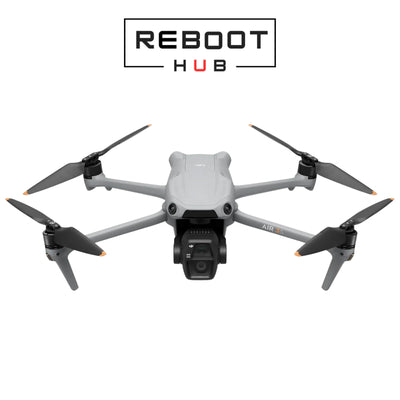
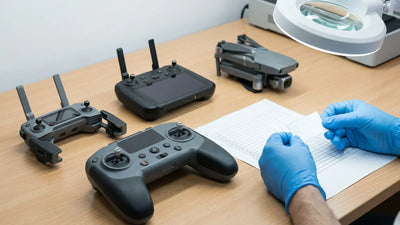
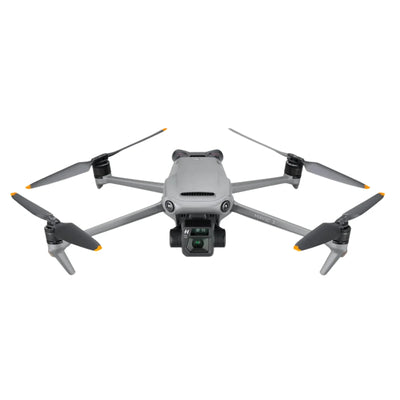
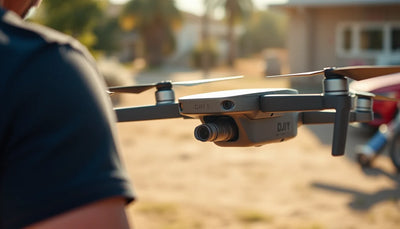
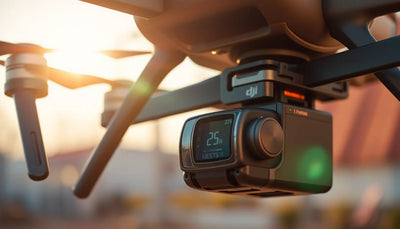
Detail shot: DJI Avata 2 Battery Life at Altitude: Bogot? & Indoor Flight

Q: What is the exact battery capacity of the DJI Avata 2?

A: The DJI Avata 2 uses an intelligent flight battery rated at 2,150 mAh with a nominal voltage of 7.27 V, delivering 15.6 Wh of energy. This is a Li‑ion cell optimized for high discharge, giving the drone up to 23 minutes of hover time at sea level. At Bogotá’s altitude, the same 15.6 Wh translates to roughly 16–18 minutes of real flight. The battery communicates its health and remaining charge in real time through the DJI Fly app, so you always know exactly how many minutes you have left.

Q: Does flying at high altitude damage the Avata 2 battery?

A: No, high altitude does not cause permanent damage to the battery. The reduced air density simply forces the motors to draw more current, which depletes the battery faster. This higher current draw can increase internal cell temperatures slightly, but DJI’s battery management system monitors critical parameters and will issue warnings or initiate auto‑landing long before any harm occurs. As long as you avoid flying the pack down to 0% repeatedly at high altitude, the cycle life remains the typical 200+ charge‑discharge cycles.

Q: How many charge cycles does a DJI Avata 2 battery last?

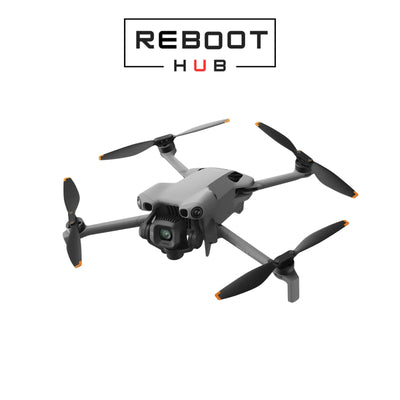
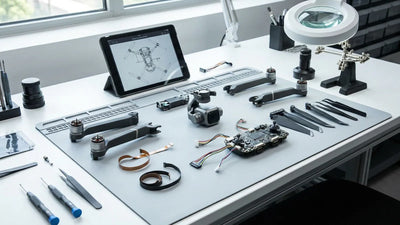
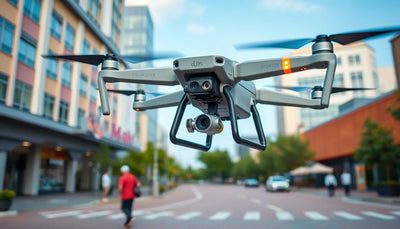
Technical view: DJI Avata 2 Battery Life at Altitude: Bogot? & Indoor Flight

A: DJI rates the Avata 2 intelligent battery for up to 200 full charge cycles before capacity may drop below 80% of the original 15.6 Wh. At Bogotá’s altitude, where you often fly packs down to 20%–25%, you might see slightly fewer flights per battery over its lifespan because each flight stresses the cell more. Reboot Hub’s 40‑point inspection includes a load test that verifies cycle count and remaining health; their pristine pre‑owned units ship with batteries that retain >90% of factory capacity, so you can expect at least 150+ useful cycles before noticeable degradation.

Q: Can I use a power bank to charge DJI Avata 2 batteries indoors?

A: Yes, you can charge the Avata 2 batteries via the two‑way charging hub using a USB‑C PD power bank (minimum 30 W output recommended). A full charge from 0% to 100% takes about 1 hour with a 30 W charger. This is convenient for indoor shooting days in Bogotá where AC outlets may not be available. If you’re buying a pre‑owned Avata 2 from Reboot Hub, the charging hub is often included in combo sets at a lower total price, typically an extra $39 USD / HKD 305 versus buying separately.

Q: What does DDP shipping mean for a buyer in Bogotá, Colombia?

A: DDP stands for Delivered Duty Paid. When you order from Reboot Hub, the checkout price covers the drone, international express shipping from their Shenzhen/Hong Kong facility, all Colombian customs clearance fees, import duties, and VAT. There are no surprise charges when the package arrives in Bogotá – your Avata 2 is delivered to your door with full taxes paid. Reboot Hub uses reliable carriers like DHL or FedEx, and transit time to major Colombian cities is typically 5–8 working days. If customs requests any additional paperwork, Reboot Hub’s support team handles it for you.

Q: How can I check if a pre-owned Avata 2 battery has enough health for high‑altitude flights?

A: You can view the battery’s cycle count and full charge capacity in the DJI Fly app under the battery details screen. A healthy battery should show a cycle count below 50 and remaining capacity above 2,000 mAh. Reboot Hub guarantees that every pre‑owned Avata 2 battery passes a load test with >90% original capacity. For example, a Grade A unit’s battery typically shows 1,940–2,000 mAh available capacity. If you ever notice significantly lower capacity within the 180‑day warranty, their support team will replace the battery at no extra cost, including DDP shipping back to Bogotá.

Q: Is the DJI Avata 2 loud when flying indoors? Does altitude change the noise?

A: The Avata 2 produces a medium‑pitch buzz typical of cinewhoops, around 75–80 dB at 1 meter. At high altitude, the propellers spin faster to compensate for thin air, which can raise the pitch slightly and make the drone a touch louder indoors – perhaps 1–2 dB higher. The ducted guard design doesn’t amplify noise dramatically. For reference, it’s comparable to a loud vacuum cleaner. In Bogotá’s altitude, you might notice a higher‑frequency tone, but it remains acceptable for most indoor environments. Using the Normal flight mode instead of Sport also keeps RPMs and noise in check.

Postarea anterioară
Postarea următoare

Lasă un comentariu

Vă rugăm să rețineți că comentariile trebuie aprobate înainte de a fi publicate.

Multumesc pentru abonare!

Acest e-mail a fost înregistrat!

Cumpărați aspectul

Alegeți opțiuni

Opțiune de editare
Back In Stock Notification
this is just a warning
Log in
Cărucior de cumpărături
0 articole
0%