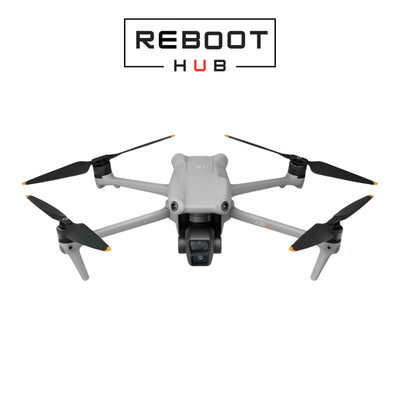
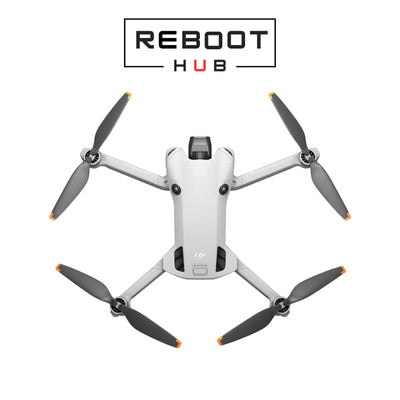
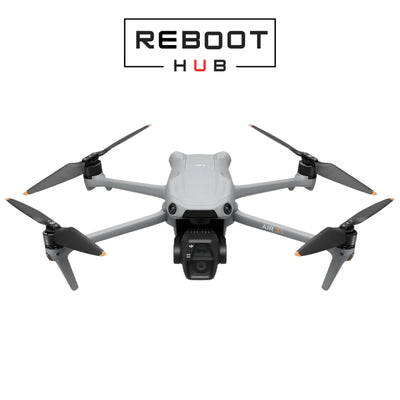
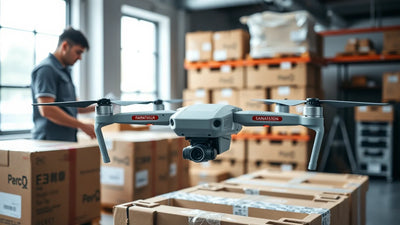
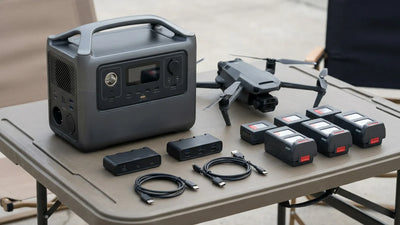
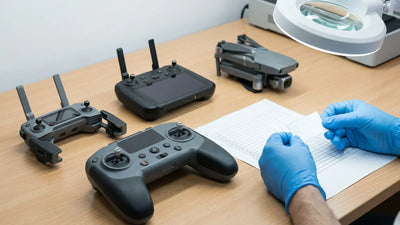
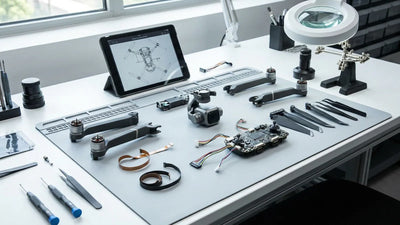
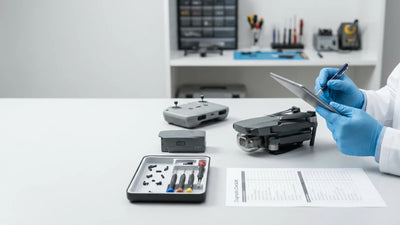
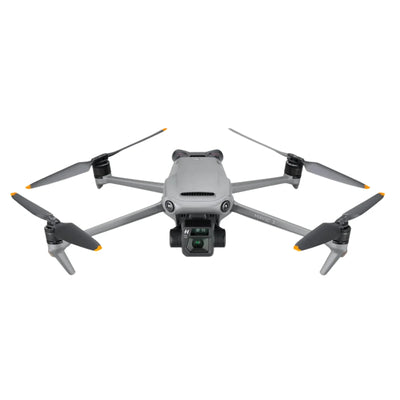
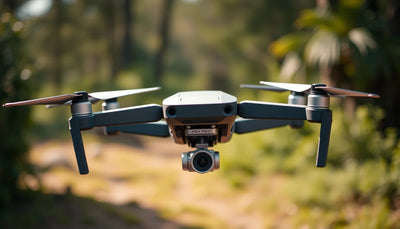
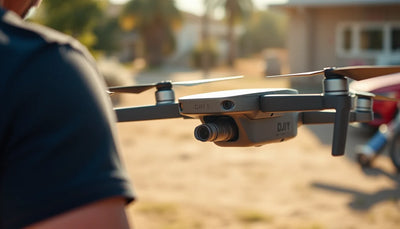
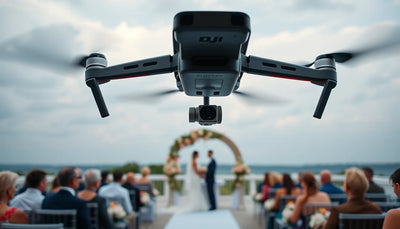
DJI Mini 2 O guia de reparo ajuda os proprietários de DJI a identificar sintomas, verificações de configuração e prováveis pontos de falha antes de substituir peças ou abrir um caso de reparo. Ele suporta decisões mais seguras em relação à calibração, danos por colisão, peças OEM-pulled, revisão de garantia e recebimento de reparos Reboot Hub.
Reboot Hub guia de suporte
DJI Mini 2 Guia de reparo
Por LauThomas · 01 de julho de 2026
Resposta rápida
Este DJI Mini 2 é para compradores, pilotos e técnicos que decidem se devem reparar, substituir ou comprar outra unidade testada. O planejamento público atual vai desde Reboot Hub's A matriz de reparo para 2026 custa US$ 30 a US$ 180, mas o caminho de reparo correto depende do isolamento da falha, das evidências de inspeção e da viabilidade do reparo no nível do chip.
Faixa de planejamento: US$ 30 a US$ 180 dependendo do subsistema com falha
Caminho de menor custo: fita/cabo flexível (US$ 30 a US$ 48)
Caminho de maior custo: Substituição completa da placa (US$ 180)
Regra prática: confirme o módulo com falha antes de substituir um conjunto completo
Reboot Hub matriz de preços de reparos
Atual DJI Mini 2 Matriz de custos de reparo
Esses intervalos de planejamento vêm de Reboot Hub's Matriz de preços de reparos para 2026. O período de reparo no nível do modelo é de US$ 30 a US$ 180. Use a tabela abaixo para ver os caminhos de diagnóstico comuns e confirme a falha exata antes de selecionar peças ou serviços.
Caminho de reparo
Intervalo de matrizes
Quando usar esse intervalo
Fita/cabo flexível
US$ 30 a US$ 48
Use esse caminho para perda de sinal da câmera, inclinação do gimbal, perdas de imagem ou roteamento flexível danificado por impacto.
Módulo Gimbal completo
US$ 120 a US$ 168
Use esse caminho quando a câmera, a lente, o motor ou o conjunto de estabilização forem danificados além do serviço somente por cabo.
Substituição do módulo ESC
$42-$54
Use este caminho para avisos de propulsão, falhas de não rotação, exposição à água ou danos no estágio de potência.
Substituição do braço do motor
US$ 36 a US$ 48
Use este caminho para danos estruturais no braço, dobradiça, trem de pouso, montagem do motor ou carga de colisão.
Placa principal (nível de chip)
US$ 90 a US$ 108
Use este caminho quando uma falha na placa puder ser isolada dos componentes em vez de substituir a placa completa.
Substituição completa da pensão
US$ 180
Use este caminho quando o reparo no nível do chip não for prático ou a placa estiver fisicamente irrecuperável.
Sensor IMU
$30
Use este caminho para loops de calibração, desvios de atitude, erros de sensor ou diagnóstico de flutuação instável.
Conselho de gerenciamento de bateria
US$ 36 a US$ 48
Use este caminho para falhas de BMS, carregamento, balanceamento e gerenciamento de energia.
Comece com os sintomas que alteram o caminho do reparo: falhas na flexibilidade do gimbal, danos na estabilização da câmera, avisos do ESC, danos no braço do motor, loops de calibração da IMU e falhas no nível da placa. Uma rachadura visível ou aviso de aplicativo é apenas a primeira pista. A decisão de reparo útil é se a falha é no nível do cabo, no nível do módulo, no nível da placa ou uma combinação causada por colisão, umidade ou tentativas anteriores de reparo.
Antes de escolher uma peça, confirme o modelo exato, o impacto visível, o erro do aplicativo, o comportamento da câmera, o estado da bateria, o controlador usado e se a unidade foi aberta anteriormente. Fotos, um breve vídeo sobre falhas, capturas de tela de erros do aplicativo e informações sobre a bateria/controlador ajudam a evitar que o componente errado seja solicitado.
Fluxo de trabalho de inspeção
Comece com o DJI Mensagem de erro do voo ou do controlador e compare-a com danos visíveis, imagem da câmera, comportamento do gimbal, rotação do motor, calibração do GPS/IMU e condição da bateria.
Verifique se o sintoma segue um subsistema ou vários sistemas. Uma falha no cabo flexível é muito diferente de uma falha que afeta o gimbal, o shell, o ESC e a placa principal juntos.
Use o perfil do wiki e o banco de dados de custos de reparo juntos: o wiki fornece o contexto do modelo, enquanto a matriz de custos mantém consistentes as faixas de preços públicos.
Não encomende peças de um modelo semelhante só porque a carcaça ou a câmera parecem próximas. Confirme primeiro o modelo exato e a variante.
Padrões de falha comuns
Falhas de impacto: verifique o alinhamento do gimbal, a tensão da carcaça, a deformação do braço ou da estrutura, a suavidade do motor e se a imagem da câmera permanece estável após a calibração.
Falhas de energia: Separe os sintomas da bateria, do carregamento, do BMS, do ESC e da placa principal antes de substituir o módulo maior. Casos de falta de energia e de energia intermitente geralmente precisam de diagnóstico no nível do conselho.
Falhas de água ou corrosão: Não desligue e ligue repetidamente. A exposição à umidade pode se espalhar dos conectores para cabos flexíveis, sensores e trilhos de alimentação da placa. O diagnóstico deve acontecer antes da instalação das peças de reposição.
Falhas de calibração: erros de calibração de IMU, bússola, gimbal e visão podem ser causados por sensores danificados, módulos deslocados, estado de firmware ou reparos anteriores. Trate os loops de calibração como evidência e não como diagnóstico final.
Reparar ou substituir?
Use a matriz de preços como uma ferramenta de planejamento, não como um preço de checkout automático. Caminhos de cabo, sensor e nível de chip podem manter os custos de reparo controlados; caminhos completos de gimbal, pensão completa ou danos causados pela água em vários sistemas podem levar a decisão de substituição ou verificação usado unidade.
Se o reparo envolver mais de um subsistema de alto valor, compare a estimativa com o estoque de reposição testado e a cobertura da garantia antes de aprovar o trabalho.
O que enviar para um orçamento mais rápido
Nome exato do modelo, capacidade de armazenamento ou variante de carga útil, se relevante, e o controlador ou óculos usados com a unidade.
Fotos nítidas da área danificada, área do gimbal/câmera, compartimento da bateria, braços ou estrutura e quaisquer sinais de água, corrosão ou abertura anterior.
Um pequeno vídeo mostrando o comportamento ao ligar, mensagens de erro do aplicativo, imagem da câmera, movimento do gimbal, comportamento motor e instruções de calibração.
Estado da bateria, comportamento de carregamento, versão do firmware/aplicativo e se a unidade travou, caiu com força, caiu na água ou parou de funcionar durante o armazenamento.
Contato Reboot Hub se a falha envolver danos causados pela água, sintomas na placa principal ou vários sistemas danificados.
Perguntas frequentes
A faixa de matrizes é uma cotação final de reparo?
Não. É uma faixa de planejamento público que vai desde o Reboot Hub matriz de preços de reparo. O custo final depende da inspeção, falha exata, disponibilidade de peças, exposição à água e resultado da calibração.
Devo comprar peças antes do diagnóstico?
Não para sintomas de placa, gimbal, ESC ou danos causados pela água. Confirme primeiro o subsistema com falha e depois escolha peças OEM ou instalação técnica.
Quais evidências ajudam Reboot Hub cotar mais rápido?
Enviar o modelo exato, fotos próximas, um pequeno vídeo do sintoma, capturas de tela de erro do aplicativo, estado da bateria, controlador/óculos usados e qualquer histórico de reparos anteriores.