Jak zdobyć pozwolenie DGAC na latanie dronem w rezerwacie Paracas
Przewodnik po scenariuszu Reboot Hub
Informacje dla kupującego: sprawdzenie licencji i zasad działania

Sytuacja:jak uzyskać pozwolenie dgac na latanie dronem w rezerwacie Paracas. Ten przewodnik najpierw odpowiada na konkretną sytuację, a następnie łączy czytelnika ze zweryfikowaną przez Reboot Hub's ścieżką zakupową używany.
Najpierw użyj przypadku
Oddziel rekreację, filmowanie komercyjne, inspekcję, wydobywanie, mapowanie i wydarzenia przed interpretacją zasad.
Kontrola uprawnień
Sprawdź rejestrację, licencję pilota, ograniczoną przestrzeń powietrzną, ubezpieczenie i zasady prywatności u odpowiedniego organu.
Wpływ na zakupy
Reguły mogą zmienić odpowiedni model, ładunek, kontroler, dokumenty i dokumentację sprzedawcy potrzebną przed importem.
Powiązane poradniki Reboot Hub:Porównanie dronów 2026Poradniki celne i VATInstrukcje dotyczące gwarancji i naprawNorma Reboot Hub
Szybka odpowiedź
- DGAC (Dirección General de Aeronáutica Civil)to organ lotnictwa cywilnego Peru — przed lotem jakimkolwiek dronem w Rezerwacie Narodowym Paracas należy uzyskać jego wyraźne zezwolenie.
- Potrzebujeszdwa oddzielne atesty: zezwolenie operacyjne DGAC (S/. 180–350 PEN / ~48–93 USD) i zezwolenie SERNANP na badania/rekreację (S/. 50–150 PEN / ~13–40 USD) na dostęp do obszarów chronionych.
- Prześlij swój wniosek DGACco najmniej 30 dni roboczychprzed planowaną datą lotu — spóźnione zgłoszenia są automatycznie odrzucane zgodnie z przepisami RAP 101.
- Nieautoryzowane loty dronami w rezerwie podlegają karze grzywny550–4800 USDi potencjalna konfiskata sprzętu przez strażników SERNANP.
- Twój dron musi być zarejestrowany w DGAC, wyświetl awidoczny numer rejestracyjny, oraz musisz posiadać ważny certyfikat operatora drona (kategoria A lub B w zależności od wagi drona).
Co to jest DGAC i dlaczego potrzebujesz jego pozwolenia na latanie dronem w Rezerwacie Narodowym Paracas?
DGAC (Dirección General de Aeronáutica Civil) to krajowy organ lotnictwa cywilnego Peru, podlegający Ministerstwu Transportu i Komunikacji. Stworzony, aby regulować wszystkie aspekty cywilnej przestrzeni powietrznej, DGAC reguluje każdy lot bezzałogowego statku powietrznego (UAV) wykonywany na terytorium Peru – w tym drony ważące zaledwie 250 gramów. Rezerwat Narodowy Paracas, położony w regionie Ica na południowym wybrzeżu Peru, to:wyznaczony chroniony obszar przyrodniczyzarządzany przez SERNANP (Servicio Nacional de Áreas Naturales Protegidas por el Estado). Ten status podwójnej jurysdykcji oznacza, że operatorzy dronów muszą spełniać wymagania zarówno DGAC (w zakresie autoryzacji przestrzeni powietrznej), jak i SERNANP (w zakresie zgodności z przepisami dotyczącymi ochrony środowiska i ochrony środowiska). Lot bez zgody DGAC w Paracas nie jest drobnym wykroczeniem — powoduje podjęcie działań egzekucyjnych na mocy RAP 101 (Regulaciones Aeronáuticas del Perú, Parte 101), a kary zaczynają się od około550 USD (4300 HKD)i skalowanie do4800 USD (37 500 HKD)za powtarzające się lub rażące naruszenia. Ponadto strażnicy SERNANP rutynowo patrolują rezerwat i konfiskują drony turystom, którzy zakładali, że loty rekreacyjne są dozwolone bez dokumentów. Rezerwat jest domem dla wrażliwych kolonii ptaków morskich, kolonii lwów morskich i delikatnych ekosystemów pustynnych – a wszystko to uzasadnia rygorystyczne ramy regulacyjne.
Powiązane:SACAA Część 101 dotycząca operacji dronami na rynku nieruchomości komercyjnych za pomocą DJI
Jak ubiegać się o zezwolenie DGAC na lot dronem w Rezerwacie Narodowym Paracas?
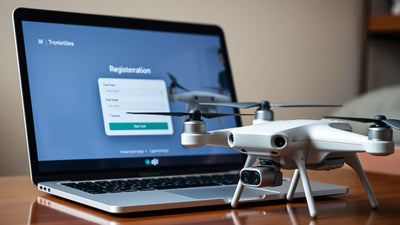
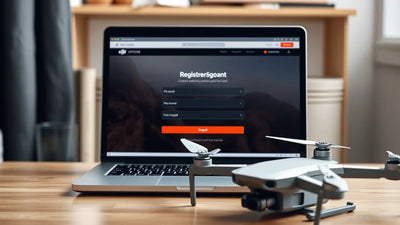
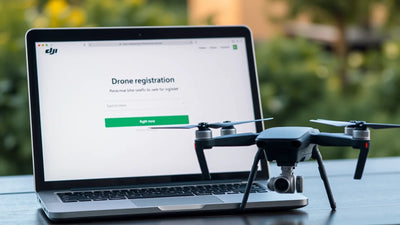
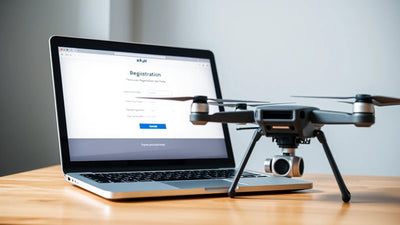
Proces składania wniosku DGAC dotyczący operacji dronami na obszarze chronionym, takim jak Paracas, przebiega według zorganizowanej, wieloetapowej procedury. Po pierwsze, musisz upewnić się, że Twój dron jestzarejestrowany w rejestrze krajowym DGAC— koszty rejestracji w przybliżeniuS/. 120 PEN (32 USD / 250 HKD)dla operatorów niekomercyjnych orazS/. 250 PEN (67 USD / 525 HKD)do użytku komercyjnego. Po drugie, potrzebujesz ważnego certyfikatu operatora drona. Dla dronów o wadze od 250 g do 2 kg aCertyfikat kategorii A Wymagany jest [2] (opłata za egzamin: S/. 85 PEN / 23 USD). W przypadku dronów o wadze od 2 kg do 25 kg potrzebujesz:jest wymagany (opłata za egzamin: S/. 85 PEN / 23 USD). W przypadku dronów o wadze od 2 kg do 25 kg potrzebujesz:Certyfikat kategorii B(opłata za egzamin: S/. 150 PEN / 40 USD). Po trzecie, przygotuj formalny pisemny wniosek (solicitud formal) skierowany do DGAC's Dirección de Certificaciones y Autorizaciones, zawierający: numer rejestracyjny drona, numer certyfikatu operatora, dokładne współrzędne GPS planowanej strefy lotów w rezerwie, daty i godziny lotów, maksymalną wysokość (ograniczoną do 120 metrów AGL w większości stref), specyfikacje statku powietrznego, w tym numer seryjny i wagę, dowód ubezpieczenia od odpowiedzialności cywilnej (minimalny zakres S/. 75 000 PEN / ~20 000 USD) oraz szczegółową ocenę ryzyka operacyjnego. Opłata za rozpatrzenie wniosku wynosiS/. 180–350 PEN (48–93 USD)w zależności od złożoności operacyjnej. Prześlij wszystko za pośrednictwem platformy wirtualnej DGAC's Mesa de Partes lub fizycznie w siedzibie głównej w Limie przy Av. Komendant Espinar.Należy spodziewać się okresu przeglądu wynoszącego 25–35 dni roboczych— odpowiednio planuj, ponieważ niekompletne zgłoszenia całkowicie resetują zegar.
Powiązane:Strefy zakazu lotów dronami w Amsterdamie: Place budowy w pobliżu Sch
Jakie zezwolenia SERNANP są wymagane wraz z zatwierdzeniem DGAC w przypadku lotów dronami Paracas Reserve?

Nawet przy pełnej autoryzacji DGAC nie można legalnie wystrzelić ani wylądować dronem na terenie Rezerwatu Narodowego Paracas bez pisemnej zgody SERNANP. SERNANP klasyfikuje operacje dronów w ramach swojej„zezwolenie na badania inne niż wydobywcze lub działalność specjalną”ramy. Wniosek wymaga: wypełnionego Formulario de Solicitud de Autorización (dostępnego na stronie internetowej SERNANP lub w głównym biurze rezerwatu w pobliżu miasta Paracas), kopii listu zatwierdzającego DGAC, szczegółowego uzasadnienia wyjaśniającego, dlaczego konieczne są zdjęcia z drona (największe szanse na zatwierdzenie mają badania naukowe, kręcenie filmów dokumentalnych lub cele edukacyjne), nakładki mapy przedstawiającej wielokąt lotu w odniesieniu do wrażliwych stref, takich jak kolonie ptaków na Wyspach Ballestas, oraz płatności bezzwrotnej opłaty za ocenę w wysokościS/. 50–150 PEN (13–40 USD / 105–315 HKD). Loty rekreacyjne o charakterze turystycznymprawie nigdy nie został zatwierdzony— W ramach mandatu SERNANP priorytetem jest konserwacja, a nie zwykła fotografia. Zezwolenia, jeśli zostały wydane, zazwyczaj wiążą się z rygorystycznymi warunkami: minimalna wysokość 100 metrów nad skupiskami dzikich zwierząt, zakaz lotów w okresie lęgowym (zazwyczaj od listopada do marca w przypadku ptaków morskich), obowiązkowa opieka przewodnika zatwierdzonego przez rezerwat (opłata za przewodnika: około45–75 USD dziennie / 350–585 HKD) oraz wymóg udostępniania całego surowego materiału firmie SERNANP w celach monitorowania. Czas przetwarzania wynosi15–25 dni roboczychod dnia złożenia kompletnego wniosku. Połączony harmonogram zatwierdzenia DGAC-SERNANP rozciąga się realistycznieŁącznie 8–12 tygodni, zatem inicjuj oba procesy jednocześnie, a nie sekwencyjnie.
Co się stanie, jeśli polecisz dronem w Paracas bez odpowiedniego zezwolenia?
Nieautoryzowane operacje dronami w Rezerwacie Narodowym Paracas niosą ze sobą poważne konsekwencje w ramach dwóch odrębnych systemów egzekwowania prawa. PodDGAC RAP 101.17, lot bez zezwolenia operacyjnego w kontrolowanej lub ograniczonej przestrzeni powietrznej skutkuje natychmiastową karą grzywny1–4 UIT (Unidad Impositiva Tributaria). Jeden UIT równa się S/. 5150 PEN w 2025 r. (~1370 USD), co oznacza, że kary wynoszą od1370–5480 USD (10 700–42 800 HKD). DGAC może również zawiesić lub unieważnić Twój certyfikat operatora dronów, skutecznie zakazując Ci legalnej obsługi dronów w dowolnym miejscu w Peru. PodRamy egzekwowania SERNANP, nieuprawniona działalność na obszarach chronionych grozi karą grzywny w wysokości0,5 do 5 UIT (685–6850 USD)i ponoszą dodatkową karę w postaci zajęcia sprzętu. Strażnicy SERNANP w Paracas zostali przeszkoleni w identyfikowaniu operatorów dronów i koordynowaniu działań z wydziałem turystyki Peruwiańskiej Policji Narodowej. Skonfiskowane drony są przetrzymywane na komisariacie policji w Pisco i mogą zostać zabrane6–18 miesięcyto recover through administrative appeals — many are never returned. Beyond financial penalties, repeat offenders may face criminal charges under Peru's Environmental Crimes Law (Law No. 29263), carrying potential prison sentences of2–5 latza pogłębione szkody dla środowiska. Kilka udokumentowanych przypadków z lat 2022–2024 dotyczyło przyjmowania turystów1800–3200 USDgrzywny i trwała konfiskata dronów z serii DJI Mavic 3 i Mini po przelocie w pobliżu wysp Ballestas bez zezwoleń. Łączne narażenie na kary DGAC-SERNANP sprawia, że nieautoryzowane loty dronami Paracas są jednymi z najkosztowniejszych naruszeń przepisów w turystyce dronowej w Ameryce Południowej.
Gdzie kupić nieskazitelne drony Używany do wymagających warunków regulacyjnych w Peru
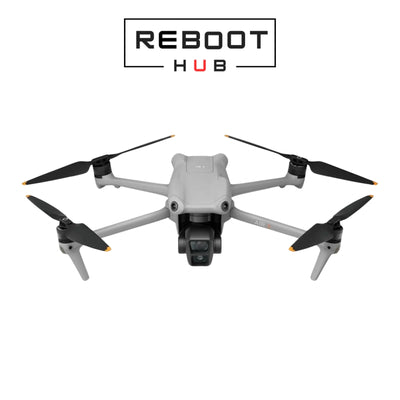
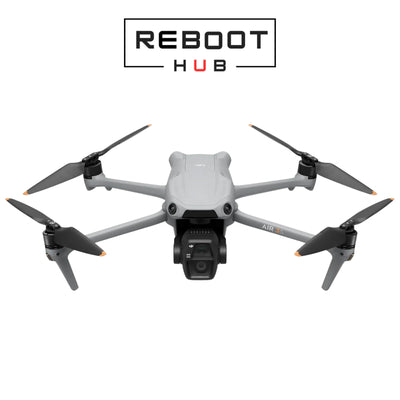
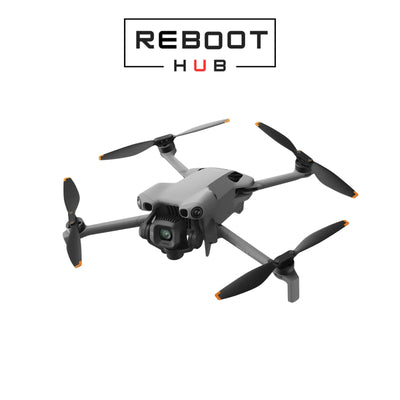
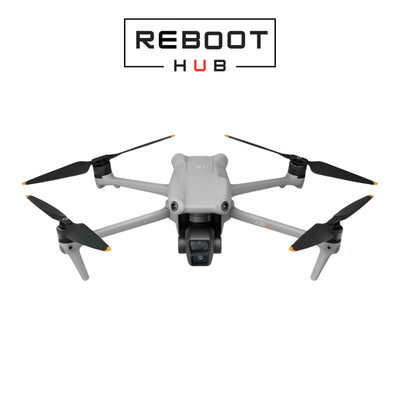
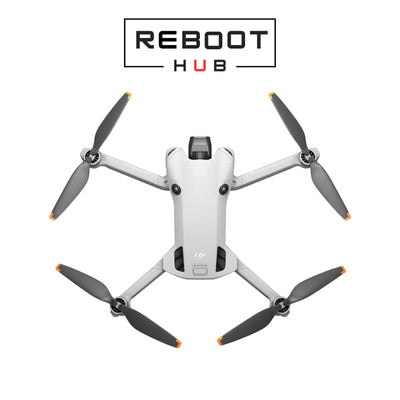
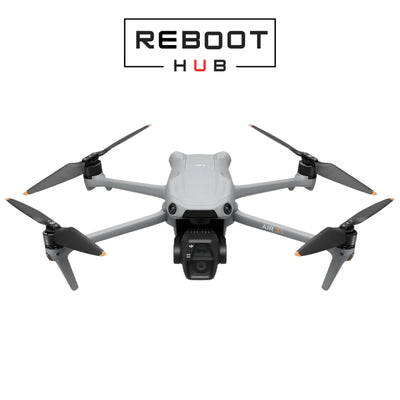
Spełnienie rygorystycznych wymagań DGAC i SERNANP Peru wymaga niezawodnego, dobrze udokumentowanego drona — i Reboot Hub (restart-hub.com) stał się zaufanym źródłem dla operatorów poszukujących nieskazitelnych jednostek używany z pełną identyfikowalnością. W przeciwieństwie do rynków używany, Reboot Hub specjalizuje się wDrony kontrolowane wielopunktowo, które można podzielić na dwa różne stopnie stanu:Bezbłędny (klasa A+)— jednostki podlegające wyłącznie aktywacji, które tak naprawdę nigdy nie latały, orazNieskazitelny Używany (klasa A)— drony o minimalnym użyciu i zerowych widocznych śladów na korpusie, gimbalu i śmigłach. W przypadku operacji Paracas posiadanie drona z udokumentowaną historią przeglądów upraszcza zarówno rejestrację DGAC, jak i zawieranie umów ubezpieczenia. Do popularnych modeli zalicza się DJI Mavic 3 Pro (bezbłędny A+) w cenie ok1849 USD (14 450 HKD), DJI Air 3 (nieskazitelny A) w1099 USD (8580 HKD)i DJI Mini 4 Pro o wadze poniżej 250 g (Flawless A+) w659 USD (5150 HKD)— ten ostatni jest szczególnie atrakcyjny dla operatorów, którzy mogą kwalifikować się do wymogów certyfikacji lżejszej kategorii A DGAC. Każdy dron Reboot Hub jest dostarczany zTylko oryginalne części OEM, o180-dniowa gwarancjaiWysyłka globalna DDP (dostarczone, cło opłacone).from their Shenzhen and Hong Kong fulfillment centers — meaning no surprise customs fees when importing into Peru (typically saving $120–$280 USD in Peruvian import duties compared to standard shipping terms). Their Shenzhen-based chip-level repair facility employsCertyfikowani technicy MOHRSS Level 3zCzas realizacji 3–5 dni roboczychna temat napraw, zapewniając spokój ducha operatorom, którzy polegają na swoim sprzęcie w odległych peruwiańskich obszarach przybrzeżnych, gdzie piasek, mgła solna i wilgoć przyspieszają zużycie podzespołów. Dla peruwiańskich operatorów dronów, którzy potrzebują dokumentacji do rejestracji DGAC – w tym numerów seryjnych, certyfikatów wagowych i dowodu pochodzenia – Reboot Hub zapewnia kompletną cyfrową ścieżkę papierową przy każdym zakupie.
Ścieżka rozwiązania scenariusza
Zachowaj tę odpowiedź połączoną z biblioteką scenariuszy Reboot Hub
Ten artykuł należy do działu Regulamin/Licencja. Skorzystaj z centrum, aby porównać pytania kupujących w pobliżu, kontrole i przewodniki dotyczące kolejnych kroków.
Otwórz ścieżkę Reguły / scenariusz licencjiCzęsto zadawane pytania

P: Czy turyści mogą latać dronem w Rezerwacie Narodowym Paracas w celu robienia zdjęć z wakacji?
Odpowiedź: Rekreacyjne loty dronami wykonywane przez turystów w Rezerwacie Narodowym Paracasprawie nigdy nie został zatwierdzonyautorstwa SERNANP. Plan zarządzania rezerwatem wyraźnie ogranicza operacje dronów do badań naukowych, kręcenia filmów dokumentalnych przy wcześniejszym wsparciu instytucjonalnym lub projektów edukacyjnych powiązanych z uznanymi organizacjami. Turyści próbujący okazjonalnych lotów wakacyjnych grożą karami finansowymi zaczynającymi się od godz685 USD (5350 HKD)z SERNANP i dodatkowy1370 USD+ USD (10700 HKD+)z DGAC. W kilku głośnych sprawach dotyczących egzekwowania przepisów z 2023 r. turyści zagraniczni otrzymali łączne kary przekraczające kwotę2800 USD (21 850 HKD)i stałą konfiskatę sprzętu. Jeśli odwiedzasz Paracas wyłącznie w celach turystycznych, praktyczną odpowiedzią jest to, że loty dronami są faktycznie zabronione, chyba że masz sponsora instytucjonalnego i wielomiesięczne zezwolenie.
P: Ile realistycznie zajmuje cały proces zatwierdzania DGAC i SERNANP?
Odp.: W oparciu o najnowsze doświadczenia operatorów z lat 2023–2025, połączony proces zatwierdzania DGAC i SERNANP dla operacji dronów Paracas Reserve trwaMinimum 8–12 tygodniw przypadku jednoczesnego złożenia obu wniosków. Wymagana jest sama część DGAC25–35 dni roboczych (5–7 tygodni)w celu przeglądu zezwoleń operacyjnych. Ocena SERNANP trwa15–25 dni roboczych (3–5 tygodni). Jednakże terminy te zakładają przedłożenie kompletne i wolne od błędów. Każdy brak dokumentu powoduje ponowne uruchomienie zegara od dnia zerowego w aplikacji, której dotyczy problem. Operatorom zdecydowanie zaleca się planowanie budżetuŁącznie 12–16 tygodnibiorąc pod uwagę przygotowanie dokumentów, tłumaczenia (wszystkie zgłoszenia muszą być sporządzone w języku hiszpańskim), potencjalne wnioski o wprowadzenie poprawek oraz koordynację między obiema agencjami. W żadnym z systemów nie ma możliwości przyspieszonego przetwarzania — nie jest dostępna opłata za przyspieszenie ani pas priorytetowy.
P: Jaki jest koszt rejestracji drona z DGAC w Peru?
O: Koszty rejestracji drona DGAC różnią się w zależności od typu operatora i klasy wagowej drona. DlaRejestracja niekomercyjna (rekreacyjna lub hobbystyczna)., opłata wynosiS/. 120 PEN (~32 USD / 250 HKD). Dlarejestracja operatora komercyjnego, opłata wzrasta doS/. 250 PEN (~67 USD / 525 HKD). Są to jednorazowe opłaty rejestracyjne ważne przez cały okres użytkowania drona na terenie Peru. Dodatkowe roczne koszty odnowienia certyfikatu operatora wynosząS/. 85 PEN (~23 USD)dla kategorii A (drony do 2 kg) orazS/. 150 PEN (~40 USD)dla kategorii B (drony 2–25 kg). Płatności dokonuje się za pośrednictwem Banco de la Nación lub portalu płatności online DGAC's (Pago de Tasas Aeronáuticas), a dowód wpłaty musi być dołączony do wszystkich wniosków o rejestrację i zezwolenie.
P: Czy DJI Mini 4 Pro (poniżej 250 gramów) wymaga rejestracji DGAC i pozwoleń na Paracas?

O: Tak. Pomimo swojej wagi poniżej 250 g, DJI Mini 4 Promusi być zarejestrowany w DGACjeśli ma kamerę – co ma. Przepisy Peru RAP 101 mają zastosowanie do wszystkich dronów wyposażonych w kamerę, niezależnie od wagi. Mini 4 Pro nadal wymagaCertyfikat operatora kategorii A(opłata za egzamin: S/. 85 PEN / 23 USD), pełna rejestracja DGAC (32 USD dla celów niekomercyjnych) oraz pełne zezwolenie operacyjne DGAC plus proces autoryzacji SERNANP na loty w granicach rezerwatu Paracas. Klasyfikacja poniżej 250 g nie zapewnia wyjątków regulacyjnych w peruwiańskich obszarach chronionych. Operatorzy, którzy błędnie uważają, że zasada „poniżej 250 g oznacza brak zasad” ma zastosowanie w rezerwach krajowych Peru, zostali ukarani grzywnami przekraczającymi1500 USD (11 700 HKD)i konfiskata dronów. Przewaga wagowa Mini 4 Pro przede wszystkim upraszcza certyfikację (kategoria A w porównaniu z B), a nie sam wymóg pozwolenia.
P: Jakie ubezpieczenie jest wymagane w przypadku zezwoleń na drony DGAC w Peru?
O: Mandaty DGACubezpieczenie odpowiedzialności cywilnejz minimalnym pokryciemS/. 75 000 PEN (~20 000 USD / 156 000 HKD)dla wszystkich autoryzowanych operacji dronów. W przypadku lotów na chronionych obszarach naturalnych, takich jak Paracas, wielu operatorów uzyskuje zazwyczaj większy zasięgS/. 150 000–300 000 PEN (40 000–80 000 USD)— ze względu na wrażliwość środowiskową i potencjalne koszty sprzątania lub środków zaradczych w przypadku wystąpienia incydentu. Peruwiańscy ubezpieczyciele, tacy jak Pacífico Seguros i Rímac, oferują szczegółowe polisy odpowiedzialności za drony już od ok180–350 USD rocznie (1405–2735 HKD)dla zasięgu kategorii A. Operatorzy międzynarodowi mogą korzystać z zagranicznych ubezpieczycieli, jednak polisa musi zostać przetłumaczona na język hiszpański przez tłumacza przysięgłego (koszt tłumaczenia: ok45–85 USD) i wyraźnie określają zakres obowiązywania zasięgu na terytorium Peru. Dowód ubezpieczenia stanowi niezbywalny załącznik do każdego wniosku o wydanie pozwolenia na użytkowanie DGAC.
P: Czy zamiast aplikować, mogę zatrudnić peruwiańskiego operatora dronów z istniejącymi zezwoleniami?
O: Tak, i jest to coraz częściej preferowana trasa dla firm produkcyjnych, badaczy i ekip filmowych pracujących w rezerwacie Paracas. Posiada kilku komercyjnych dostawców usług dronów z siedzibą w Limie i Icaistniejące wcześniej pozwolenia operacyjne DGAC i autoryzacje SERNANPdla wielu obszarów chronionych, w tym Paracas. Zatrudnienie dozwolonego lokalnego operatora zazwyczaj kosztuje450–950 USD dziennie (3515–7420 HKD)w przypadku konfiguracji z jednym dronem i licencjonowanym pilotem, lub1200–2500 USD dziennie (9375–19530 HKD)dla załogi składającej się z dwóch operatorów i wyposażenia zapasowego. Takie podejście eliminuje harmonogram wydawania pozwoleń trwający 8–12 tygodni, ale wymaga sprawdzenia konkretnego zezwolenia operatora Paracas — niektórzy posiadają zezwolenia wyłącznie dla stref buforowych, a nie głównych obszarów rezerwowych, takich jak okolice wysp Ballestas. Zawsze proś o kopię aktualnego pozwolenia operacyjnego DGAC operatora i listu autoryzacyjnego SERNANP przed dokonaniem rezerwacji i sprawdź, czy autoryzowane strefy lotów odpowiadają potrzebom geograficznym Twojego projektu. Renomowany operator bez wahania dostarczy te dokumenty.
Często zadawane pytania
Co powinienem najpierw sprawdzić, jak uzyskać pozwolenie dgac na latanie dronem w rezerwacie Paracas?
Oddziel użytkowanie rekreacyjne od pracy komercyjnej, a następnie sprawdź rejestrację, licencję pilota, zgodę na przestrzeń powietrzną, ubezpieczenie i zasady prywatności u odpowiedniego organu.
Czy zasady dotyczące dronów zmieniają decyzję o zakupie?
Tak. Masa, kamera, ładowność, konfiguracja akumulatora, typ kontrolera i formalności mogą mieć wpływ na to, który model używany DJI będzie praktyczny.
Czy ten artykuł może zastąpić oficjalną poradę prawną?
Nie. Potraktuj ją jako listę kontrolną planowania przez kupującego i potwierdź aktualne zasady we wskazanych władzach lotniczych, celnych lub lokalnych.
Oficjalne źródła:DGAC Peru (Ministerio de Transportes y Comunicaciones). Przepisy dotyczące dronów często się zmieniają — przed lotem zawsze sprawdzaj aktualne przepisy u władz lotniczych.
Informacje techniczne i specyfikacje
Specyfikacje modeli, uwagi dotyczące napraw związanych z demontażem, typowe punkty awarii i ceny używany można znaleźć wReboot Hub DJI Wiki o dronach— 64 modele i ponad 700 odwzorowanych części, konserwowanych na podstawie udokumentowanych napraw. Przeglądaj zweryfikowane akcje używany wKolekcja używany DJI.
Keep exploring
Further reading
From Kronika Reboot Hub


From Przewodniki po dronach