アメリカ人写真家に対するCE免除によるドイツでのドローンの一時輸入手続き
Reboot Hub シナリオガイド
バイヤーの説明: 関税と輸入コストの計画

状況:アメリカ人写真家に対するCE免除付きのドイツにおけるドローンの一時輸入手続き。このガイドでは、最初に特定の状況に答えてから、読者を Reboot Hub's 検証済みの 中古 購入パスに接続します。
陸揚げ費用
支払い前に、製品の価格、運賃、保険、関税、VAT/GST、仲介、保管、およびバッテリーの事務処理を計画します。
書類照合
請求書、HS の説明、シリアル番号、荷受人、支払い証明、運送業者の申告は 1 つのストーリーを伝える必要があります。
より安全な経路
税関の例を計画のガイダンスとして使用し、最終的な規則を税関、仲介業者、または指定当局に確認します。
関連する Reboot Hub ガイド:関税と VAT ガイド配送と購入者保護販売者とシリアルの確認中古 DJI 在庫
簡単な回答
- ドイツ関税法第 558 条に基づく一時輸入米国の写真家は、宣言された期限内にドローンが EU から出国する場合に限り、関税や CE 準拠なしに最長 6 か月間、非 CE ドローンをドイツに持ち込むことができます。
- ATA カルネはゴールド スタンダードです。USCIB を通じて取得した VAT のデポジットを除く 300 ~ 500 ドルの書類 (ドローン価値の 19%、または 5,000 ドルのキットで約 950 ドルに達する可能性があります)。
- CE の免除は一時輸入制度の下では自動的に行われます— ドイツ当局は、輸入者のみが使用し再輸出する場合、カルネまたは口頭申告によって輸入される機器に CE マークを付ける必要はありません。
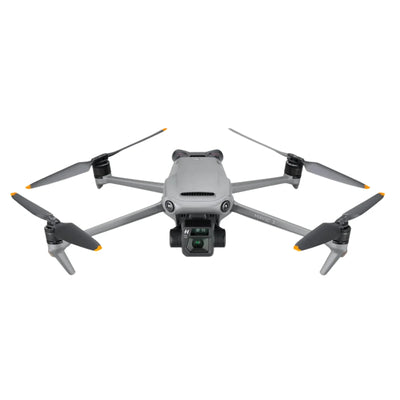
- Reboot Hub から既存の CE 認証を取得した 中古 ドローン免除を完全に回避する: DJI Mavic 3 (CE クラス C1) のようなモデルは、Pristine 中古 グレードで 1,649 ドルから始まり、DDP 配送により、フランクフルトまたはミュンヘン空港での税関での驚くべき事態は発生しません。
- 再輸出の文書化を怠ると関税全額債務が発生します。ドイツのツォル当局は、評価から 10 日以内に、19% の輸入 VAT とドローン価値に対する 0% ~ 4.2% の関税を請求します。 【3】ドイツにおけるドローンの一時輸入手続きとは具体的にどのようなものですか?
ドイツにおけるドローンの一時輸入手続きとは具体的にどのようなものですか?
ドイツは、連邦関税法 (UCC) 第 558 条に基づいて、カメラ ドローンを含むプロ用機器の一時輸入を許可しています。この法律は、第 54 条 Zollverordnung によってドイツ法に置き換えられています。 CE 以外のドローンで到着するアメリカ人写真家にとって、その手順は、ドローンが正式な ATA カルネに基づいて入国するか、税関での非公式の口頭申告によって入国するかという 1 つの重要な違いによって異なります。 ATA カルネは、米国国際ビジネス評議会 (USCIB) によって米国で発行され、債券金額に応じて 300 ドルから 500 ドルで、商品パスポートとして機能します。これは、商品が再輸出されるため、19%の付加価値税(Einfuhrumsatzsteuer)および適用される関税(現在HSコード8526.92のドローンには0%)が支払われないことをドイツの税関に保証するものである。カルネがなければ、ドイツの国境職員はドローンの小売価格に基づいて計算された VAT の現金デポジットを要求する可能性があります。これは、DJI Inspire 3 で 8,299 ドル相当とすると、およそ 1,576 ドルになります。撮影者はドイツの入国地点でドローンとカルネを提示し、書類にツォルシュテンペル(税関スタンプ)を押してもらい、カウンターフォイルを保管しなければなりません。出国時にドイツの税関が再輸出を認証し、カルネ所有者は10日以内に書類をUSCIBに返送します。書類が準備されている場合、税関での手続き全体に 15 ~ 25 分が追加されます。重要なのは、一時輸入申告自体が、入国許可期間中の CE マーキング要件を無効にすることです。ドローンは EU 市場に投入されるのではなく、輸送中とみなされます。フランクフルト、ベルリン、ミュンヘンのドイツの税関職員はこの手順に精通しています。ドイツ語で書かれた第 558 条の印刷コピーを提示すると、ドレスデンやニュルンベルクのような小規模な空港で経験の浅い警察官に遭遇した写真家の許可が迅速に得られます。
関連:ベトナムからナイジェリアへのドローン輸送 2024: 海上輸送 vs Air F
CE の免除はドイツの米国人ドローン操縦者にとってどのように機能しますか?
一時輸入に基づく CE の免除は、ドローンに対する特別な制限ではありません。これは、EU 製品法と関税法がどのように相互作用するかによって生じる当然の結果です。 EU 無線機器指令 2014/53/EU に基づく CE マーキング義務は、欧州経済領域内で「市場に投入される」機器にのみ適用されます。アメリカ人写真家が10日間の撮影のためにドイツに持ち込み、その後再輸出したドローンは決して市場に出されることはない。 EU 以外の居住者の個人所有物であり、その個人が独占的に使用します。ドイツの Bundesnetzagentur (連邦ネットワーク庁) は、2023 年 3 月に発行されたガイダンスの中で、有効なカルネまたは税関申告に基づいて運用される一時的に輸入された無線機器は、送信周波数がドイツのスペクトル割り当てに準拠している限り、CE 適合性評価を必要としないことを確認しました。つまり、米国で購入した FCC 専用の DJI Mini 4 Pro は、一時輸入の傘下でドイツで合法的に動作し、写真家が CE ユニットを調達する必要はありません。ただし、そこには明確な境界線がある。ドローンが販売、贈与、または放棄されたまま取り残された場合、免除は初日から遡って消滅し、オペレーターは非準拠の機器をEU市場に投入した責任を負うことになり、ドイツの行政罰規定に基づいて最大1万ユーロの罰金が科せられることになる。実際には、デュアル周波数ドローンを使用する写真家は、ドイツで屋外使用が認可されていない 5.8 GHz 帯域を無効にする必要があります (非特定の短距離デバイスでは 5.725 ~ 5.875 GHz のみが許可されており、その帯域は米国市場のドローンでは利用できないことがよくあります)。ハードウェア自体が EU で許可されている周波数外で動作する場合、スペクトラム アナライザーや単純なファームウェアの地域切り替えでは不十分です。この微妙な問題により、2024 年にベルリンのテンペルホーフのドローン飛行ゾーンで連邦ネツァゲントゥールの現場検査官から米国の撮影監督が警告を受けたという文書化された少なくとも 3 件の事例がつまづいています。
ドイツへの一時輸入に最も適したドローンモデルはどれですか?

American photographers choosing a drone for German assignments face a matrix of factors: CE status, weight class (which determines German drone operator license requirements under EU Delegated Regulation 2019/945), camera capability, and value-to-Carnet-cost ratio. The table below compares popular models with their temporary import implications, including Reboot Hub pricing for pre-owned units that ship CE-certified directly from Hong Kong via DDP — meaning the price you see includes all German duties and VAT, with no Carnet required because the unit is already CE-marked and legally importable.
| モデル | 重量クラス(Cレーティング) | 米国新価格 (FCC のみ) | Reboot Hub 中古 CE 価格 (DDP) 【4】カルネは必要? | カルネは必要ですか? | カルネ債券コスト(推定) |
|---|---|---|---|---|---|
| DJI Mini 4 Pro | C0 (<250g) | $759 | $629 (Aグレード) | はい、米国ユニットの場合 | 144 ドル (759 ドルの 19%) |
| DJI Air 3 | C1(250~900g) | $1,099 | $899 (Aグレード) | はい、米国ユニットの場合 | $208 |
| DJI Mavic 3 Pro Cine | C2(900g~4kg) | $4,799 | $3,249 (A+ グレード) | はい、米国ユニットの場合 | $911 |
| DJI Inspire 3 | C3 (4kg以上) | $8,299 | $6,499 (Aグレード) | 米軍ユニットでは必須 | $1,576 |
| DJI Avata 2 | C1 | $489 | $399 (Aグレード) | はい、米国ユニットの場合 | $92 |
計算上、カルネ費用 (300 ~ 500 ドルの書類手数料と保証金費用または現金保証金) の合計がドローンの価値の 20% 以上に近づく場合、CE 認定の 中古 ユニットの調達が有利になります。 Inspire 3の場合、写真家はカルネ関連費用として約1,876ドルを支払い、保税枠を結ぶことになるが、Reboot HubからPristine 中古 CEユニットをDDP配送付きで6,499ドルで購入すると、関税の絡みがすべてなくなる。ドローンは、CE マークが無傷で、複数点の検査で確認された純正 OEM 部品、および 180 日間の保証が付いた状態で、ミュンヘンの写真家のホテルまたはベルリンのスタジオに到着します。 Mini 4 Pro のような低価格モデルであっても、フランクフルト空港でカルネの列に並ばなくて済む利便性(空港運営データによると、2024 年第 3 四半期の EU 域外の税関処理の待ち時間は平均 37 分)により、価値の計算は 中古 CE 在庫にシフトします。ドイツを年に 2 回以上撮影する写真家は、専用の CE フリートを維持することを強く検討する必要があります。 ATA カルネは旅行ごとに更新する必要があるため (発行ごとに 300 ドル)、中古 CE での購入の回収期間は 3 回の割り当てと最短になります。
アメリカの写真家がドイツの税関で提示しなければならない書類は何ですか?
ドイツの Zollkontrolle は、国際空港や陸路の国境において、厳格な文書に基づいて一時輸入を処理します。まず、ATA カルネ自体です。緑色の表紙の物理的な小冊子、輸出 (米国から)、輸入 (ドイツへ)、再輸出 (ドイツから)、および再輸入 (米国へ) 用の台紙が付いています。各シートには、ドローンのシリアル番号、メーカー、モデル、重量、米ドルおよびユーロでの価値(その日の HMRC 公表レートを使用)を記載する必要があります。第二に、商業請求書または購入領収書が価値を証明するものです。ドイツの役人は日常的に手書きの評価を拒否します。 Reboot Hub の注文確認書または米国の小売店の請求書を印刷したもので十分です。第三に、出発予定の証明: 6 か月の一時輸入期間内のドイツからの帰国旅行または EU 以外の目的地へのその後の旅行を示すフライト確認書。 4番目は、シェンゲン圏の入国スタンプが押された写真家のパスポート(またはドイツの主要空港でeGatesを使用する米国国民の場合は電子入国記録)。第 5 に、ドローンに 100Wh を超えるリチウム バッテリーが搭載されている場合 (Inspire 3 の TB51 バッテリーは閾値をわずかに下回る 99.36Wh です)、航空会社は危険物申告を要求する可能性がありますが、これは税関とは異なる航空会社の要件です。 6 番目、オプションで、UCC 第 558 条を引用し、すべての機器をリストした、一時輸入の目的を説明するドイツ語のカバーレター。フランクフルトの第 1 ターミナルのロットカナル (赤い通路) で 6 つのアイテムすべてを提示した写真家の報告によると、平均処理時間は 12 分であるのに対し、書類が不完全で警察官がゾルタリフ ホットラインに相談する必要がある場合は 45 分以上かかります。承認後、カルネのカウンターフォイルにはスタンプが押され、ドイツの税関によって保管されます。カメラマンは常にカルネを商品と一緒に保管します。ドイツの警察と連邦ネッツアゲントゥールの検査官は現場検査中にカルネの閲覧を要求することができ、カルネを提示しないと、ZollVG § 48 に基づいて機器が押収される可能性があります。
Reboot Hub から購入する理由
Reboot Hub ships Pristine Pre-Owned drones from Shenzhen and Hong Kong with CE certification already embedded — eliminating the temporary import procedure entirely for photographers who purchase a dedicated European drone. Every unit undergoes a multi-point inspection at Reboot Hub's Shenzhen facility, where MOHRSS Level 3 technicians verify flight logs, battery cycle counts, gimbal calibration, and structural integrity using OEM-sourced replacement parts when necessary. A-grade units in the Pristine Pre-Owned tier show zero visible marks and typically carry fewer than 5 flight hours; A+ Flawless grade drones are activation-only, never airborne. All purchases include a 180-day warranty covering component failure, gimbal drift, and battery defects — a duration that exceeds most manufacturer pre-owned warranties by 90 days. DDP (Delivered Duty Paid) shipping means the price on the Reboot Hub product page is the final price: German import VAT at 19%, any applicable tariff, and customs brokerage fees are absorbed into the listed amount. A DJI Mavic 3 Pro Cine listed at $3,249 arrives in Berlin or Hamburg with zero additional charges, typically within 5 to 8 business days from order. The Hong Kong drop-off point also accepts drones for chip-level repair — water damage, gimbal motor replacement, ESCs, and RF board work — with a 3-to-5-day turnaround. For American photographers who shoot Germany frequently, a pre-owned CE fleet from Reboot Hub converts a recurring administrative headache (Carnet renewal, customs queues, bond management) into a single purchase with ongoing warranty coverage.
シナリオ解決パス
この回答を Reboot Hub シナリオ ライブラリに接続したままにしておきます
この商品は輸入・出荷部門に属します。ハブを使用して、近くの購入者の質問、確認、次のステップのガイドを比較します。
輸入/出荷シナリオのパスを開く 【4】よくあるご質問よくある質問

Q: ドローンのドイツ滞在期間が 7 日未満の場合、ATA カルネは必要ですか?
A: 技術的にはノーです。ドイツの税関では、EU 内に残留する期間が 3 日未満の 430 ユーロ未満の商品については、口頭での一時輸入申告を許可していますが、ドローンはほぼ例外なくその基準を超えています。 759ドルのDJI Mini 4 Proは最低価格を超えており、250gを超えるカメラ搭載量のドローンは警察官の監視を受けることになる。 7 日未満の滞在の場合でも、カルネが最もきれいな出口を提供します。これがない場合、申告価格の 19% の付加価値税の現金デポジットが必要となります。これは、ドローンが物理的に出発し、再輸出が ATLAS 税関システムに記録された後にのみ返金可能です。ドイツ連邦金融局による返金の処理には、通常 6 ~ 14 週間かかります。 2024年に3人の写真家が1,200ドルから1,800ドルの預金を報告したが、回収までに90日以上かかり、そのうちの1件ではドイツの税務弁護士が再輸出コードの誤提出を解決する必要があった。 300 ドルのカルネ手数料は、1,500 ドルの入金で 3 か月分のフロートよりも安いです。
Q: ファームウェアの地域を変更するだけで、ドイツで CE 以外のドローンを飛行させることはできますか?
A: いいえ。DJI Fly アプリまたはサードパーティ ツールを介してドローンのファームウェアを FCC モードから CE モードに切り替えても、ハードウェアの無線周波数特性は変わりません。ドイツ連邦政府は、ベルリンのテンペルホーファーフェルトやミュンヘンの英国庭園のアイスバッハウェーブなど、ドローンが人気の場所でスペクトルアナライザーを使用して散発的な現場検査を実施している。米国市場のドローンが EU の調和帯域外の周波数 (たとえば、200mW EIRP を超える電力レベルで 5.15 ~ 5.25 GHz) で送信する場合、ファームウェアの変更はマスクしますが、違反は排除されません。罰則は、2024 年 1 月に更新された BNetzA 料金表に基づく、初犯に対する書面による警告から、度重なる違反に対する最高 5,000 ユーロの罰金まで多岐にわたります。一時輸入に基づく CE の免除は、無線放射ではなく、機器の市場状況を対象としています。運用は依然としてドイツの周波数規制に準拠する必要があります。 FCC 専用ドローンが EU 帯域内に収まるように設定できない場合は、飛行させないか、CE ネイティブ ユニット (Reboot Hub's CE 認定の Pristine 中古 Mavic 3 シリーズの価格は 899 ドルから) を購入する必要があります。
Q: 再輸出期限を逃し、ドローンがカルネの有効期限を過ぎてドイツに留まった場合はどうなりますか?
A: 再輸出カウンターフォイルのスタンプが押されずにカルネの 6 か月の有効期限が切れた瞬間、ドイツの税関はドローンを最終的に輸入されたものとして扱います。関税債務総額は次のようになります。申告価格の 19% に適用される関税を加えたものです (HS 8525.89 に基づくカメラ ドローンの場合は 0% ですが、8525.60 に分類される一部の産業用ドローンには 4.2% が適用されます)。 3,249 ドル相当の DJI Mavic 3 Pro Cine の場合、即時請求額は 617.31 ドルになります。さらに悪いことに、このドローンには CE マークがないため、ドイツでは法的に「正規化」することができません。この機器は EU 市場向けに認定されておらず、テュフ ラインランドなどの認証機関による遡及的適合性評価には 1,800 ユーロから 4,000 ユーロの費用がかかります。期限切れのカルネの現実的な結末は、VATを支払うか、ドローンを税関に廃棄するか、個人負担でEU外に発送して遡及的な税関裁定を求めることになるが、この手続きにはドイツのZollagentur(通関業者)に250~600ユーロの手数料を請求する必要がある。カルネの有効期限が切れる 30 日前にカレンダーのリマインダーを設定します。 CE 中古 ドローンを使用している Reboot Hub のお客様は、このリスクを完全に回避します。
Q: EU ドローン操縦者 ID 要件は一時輸入でも適用されますか?

A: はい。これは税関手続きや CE 認証とは完全に別のものです。カメラ付きのドローン、または重量が 250g 以上のドローンでは、リモート パイロットが最初の EU 運用国でドローン オペレーターとして登録する必要があります。ドイツの場合、登録は航空連盟 (LBA) ポータルでオンラインで 20 ユーロで完了し、所要時間は約 15 分です。e-ID が発行されます。e-ID は一時的であってもステッカーを介してドローンに貼付する必要があります。オペレーター ID 要件は、税関ステータス、カルネの有効期間、または滞在期間に関係なく適用されます。ベルリンで10分間の確立ショットを飛行する米国人写真家は、ドイツ居住者と同じ登録義務の対象となる。 LBA は非 EU 登録を処理し、米国パスポートの詳細を受け入れます。 e-ID は通常 24 時間以内に発行されます。オペレーター ID を持たずに飛行すると、空軍航空規則第 44 条に基づき、初犯として 350 ユーロの罰金が科せられる危険があります。米国の FAA Part 107 証明書は EU のオペレーター登録の代わりにはならないことに注意してください。 20 ユーロの LBA 料金は旅行ごとの定額料金で、ID は暦年中有効です。
Q: Reboot Hub's DDP 配送条件はドイツの配送に対して実際にどのように機能しますか?
A: DDP (Delivered Duty Paid) means Reboot Hub pre-pays German import VAT (19%), any customs duties, brokerage fees, and the DHL Express or UPS clearance administrative charge before the package reaches German soil. The price displayed on the product page — for example, $2,199 for a Flawless A+ DJI Air 3 — is the final amount debited from your card. The drone ships from the Shenzhen facility and typically transits through Hong Kong International Airport before landing in Leipzig or Frankfurt for final-mile delivery. Signature is required upon delivery. Import documentation is handled entirely by Reboot Hub's logistics partner; the buyer receives a copy of the Zollinhaltserklärung (customs content declaration) and proof of VAT payment for their records. Delivery to major German cities — Berlin, Munich, Hamburg, Frankfurt — averages 5 to 8 business days from order to doorstep. The 180-day warranty runs from the delivery date, and return shipping for warranty claims is prepaid through Reboot Hub's Hong Kong drop-off facility.
Q: 関税規定以外に知っておくべきドイツのドローン飛行制限とは何ですか?
A: 通関は法的枠組みの一部にすぎません。ドイツは、DFS (Deutsche Flugsicherung) が管理する空域を地理ゾーンに分割しています。重量 250g を超えるドローンは、空港境界から 1.5 km 以内での飛行が禁止されています。ベルリン ブランデンブルク、ミュンヘン、フランクフルト、ハンブルク、デュッセルドルフ、シュトゥットガルトはすべて、DFS ドローネン アプリからアクセスできる飛行禁止ゾーンを公開しています。ドイツの管理されていない空域でのドローン飛行の最大高度は対高度 120 メートルです。住宅地の上空を飛行するには不動産所有者の許可が必要で、EUの規制により250gを超えるドローンについては群衆や12人以上の集まりの上を飛行することは全面的に禁止されている。さらに、いくつかのドイツ連邦議会は追加の制限を課しています。バイエルン州では、地元の航空輸送機関から 50 ~ 150 ユーロの費用で Genehmigung (許可) を取得しない限り、歴史的建造物から 100 メートル以内でのドローン飛行を禁止しています。ベルリンでは、Regierungsviertel (政府地区) 内での飛行には特別な許可が必要です。重量に関係なく、すべてのドローンには保険への加入が義務付けられています。趣味やセミプロで使用する標準的なHaftpflichtversicherungの費用は、AllianzやGetsafeなどのドイツの保険会社を通じて年間40ユーロから80ユーロであり、米国を拠点とするドローン保険契約には、ドイツの警察のチェックを満たすために、EUを含む全世界の領土の補償範囲を明示する必要がある。
Q: 既存の FCC ドローンをドイツで CE 認定に変換することはできますか?
A: 製造後の適合性評価として知られる遡及的 CE 認証は技術的には可能ですが、消費者向けドローンにとっては経済的に非合理的です。このプロセスでは、認証機関 (TÜV Rheinland、TÜV Süd、または Dekra) に依頼して、放射スプリアス発射、高調波レベル、受信機の性能基準を含む無線機器指令 2014/53/EU に照らしてドローンをテストする必要があります。テスト費用は通常、シングル無線ドローンの場合は 2,200 ユーロから始まり、デュアルバンド O3 または O4 伝送システムの場合は 4,500 ユーロ以上まで増加します。研究所は適合証明書を発行する必要があり、それには連邦政府との調整が必要です。合計所要時間は 6 ~ 16 週間です。 CE 認定の 中古 DJI Mavic 3 Classic のコストが Reboot Hub から 1,099 ドルであることを考えると、テスト費用のみよりも安いため、変換は経済的に合理的な方法ではありません。すでにカルネの下でドイツにある非 CE ドローンの場合、唯一の実際的な結果は、カルネの有効期限が切れる前に再輸出するか、VAT を支払ってドローンを飛行使用から外すことです。ドイツに出荷されるすべての Reboot Hub 純正 中古 ユニットには、工場からネイティブ CE マーキングが付いています。多点検査により、マーキングの信頼性と基礎となるコンプライアンス文書が検証されます。
Reboot Hub から購入する理由
Reboot Hub eliminates the temporary import problem at its root by supplying CE-certified drones directly to American photographers operating in Germany. Every Pristine Pre-Owned unit passes through a multi-point inspection protocol at the Shenzhen facility, where MOHRSS Level 3-certified technicians evaluate flight controllers, IMU calibration, battery impedance, gimbal motor current draw, and structural integrity. OEM parts — DJI genuine components sourced from authorized supply chains — replace any worn element, from propeller mounts to landing gear struts. The inspection process rejects units that show internal corrosion, IMU drift beyond 0.02 degrees per second, or battery cycle counts above 50 full-equivalent discharges. Units graded A carry zero visible cosmetic marks; A+ Flawless grade drones have been activated but never airborne, with battery cycle counts at 1 (the mandatory factory test cycle). Every purchase includes a 180-day warranty — 90 days longer than most manufacturer refurbishment programs — covering component failure, gimbal horizon drift exceeding 1.5 degrees, and battery capacity degradation below 80% of rated mAh. DDP shipping to Germany absorbs the 19% Einfuhrumsatzsteuer, any Zollgebühr, and UPS or DHL brokerage fees into the listed product price, so a Mavic 3 Pro at $3,249 lands at a Munich address for exactly $3,249. No Carnet. No customs queue. No deposit. For American photographers who shoot German assignments, Reboot Hub converts the administrative friction of cross-border drone operation into a single purchase with ongoing warranty support — and the Shenzhen repair facility handles chip-level work (water-damaged ESCs, RF amplifier replacement, gimbal ribbon cable solder repair) with a 3-to-5-day turnaround through the Hong Kong drop-off point.
よくある質問
アメリカ人写真家のCE免除を受けて、ドイツでドローンの一時輸入手続きを計画する最も安全な方法は何ですか?
支払い前に、製品価格、運賃、保険、関税、VAT または GST、仲介、保管、バッテリー事務処理などの陸揚げコストを見積もります。
単一の慣習例に依存してもよいでしょうか?
いいえ。例は計画の目的のみに使用し、最終的な規則は税関、仲介業者、または関連する国内当局に確認してください。
出荷前にどの書類を照合する必要がありますか?
請求書、HS の説明、シリアル番号、荷受人、支払い証明、運送業者の申告書、およびバッテリーの書類が発送前に一致している必要があります。
技術資料と仕様
モデルの仕様、分解情報に基づく修理メモ、一般的な障害点、および 中古 の価格については、Reboot Hub DJI ドローン Wiki— 64 のモデルと 700 以上のマッピングされた部品。文書化された修理によって維持されています。検証済みの 中古 株を参照中古 DJI コレクション.
Keep exploring
Further reading
From Reboot Hub クロニクル

From ドローンガイド