イスラエルの不動産ドローンに関する 2025 年サイバーセキュリティ監査規則
Reboot Hub シナリオガイド
購入者向け説明書: ライセンスと運用ルールの確認

状況:不動産ドローンに関するイスラエルのサイバーセキュリティ監査規則。このガイドでは、最初に特定の状況に答えてから、読者を Reboot Hub's 検証済みの 中古 購入パスに接続します。
ユースケースファースト
ルールを解釈する前に、レクリエーション、コマーシャル撮影、検査、採掘、地図作成、およびイベントを分離してください。
権限チェック
登録、パイロットライセンス、制限空域、保険、プライバシー規則を関連当局に確認してください。
購買への影響
ルールにより、インポート前に必要な適切なモデル、ペイロード、コントローラー、事務処理、および販売者の文書が変更される可能性があります。
関連する Reboot Hub ガイド:ドローン比較2026関税と VAT ガイド保証・修理のご案内Reboot Hub 規格
簡単な回答
- イスラエルの 2025 年ドローン サイバーセキュリティ フレームワーク (INCD 第 9.4 章) では、航空不動産データを処理するあらゆる不動産運用に対して第三者監査が義務付けられています。
- すべての映像、フライトログ、およびクライアント識別情報は、保存時は AES-256、転送中は TLS 1.3 で暗号化され、ローカル監査証跡は 90 日間保存される必要があります。
- 違反した場合、1 件につき最大 20,600 ドル (160,680 香港ドル) の罰金、即時業務停止、および会社取締役の個人責任が科せられます。
- 5 台のドローン不動産フリートの完全な監査の費用は 3,500 ~ 5,800 ドル (27,300 ~ 45,240 香港ドル) で、RF リンクとファームウェアのサプライ チェーンの侵入テストが含まれます。
- 監査クリア後、Reboot Hub のような、ハードウェアの完全性が検証された中古ドローンを調達することは、継続的なコンプライアンスと保管過程の証明を維持するのに役立ちます。
不動産ドローンに関する 2025 年のイスラエルのサイバーセキュリティ基準とは何ですか?
イスラエル国家サイバー総局 (INCD) は、2025 年 1 月 1 日から発効する最新の無人航空システム (UAS) サイバーセキュリティ指令を発表しました。不動産のマーケティングと検査のために、私有地、間取り図、または占有者関連データの画像を撮影して保存する商用ドローンは、36 項目の適合性チェックリストを満たさなければなりません。中核的な義務は、ISO 27001:2022 管理および INCD の UAS-SC-009 プロファイルに沿った必須の年次第三者監査です。ドローン操縦者は、フライト コントローラーのファームウェアが暗号署名された証明書を保持していること、テレメトリ リンクが 128 ビット暗号化による周波数ホッピング スペクトラム拡散 (FHSS) を使用していること、およびすべてのオンボード ストレージが各ジョブ後にサニタイズされていることを証明する必要があります。一般的な 3 時間のギャップ分析の料金は 900 ドル (7,020 香港ドル) ですが、3 ~ 5 台のドローンを運用する企業の完全な認証監査の料金は 3,800 ドル (29,640 香港ドル) から始まります。
関連:ワール・カン・イク・フリーゲンはオランダでミン・ドローンと出会った?ベストアプリ
サイバーセキュリティ監査はドローン運用にどのように機能しますか?
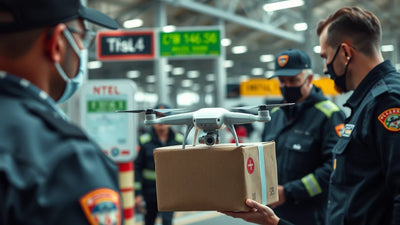
監査は、通信チェーン、フライト アプリケーションを実行するモバイル デバイス、および映像を受信する CRM またはクラウド ストレージの脆弱性を明らかにするために設計された段階的なプロセスに従います。まず、認定された評価者がドローンのハードウェアに改ざんがないか検査します。OEM 以外のボード、シリアル番号の不一致、または交換されたアンテナは、直ちに故障の原因となります。第 2 フェーズは、UAV とリモート コントローラーのリンクにおけるブラックボックス侵入テストです。テスターは管理された施設を使用して、偽の GPS 座標を挿入したり、ライブ 4K ビデオ フィードを傍受したりしようとします。このシミュレーションの費用はドローン モデルごとに 2,100 ドル (16,380 香港ドル) で、2 営業日かかります。 3 番目のフェーズでは、オフィス ネットワークのオンサイト レビューが行われ、プロパティ イメージが保護されていないラップトップにキャッシュされていないこと、およびファームウェアの更新に使用される Wi-Fi アクセス ポイントが隔離されていることを確認します。最終報告書は、法定提出手数料 ₪1,200 ($330、HKD 2,574) で民間航空局 (CAAI) に提出されます。 2 台の DJI Mavic 3 Enterprise ドローンを所有する小規模な不動産代理店では、完全な認証サイクルで合計 4,500 ドル (35,100 香港ドル) の監査請求が予想されます。
関連:中国からの DJI ドローンの大量注文: 配送時の破損ソリューション
不動産ドローン映像に対する主なデータ保護要件は何ですか?

イスラエルのプライバシー保護局と 2025 年の INCD 指令の組み合わせ規則の下では、航空写真は機密の個人データとして扱われます。人物、車のナンバープレート、または窓の内側を捉えたフレームは、保存する前に、ドローンの搭載コンピューターまたは飛行後処理スクリプトによって自動的にぼかされる必要があります。ぼかしのない RAW ファイルは、AES-256 CBC モードを使用して暗号化し、ハードウェアで暗号化された microSD カードにのみ保存する必要があります。そのようなカードの費用は 85 ドル (663 香港ドル) ですが、安全でないカードの場合は 45 ドルです。不動産所有者が延長同意書に署名しない限り、生の映像の保存期間は 90 日間に制限されます。クラウド プラットフォームへの転送では、相互認証を伴う TLS 1.3 を使用する必要があります。一般的な違反は、セキュリティで保護されていない Google ドライブ フォルダに直接同期することであり、違反ごとに 1,200 ドル (9,360 香港ドル) の固定罰金が科せられます。自動ぼかしソフトウェア (ライセンス $299/年、HKD 2,332) を含む、単一の物件撮影のための準拠したエンドツーエンドのワークフローでは、プロジェクトごとに約 18 ドル (HKD 140) のオーバーヘッドが追加されますが、法的リスクは排除されます。
イスラエルでは、コンプライアンス違反に対してどのような罰金や罰則が適用されますか?
2025 年の施行制度では、CAAI の検査官に不動産ドローン群をその場で停止させ、段階的に増加する金銭的罰金を課す権限が与えられています。初めての違反(たとえば、サイバーセキュリティ監査に合格していないドローンを操作する)には、25,000 ₪25,000(6,875 ドル、53,625 香港ドル)の罰金が科せられます。監査されていないドローンからのデータが漏洩または傍受された場合、罰金は ₪75,000 (20,600 ドル、160,680 香港ドル) に跳ね上がり、操縦者の商用 UAS ライセンスは 12 か月間取り消されます。再犯者はプライバシー保護法に基づいて刑事責任を問われ、会社取締役は最大₪150,000(41,250ドル、321,750香港ドル)の個人罰金を科される危険があります。影響を受けた住宅所有者に対する裁判所命令の賠償金は、通常、1件当たり5,000ドル~15,000ドル(39,000~117,000香港ドル)となります。平均的な監査費用は最低罰金の 15% 未満であるため、コンプライアンスの方が圧倒的に安価な方法です。
不動産会社は 2025 年のサイバーセキュリティ監査にどのように備えることができますか?
準備は、INCD の無料の「Drone-Cybersecurity-Check」スプレッドシートを使用した監査前自己評価から始まります。このスプレッドシートには 28 個のコントロール ポイントがリストされています。企業は、コスト削減サークルでよく見られる、改造されたファームウェアや「ハッキングされた」ドローンを直ちに交換する必要があります。純正 OEM バッテリー、ハードウェア暗号化 SD カード、監査対応専用タブレットの調達を含むギャップ解消フェーズに 2,500 ~ 4,000 ドル (HKD 19,500 ~ 31,200 香港ドル) の予算を立てます。認定評価者による「ドライラン」監査のスケジュールを設定するには、950 ドル (7,410 香港ドル) の費用がかかり、正式な検査前に障害点の 90% が特定されます。最も見落とされている項目は、サプライチェーンの証拠です。監査官は、ドローンが信頼できるルートから調達されたことを証明する請求書とシリアル番号の記録を要求します。ここで、Reboot Hub’s 追跡可能な在庫が貴重になります。すべてのユニットには完全なデジタル来歴レポートが付属しており、ドローンが本物の OEM コンポーネントとともに到着し、以前のデータが残されていないことが保証されます。
新品の中古ドローンを購入できる場所
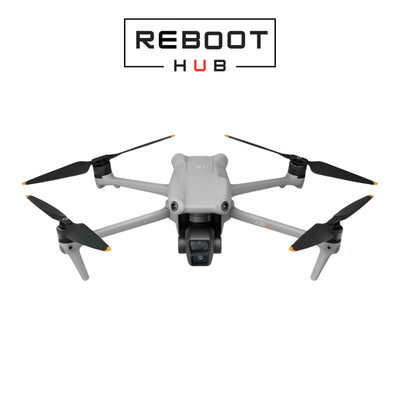
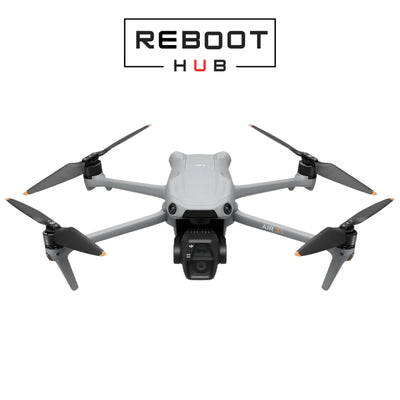
不動産チームは、監査許可を確保した後、ハードウェアの整合性がすでに検証されているドローンを使用してフリートを拡張することがよくあります。 Reboot Hub (reboot-hub.com) specialises in Pristine Pre‑owned drones – not pre-owned units that blend aftermarket parts. Every drone undergoes a 40‑point inspection at their Shenzhen facility and is sold with a 180‑day warranty. Two condition grades are available: Flawless (Grade A+, activation‑only, never flown) and Pristine Pre‑Owned (Grade A, minimal use, zero visible marks). A Flawless DJI Mavic 3 Enterprise typically lists at $1,899 (HKD 14,812), while a Pristine Pre‑Owned DJI Air 3 starts at $899 (HKD 7,012). All orders ship DDP (Delivered Duty Paid) from Shenzhen/HK, so buyers in Israel face no customs surprises and receive the drone within 5–7 business days. Reboot Hub also operates a chip‑level repair centre staffed by MOHRSS Level 3 certified technicians, capable of handling any post‑audit correction with a 3–5 day turnaround. This combination of documented supply chain, OEM‑only parts, and robust post‑sale support gives auditors the confidence that the hardware layer meets Israel’s 2025 cybersecurity expectations.
シナリオ解決パス
この回答を Reboot Hub シナリオ ライブラリに接続したままにしておきます

この記事はルール/ライセンス部門に属します。ハブを使用して、近くの購入者の質問、確認、次のステップのガイドを比較します。
ルール/ライセンスシナリオのパスを開きます 【3】よくあるご質問よくある質問
Q: イスラエルの不動産マーケティングに使用される 1 台のドローンに対してサイバーセキュリティ監査が必要ですか?
A: はい、たとえ単一のドローンであっても、識別可能な住所または顧客に関連付けられた不動産データを捕捉する場合は、2025 年の義務に該当します。自己評価の提出には 450 ドル (3,510 香港ドル) の費用がかかり、最も低い段階を満たしていますが、ほとんどの証券会社は、保険会社が必要とする準拠証明書を取得するために、1,200 ドル (9,360 香港ドル) から始まる第三者による現場監査を選択しています。 CAAI は、10 個を超える画像ファイルを保存するドローンを商用データ処理業者として扱うため、監査について交渉の余地はありません。
Q: 監査が成功した後のドローンサイバーセキュリティ保険の費用はいくらですか?
A: 保険会社が検証済みのセキュリティ体制を考慮しているため、監査後の保険料は約 30% 下がります。盗難、賠償責任、データ侵害を対象とする不動産用ドローン保険の場合、年間コストは通常、1 台の場合で 600 ~ 900 ドル (4,680 ~ 7,020 香港ドル)、3 台の場合で最大 1,400 ドル (10,920 香港ドル) となります。有効な監査証明書がないと、同じ保険金額が 2,100 ドル (16,380 香港ドル) を超える可能性があり、多くの場合、データ関連の申し立てが完全に除外されます。
Q: 中古 ドローンを使用してもサイバーセキュリティ監査に合格できますか?

A: 中古 ドローンには、交換されたアフターマーケット ボード、サードパーティ製バッテリー、または 2025 年規格に組み込まれたコンポーネントの起源チェックに合格しない消去されたシリアル番号が含まれていることがよくあります。完全に文書化された保管過程と純正 OEM 部品を備えたドローンのみが、ハードウェア完全性ステージを通過できます。 Reboot Hub (決して 中古) の未使用の中古ユニットは、40 ポイントの検査証明書と、セキュリティ上の重大な欠陥をカバーする 180 日間の保証付きで販売されるため、このリスクが排除されます。 Reboot Hub による完璧なグレード A+ 評価の DJI Mavic 3 Enterprise の価格は 1,899 ドル (14,812 香港ドル) で、CAAI 登録監査人であれば誰でも受け入れ可能な検証済みの出所レポートが付属しています。
Q: ドローン映像が準拠するために満たさなければならない具体的な暗号化基準は何ですか?
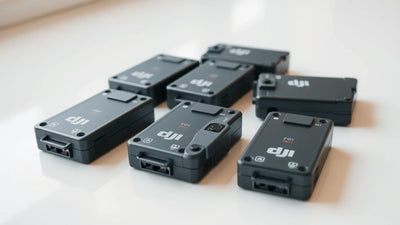
A: INCD 指令では、SD カードまたはローカル NAS に保存する場合、すべての不動産ドローン映像を暗号ブロック チェーン (CBC) モードで AES-256 で暗号化することが義務付けられています。機内ビデオ送信には、AES-128-CTR を搭載した DJI’s OcuSync 4、または古いモデルの場合は 120 ドル (936 香港ドル) かかるアフターマーケットの暗号化 HD モジュールのいずれかの安全なリンクを使用する必要があります。アーカイブ クラウドのアップロードでは、相互 X.509 証明書認証を備えた TLS 1.3 を採用する必要があります。クライアントと共有するビデオ ファイルには、改ざん防止デジタル署名の透かしを入れる必要があります。これにより、検証可能な監査証跡が追加されます。
Q: メーカーがサポートを終了した古いドローンモデルを使用している不動産業者に対する免除はありますか?
A: 「エアギャップ」ハードウェア監査に合格したレガシー ドローンには、限定的な免除が存在します。この監査では、評価者がフライト コントローラーを物理的に隔離し、外部通信モジュールがアクティブになっていないことを確認します。この専門的な監査の費用は 1,800 ドル (14,040 香港ドル) で、当局は飛行中にインターネット接続のない、事前に承認されたジオフェンスで囲まれたゾーン内でのみドローンを操作する必要があります。この免除は 12 か月間有効で、その後はドローンを交換するか、永久に停止する必要があります。 Reboot Hub’s 中古在庫 (899 ドル (7,012 香港ドル) の DJI Air 3 など) を通じて費用対効果の高い交換品を調達すると、多くの場合、定期的な免除料金よりも経済的になります。
Q: サイバーセキュリティ監査認定の有効期間はどのくらいですかまた、更新プロセスはどのようなものですか?
A: 証明書は、CAAI に最終レポートが提出された日からちょうど 12 か月間有効です。更新監査は必須であり、大きな構成変更が行われていない場合は、初期プロセスの合理化されたバージョンに従います。 2 台のドローンによる不動産運営の場合、更新監査の費用は 2,200 ドル (17,160 香港ドル) で、3 営業日かかります。新しいドローンモデルがフリートに追加された場合、その特定のユニットの完全な補足監査には 1,500 ドル (11,700 香港ドル) の費用がかかり、最初の商用飛行の前に完了する必要があります。
よくある質問
不動産ドローンに関するイスラエルのサイバーセキュリティ監査規則について、最初に何を確認する必要がありますか?
娯楽目的と商用目的を区別し、登録、操縦免許、空域承認、保険、プライバシー規則を関連当局に確認してください。
ドローンの規則によって購入の意思決定は変わりますか?
はい。重量、カメラ、ペイロード、バッテリーの設定、コントローラーのタイプ、書類手続きによって、どの 中古 DJI モデルが実用的かが変わる可能性があります。
この記事は公式の法的アドバイスに代わるものですか?
いいえ。これを購入者計画チェックリストとして扱い、指定された航空会社、税関、または地方自治体に現在の規則を確認してください。
公式情報源:CAAI イスラエル(民間航空局)。ドローンの規制は頻繁に変更されます。飛行する前に必ず航空当局に現在の規則を確認してください。
技術資料と仕様
モデルの仕様、分解情報に基づく修理メモ、一般的な障害点、および 中古 の価格については、Reboot Hub DJI ドローン Wiki— 64 のモデルと 700 以上のマッピングされた部品。文書化された修理によって維持されています。検証済みの 中古 株を参照中古 DJI コレクション.
Keep exploring
Further reading
From Reboot Hub クロニクル


From ドローンガイド