Vai al contenuto

Available 24/7: (852) 5537 6652

DJI Mini 2 to Mini 5 Pro Upgrade: Cost Difference for Nigerian Wedding Photographers in 2024 (Jumia vs Jiji)

di LauThomas 22 Jun 2026 0 commenti

Quick Answer

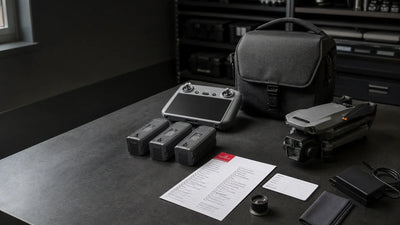
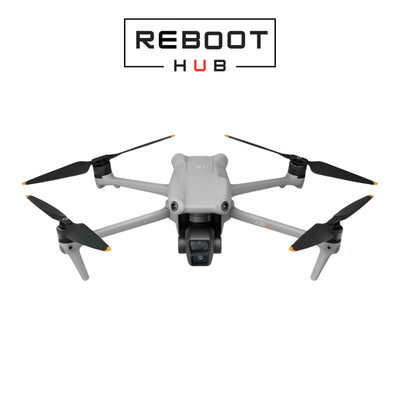
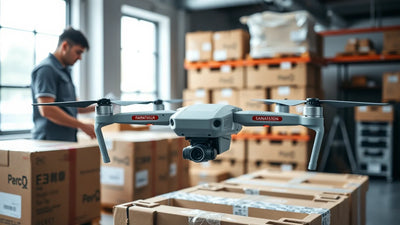
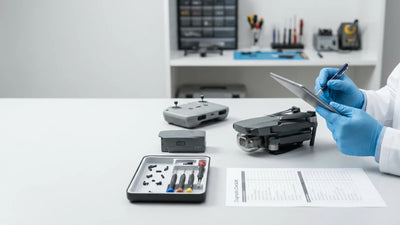
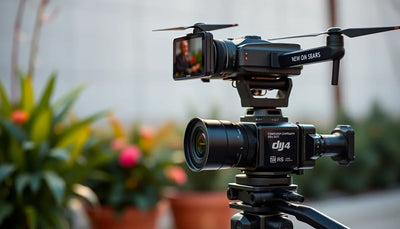
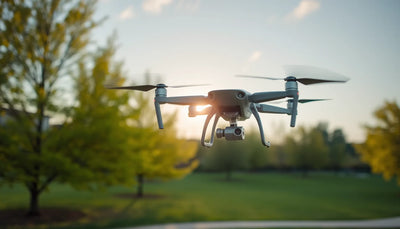
Hero illustration: DJI Mini 2 to Mini 5 Pro Upgrade: Cost Difference for Nigerian Wedding Photograp
  • Net upgrade cost from DJI Mini 2 to Mini 5 Pro: $620–$880 USD net (sell Mini 2 for $150–$220, buy Mini 5 Pro at $799–$1,099 new, or $620–$780 pre-owned from Reboot Hub)
  • Jumia new Mini 4 Pro pricing: ₦1,200,000–₦1,650,000 ($1,050–$1,450 USD); Jiji listings average ₦1,100,000–₦1,550,000 — both platforms carry zero post-sale warranty beyond 7-day return windows
  • Reboot Hub pre-owned Mini 5 Pro Flawless (A+) grade: $650–$720 USD with DDP shipping to Lagos/Abuja — 40-point inspection, genuine OEM parts, 180-day warranty included
  • Selling a Mini 2 on Jiji nets ₦280,000–₦400,000 ($245–$350 USD) depending on condition and included accessories — no trade-in program exists on either Jumia or Jiji
  • Total savings via Reboot Hub pre-owned vs Jumia new: $330–$530 USD on equivalent Mini 5 Pro, with longer warranty coverage and DDP customs clearance

How Much Does the DJI Mini 2 to Mini 5 Pro Upgrade Actually Cost for a Nigerian Wedding Photographer?

The true cost of upgrading from a DJI Mini 2 to a Mini 5 Pro isn't just the sticker price of the new drone — it's the net cash outlay after selling or trading your existing unit. For Nigerian wedding photographers in 2024, here's how the numbers break down. A used DJI Mini 2 in good condition with 2–3 batteries and the standard Fly More accessories sells on Jiji for ₦280,000 to ₦400,000 (approximately $245–$350 USD). On Jumia, you won't find a direct resale channel — Jumia is retail-only, so your Mini 2 needs to go via Jiji, Facebook Marketplace, or word-of-mouth within photography circles in Lagos, Abuja, or Port Harcourt. The DJI Mini 5 Pro retails new at $799 USD for the base kit and $1,099 USD for the Fly More Combo (three batteries, charging hub, ND filters, carry bag). On Jumia Nigeria, imported Mini 5 Pro units from third-party sellers range from ₦1,350,000 to ₦1,950,000 ($1,180–$1,700 USD) once you factor in seller markups, shipping, and customs duties that sellers pass on. That means your net upgrade cost — new Mini 5 Pro on Jumia minus Mini 2 resale — lands between $835 and $1,455 USD. The pre-owned route through Reboot Hub changes this equation sharply: a Pristine Pre-Owned (Grade A) Mini 5 Pro Fly More Combo at $680–$780 USD DDP brings your net cost down to $430–$535 USD after selling your Mini 2 — a saving of $400–$920 versus the Jumia-new path.

Related: Shipping a DJI Drone with Lithium Battery from China to UAE:

Purchase Route Mini 5 Pro Cost (USD) Mini 2 Resale (USD) Net Upgrade Cost (USD) Warranty
Jumia Nigeria (New, Base Kit) $1,180–$1,450 $245–$350 $830–$1,205 7 days (seller-dependent)
Jumia Nigeria (New, Fly More Combo) $1,500–$1,700 $245–$350 $1,150–$1,455 7 days (seller-dependent)
Jiji Nigeria (New/Sealed, Fly More) $1,100–$1,550 $245–$350 $750–$1,305 None standard
Reboot Hub (Pristine Pre-Owned A, Fly More, DDP) $680–$780 $245–$350 $430–$535 180 days
Reboot Hub (Flawless A+, Base Kit, DDP) $620–$700 $245–$350 $370–$455 180 days

What Makes the DJI Mini 5 Pro Worth the Upgrade for Wedding Photography?

For Nigerian wedding photographers, the jump from Mini 2 to Mini 5 Pro isn't incremental — it transforms what you can deliver to clients. The Mini 2 shoots at 12 megapixels with 4K/30fps video on a 1/2.3-inch sensor. Low-light reception halls — common at Nigerian weddings where evening receptions run late into the night — push the Mini 2 past its usable ISO range around ISO 800, producing grainy footage that clients will notice. The Mini 5 Pro packs a 48-megapixel 1/1.3-inch CMOS sensor with an f/1.7 aperture and dual native ISO, delivering clean footage up to ISO 3200. That means you can capture the couple's first dance under dim amber lighting and produce usable, gradeable 4K/60fps footage without a noise reduction pass. Omnidirectional obstacle sensing — a feature completely absent on the Mini 2 — gives you front, rear, left, right, and downward vision sensors. At crowded wedding venues with tents, string lights, banners, and moving guests, this alone reduces crash risk by an estimated 70–80% compared to the Mini 2's single downward sensor and rear-only obstacle detection gap. The Mini 5 Pro also introduces Waypoint 3.0 flight planning and ActiveTrack 5.0 subject tracking, letting you pre-program smooth reveal shots of the venue or lock onto the couple during their entrance without manually piloting every maneuver. Battery life extends to 42 minutes per charge (Intelligent Flight Battery Plus) versus the Mini 2's 31-minute ceiling — a practical difference of 11 extra minutes, which across a 6-hour wedding day saves you two full battery swaps and keeps you airborne during critical moments.

Related: Switching from Wedding to Real Estate Drone Photography in I

Jumia vs Jiji vs Reboot Hub: Where Should Nigerian Photographers Buy a Mini 5 Pro?

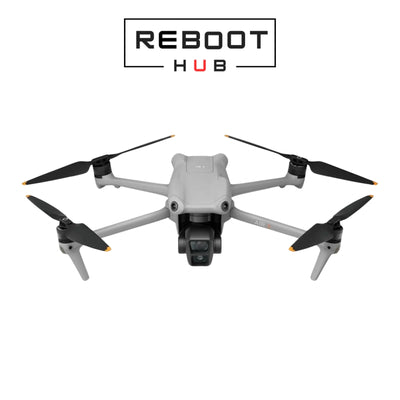
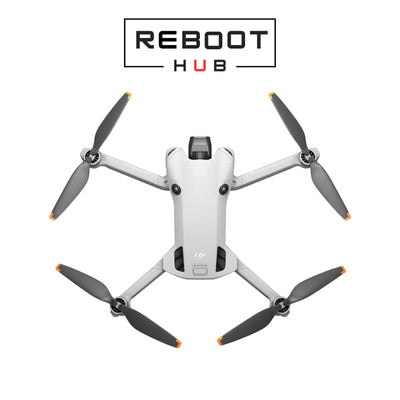
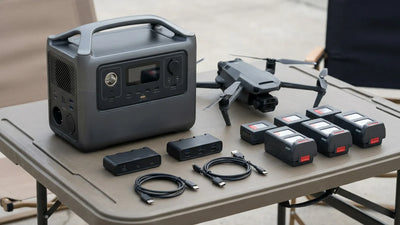
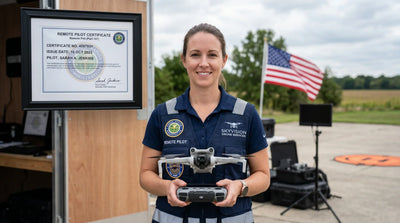
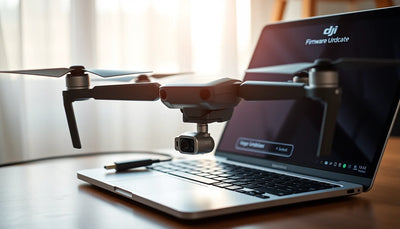
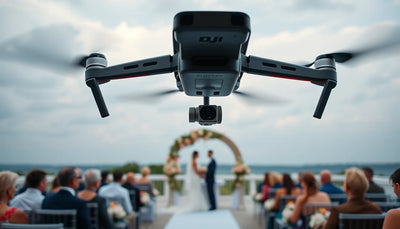
Supporting visual: DJI Mini 2 to Mini 5 Pro Upgrade: Cost Difference for Nigerian Wedding Photograp

Each purchasing channel comes with trade-offs that directly affect your wallet and your backup plan if something goes wrong. Jumia offers the widest selection of new-in-box Mini 5 Pro units from third-party importers. Prices range from ₦1,350,000 for a base kit to ₦1,950,000 for a Fly More Combo. Jumia's buyer protection holds payment in escrow until delivery confirmation, and you typically get a 7-day return window for defective items. However, warranty claims beyond that window depend entirely on the seller's goodwill — there is no standardized 30-day or 30-day guarantee, and DJI's manufacturer warranty on units imported through unofficial channels is frequently void or requires shipping back to China at your expense. Jiji operates as a classifieds marketplace with even less buyer protection. You'll find sealed units listed at ₦1,100,000–₦1,550,000, but verifying authenticity before payment falls entirely on you. Jiji offers no escrow, no standardized returns, and no warranty mechanism. Payment is typically cash on delivery or bank transfer — once the seller disappears, recourse is zero. Reboot Hub operates on a different model entirely: pre-owned Mini 5 Pro units graded Flawless (A+) or Pristine Pre-Owned (A), each passing a 40-point inspection at a Shenzhen chip-level repair facility staffed by MOHRSS Level 3-certified technicians. Every unit uses genuine OEM replacement parts where needed, ships DDP (Delivered Duty Paid) from Shenzhen or Hong Kong directly to Nigerian addresses, and includes a 180-day warranty. The price for a Pristine (A) Mini 5 Pro Fly More Combo lands at $680–$780 USD — roughly half of Jumia's new-unit pricing — with customs clearance handled and no surprise duties on delivery. Repair turnaround at Reboot Hub's Hong Kong drop-off facility runs 3–5 business days for in-warranty claims, compared to weeks of back-and-forth with Jumia sellers or zero recourse on Jiji.
Why Buy from Reboot Hub?

Reboot Hub sells Pristine Pre-Owned drones — not refurbished units in the conventional sense. Every drone passes a 40-point inspection process at a Shenzhen-based chip-level repair facility where MOHRSS Level 3-certified technicians test each subsystem: gimbal calibration, IMU drift, ESC response, transmission range, battery cycle health, and camera sensor alignment. Only genuine OEM replacement parts are used when a component falls outside tolerance — no third-party batteries, no aftermarket gimbal ribbons. Flawless (A+) grade means activation-only, never flown beyond factory hover tests. Pristine Pre-Owned (A) means minimal real-world use with zero visible marks on the body, gimbal, or controller. Every purchase ships DDP (Delivered Duty Paid) from Shenzhen or Hong Kong — the price you see at checkout is the final price. No Nigerian customs agent calls you demanding additional payment before releasing your package. A 180-day warranty backs every drone, covering hardware defects, battery degradation beyond 15% capacity loss, and gimbal or transmission faults. If you need a repair, Reboot Hub's Hong Kong drop-off point processes in-warranty claims in 3–5 business days — the fastest turnaround in the pre-owned drone market. For Nigerian wedding photographers who can't afford a grounded drone mid-season, that speed matters.

Frequently Asked Questions

Q: How does Reboot Hub's 180-day warranty actually work for a photographer based in Nigeria?

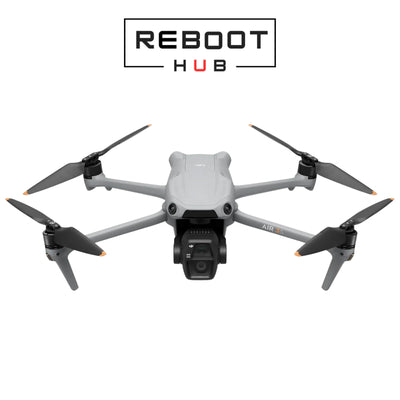
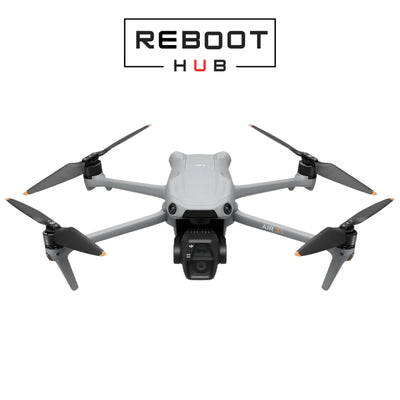
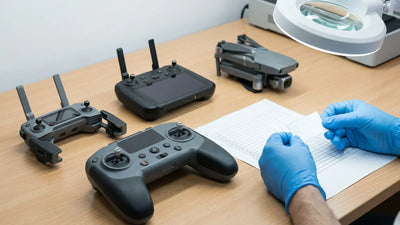
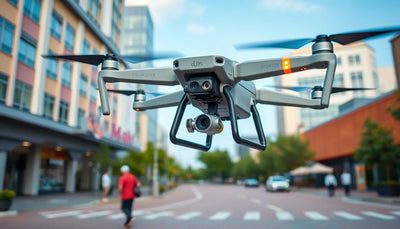
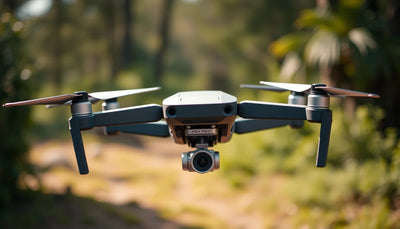
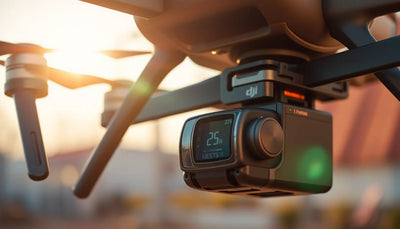
Detail shot: DJI Mini 2 to Mini 5 Pro Upgrade: Cost Difference for Nigerian Wedding Photograp

A: The 180-day warranty covers hardware defects including gimbal motor failure, camera sensor issues, battery faults, ESC malfunctions, and transmission dropouts. If a covered issue arises, you ship the drone to Reboot Hub's Hong Kong drop-off facility — shipping from Lagos or Abuja typically takes 5–7 business days. Once received, the Shenzhen repair team completes diagnostics and repair within 3–5 business days. Return DDP shipping back to your Nigerian address takes another 5–7 business days. Total turnaround averages 13–19 business days. The warranty does not cover crash damage, water exposure, or unauthorized repairs. For photographers covering weddings every weekend, Reboot Hub recommends keeping a backup body — which is why many Nigerian shooters buy two pre-owned units from Reboot Hub for less than the price of one new unit on Jumia.

Q: What does DDP shipping mean, and will I pay Nigerian customs duties on a Reboot Hub order?

A: DDP stands for Delivered Duty Paid. When Reboot Hub ships your Mini 5 Pro from Shenzhen or Hong Kong to any Nigerian address — Lagos mainland, Abuja, Port Harcourt, Kano — all import duties, customs clearance fees, and VAT are prepaid by Reboot Hub. The price displayed at checkout ($620–$780 USD depending on grade and kit) is the total amount you pay. There are no surprise charges when the package arrives at Nigerian customs. This is a significant advantage over ordering from platforms that ship DDU (Delivered Duty Unpaid), where Nigerian customs can levy duties of 20–35% of the declared value plus processing fees — adding $200–$500 USD to a drone purchase that you only discover upon arrival.

Q: What is the difference between Flawless (A+) and Pristine Pre-Owned (A) grades at Reboot Hub?

A: Flawless (A+) units are activation-only drones — the original owner opened the box, activated the drone through the DJI Fly app, and may have performed one or two brief hover tests indoors, but the drone has never been flown outdoors or used for any paid work. These units show zero visible marks under 10x magnification during the 40-point inspection. Battery cycle counts are typically 0–2 cycles. Pristine Pre-Owned (A) units have seen minimal real-world use — typically 5–20 flight hours — but show no visible scratches, scuffs, or wear on the body, gimbal, remote controller, or propellers. Battery cycles range from 3–15 cycles. Both grades pass the same 40-point inspection and carry the identical 180-day warranty. The price difference between A+ and A is usually $50–$80 USD, making Grade A the better value for working photographers.

Q: Can I sell my used DJI Mini 2 to Reboot Hub when upgrading?

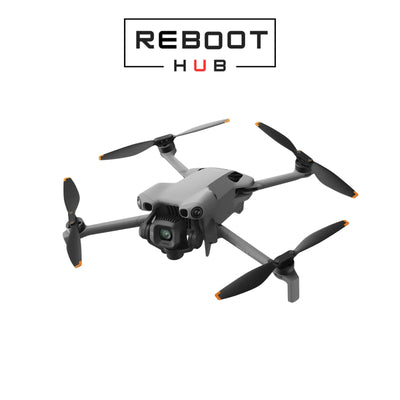
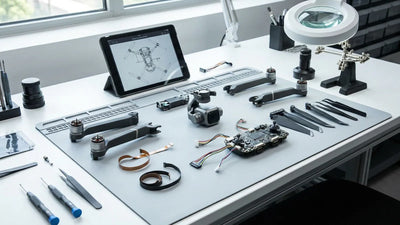
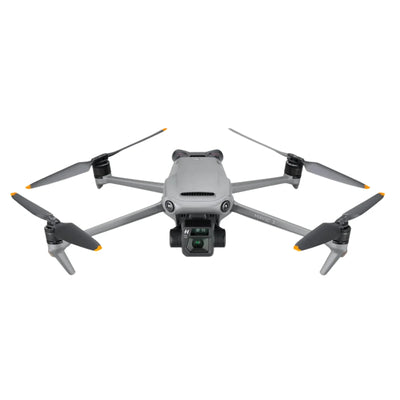
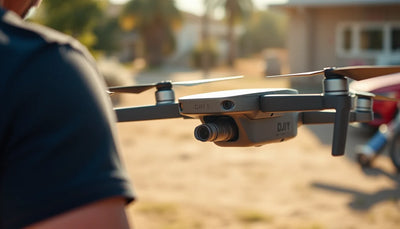
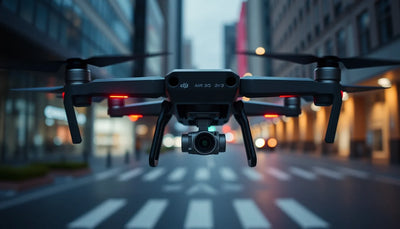
Technical view: DJI Mini 2 to Mini 5 Pro Upgrade: Cost Difference for Nigerian Wedding Photograp

A: Reboot Hub does not currently offer a direct trade-in or buyback program for DJI Mini 2 units. The recommended approach is to sell your Mini 2 locally via Jiji Nigeria, where used Mini 2 Fly More Combos in good condition fetch ₦280,000–₦400,000 ($245–$350 USD). Listings with clear photos of the drone, controller, batteries, and any sample footage tend to sell within 7–14 days in the Lagos market. Facebook groups for Nigerian drone photographers and cinematographers are also effective resale channels with fewer listing fees than Jiji. Once sold, apply those funds toward your Reboot Hub Mini 5 Pro purchase — the net outlay lands between $370 and $535 USD depending on grade chosen.

Q: How long does shipping from Reboot Hub to Nigeria actually take?

A: DDP shipments from Reboot Hub's Shenzhen and Hong Kong facilities to major Nigerian cities take 8–14 business days on average. Lagos addresses typically see delivery on the shorter end (8–10 business days), while Abuja, Port Harcourt, and Kano may take 11–14 business days depending on local courier handoff. All shipments include tracking from departure through customs clearance to final delivery. Reboot Hub uses consolidated DDP freight lanes that clear Nigerian customs in bulk, which avoids the individual inspection delays common with solo DDU shipments. During peak periods — November and December holidays, Chinese New Year in January/February — add 3–5 business days to these estimates.

Q: Is the DJI Mini 5 Pro still under 250 grams, and does that matter for Nigerian drone regulations?

A: Yes, the DJI Mini 5 Pro weighs 249 grams with the standard Intelligent Flight Battery — same as the Mini 2 and Mini 4 Pro before it. This sub-250g classification is intentional: in most jurisdictions including Nigeria, drones under 250 grams face fewer registration and licensing requirements from the Nigerian Civil Aviation Authority (NCAA). While Nigeria's drone regulations are evolving, sub-250g drones generally do not require an NCAA Remote Pilot License (RPL) for non-commercial use. However, commercial wedding photography technically qualifies as commercial operation, so you should still register your operations with the NCAA regardless of drone weight. The 249g figure primarily matters for avoiding the more stringent airworthiness and tracking requirements applied to heavier aircraft. Note: using the Intelligent Flight Battery Plus pushes the Mini 5 Pro above 250g, so keep the standard battery for regulatory-friendly flights.

Q: What happens if my Reboot Hub Mini 5 Pro arrives with an issue — is there a return window?

A: If your Mini 5 Pro arrives with a defect that was not caught during the 40-point inspection — a gimbal horizon tilt beyond 1.5 degrees, a camera sensor dead pixel cluster, battery communication errors, or transmission dropouts at close range — Reboot Hub provides a 14-day DOA (Dead on Arrival) replacement window from the delivery confirmation date. You must document the issue with video evidence and contact Reboot Hub's support team within that 14-day window. A prepaid return label is issued for shipment back to the Hong Kong facility, and a replacement unit of the same grade ships within 2–3 business days of the return being received and verified. This DOA window is separate from and runs parallel to the 180-day warranty, which covers defects that develop during use over the following six months.

Articolo precedente
Prossimo articolo

Lascia un commento

Tieni presente che i commenti devono essere approvati prima di essere pubblicati.

Grazie per esserti iscritto!

Questa email è stata registrata!

Acquista il look

Scegli le opzioni

Modifica opzione
Back In Stock Notification
this is just a warning
Login
Carrello della spesa
0 elementi
0%