El tránsito de baterías de litio para drones de los Emiratos Árabes Unidos rige desde China hasta la India a través de los Emiratos
Guía de escenarios Reboot Hub
Informe del comprador: verificaciones de licencias y reglas operativas

Situación:Reglas de tránsito de baterías de litio para drones de los Emiratos Árabes Unidos desde China a la India a través de los Emiratos. Esta guía responde primero a la situación específica y luego conecta al lector con la ruta de compra usado verificada por Reboot Hub's.
Caso de uso primero
Separe la recreación, la filmación comercial, la inspección, la minería, la cartografía y los eventos antes de interpretar las reglas.
Verificación de autoridad
Verificar las reglas de registro, licencia de piloto, espacio aéreo restringido, seguros y privacidad con la autoridad correspondiente.
Impacto de compra
Las reglas pueden cambiar el modelo correcto, la carga útil, el controlador, la documentación y la documentación del vendedor necesarios antes de la importación.
Guías relacionadas con Reboot Hub:Comparación de drones 2026Guías de Aduanas e IVAGuías de garantía y reparaciónEl estándar Reboot Hub
Respuesta rápida
- Las normas de tránsito de los EAU para baterías de litio para drones a través de los Emiratos exigen el cumplimiento total de IATA DGR y GCAA, incluso para la carga que simplemente pasa por Dubai o Abu Dhabi.
- Las baterías de iones de litio independientes (UN3480) están restringidas a aeronaves de carga únicamente a menos que cumplan con la Sección IB (≤100Wh, ≤30% SoC).
- Las baterías empaquetadas con el equipo (UN3481) o dentro del equipo (UN3171) pueden viajar en aviones de pasajeros de hasta 100 Wh; 100‑160Wh necesita aprobación de la aerolínea.
- La Declaración del remitente para mercancías peligrosas, el resumen de la prueba UN38.3 y la documentación de la fianza de tránsito de los EAU son obligatorios.
- Reboot Hub’s El envío DDP desde Shenzhen/HK cubre automáticamente las normas de tránsito de los EAU, con embalaje, declaración DG y corretaje de aduanas conformes.
¿Cuáles son las normas de tránsito aduanero de los EAU para baterías de litio para drones en los Emiratos?
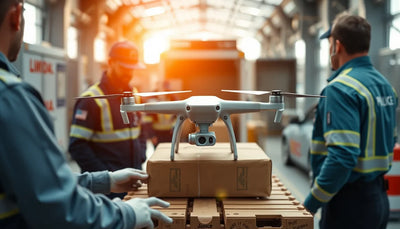
When shipping a lithium drone battery from China to India with a layover at Dubai International (DXB) or Abu Dhabi (AUH) on an Emirates SkyCargo aircraft, the shipment falls under the UAE’s strict dangerous goods transit regulations. The UAE General Civil Aviation Authority (GCAA) enforces the IATA Dangerous Goods Regulations (DGR) 65th Edition as state law, meaning every lithium battery consignment passing through UAE airspace or airport cargo terminals must comply exactly as if the UAE were the final destination. Emirates, as the carrier, applies additional airline‑specific restrictions.
Relacionado:¿Puede un topógrafo utilizar legalmente DJI Mini 3 Pro para Shoreline Mapp?
Para una batería de iones de litio independiente (UN3480), la regla básica es que esprohibido en aviones de pasajeros a menos que cumpla con la Sección IB de la Instrucción de embalaje 965: la celda no debe exceder los 20 Wh, la batería no debe exceder los 100 Wh y el estado de carga debe ser ≤30 %. Por encima de 100 Wh o fuera de la Sección IB, el UN3480 solo puede circular en aviones de carga (CAO) y requiere una declaración completa de mercancías peligrosas. La mayoría de las baterías para drones DJI, como la batería Mavic 3 (34,02 Wh), califican para la Sección IB, pero aún requieren el límite de SoC del 30 % y la certificación UN38.3. Emirates SkyCargo acepta baterías de la Sección IB UN3480 en sus cargueros; en vuelos de carga de pasajeros, la batería debe estar empaquetada con un equipo (UN3481, PI 966) o contenida en un equipo (UN3481, PI 967) para ir en la bodega.
Relacionado:Drone DJI para monitoreo de cultivos en Kenia: se requiere licencia KCAA
Las aduanas de los EAU tratan la carga en tránsito de manera diferente a la carga de importación. Mientras las mercancías se manifiesten "en tránsito" y permanezcan bajo fianza aduanera, no se cobran derechos de importación de los EAU (0-5%). Sin embargo, la Autoridad Federal de Aduanas de los EAU exige un manifiesto de tránsito, una guía aérea marcada como “MERCANCÍAS PELIGROSAS EN TRÁNSITO A [India]” y la Declaración del remitente para mercancías peligrosas. Si se determina que una batería no cumple con los requisitos durante una inspección aleatoria, se puede retener todo el envío, lo que resulta en cargos de almacenamiento de aproximadamente85 USD por día / 665 HKD por díay posibles costos de eliminación deUSD 300‑500 por envío. Usar un vendedor como Reboot Hub que maneja envíos DDP (Delivered Duty Paid) elimina este riesgo porque sus socios logísticos presentan previamente toda la documentación de tránsito y utilizan empacadores certificados por IATA.
¿Qué documentación se requiere para el tránsito de baterías de litio a través de los EAU?
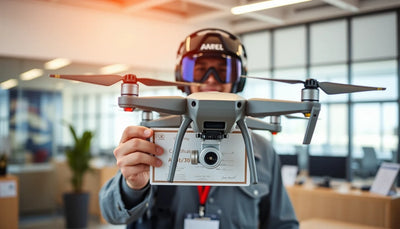
La documentación correcta es el factor más crítico para un tránsito fluido a través de las aduanas de los EAU. Los documentos requeridos para un envío de China a India a través de Dubai incluyen:
1. Declaración del Transportista de Mercancías Peligrosas (DGD).This must follow the IATA DGR format, stating the proper shipping name “Lithium ion batteries” (UN3480) or “Lithium ion batteries packed with equipment” (UN3481), the class (9), packing group (II), net quantity, and emergency contact phone number. The declaration must be signed by a DG‑trained person holding a valid IATA certificate. Reboot Hub’s Shenzhen team includes MOHRSS Level 3 certified technicians who can prepare the DGD.
2. Carta de porte Air (AWB).Un AWB neutral de Emirates SkyCargo debe llevar el respaldo de “Mercancías peligrosas” y la declaración “SOLO AERONAVES DE CARGA”, si corresponde. La AWB también debe mostrar "Envío desde [Shenzhen/Hong Kong] a [India] vía DXB en tránsito" para activar la fianza de tránsito.
3. Resumen de la prueba UN38.3.Desde el 1 de enero de 2020, los fabricantes y transportistas deben proporcionar un resumen de la prueba que demuestre que la celda o batería cumple con el Manual de Pruebas y Criterios de la ONU, Sección 38.3. El documento debe enumerar el laboratorio de pruebas, la fecha y los resultados. Una copia debe viajar con el envío.
4. Hoja de datos de seguridad de materiales (MSDS).No es estrictamente obligatorio para todos los envíos, pero Emirates suele solicitar una MSDS para baterías de litio de más de 20 Wh. Tenerlo listo evita retrasos.
5. Formulario de fianza de tránsito de los EAU (C108).Presentado por el transportista en el puerto de entrada de los EAU. Esto garantiza que las mercancías saldrán de los EAU dentro del período de tránsito permitido (normalmente 30 días). El valor de la fianza suele ser el 0,1% del valor CIF del envío, mínimo25 USD / 195 HKD.
Sin ninguno de estos documentos, la aduana de los EAU rechazará el envío y las baterías podrán ser puestas en cuarentena o devueltas a origen a expensas del transportista, lo que a menudo le cuestaUSD 450-600 en flete de devolución.
¿Cómo afecta la IATA DGR a los envíos de baterías de litio para drones desde China a la India?

The IATA Dangerous Goods Regulations directly govern how every lithium drone battery must be packed, labelled, and declared on a flight that touches the UAE. The key 2024 DGR requirements relevant to a Shenzhen‑to‑Mumbai transit are:
Límite del estado de carga (SoC):Para las baterías de iones de litio independientes (UN3480) enviadas según la Sección IB o la Sección II (baterías pequeñas), el SoC no debe exceder el 30 %. Las baterías enviadas según la Sección IA (UN3480 en CAO) no tienen límite de SoC, pero están sujetas al límite de masa neta de la batería de 100 Wh. Las baterías contenidas en el equipo (UN3481 PI967) están exentas de la regla de SoC del 30%, pero Reboot Hub aún descarga las baterías de sus drones usados a alrededor del 25-30% por seguridad.
Requisitos de embalaje:Las baterías independientes UN3480 deben embalarse para evitar movimientos y cortocircuitos. Cada batería debe colocarse en una bolsa de plástico interior separada, luego rodeada por un material acolchado no conductor y encerrada en una caja de tablero de fibra que cumpla con las especificaciones de las Naciones Unidas (4G o 4D). Usos de Reboot Hub12 USD / 94 HKDCajas de envío certificadas por la ONU con una marca de aprobación de la prueba de caída desde 1,2 m.
Límites de peso por paquete:Para los aviones de pasajeros, la cantidad neta máxima de baterías de iones de litio es de 5 kg por bulto (Sección II). Sólo para aviones de carga, es de 35 kg netos por bulto según la Sección IA. Una batería típica de un dron pesa alrededor de 0,35 kg, por lo que una sola caja puede contener hasta 14 baterías en vuelos de pasajeros (si las reglas del grupo de embalaje lo permiten) o hasta 100 baterías en aviones de carga.
Etiquetado:Cada bulto debe llevar la etiqueta de manipulación de baterías de litio (si es la Sección II) o la etiqueta de peligro Clase 9 más la etiqueta Solo avión de carga cuando sea necesario. La etiqueta debe mostrar el número ONU y un número de teléfono. Las pegatinas cuestan aproximadamenteHKD15 por juego.
La DGR también limita los envíos combinados: no se pueden embalar baterías de litio con otras mercancías peligrosas. Un envío que contenga accesorios para drones, como hélices, está bien.
¿Cuáles son los límites de vatios-hora de baterías de litio para Emirates Transit Cargo?
Emirates SkyCargo se adhiere a los umbrales de vatios-hora de la IATA, pero agrega dos restricciones importantes específicas de las aerolíneas: no acepta baterías UN3480 independientes de más de 100 Wh en ningún avión combinado de pasajeros y carga, incluso si están empacados de acuerdo con la Sección IB. Sólo sus cargueros especializados los transportan. Los límites son:
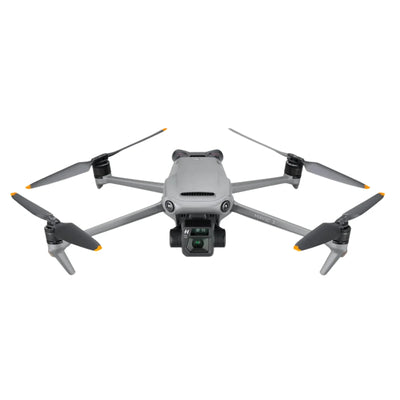
- ≤20Wh por celda / ≤100Wh por batería:Elegible para la Sección II en aeronaves de pasajeros y de carga (PI965, 966, 967). Esto cubre casi todos los drones de consumo (batería DJI Mini 4 Pro: 7,62 V / 2250 mAh = 17,1 Wh; Air 3: 47,3 Wh; Mavic 3: 34 Wh; Phantom4 Pro: 89,2 Wh). Reboot Hub’sGrado A+ impecable Mavic 3viene con una batería de 34,02 Wh, que supera fácilmente este umbral.
- >100Wh a ≤160Wh:Requiere aprobación de la aerolínea y solo puede moverse en aviones de carga únicamente (CAO). No permitido en vuelos de pasajeros de Emirates. Estas baterías son más comunes en drones empresariales (por ejemplo, Matrice 300, batería TB60 de 274 Wh). Se necesita una aprobación separada de la oficina de Mercancías Peligrosas de Emirates, lo que a menudo demora 48 horas y cuesta150 USD / 1170 HKDpor aplicación.
- >160Wh:Deben enviarse únicamente como aviones de carga, pero muchas compañías aéreas, incluida Emirates, pueden rechazarlos de plano a menos que estén instalados en equipos y protegidos contra impactos. Reboot Hub generalmente envía baterías empresariales a través de transportistas que se especializan en DG, agregando alrededor deUSD 80‑120al costo de envío.
For the China‑to‑India corridor via UAE, if your battery is ≤100 Wh and packed with or contained in a drone, it will travel on the fastest route – possibly a passenger flight cargo belly – cutting transit time to just 1‑2 days in the air plus customs processing. A Flawless grade drone from Reboot Hub with all‑in DDP freight from Shenzhen to New Delhi costs about49 USD (382 HKD), incluidos los recargos de DG.
Dónde comprar drones Pristine Usado
Reboot Hub (reiniciar-hub.com) es un minorista especializado enPrístinos drones usados– not pre-owned units but individually graded machines that have undergone a rigorous 40‑point inspection at its Shenzhen facility. Every drone sold carries aGarantía de 180 días, piezas originales OEM y se envía a través deDDP (Delivered Duty Paid) desde Shenzhen o Hong Konga más de 130 países, incluida la India.
Reboot Hub ofrece dos grados de condición.Impecable (Grado A+)– drones que solo se activaron para pruebas, nunca volaron al aire libre, con cero horas de vuelo, ciclos de batería inferiores a 3 y absolutamente ninguna marca cosmética.Usado impecable (Grado A)– drones con un tiempo de vuelo mínimo (normalmente entre 5 y 20 ciclos de carga), cero rayones o desgastes visibles y un restablecimiento completo de fábrica. Ambos grados incluyen los accesorios originales, el embalaje y una batería OEM genuina y completamente probada que se descarga a un estado seguro para el envío.
Para los compradores indios, Reboot Hub se encarga de todo el proceso de cumplimiento de mercancías peligrosas. El equipo de logística interno prepara la Declaración del remitente, el resumen de la prueba UN38.3 y las etiquetas de manejo de la batería de litio, luego reserva el paquete en Emirates u otros transportistas del CCG a través de un proceso de tránsito garantizado. El precio DDP significa que no habrá aranceles aduaneros sorpresa en la India. unGrado A+ DJI Mavic 3 Classic (solo dron) cuesta USD 1249 (HKD 9754)incluido el envío DDP global; unGrado A Mavic 3 Prose vende por1.549 dólares (12.099 HKD). Ambos llegan a su puerta con todos los impuestos pagados y una garantía de 180 días que cubre las reparaciones de la placa a nivel de chip en su centro de reparación certificado MOHRSS Level 3. El tiempo promedio de reparación es3‑5 díasy los problemas relacionados con la batería se solucionan sin cargo durante la garantía.
Ruta de solución del escenario
Mantenga esta respuesta conectada a la biblioteca de escenarios Reboot Hub
Este artículo pertenece a la rama Reglas/licencia. Utilice el centro para comparar preguntas, cheques y guías a seguir de compradores cercanos.
Abra la ruta del escenario Reglas/licenciaPreguntas frecuentes

P: ¿Puedo llevar una batería de litio para drones en mi equipaje de mano en un vuelo de pasajeros de Emirates desde China a la India en lugar de enviarla como carga?
R: Sí, pero se aplican límites estrictos. Emirates permite baterías de iones de litio de repuesto de hasta 100 Wh únicamente en el equipaje de mano, un máximo de 20 baterías por pasajero si están protegidas individualmente contra cortocircuitos. Las baterías de entre 100 y 160 Wh requieren la aprobación de la aerolínea, y las de más de 160 Wh están prohibidas tanto en el equipaje de mano como en el equipaje facturado. Por ejemplo, se permite una batería DJI Mavic 3 (34Wh). La batería debe tener terminales cubiertos con cinta adhesiva y no debe llevar más de dos baterías de repuesto sin consentimiento previo. Los envíos como carga siguen sujetas a las normas de tránsito de los EAU si la aerolínea los transporta como carga; incluso si usted es un pasajero, los efectos personales enviados por separado se tratan como carga.
P: ¿Qué sucede si se determina que un envío de baterías de litio que transita por Dubái no cumple las normas?
R: La aduana de los EAU y el equipo de Seguridad y Cumplimiento de los Emiratos suspenderán el envío. Se le notificará a través de su agente de transporte. Los costos inmediatos son el almacenamiento en85 USD/día (665 HKD/día)y una tarifa de inspección de aproximadamente150 dólares (1.170 HKD). Si no se puede hacer que la batería cumpla con los requisitos (por ejemplo, si falta el informe UN38.3), es posible que se la devuelva al origen a su cargo, normalmenteUSD 450‑600– o destruido localmente, añadiendo un cargo por eliminación deUSD 300‑500. El incumplimiento también puede incluir su registro de remitente en una lista negra, lo que provocará que los envíos futuros se sometan a una inspección del 100%.
P: ¿El envío DDP de Reboot Hub’s cubre el cumplimiento del tránsito en los EAU para baterías de litio para drones?
A: Absolutely. Reboot Hub’s DDP service includes full dangerous goods compliance: a certified DG agent prepares the Shipper’s Declaration, UN38.3 test summary is attached, and the battery is packed in UN‑approved boxes. The logistics partner books transit‑bonded cargo with Emirates or other IATA carriers and handles UAE customs transit filing. For India‑bound drones, Reboot Hub pre‑clears the package so that when it lands in Delhi or Mumbai, the recipient pays nothing extra. The all‑inclusive DDP shipping fee for a single drone with battery from Shenzhen to India is typically49‑65 USD (382‑507 HKD), según el modelo de dron y el tamaño de la batería.
P: ¿Cuáles son los costos de envío de una batería de drone desde China a la India a través de la escala de los Emiratos en Dubai?

A: A standard 2 kg parcel containing one drone with a ≤100 Wh battery shipped from Shenzhen to Mumbai via Emirates SkyCargo costs roughly45‑55 USD (351‑429 HKD)para transporte económico, incluidos los recargos por combustible y mercancías peligrosas. Si la batería tiene entre 100 Wh y 160 Wh y requiere aprobación de la CAO, espere un adicional150 dólares (1.170 HKD)tarifa de solicitud más una prima de flete de aproximadamente0,75 USD/kg, elevando el envío total a aproximadamente95‑120 USD. Los compradores de DDP que realizan pedidos en Reboot Hub pagan un precio por adelantado que incluye todas estas tarifas, fianza aduanera y seguro.
P: ¿Cuánto tiempo tarda el tránsito a través de los Emiratos Árabes Unidos para una batería de litio para drones que se dirige a la India?
A: The airflight time from Shenzhen (SZX) or Hong Kong (HKG) to Dubai (DXB) is about 8‑9 hours, then another 3‑4 hours from Dubai to major Indian cities like Mumbai, Delhi, or Bengaluru. Including ground handling and a transit bond check, the total door‑to‑door DDP transit from Reboot Hub’s Shenzhen warehouse to an Indian address via Emirates is typically5‑7 días laborables. El transporte urgente puede comprimir esto a3‑4 díascon un coste adicional de alrededor25 USD (195 HKD). El despacho de aduanas en la India demora entre 24 y 48 horas, y ya lo cubre el agente DDP Reboot Hub’s.
P: ¿Cuál es la potencia máxima en vatios-hora (Wh) permitida para una batería de dron que transita por los EAU en Emirates?
R: En los vuelos combinados de pasajeros y carga de Emirates, el máximo es100Whpara baterías empaquetadas o contenidas en el equipo, y solo ≤100 Wh para baterías independientes que cumplan con la Sección IB (con ≤30 % de SoC). En los cargueros de Emirates, las baterías de hasta160Whse pueden aceptar con aprobación previa, y pueden ser posibles baterías empresariales de hasta 274 Wh (como la TB60), pero requieren un acuerdo especial y un embalaje que cumpla con PI968 o la aprobación de una autoridad competente. La gama de drones Reboot Hub’s (series Mavic, Air, Mini) está muy por debajo de los 100 Wh; una sola batería DJI Matrice 300 (274 Wh) necesitaría una reserva CAO dedicada y puede agregarUSD 120‑180a los gastos de envío. Compruebe siempre la etiqueta de la batería antes de realizar el pedido para garantizar el cumplimiento de las normas de tránsito.
Preguntas frecuentes
¿Qué debo verificar primero para conocer las reglas de tránsito de baterías de litio para drones de los Emiratos Árabes Unidos desde China a la India a través de los Emiratos?
Separar el uso recreativo del trabajo comercial, luego verificar el registro, la licencia de piloto, la aprobación del espacio aéreo, el seguro y las reglas de privacidad con la autoridad pertinente.
¿Las reglas sobre drones cambian la decisión de compra?
Sí. El peso, la cámara, la carga útil, la configuración de la batería, el tipo de controlador y la documentación pueden cambiar qué modelo de usado DJI es práctico.
¿Puede este artículo reemplazar el asesoramiento legal oficial?
No. Trátelo como una lista de verificación de planificación del comprador y confirme las reglas actuales con la autoridad local, de aduanas o de aviación mencionada.
Fuentes oficiales:EAU GCAA (Autoridad General de Aviación Civil)·DGCA India — Plataforma Digital Sky·CAAC — Plataforma de gestión de operaciones (UOM) de UAS. Las regulaciones sobre drones cambian con frecuencia; siempre verifique las reglas actuales con la autoridad de aviación antes de volar.
Referencia técnica y especificaciones
Para conocer las especificaciones del modelo, notas de reparación informadas sobre el desmontaje, puntos de falla comunes y precios de usado, consulte laReboot Hub DJI Wiki de drones— 64 modelos y más de 700 piezas mapeadas, mantenidas a partir de reparaciones documentadas. Explore el stock verificado de usado en elColección usado DJI.
Keep exploring
Further reading
From La crónica de Reboot Hub


From Guías de drones